
Southern California is a land of captivating contrasts, a vibrant tapestry woven from sun-drenched beaches, snow-capped mountains, fertile valleys, and stark deserts. For travelers and lifestyle enthusiasts, understanding its unique climate — often referenced through “gardening zones” — is key to appreciating the region’s diverse landscapes, planning an unforgettable trip, and even choosing the perfect long-term stay. Far from being a mere horticultural detail, Southern California’s climate zones define its very essence, influencing everything from its iconic Hollywood palms to its thriving wine regions and majestic national parks. This intricate environmental mosaic creates a wealth of unique destinations, attractions, and experiences, offering a different adventure around every bend.
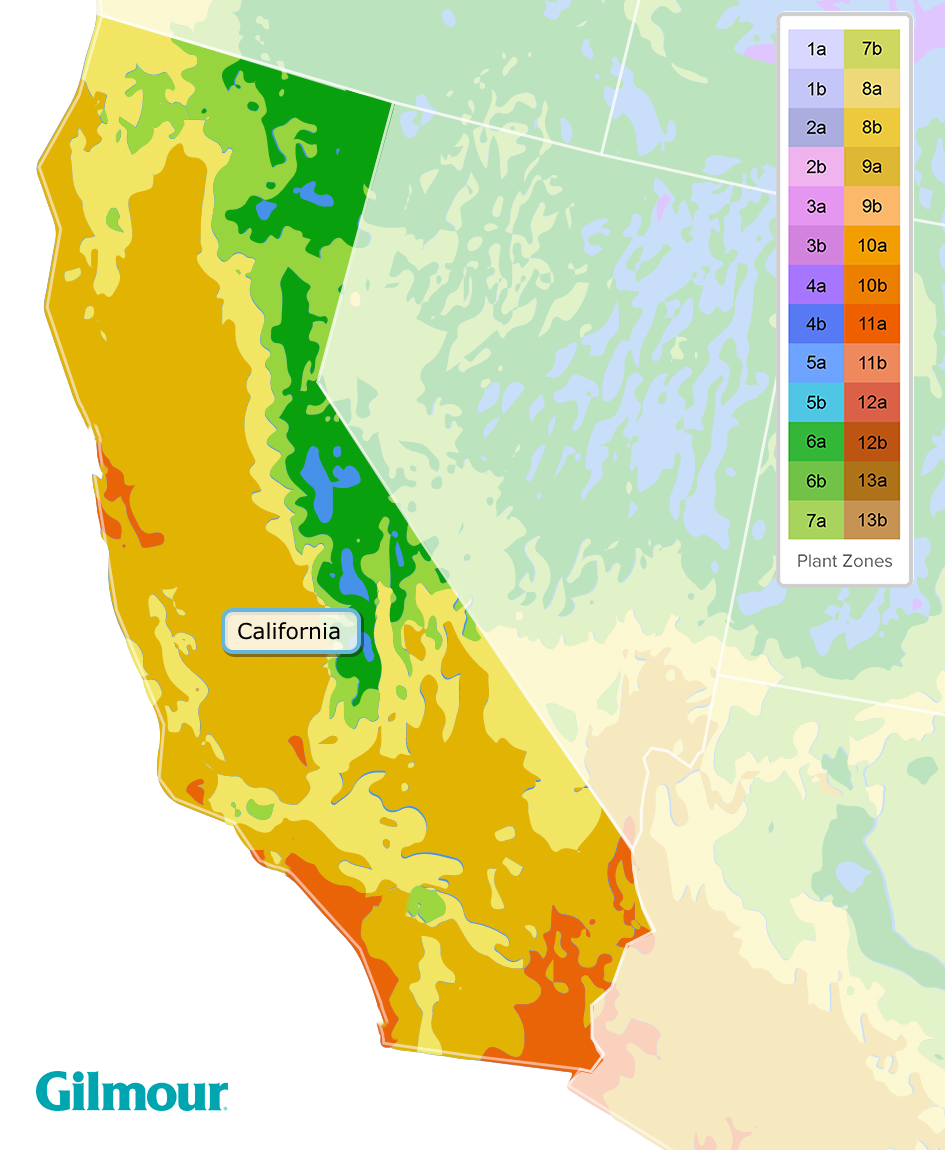
When people ask “What gardening zone is Southern California?”, they’re often seeking to understand the fundamental climactic conditions that dictate the area’s natural beauty and the possibilities for its flora. Unlike many regions that might fall neatly into one or two climate categories, Southern California is an anomaly, a microclimatic wonderland. This dynamic range of temperatures, rainfall, and humidity levels across relatively short distances ensures that within hours, one can transition from a cool, humid coastal environment to a hot, dry desert, or a frosty alpine summit. This diversity is not just a botanical curiosity; it’s the very foundation upon which Southern California’s tourism and lifestyle offerings are built, promising an ever-changing backdrop for every traveler’s story.
Unveiling Southern California’s Diverse Climates: A Traveler’s Guide
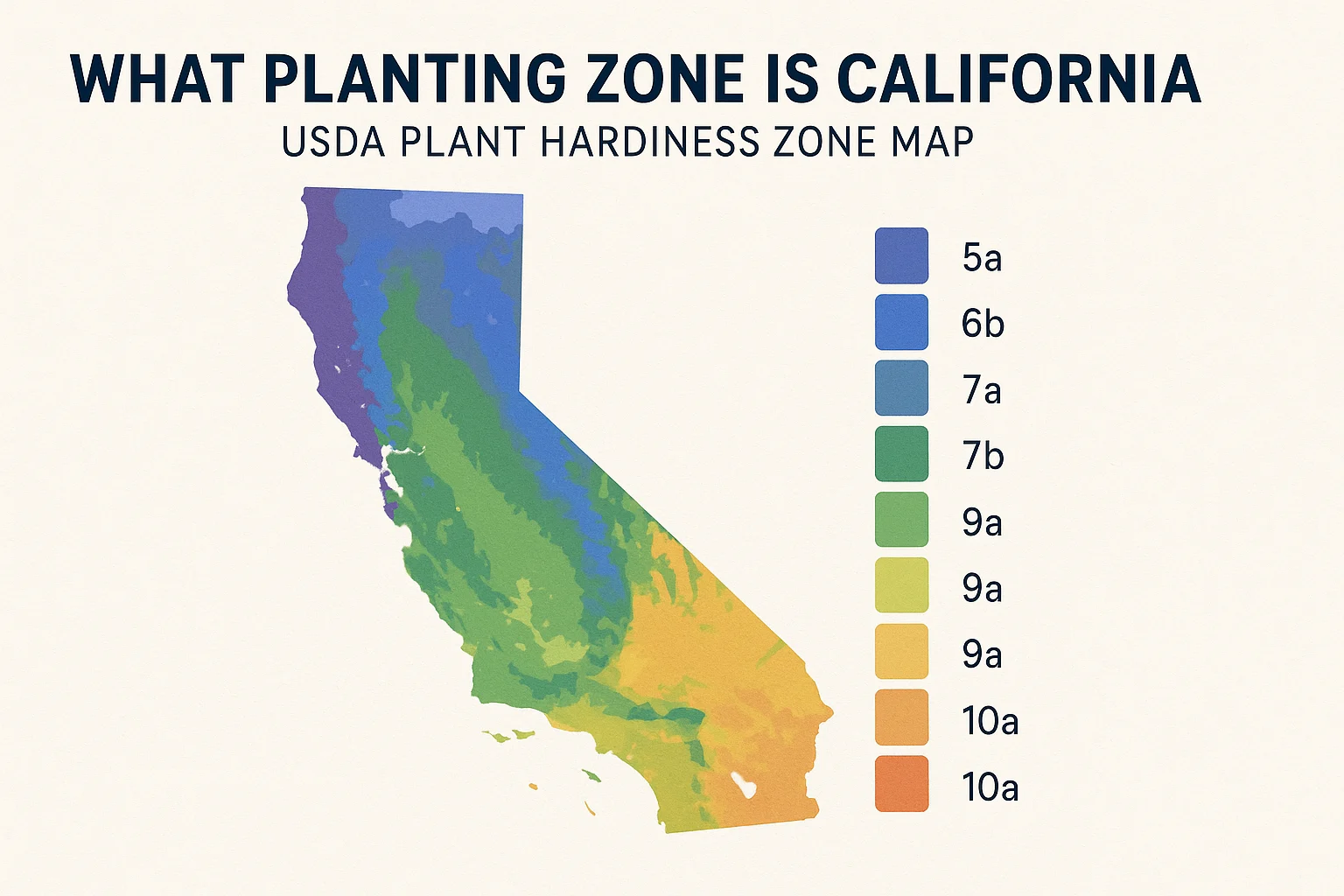
For those unfamiliar with the complexities of plant hardiness and climate classification, the concept of “gardening zones” can seem daunting. However, for a region as geographically varied as Southern California, it’s a critical lens through which to view its natural attractions and plan activities. The traditional USDA Hardiness Zones, which primarily measure the average annual extreme minimum winter temperature, provide a baseline. Most of Southern California falls within USDA Hardiness Zones 8-11, indicating relatively mild winters. Yet, these zones alone don’t fully capture the nuances of California’s unique environment, which is heavily influenced by coastal proximity, elevation, and mountain ranges.
This is where the Sunset Climate Zones become particularly relevant for understanding Southern California. Developed specifically for the Western United States, these zones consider a broader array of factors than USDA, including summer highs, winter lows, rainfall, humidity, wind, and — critically — marine influence. These detailed zones offer a much clearer picture of what to expect as a traveler, dictating not just what plants thrive, but also the overall ambiance and suitable activities in different areas.
Beyond USDA: Understanding Southern California’s Unique Climate Zones
The majority of Southern California falls within Sunset Climate Zones 18 through 24, with distinct differences defining each.
- Coastal Areas (Zones 22-24): These zones, encompassing popular destinations like Los Angeles, San Diego, Santa Barbara, and much of Orange County, are characterized by a quintessential Mediterranean climate. They boast mild winters, cool summers often mitigated by marine layer fog (“June Gloom”), and low humidity. This climate is perfect for a wide array of attractions, from lush botanical gardens to vibrant seaside promenades. The consistent, pleasant weather makes it ideal for year-round outdoor activities and explains the proliferation of stunning beach resorts and oceanfront villas.
- Inland Valleys (Zones 18-21): Moving slightly inland, to cities like Pasadena, Riverside, and portions of the San Bernardino Valley, the marine influence wanes. Summers here are significantly hotter, and winters are cooler with more pronounced frost. These areas are home to thriving citrus groves and impressive historic estates that leverage the warmer days for fruit production and expansive, sun-loving gardens. This distinct shift in climate provides a different kind of travel experience, often featuring agricultural tours, wine tasting in regions like Temecula Valley Wine Country, and exploring charming, tree-lined towns.
- Mountain Regions (Zones 7-17, depending on elevation): Towering above the coastal plains and inland valleys are the majestic mountain ranges like the San Gabriel Mountains and those surrounding Big Bear Lake and Lake Arrowhead. Here, the climate rapidly shifts to alpine, with cold, snowy winters and mild to warm summers. These zones offer a completely different set of travel experiences, including skiing and snowboarding in winter, and hiking, fishing, and lakeside relaxation in summer. The flora changes dramatically, featuring pine forests and native mountain chaparral.
- Desert Areas (Zones 11-13): Eastward, beyond the mountain ranges, lies the arid expanse of the Mojave Desert and Sonoran Desert, home to iconic destinations like Palm Springs and Joshua Tree National Park. These zones are characterized by extreme heat in summer, mild winters, and very low rainfall. The unique desert flora, including the famous Joshua Trees, is perfectly adapted to these harsh conditions. Travelers flock here for the unparalleled stargazing, mid-century modern architecture, and luxury desert resorts that offer a serene escape from the bustling cities.
From Coastal Blooms to Desert Oases: Regional Climate Highlights
Understanding these nuanced climate zones enhances the travel experience by setting expectations for the landscape and available activities.
The coastal zones, exemplified by the Sunset Zone 24, are famous for their lush, subtropical plantings—think bougainvillea, palm trees, and vibrant hibiscus. This climate allows for year-round enjoyment of beaches, such as those in Malibu, Laguna Beach, and Santa Monica, along with scenic coastal drives and oceanfront dining. Accommodations here range from luxurious beachfront hotels to charming boutique inns, all benefiting from the temperate air.
Further inland, the valleys and foothills present a landscape rich with agriculture. Cities like Temecula leverage their warmer days for viticulture, producing acclaimed wines that draw visitors to picturesque vineyards and tasting rooms. Historical gardens in Pasadena thrive with a mix of Mediterranean and subtropical plants, adapting to the hotter summers.
The desert regions, primarily falling into Sunset Zone 13, offer a stark, yet breathtaking beauty. The unique ecosystems found in places like Joshua Tree National Park and Anza-Borrego Desert State Park are a testament to nature’s resilience. Here, travelers can explore otherworldly landscapes, witness spectacular wildflower blooms after rare rains, and indulge in the opulent amenities of Palm Springs and Palm Desert’s luxury resorts, designed to offer comfort amidst the desert’s embrace.
Experiencing Southern California’s Natural Splendor: Attractions and Activities
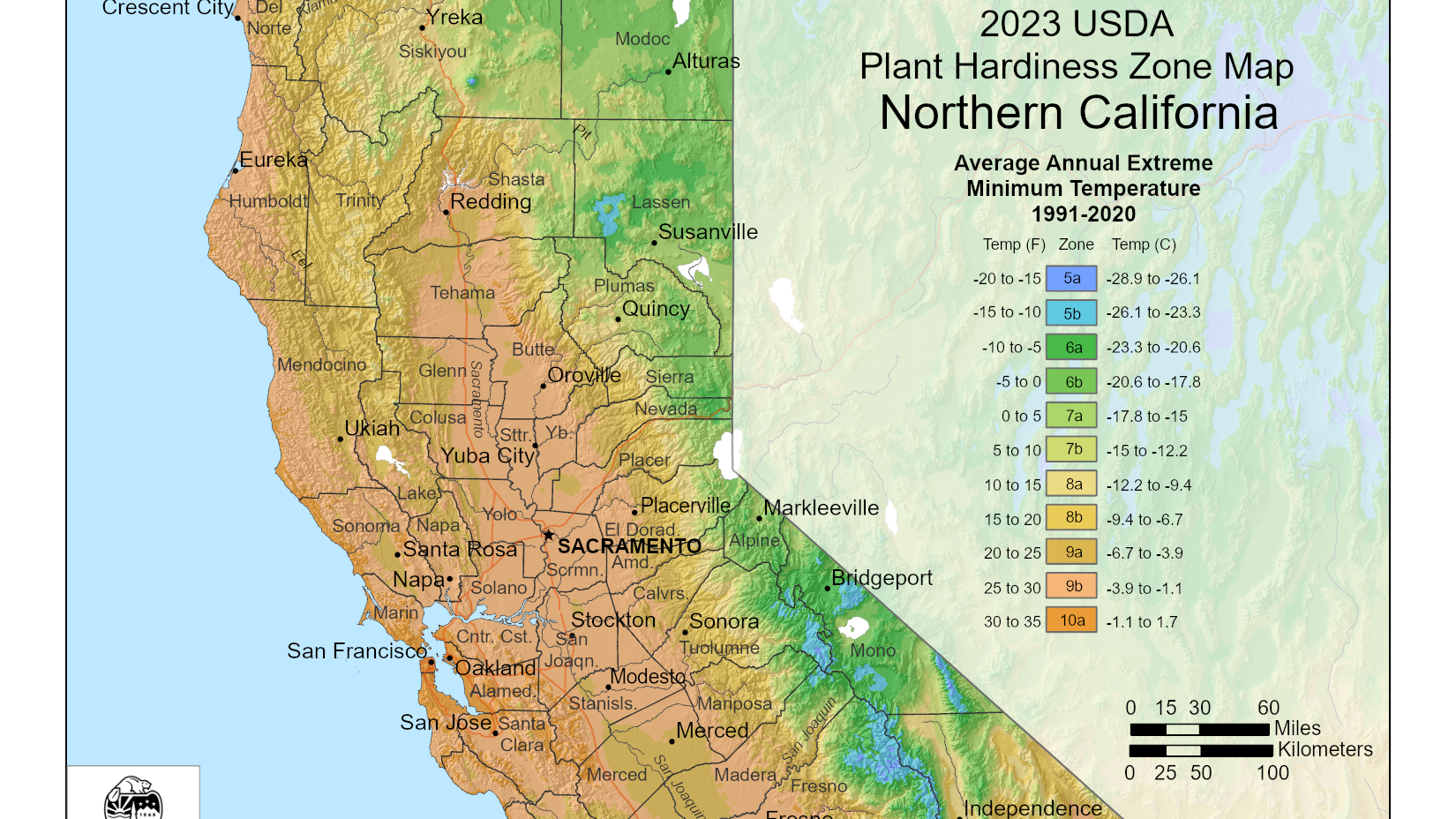
The profound diversity of Southern California’s gardening zones directly translates into an unparalleled array of natural attractions and outdoor activities, making it a dream destination for eco-tourists, adventure seekers, and those simply looking for beautiful scenery. From meticulously cultivated botanical gardens showcasing exotic species to rugged wilderness areas perfect for exploration, the region’s climate mosaic is its greatest asset.
Gardens, Parks, and Botanical Wonders
Southern California’s mild climates, particularly along the coast and in sheltered inland valleys, have fostered some of the most spectacular gardens in the world. These botanical treasures are not just beautiful; they are living laboratories demonstrating the region’s unique growing conditions.
- The Huntington Library, Art Museum, and Botanical Gardens in San Marino offers a magnificent example, with its diverse themed gardens including Japanese, Chinese, Australian, and Desert Gardens, each thriving in the local microclimate.
- Balboa Park in San Diego is another gem, home to the iconic Botanical Building and numerous other gardens that flourish under the city’s temperate coastal influence.
- Descanso Gardens in La Cañada Flintridge showcases camellias, roses, and native oaks, providing a serene escape.
- The Santa Barbara Botanic Garden focuses exclusively on California native plants, illustrating the rich biodiversity sustained by the region’s specific climate zones.
- Even the desert boasts its own botanical wonders, like The Living Desert Zoo and Gardens in Palm Desert, which highlights the incredible adaptability of desert flora and fauna from around the world.
These landmarks are more than just pretty places; they are vivid expressions of the gardening zones at play, offering visitors an immersive experience into the region’s horticultural capabilities and aesthetic appeal.
Adventure Across Diverse Landscapes
Beyond cultivated gardens, Southern California’s diverse climate zones create a playground for outdoor enthusiasts.
- Coastal Exploration: The mild, consistent climate along the coast (Zones 22-24) is perfect for year-round beach activities. Surfing, paddleboarding, and sunbathing are staples in Malibu, Santa Monica, Laguna Beach, San Clemente, and Oceanside. Hiking trails in the Santa Monica Mountains, including popular spots like Griffith Park and Runyon Canyon Park, offer stunning ocean views and a chance to experience the coastal chaparral ecosystem. Day trips to Catalina Island via the Catalina Express offer a distinct island climate and unique marine life.
- Mountain Escapes: The colder, alpine zones of the San Bernardino National Forest, Angeles National Forest, and Mount San Jacinto State Park (Zones 7-17) transform into winter wonderlands. Big Bear Lake and Lake Arrowhead become prime destinations for skiing, snowboarding, and cozy cabin stays. In warmer months, these areas provide cool retreats for hiking, mountain biking, and fishing, with pine forests and clear mountain air.
- Desert Adventures: The hot, dry desert zones (11-13) are ideal for unique adventures outside of peak summer. Joshua Tree National Park offers rock climbing, hiking among its distinctive trees, and incredible stargazing. Anza-Borrego Desert State Park is famous for its spring wildflower superblooms, a spectacular display fueled by the desert’s specific rain patterns. Travelers can explore ancient badlands, slot canyons, and observe desert wildlife adapted to these extreme conditions.
These diverse opportunities highlight how Southern California’s gardening zones create an ever-changing landscape that caters to every type of adventurer, from tranquil beachcombers to intrepid desert explorers.
Planning Your Southern California Getaway: Accommodation and Lifestyle Considerations
The vast climatic differences across Southern California have a significant impact on travel planning, especially when it comes to choosing accommodation and tailoring your lifestyle experiences. Whether you seek luxury, budget-friendly options, or a unique local immersion, the region’s varied zones offer something for everyone.
Choosing Your Ideal Stay: Resorts, Villas, and Urban Retreats
The type of accommodation available often reflects the local climate and the lifestyle it supports.
- Coastal Luxury: In the mild Mediterranean climate of coastal cities like San Diego, Laguna Beach, and Santa Barbara, you’ll find an abundance of upscale resorts that capitalize on ocean views and temperate weather. Iconic properties like the Hotel del Coronado in San Diego, Montage Laguna Beach, The Resort at Pelican Hill in Dana Point, and the Ritz-Carlton Bacara, Santa Barbara offer direct beach access, lush gardens, and outdoor amenities like infinity pools and al fresco dining year-round. Urban centers like Los Angeles also offer sophisticated hotels like the Hotel Bel-Air and The Beverly Hills Hotel, where meticulously maintained gardens flourish in the mild city microclimates.
- Desert Oases: In contrast, the unique climate of Palm Springs and Palm Desert has given rise to a distinctive style of luxury resort. Properties such as The Parker Palm Springs, L’Horizon Resort & Spa, Korakia Pensione, and The Saguaro Palm Springs, as well as the Ritz-Carlton, Rancho Mirage, offer shaded courtyards, extensive pools, and indoor-outdoor living spaces designed to provide comfort and elegance even in extreme heat. These resorts often feature desert-adapted landscaping, creating serene oases.
- Mountain Lodges and Retreats: For those seeking a cooler escape, particularly in winter, the mountain communities around Big Bear Lake and Lake Arrowhead provide cozy cabins, boutique lodges, and charming bed-and-breakfasts. These accommodations are designed to embrace the colder climate, often featuring fireplaces and rustic aesthetics that complement the pine forests and snowy landscapes.
- Urban & Valley Stays: Inland cities like Pasadena, Ventura, Ojai, and Oxnard, offer a mix of historic hotels, modern apartments, and family-friendly hotels catering to those exploring the cultural attractions, mission trails, or fertile agricultural lands. Large urban centers like Downtown Los Angeles feature everything from high-rise JW Marriott hotels at L.A. Live to boutique hotels in the historic Gaslamp Quarter of San Diego, offering access to attractions like Disneyland Park, Universal Studios Hollywood, San Diego Zoo, SeaWorld San Diego, and Legoland California in Carlsbad.
Seasonal Travel and Lifestyle Tips
The diverse climate zones also inform the best times to visit specific areas and what to pack.
- Coastal Areas: Spring and fall offer the most pleasant weather along the coast, with warm, sunny days and cool evenings, ideal for beach activities, hiking at Point Dume, or exploring Channel Islands National Park. Summers can bring the marine layer, providing a cooler respite but sometimes obscuring views.
- Desert Regions: The best time to visit the desert is from late fall to early spring (October to April), when temperatures are mild and comfortable for outdoor exploration. Summers are intensely hot and best avoided for prolonged outdoor activities unless staying at a resort with ample pool time and air conditioning.
- Mountain Zones: Winter is prime time for snow sports in Big Bear and Lake Arrowhead. Summers provide a refreshing escape from the heat of the lower elevations, perfect for hiking and camping.
- Inland Valleys: These areas are wonderful in spring and fall, with pleasant temperatures for exploring vineyards, historic sites, and enjoying local cuisine. Summers can be very hot, so planning indoor activities or early morning excursions is advisable.
Understanding Southern California’s complex tapestry of gardening zones is more than just a horticultural exercise; it’s an essential guide for any traveler seeking to unlock the full potential of this magnificent region. From its sun-kissed coastlines and fertile valleys to its dramatic mountain peaks and serene deserts, each climate zone offers a distinct array of natural beauty, outdoor activities, and lifestyle experiences. By recognizing these climatic nuances, visitors can strategically plan their adventures, choose the perfect accommodation, and truly immerse themselves in the diverse wonders that make Southern California an unparalleled travel destination.
LifeOutOfTheBox is a participant in the Amazon Services LLC Associates Program, an affiliate advertising program designed to provide a means for sites to earn advertising fees by advertising and linking to Amazon.com. Amazon, the Amazon logo, AmazonSupply, and the AmazonSupply logo are trademarks of Amazon.com, Inc. or its affiliates. As an Amazon Associate we earn affiliate commissions from qualifying purchases.