
In the vibrant tapestry of global cuisine, few dishes have transcended their origins to achieve the widespread recognition and enduring popularity of the California Roll. Far more than just a culinary creation, this iconic sushi roll represents a fascinating nexus of cultural adaptation, innovative culinary techniques, and a testament to the universal appeal of delicious, accessible food. For travelers venturing into new cities, or those simply exploring the nuances of international flavors, understanding the California Roll offers a unique lens through which to appreciate the dynamic world of food tourism and lifestyle choices. Its journey from a West Coast innovation to a global phenomenon makes it a compelling subject for anyone interested in travel, local culture, and the stories behind the food we love.

The Global Appeal of a California Classic: A Culinary Bridge Across Continents
The story of the California Roll is inherently a travel story, one that spans oceans and continents, connecting disparate cultures through the universal language of food. It emerged at a pivotal time when Japanese cuisine was beginning its foray into North America, and its design brilliantly navigated cultural preferences to create something entirely new yet universally appealing. This roll wasn’t just a dish; it was a diplomatic culinary ambassador, paving the way for sushi to become a mainstream staple in countries far beyond Japan.
A Culinary Journey from West Coast to World Stage
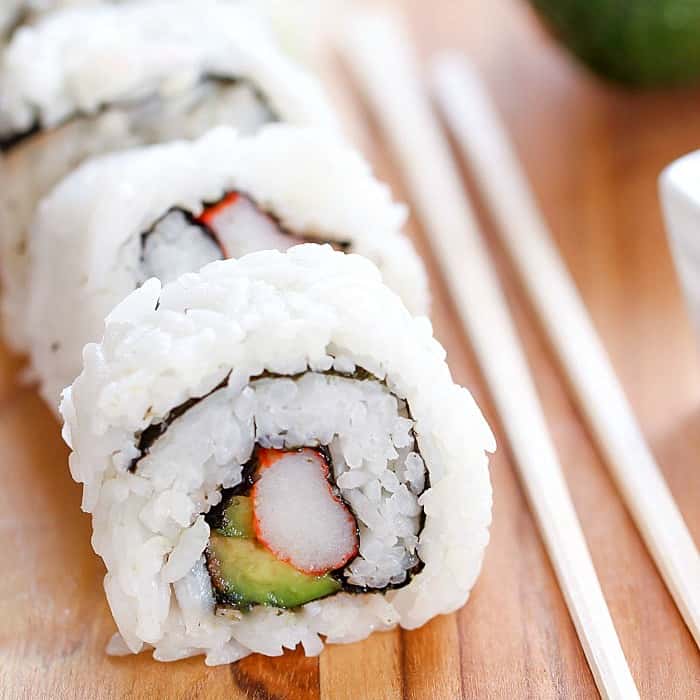
The most widely accepted origin story credits Chef Ichiro Mashita of Tokyo Kaikan restaurant in Los Angeles with creating the roll in the late 1960s or early 1970s. Faced with American diners who were hesitant about the texture and appearance of raw fish and nori (seaweed) on the outside, Chef Mashita ingeniously substituted tuna with cooked crab meat and incorporated creamy avocado, which was abundantly available in California. Crucially, he reversed the roll, placing the nori on the inside and the rice on the outside (the urameki style), often sprinkled with sesame seeds or tobiko (flying fish roe) for visual appeal. This innovation removed the intimidating black seaweed from direct view and introduced familiar, comforting flavors, instantly making sushi more palatable to a broader audience in the United States.
From its humble beginnings in Los Angeles, the California Roll quickly became a sensation. Its popularity spread rapidly up and down the West Coast, reaching cities like San Francisco and Seattle, and then eastward to New York City and beyond. The ease of preparation, combined with its agreeable flavor profile, made it a favorite in Japanese restaurants across North America and later, around the globe. Today, whether you’re strolling through a bustling market in London, enjoying a casual lunch in Paris, or seeking out a quick bite in Dubai, the California Roll is an almost guaranteed fixture on the menu. Its ubiquity is a testament to its successful adaptation and its role as a gateway dish that introduced millions to the delights of sushi. This global embrace highlights how culinary innovation, driven by cultural sensitivity, can transform a local specialty into an international phenomenon, inspiring travelers to explore the diverse foodscapes of their chosen destinations.
Beyond the Plate: Experiencing California Culture Through Food
The California Roll isn’t just about ingredients; it embodies a certain lifestyle and cultural ethos that travelers often seek to experience. California itself is a hub of innovation, health-conscious living, and diverse cultural influences, all of which are reflected in this iconic dish. When enjoying a California Roll, whether in a quaint beachfront eatery overlooking the Pacific Ocean or an upscale restaurant in Beverly Hills, one is not merely consuming food but partaking in a slice of its relaxed, yet sophisticated, culinary identity.
For tourists, sampling a California Roll in its birthplace, Los Angeles, can be as authentic an experience as visiting the Hollywood Walk of Fame or driving down Sunset Boulevard. It speaks to a food culture that values freshness, accessibility, and a harmonious blend of international flavors. This reflects a broader trend in travel and tourism where food experiences are increasingly central to understanding a destination’s local culture and lifestyle. Whether it’s a quick lunch from a sushi bar in San Francisco or a leisurely dinner at a high-end Japanese restaurant in Vancouver, the California Roll offers a tangible connection to the vibrant, health-conscious, and multicultural spirit that defines much of the West Coast. It’s a simple pleasure that enhances the travel narrative, allowing visitors to taste and feel the essence of a place through its most beloved culinary inventions.
Unpacking the Roll: Ingredients and Innovation
At its heart, the California Roll is a masterpiece of balance, combining contrasting textures and complementary flavors into a single, harmonious bite. Its success lies not just in its pioneering presentation but also in the thoughtful selection of ingredients that cater to a wide palate while retaining the essence of sushi. Understanding these components is key to appreciating its enduring appeal and its role in the broader landscape of fusion cuisine.
The Core Components: A Symphony of Flavors and Textures
The classic California Roll is built upon a foundation of a few essential ingredients, each playing a crucial role in its overall profile:
- Sushi Rice: The bedrock of any sushi roll, the short-grain Japanese rice is seasoned with vinegar, sugar, and salt. Its sticky texture holds the roll together, while its subtle tanginess provides a refreshing contrast to the richness of the other ingredients. The quality and preparation of the rice are paramount, contributing significantly to the overall mouthfeel and flavor.
- Crab Meat: Traditionally, imitation crab meat (surimi, often pollock-based) is used, offering a sweet, slightly briny flavor and a flaky texture that is both familiar and appealing. However, upscale versions or those made in regions with abundant seafood might feature fresh Dungeness crab or Alaskan king crab, elevating the dish with a more intense, natural sweetness and luxurious texture. This choice of cooked seafood was a stroke of genius, immediately making the roll approachable for those wary of raw fish.
- Avocado: Perhaps the most “Californian” ingredient, ripe avocado lends a creamy, buttery texture and a subtle, earthy flavor. Its richness beautifully complements the crab and cucumber, adding a satisfying mouthfeel and a healthy dose of good fats. The vibrant green color also adds an attractive visual element to the roll.
- Cucumber: Providing a crisp, refreshing counterpoint to the richness of the avocado and crab, fresh cucumber slices introduce a delightful crunch and a clean, slightly watery taste. This helps to balance the flavors and textures, preventing the roll from being overly heavy or uniform.
- Nori (Seaweed): While hidden on the inside, the nori sheet provides an essential structural element, holding the ingredients together. It also contributes a subtle, umami-rich, oceanic flavor that grounds the roll in its Japanese heritage, even if it’s not immediately visible.
- Toppings: Often, the rice-covered exterior is adorned with toasted sesame seeds, which add a nutty flavor and a delicate crunch. Alternatively, brightly colored tobiko (flying fish roe) or masago (capelin roe) might be used, providing a subtle pop of texture and a visually appealing speckled finish. These small additions enhance both the taste and the aesthetic of the roll.
The combination of these ingredients creates a harmonious blend: the soft chew of the rice, the tender flakiness of the crab, the creamy luxury of the avocado, and the crisp bite of the cucumber, all unified by the subtle notes of nori and sesame. It’s a masterful composition that showcases thoughtful culinary engineering.
The Inside-Out Revolution: A Nori-Free Approach
The urameki style, or “inside-out” roll, is the defining innovation of the California Roll. Before its advent, most traditional Japanese maki rolls featured nori on the exterior, with the rice and fillings tucked inside. This was a significant hurdle for many Western diners unfamiliar with or unaccustomed to the taste and texture of seaweed. Chef Ichiro Mashita’s decision to invert the roll was a stroke of marketing genius disguised as culinary adaptation.

By placing the rice on the outside, the California Roll immediately became more approachable. The visual barrier was removed, making the dish less intimidating and more aesthetically pleasing to a new clientele. The sticky rice provided a neutral, comforting exterior, often speckled with inviting sesame seeds, that beckoned diners to take a bite. This simple yet revolutionary change democratized sushi, transforming it from an exotic, niche delicacy into a widely accepted and beloved food item. The success of the urameki style in the California Roll also paved the way for countless other fusion rolls and creative sushi variations that are now standard fare in sushi restaurants worldwide, from the spicy tuna roll to complex dragon rolls. It demonstrated that tradition could be respectfully adapted to suit evolving tastes, opening up an entirely new chapter in the global story of Japanese cuisine.
Where to Savor the Best California Rolls: A Traveler’s Culinary Quest
For many travelers, the pursuit of authentic and delicious local food is a cornerstone of their journey. The California Roll, despite its widespread availability, offers unique culinary experiences depending on where and how you choose to enjoy it. From casual beachfront shacks to Michelin-starred establishments, the context of your dining experience can profoundly shape your appreciation for this iconic dish.
From Coastal Eateries to Upscale Dining
The beauty of the California Roll lies in its versatility; it adapts to virtually any dining setting. For a truly immersive experience, beginning your quest in its birthplace, Los Angeles, is highly recommended. Here, you can find everything from no-frills sushi counters in bustling neighborhoods to renowned Japanese restaurants in areas like Beverly Hills and West Coast beach towns. Casual spots might offer a classic, straightforward roll perfect for a quick lunch, while a more upscale venue could present a gourmet rendition featuring premium lump crab meat, delicate avocado, and artfully toasted sesame seeds, served in a sophisticated ambiance.
Consider visiting a restaurant that specializes in Japanese fusion, where the California Roll might be part of a larger, innovative menu. Many major cities around the world, from London to Sydney, boast high-end Japanese establishments like Nobu or Sushi Roku, where the California Roll is often elevated with superior ingredients and meticulous presentation. For travelers exploring destinations like Vancouver or New York City, where Japanese culinary scenes thrive, seeking out a local favorite sushi spot can lead to delightful discoveries. These places often prioritize fresh, local ingredients, giving their California Rolls a unique regional flair. For instance, a seaside town might use freshly caught local crab, offering a distinct taste of the Pacific Ocean in every bite.
When choosing an establishment, consider checking travel guides or tourism websites like lifeoutofthebox.com for recommendations on specific hotels, resorts, or restaurants known for their sushi. A stay at a luxury accommodation like the Pacific Grand Hotel or the Coastal Suites might offer an in-house sushi bar or direct access to a highly-rated Japanese restaurant like Sakura Bistro or Umi Japanese Restaurant, providing both convenience and exceptional quality. The best California Roll isn’t just about the food; it’s about the entire experience—the ambiance, the service, and the company.
Making Your Own: A Taste of California at Home
Beyond dining out, an increasingly popular lifestyle choice for food enthusiasts and travelers is to recreate beloved dishes at home. Making your own California Roll can be a fun and rewarding activity, offering a hands-on experience with this culinary classic. It provides insight into the techniques involved and allows for customization to suit individual preferences, while also bringing a piece of your travel experiences into your own kitchen.
To embark on this culinary adventure, you’ll need a few basic tools: a bamboo rolling mat (makisu), a sharp knife, and a bowl of tezu (vinegar water) to keep the rice from sticking to your hands. The ingredients are readily available in most supermarkets: sushi-grade rice, rice vinegar, imitation crab meat (or fresh crab), ripe avocados, fresh cucumbers, and nori sheets.
The process typically involves spreading a thin, even layer of seasoned sushi rice onto a nori sheet, then flipping it over so the rice is on the outside. Arranging the crab, avocado, and cucumber strips neatly in the center, and then carefully rolling it into a tight cylinder. Finally, slicing the roll into bite-sized pieces with a damp knife reveals the beautiful cross-section of colors and textures.
This DIY approach isn’t just about the food; it’s an experience in itself. It’s an activity that can be shared with family or friends, making it a delightful part of a weekend lifestyle. Moreover, mastering the art of sushi rolling at home connects you more deeply with the local culture and food traditions you encounter during your travels. It transforms a simple meal into an educational and enjoyable experience, allowing you to continually revisit the flavors of California and beyond, all from the comfort of your own home kitchen. It embodies the spirit of exploration and appreciation that lifeoutofthebox.com aims to inspire.
The Cultural Impact and Legacy of the California Roll
The California Roll’s journey from a localized innovation to a global culinary icon is a powerful testament to its cultural significance. It didn’t just introduce a new dish; it facilitated a broader cultural exchange, demystifying Japanese cuisine and making it approachable for millions. This legacy extends far beyond the plate, influencing how fusion cuisine is perceived and how diverse culinary traditions can successfully intertwine.
A Gateway to Japanese Cuisine for Western Palates
Before the California Roll, sushi was largely an exotic mystery to many in the United States and Europe. The concept of raw fish, combined with the unfamiliar texture of nori seaweed, was often a barrier to entry. The California Roll shattered these preconceptions. By substituting raw fish with familiar cooked crab and by cleverly hiding the nori, it provided a comforting and unintimidating entry point. Its creamy avocado and crisp cucumber offered universally appealing textures and flavors that resonated with Western tastes.
This accessibility was revolutionary. It encouraged diners to take a chance on sushi, and once they experienced the delicate flavors and fresh ingredients of the California Roll, they were often emboldened to explore other, more traditional forms of sushi and Japanese cuisine. It acted as a culinary stepping stone, a gentle introduction that gradually broadened palates and fostered an appreciation for the intricate artistry of sushi making. Without the California Roll, it is debatable whether sushi would have achieved its current global prominence, gracing menus from Mexico City to Rio de Janeiro to Cape Town. Its role as an ambassador for Japanese food culture cannot be overstated, demonstrating how thoughtful innovation can bridge cultural divides through the shared joy of eating.
Adapting and Evolving: New Twists on a Classic
The influence of the California Roll extends beyond its individual success; it ignited a creative explosion in the world of sushi. Its urameki style and ingredient combination became a template for countless other “Americanized” or fusion sushi rolls. Chefs around the world, freed from strict traditional constraints by the California Roll’s success, began experimenting with a vast array of ingredients, from cream cheese and spicy mayonnaise to tempura shrimp and various fruit and vegetable combinations. This era of innovation gave birth to rolls like the Philadelphia Roll, Rainbow Roll, and Spider Roll, each building upon the precedent set by the original.
Today, the California Roll continues to evolve. While the classic version remains a beloved staple, modern culinary trends see chefs offering sophisticated variations. Some may use unique artisan rice, substitute imitation crab with real Dungeness crab, or even introduce unexpected elements like truffle oil or specialty sauces to elevate the flavor profile. These adaptations ensure the roll remains relevant and exciting, catering to new generations of diners and reflecting the ever-changing landscape of global gastronomy. The California Roll is not just a dish of the past; it is a living, breathing culinary concept that continually inspires and adapts, symbolizing the dynamic interplay between tradition and innovation in the world of food. Its legacy is a testament to the power of food to connect cultures, spark creativity, and offer endless delight to curious travelers and food enthusiasts worldwide.
LifeOutOfTheBox is a participant in the Amazon Services LLC Associates Program, an affiliate advertising program designed to provide a means for sites to earn advertising fees by advertising and linking to Amazon.com. Amazon, the Amazon logo, AmazonSupply, and the AmazonSupply logo are trademarks of Amazon.com, Inc. or its affiliates. As an Amazon Associate we earn affiliate commissions from qualifying purchases.