
California, often referred to as the Golden State, is a land of unparalleled diversity, not just in its landscapes and cultures, but especially in its culinary offerings. From the sun-drenched vineyards of Napa Valley to the bustling street food scenes of Los Angeles, California is a global epicentre of gastronomic innovation and tradition. It’s a place where the concept of “farm-to-table” was arguably born, where health-conscious eating thrives alongside indulgent comfort food, and where a multitude of international flavors converge to create a truly unique food identity. For anyone planning to travel and explore this magnificent destination, understanding its food culture is essential to experiencing the local culture and creating unforgettable memories.

At its heart, California’s food scene is a testament to its abundant agricultural resources, its rich immigrant history, and a forward-thinking lifestyle that embraces fresh ingredients, sustainability, and culinary creativity. This article serves as a comprehensive guide to understanding what makes California a food lover’s paradise, delving into its iconic dishes, regional specialties, and the vibrant influences that shape its plates. Whether you’re a connoisseur of fine dining, a fan of casual eateries, or simply looking for delicious local activities and experiences, California’s food landscape promises an adventure for every palate.
The Golden State’s Bountiful Harvest: A Culinary Paradise
The foundation of California’s culinary prowess lies in its incredible natural bounty. Blessed with a Mediterranean climate and diverse microclimates, the state produces an astonishing array of fruits, vegetables, nuts, and wines, making it an agricultural powerhouse. This direct access to fresh, high-quality ingredients has profoundly influenced its cuisine, fostering a culture of vibrant, seasonal eating.
From Farm to Fork: California’s Agricultural Riches
California’s agricultural landscape is nothing short of spectacular. The vast Central Valley, a fertile basin stretching for hundreds of miles, is one of the world’s most productive farming regions. It’s here that much of the nation’s produce is grown, including a staggering 80% of the country’s almonds and a significant portion of its fruits and vegetables. Beyond the Central Valley, coastal regions contribute specialized crops, while the deserts offer unique produce like dates.
The state is famous for its avocados, particularly the Hass variety, which thrives in the ideal climate of Southern California. Citrus fruits like oranges, lemons, and grapefruits are abundant, as are strawberries, artichokes, and a wide variety of leafy greens. This immediate access to such fresh produce means that chefs and home cooks alike prioritize seasonal ingredients, often sourcing directly from local farms. This emphasis on freshness and locality gave rise to the celebrated “farm-to-table” movement, spearheaded by culinary pioneers like Alice Waters and her renowned restaurant, Chez Panisse, in Berkeley. This movement transformed dining, advocating for simple preparations that highlight the natural flavors of the ingredients, a philosophy that continues to define much of Californian cuisine today.
The Influence of Geography and Climate on Californian Cuisine
California’s geography plays a pivotal role in shaping its culinary identity. The lengthy coastline along the Pacific Ocean provides an endless supply of fresh seafood, from Dungeness crab in the north to halibut and rockfish further south. This bounty means seafood features prominently, whether grilled simply, incorporated into a vibrant ceviche, or served as an essential component of the iconic San Francisco cioppino.
The diverse climate zones allow for a wide range of agricultural products. The cool, foggy coastal areas are perfect for growing grapes that produce world-class Pinot Noir and Chardonnay, while the warmer inland valleys yield robust Cabernet Sauvignon. This viticultural diversity means that wine isn’t just a drink in California; it’s an integral part of its food culture, with wine country destinations like Napa Valley and Sonoma County offering exceptional food and wine pairing experiences, attracting tourists and enthusiasts from around the globe for luxury travel experiences centered around gastronomy.
A Melting Pot of Flavors: Diverse Culinary Influences
Beyond its natural resources, California’s culinary landscape is deeply enriched by its history as a melting pot of cultures. Successive waves of immigration have introduced diverse flavors and techniques, which have been absorbed, adapted, and innovated upon, creating a truly unique fusion cuisine that is distinctly Californian.
Mexican and Latin American Roots
The most profound external influence on California’s food culture undoubtedly comes from Mexico. Sharing a border with Mexico, Southern California in particular is a hub for authentic and innovative Mexican cuisine. From casual taquerias serving mouth-watering street tacos and burritos to upscale restaurants reimagining traditional dishes, Mexican flavors are woven into the fabric of daily life. Famous dishes like the fish taco, originating from Baja California and perfected in San Diego, are now staples across the state. The vibrant street food culture, particularly evident in cities like Los Angeles, showcases the diversity of regional Mexican dishes, from carnitas to tamales, offering accessible and delicious dining experiences for budget travel. The Mission District in San Francisco is another prime example, renowned for its legendary Mission-style burritos and lively Latin American eateries.
Asian Inspirations and Fusion Innovations
The influence of Asian cultures is equally pervasive, especially in coastal cities like San Francisco and Los Angeles, which have long served as gateways for immigrants from China, Japan, Korea, Vietnam, and other Asian nations. Chinatown in San Francisco is one of the oldest and largest outside of Asia, offering traditional dim sum, Peking duck, and a plethora of regional Chinese specialties. Similarly, Los Angeles boasts thriving neighborhoods like Koreatown and Thai Town, where authentic culinary experiences abound, from Korean BBQ to aromatic Thai curries.
Perhaps the most famous example of Asian-Californian fusion is the California Roll, a sushi creation designed to appeal to Western palates, often credited with popularizing sushi across the United States. Today, fusion cuisine in California extends far beyond this, with chefs expertly blending Asian ingredients and techniques with local produce and other global flavors, creating exciting and innovative dishes that are a hallmark of contemporary Californian dining.
Iconic Dishes and Culinary Staples
While California’s food scene is constantly evolving, several dishes and food items have become synonymous with the state, representing its unique blend of influences and culinary identity.
The Legendary Fast Food Scene
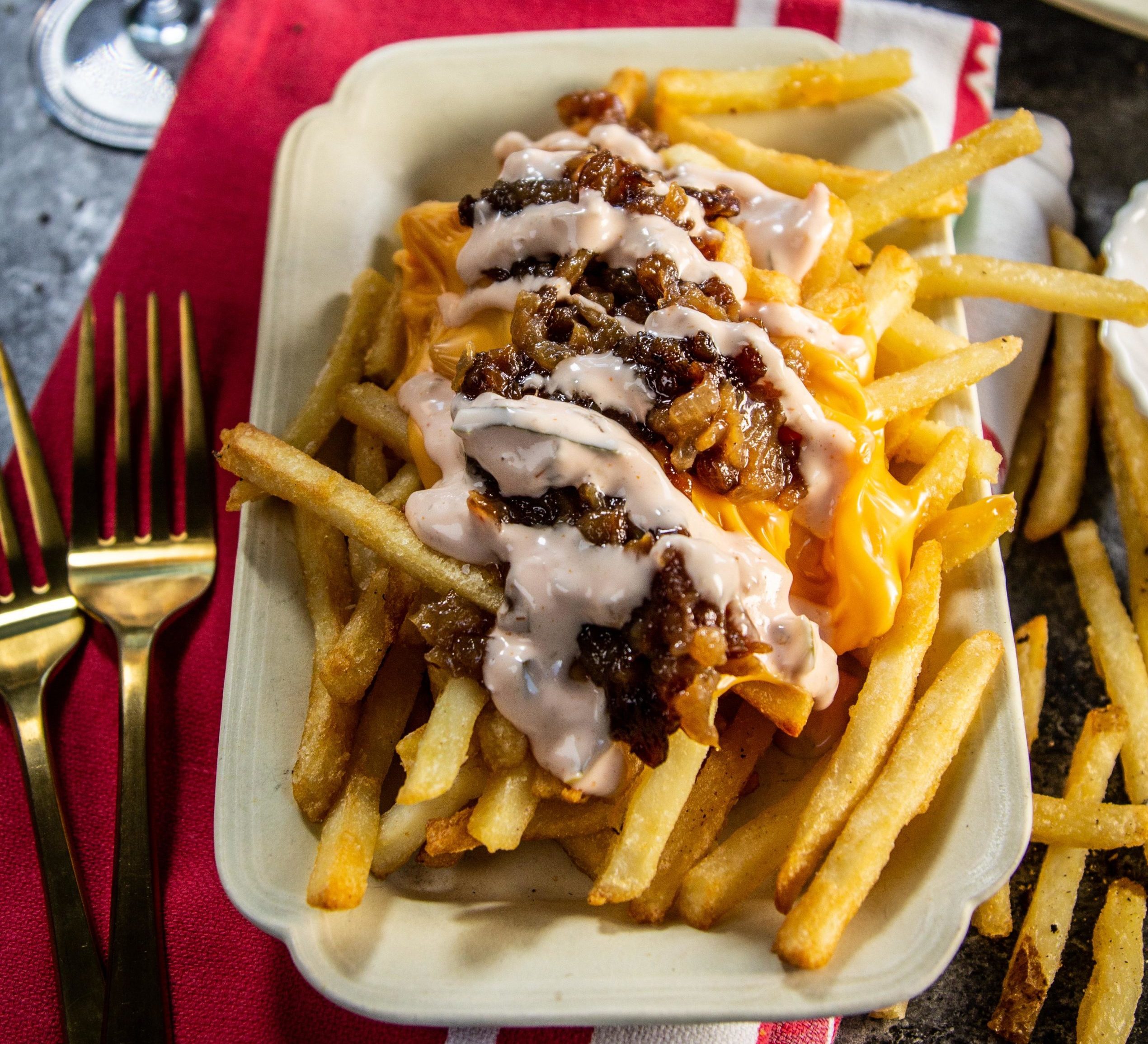
Despite its reputation for healthy eating, California is also home to some iconic contributions to American fast food. Chief among these is In-N-Out Burger, a beloved institution with a cult following. Known for its simple menu of burgers, fries, and shakes, made with fresh, never-frozen ingredients, In-N-Out Burger embodies a certain Californian casualness and commitment to quality. Its “secret menu” items, like “Animal Style” burgers and fries, have become part of pop culture, drawing tourists to experience this quintessential Southern California attraction. Beyond In-N-Out Burger, the state has been a birthplace for numerous fast-casual concepts that prioritize fresh, customizable options, reflecting the broader health-conscious lifestyle.
Sourdough Bread: A San Francisco Legacy
When thinking of San Francisco food, sourdough bread immediately comes to mind. The city’s unique microclimate, with its cool, foggy air, is believed to be perfect for cultivating the specific wild yeasts and bacteria that give San Francisco sourdough its distinctively tangy flavor and chewy texture. Bakeries around Fisherman’s Wharf and Ghirardelli Square have been perfecting this craft for over a century, offering crusty loaves, sourdough bowls filled with clam chowder, and a variety of baked goods. Iconic establishments like Boudin Bakery have made it a tourist attraction, but many smaller, artisanal bakeries like Tartine Bakery continue to innovate and celebrate this timeless staple, proving that even simple bread can be a destination in itself.
Avocado Everything: California’s Green Gold
California is synonymous with avocados, and it’s no exaggeration to say they are a ubiquitous ingredient across the state. From creamy guacamole to the ever-popular avocado toast, avocados feature in everything from salads and sandwiches to smoothies. This rich, healthy fruit embodies the state’s emphasis on fresh, wholesome ingredients and its embrace of a vibrant, health-conscious lifestyle. Many cafes and restaurants boast their own unique take on avocado-centric dishes, making it a delicious and nutritious part of any Californian culinary journey.
Exploring California’s Food Regions
California’s vastness means that its food scene isn’t monolithic; rather, it’s a collection of distinct regional culinary identities, each offering unique flavors and experiences.
Napa Valley and Sonoma County: Wine and Gourmet Dining
No discussion of California food would be complete without highlighting Napa Valley and Sonoma County. These world-renowned wine regions are also epicentres of gourmet dining. Home to numerous Michelin-starred restaurants, including The French Laundry by Chef Thomas Keller in Yountville, these valleys offer an unparalleled luxury travel experience centered around food and wine. Wineries often host their own restaurants, offering exquisite food and wine pairings, while charming towns boast artisanal cheese shops, bakeries, and farmers’ markets. Culinary tours and cooking classes are popular activities, allowing visitors to delve deeper into the region’s produce-driven cuisine and learn about sustainable practices.
San Francisco Bay Area: Culinary Innovation and Diversity
The San Francisco Bay Area is a dynamic hub of culinary innovation and diversity. Beyond sourdough and cioppino, the city is a haven for foodies, offering everything from cutting-edge fine dining to authentic ethnic eateries. Neighborhoods like the Mission District are famous for their vibrant street food and Latin American flavors, while Chinatown offers a taste of traditional Chinese cuisine. The ferry Building Marketplace is a popular attraction, featuring artisanal food vendors, local produce, and gourmet shops. The San Francisco Bay Area’s commitment to local, organic, and sustainable ingredients continues to drive its culinary evolution, making it a key destination for food tourism.
Southern California: Casual, Trendy, and International Flavors
Southern California, particularly Los Angeles, boasts an incredibly vast and diverse food scene. From celebrity chef restaurants in Hollywood and Beverly Hills to the endless array of food trucks serving tacos, Korean BBQ, and gourmet grilled cheese, Los Angeles truly has it all. Areas like Santa Monica and Venice Beach offer trendy cafes and health-conscious eateries, reflecting the region’s laid-back, active lifestyle. San Diego is famous for its Baja-style Mexican food and thriving craft beer scene, with neighborhoods like Little Italy also providing excellent culinary options. Orange County, often visited for attractions like Disneyland Resort, also offers an impressive range of dining, from upscale coastal restaurants to diverse ethnic enclaves. The Grand Central Market in downtown Los Angeles is another must-visit, offering a curated selection of diverse food stalls. The sheer breadth of options here caters to every budget and preference, making it a fantastic destination for family trips and diverse culinary exploration.
Central Coast and Beyond: Rustic Charm and Abundant Produce
The Central Coast region, stretching from Santa Barbara to Monterey Bay and up towards Carmel-by-the-Sea, offers a more relaxed yet equally delicious culinary experience. This area is known for its incredible produce, fresh seafood, and burgeoning wine regions like Paso Robles. Visitors can enjoy farm-fresh meals, olive oil tastings, and artisanal cheeses. Further north, regions like Mendocino are celebrated for their boutique wineries and commitment to sustainable agriculture, offering unique travel experiences away from the major urban centers. These areas provide a glimpse into California’s rustic charm and its deep connection to the land.
The Californian Lifestyle: Food as Culture
In California, food is more than just sustenance; it’s an integral part of the lifestyle, reflecting broader values of health, sustainability, community, and innovation.
Farmers’ Markets and Sustainable Practices
Farmers’ markets are a cornerstone of Californian food culture. Nearly every town and city hosts at least one weekly market, providing direct access to fresh, seasonal, and often organic produce, artisanal goods, and prepared foods. These markets are vibrant community hubs, where locals and tourists can connect with farmers, taste regional specialties, and embrace the state’s commitment to sustainable and ethical food production. The emphasis on locally sourced ingredients not only supports local economies but also reduces the carbon footprint, aligning with California’s progressive environmental values. Many guides to California tourism highlight these markets as essential local culture experiences.
Celebrity Chefs and the Restaurant Scene
California continues to attract and nurture world-class chefs who push culinary boundaries. From the pioneering efforts of Alice Waters to the innovative techniques of Thomas Keller and a new generation of culinary stars, the state’s restaurant scene is a dynamic landscape of creativity. Whether it’s a Michelin-starred restaurant offering an exquisite tasting menu or a trendy bistro perfecting a new fusion dish, California’s dining establishments offer a vast spectrum of experiences. This vibrant culinary scene is a major draw for tourism, with many travelers planning itineraries around specific restaurants or chefs, contributing to the state’s image as a luxury travel destination for food enthusiasts.

Food Festivals and Events
Throughout the year, California celebrates its agricultural bounty and diverse culinary traditions through numerous food festivals and events. These range from large-scale gatherings like the Garlic Festival in Gilroy or the Artichoke Festival in Castroville, which celebrate specific crops, to wine and food festivals held across the state’s various wine regions. There are also street food fairs, beer festivals, and cultural celebrations that showcase different ethnic cuisines. These events offer fantastic opportunities for visitors to immerse themselves in local food culture, sample a wide variety of dishes, and participate in lively community activities. They are excellent tips for anyone looking to truly experience the depth of California’s food scene.
In conclusion, what California is known for food-wise is not a single dish, but rather a philosophy and an evolving tapestry of flavors. It’s a state that champions freshness, diversity, and innovation, where every meal can be an exploration of its rich history, abundant resources, and forward-thinking lifestyle. From its iconic fast food to its world-class fine dining, and from its Mexican and Asian influences to its thriving farm-to-table movement, California offers a culinary journey as diverse and captivating as the Golden State itself. When you visit, be sure to embark on a gastronomic adventure – it’s an essential part of the Californian experience.
LifeOutOfTheBox is a participant in the Amazon Services LLC Associates Program, an affiliate advertising program designed to provide a means for sites to earn advertising fees by advertising and linking to Amazon.com. Amazon, the Amazon logo, AmazonSupply, and the AmazonSupply logo are trademarks of Amazon.com, Inc. or its affiliates. As an Amazon Associate we earn affiliate commissions from qualifying purchases.