
California, a land synonymous with dreams, innovation, and breathtaking landscapes, consistently ranks among the most coveted travel destinations in the United States. From the sun-kissed beaches of Southern California to the majestic redwoods of the north, and from the vibrant urban pulse of Los Angeles and San Francisco to the serene vineyards of Napa Valley and the pristine wilderness of Yosemite National Park, the Golden State offers an unparalleled array of experiences for every type of traveler. However, beyond the glamour and natural beauty, California is also known for its progressive labor laws, including a minimum wage that significantly surpasses the federal standard. For travelers, businesses, and indeed, anyone with an interest in the Golden State’s dynamic economy and lifestyle, understanding the nuances of California’s minimum wage is crucial. It directly impacts everything from the cost of your morning coffee in Beverly Hills to the price of a night’s stay in a San Diego resort, and fundamentally shapes the lives of the millions who power California’s thriving tourism and hospitality industries.

Understanding California’s Minimum Wage Landscape
California has long been at the forefront of advocating for higher wages, reflecting a commitment to ensuring workers earn a fair living in a state known for its high cost of living. The state’s minimum wage policies are designed to provide a baseline income that aims to support individuals and families, even if they sometimes fall short of what many consider a true “living wage” in expensive urban centers. This progressive stance is deeply rooted in the state’s socio-economic values, aiming to address income inequality and provide greater economic stability for its diverse workforce.
The Statewide Minimum Wage
As of the latest adjustments, the statewide minimum wage in California stands notably higher than the federal minimum wage. This figure applies to most employees across the state, regardless of the size of their employer. The California Department of Industrial Relations periodically updates these figures, often with annual increases pre-determined by legislative mandates. These regular increases are part of a long-term plan enacted by the California Legislature to gradually raise the minimum wage to a more sustainable level, particularly in response to the escalating cost of living across the state. For instance, workers in hotels, restaurants, retail shops, and tour operations in places like Anaheim, home to the famous Disneyland Resort, or the bustling streets of Santa Monica, benefit directly from these statewide regulations. It’s a foundational element that underpins the labor economics of this popular tourist destination, ensuring that the individuals serving visitors have a stronger financial footing.
Local Minimum Wage Ordinances: The “Super Minimum Wage” Effect
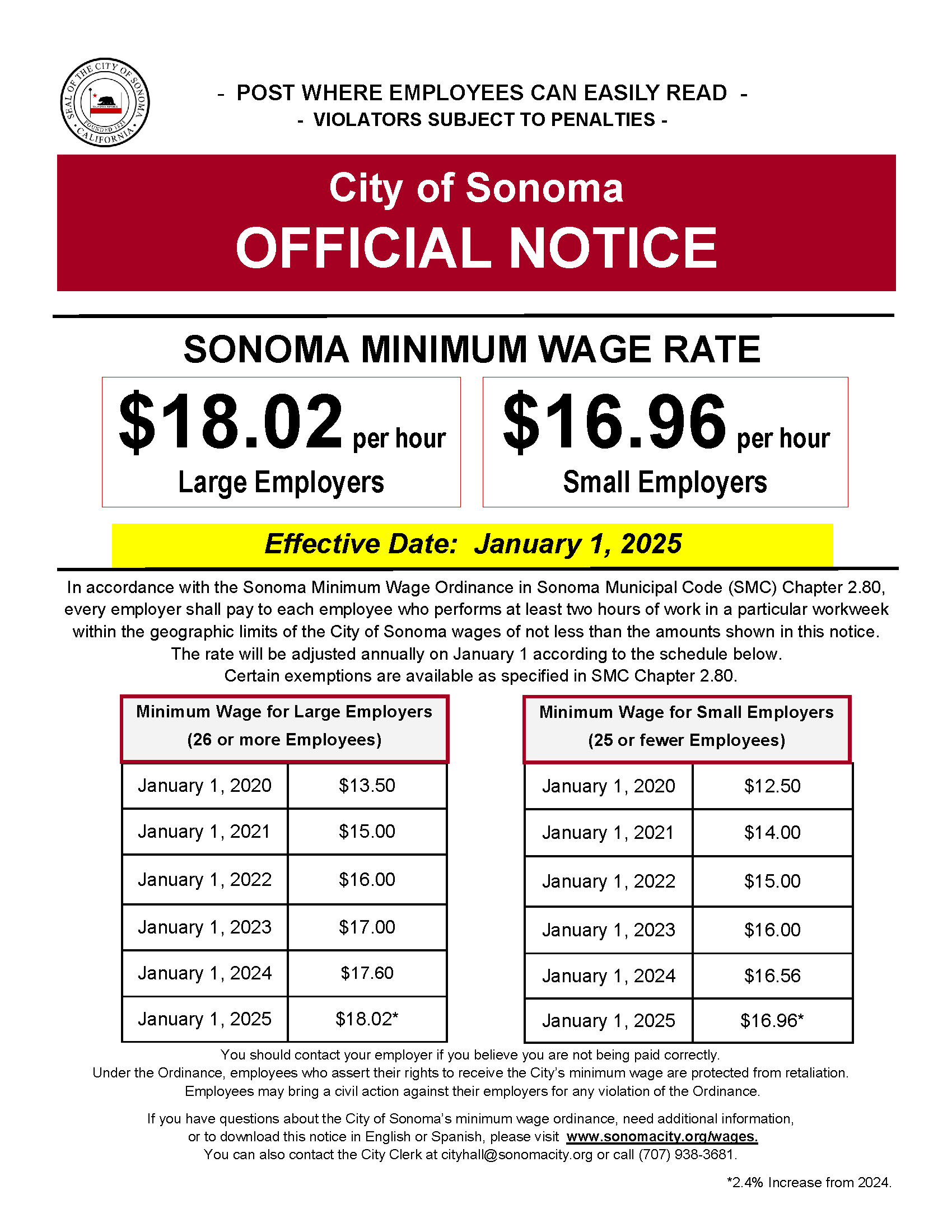
What makes California’s minimum wage landscape particularly intricate and influential is the existence of numerous local minimum wage ordinances. Many cities and counties across the state have established their own minimum wages that are even higher than the statewide rate. This phenomenon, often dubbed the “super minimum wage,” is especially prevalent in areas with a high cost of living, which, not coincidentally, are often major tourist hubs.
For example, cities like San Francisco, Los Angeles, San Jose, and Oakland have minimum wage rates that can be several dollars an hour higher than the state minimum. This impacts a vast array of jobs, from the concierge at a luxury hotel in Beverly Hills to the barista at a quaint café in Fisherman’s Wharf in San Francisco. These local ordinances are a direct response to the economic realities faced by residents in these expensive areas, aiming to provide a more realistic income floor. The rationale often includes retaining local talent and ensuring that workers can afford to live in the communities where they are employed, which is a significant challenge in the San Francisco Bay Area and the Greater Los Angeles region. Travelers planning their budget for a trip to California should be aware that the cost of services, especially those reliant on labor, may reflect these localized wage differences. A gourmet meal in downtown San Francisco or a guided tour of Hollywood’s iconic sites will naturally factor in these higher operational costs for businesses operating within these jurisdictions.
The Impact on California’s Travel & Tourism Sector
The minimum wage policies in California have a profound and multifaceted impact on its world-renowned travel and tourism industry. This sector, which employs millions, from hotel staff and restaurant workers to tour guides and entertainment venue personnel, directly feels the effects of wage legislation. The interplay between labor costs and market prices is a constant balancing act for businesses in this highly competitive environment.
For Hospitality Businesses and Employers
For hotels, resorts, restaurants, and attractions, higher minimum wages translate directly into increased labor costs. Businesses, particularly small and medium-sized enterprises, must adapt their financial models to accommodate these expenses. This often involves strategic decisions regarding pricing, operational efficiency, and investment in technology to streamline services. A luxury resort in Laguna Beach or a boutique hotel in Palm Springs may see their staffing costs rise, which can influence room rates, resort fees, service charges, or the overall pricing of amenities and experiences. Similarly, a popular restaurant in West Hollywood might adjust menu prices to maintain profitability while ensuring fair compensation for its kitchen and front-of-house staff. While challenging for some businesses, many view these policies as crucial for employee retention and satisfaction, leading to a more stable and experienced workforce that ultimately enhances the visitor experience. Businesses often invest more in training and benefits to reduce turnover, ensuring that guests consistently receive high-quality service from a dedicated team.
For Travelers and Tourists: Budgeting for the Golden State
Understanding California’s minimum wage can help travelers better anticipate and budget for their trips. The higher wages contribute to a generally higher cost of living and doing business, which in turn can lead to higher prices for goods and services compared to states with lower minimum wages. This doesn’t mean California is unaffordable, but rather that informed planning is key to enjoying its splendors without financial surprises.
- Accommodation: From the lavish suites of a Grand Hyatt Hotel in San Francisco to cozy apartments in Santa Cruz, hotel rates in California often reflect the underlying labor costs. Travelers might find that mid-range hotels in major cities are priced similarly to upscale options in other parts of the country. Budget-conscious travelers might consider staying slightly outside major city centers or opting for alternative accommodations like hostels or vacation rentals, although even these can be pricier than elsewhere. For example, a renowned Santa Barbara resort will factor its staffing costs into its nightly rates, contributing to the premium experience it offers.
- Dining and Food: California is a culinary paradise, but dining out can be an expensive affair. The wages for chefs, servers, and kitchen staff are factored into menu prices. Expect to pay more for meals, especially in high-wage cities like San Francisco, Los Angeles, or San Diego. Exploring local markets or preparing some meals in accommodations with kitchenettes can be a great way to save money and immerse yourself in local food culture.
- Activities and Attractions: Entrance fees to theme parks like Universal Studios Hollywood, museums, and guided tours often include the operational costs associated with higher wages for their staff. While the quality of service is often exceptional, it comes at a premium. Budgeting for these experiences, from exploring the Golden Gate Bridge to venturing into Joshua Tree National Park, is essential for a stress-free trip.
Lifestyle and Socio-Economic Implications for Workers
Beyond the economic impact on businesses and travelers, California’s minimum wage policies have significant lifestyle and socio-economic implications for the individuals who reside and work in the state, particularly those in the service industry that caters to tourism. These policies are central to the state’s vision of social equity and economic fairness.
Enhancing Worker Livelihoods and Quality of Life
A higher minimum wage is fundamentally intended to improve the quality of life for low-wage workers. In a state where housing costs can be astronomical, particularly in urban areas and popular tourist destinations, a stronger wage floor helps individuals meet basic needs. For hotel housekeepers, restaurant staff, retail associates, and theme park employees, this means a greater ability to afford rent, groceries, transportation, and healthcare. This can lead to reduced financial stress, improved morale, and a more stable workforce, all of which indirectly contribute to a better experience for visitors. When service industry professionals feel valued and are able to sustain themselves, their engagement and dedication often translate into higher quality service, enhancing the overall tourist experience across the state, from the iconic Golden Gate Bridge to the rugged beauty of Death Valley National Park. These economic ripple effects extend into local communities, as workers are more likely to spend their earnings locally, supporting small businesses and contributing to community stability.
Challenges and the Quest for a “Living Wage”
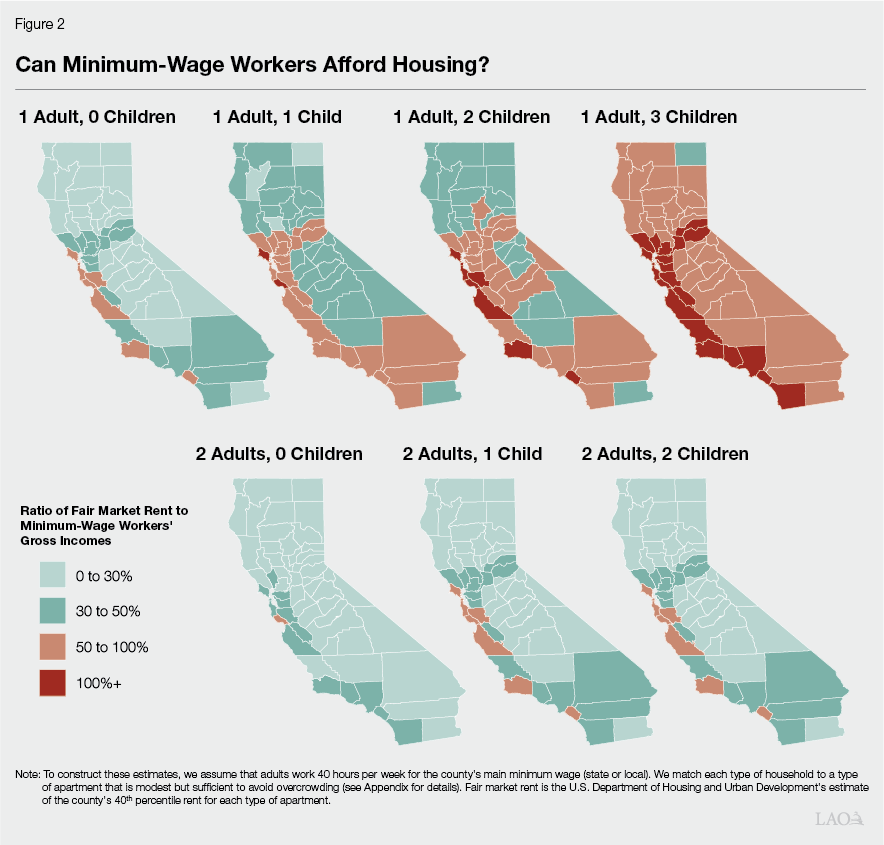
Despite California’s relatively high minimum wage, the debate over a true “living wage” continues. A living wage is typically defined as the income needed to afford basic necessities like housing, food, healthcare, and transportation without public assistance. In many parts of the state, especially the Greater Los Angeles area, Silicon Valley, and the San Francisco Bay Area, the cost of housing and other necessities far outpaces even the elevated minimum wage. This disparity often forces workers to commute long distances, share housing, or take on multiple jobs, impacting their lifestyle and work-life balance. For example, someone working at a hotel in downtown San Francisco might live in a more affordable community further inland, spending hours commuting. This ongoing challenge highlights the complex economic dynamics at play and the continuous efforts to balance business viability with worker well-being in a highly desirable, yet expensive, state. Policy discussions regularly revolve around whether current minimum wage trajectories are sufficient to bridge the gap towards a sustainable living wage for all California residents.
Navigating California: Tips for Travelers
For those planning to explore the wonders of California, understanding the economic landscape, including the minimum wage, can lead to a more informed and enjoyable trip. By anticipating potential cost differences, visitors can plan more effectively and experience the Golden State to its fullest.
Smart Budgeting and Planning
- Research Local Costs: Before you arrive, research the average costs of hotels, meals, and attractions in the specific California cities you plan to visit. Websites like this one, offering guides and insights into destinations, accommodations, and local culture, can be invaluable resources for pre-trip planning.
- Consider Off-Peak Travel: Traveling during the shoulder seasons (spring or fall) or off-peak times can often lead to lower prices for flights and accommodations, helping mitigate some of the higher costs associated with peak demand and operational expenses.
- Explore Diverse Accommodation Options: While luxury resorts are abundant, California also offers a wide range of hotels, suites, apartments, and villas. Look for deals, consider booking in advance, or explore options slightly outside the most tourist-heavy areas. For example, staying in Oakland can be more affordable than San Francisco, with easy public transport access to attractions.
- Embrace Local Experiences: Beyond high-end dining, seek out local food trucks, farmers’ markets, and casual eateries for delicious and often more affordable culinary experiences. Many of California’s most iconic landmarks, like the Golden Gate Bridge or the stunning coastal drives along Big Sur, offer free or low-cost access, allowing you to immerse yourself in the state’s natural beauty without breaking the bank.
- Factor in Service Charges/Tips: While a higher minimum wage may reduce the reliance on tips for some workers, tipping remains customary for excellent service in many sectors, especially hospitality and dining. Budget accordingly to show appreciation for quality service.
Supporting the Local Economy
When you travel to California, your spending contributes directly to its vibrant economy, supporting the very workers whose livelihoods are impacted by these wage policies. Choosing to stay at a well-run hotel, dine at local restaurants, and engage with reputable tour operators helps sustain the ecosystem that makes California such an incredible place to visit. It’s a holistic view of travel, where understanding local economic conditions enriches the experience and ensures that your visit positively impacts the communities you explore. From the bustling streets of Sacramento, the state capital, to the serene shores of Lake Tahoe and the vast agricultural expanses of the Central Valley, every corner of California is touched by these economic considerations. Your conscious choices as a traveler can play a role in fostering a sustainable and equitable tourism industry.
Conclusion
The minimum wage in California is more than just a number; it’s a dynamic economic factor that shapes the fabric of the state, particularly its sprawling and essential travel and tourism industry. From influencing the operational costs for hotels and attractions to directly affecting the quality of life for millions of service industry professionals, its impact is undeniable. For visitors, a clear understanding of California’s wage landscape provides valuable context for budgeting and appreciating the true costs associated with experiencing this magnificent state. By setting higher standards, California strives to balance its economic prosperity with social equity, ensuring that those who make the Golden State shine for tourists and residents alike can share in its bounty. Whether you’re planning a luxury escape, a budget-friendly adventure, a family trip, or a business stay, acknowledging these economic realities enhances your journey through one of the world’s most captivating destinations, offering a richer understanding of the culture and communities you encounter.
LifeOutOfTheBox is a participant in the Amazon Services LLC Associates Program, an affiliate advertising program designed to provide a means for sites to earn advertising fees by advertising and linking to Amazon.com. Amazon, the Amazon logo, AmazonSupply, and the AmazonSupply logo are trademarks of Amazon.com, Inc. or its affiliates. As an Amazon Associate we earn affiliate commissions from qualifying purchases.