
The moniker “The Windy City” is synonymous with Chicago, conjuring images of blustery streets, towering skyscrapers battling fierce gusts, and perhaps even a sense of resilience in the face of nature’s elements. For anyone planning a trip to this vibrant Midwestern metropolis, understanding the origin of its famous nickname is a fascinating journey that delves into history, urban legend, and even a touch of inter-city rivalry. Is it purely a meteorological observation, or does the nickname carry a deeper, more historical significance? As a premier travel destination, Chicago offers much more than just a stiff breeze, yet the “Windy City” label remains an indelible part of its identity, often overshadowing its rich culture, stunning architecture, and world-class attractions. Let’s explore the true story behind this enduring epithet and uncover what makes Chicago an unforgettable place to visit.
Dispelling the Myth: It’s Not Just About the Wind
For many, the assumption is simple: Chicago is called the Windy City because it’s exceptionally windy. While the city certainly experiences its share of brisk breezes, especially coming off Lake Michigan, meteorological data suggests this common belief is largely a myth. In fact, several other major United States cities regularly record higher average wind speeds than Chicago. The true origin is far more intriguing, rooted in the city’s ambition, rivalries, and a spirited public relations battle that unfolded more than a century ago.
The Meteorological Angle: A Breezy City, But Not Uniquely So
There’s no denying that Chicago can be windy. Its location on the southwestern shore of enormous Lake Michigan plays a significant role. The lake acts as a vast, unobstructed expanse, allowing winds to pick up speed across its surface before sweeping into the city. Furthermore, Chicago’s dense urban landscape, characterized by its iconic skyscrapers, creates what’s known as the “urban canyon effect.” Wind is channeled between tall buildings, accelerating and swirling at street level, making it feel even windier for pedestrians. This effect is particularly noticeable in areas like the Loop and along the Magnificent Mile.
However, scientific studies and average wind speed rankings consistently show that cities like Boston, Oklahoma City, St. Louis, and even some coastal cities often surpass Chicago in terms of average wind speed. So, while the city’s meteorological conditions contribute to its breezy reputation, they don’t fully explain why this particular nickname stuck with Chicago above all others. This disparity between perception and reality is the first clue that the nickname has origins beyond simple weather patterns, hinting at a more complex, human-driven narrative.
The Historical Consensus: A Political and Sporting Origin
The most widely accepted and historically supported theory points to the nickname’s roots in late 19th-century journalism and inter-city rivalries, specifically involving New York City. Far from being a meteorological descriptor, “windy” was often used to imply boastfulness, empty talk, or inflated rhetoric, particularly in political and sporting contexts.
One prominent theory attributes the popularization of the term to Charles Dana, editor of the New York Sun. In the 1890s, Chicago was aggressively vying with New York City to host the World’s Columbian Exposition of 1893. As part of this intense competition, Dana reportedly used “windy city” in his newspaper to mock Chicago’s residents and politicians for their perceived “windbag” nature—their grand, boastful claims and the fervent lobbying efforts to secure the prestigious fair. This political “wind” was seen as characteristic of Chicago’s ambitious and rapidly developing persona.
Beyond politics, the term also found its way into the nascent world of professional sports. Early baseball teams, such as the Chicago White Stockings (forerunners of the modern Chicago Cubs), were occasionally referred to as “windy” to suggest their players were full of hot air or prone to boasting. The combination of these political and sporting connotations solidified the nickname, transforming what might have been a fleeting journalistic slight into an enduring identifier. It was less about the literal wind blowing through its streets and more about the “wind” emanating from its ambitious, and sometimes self-aggrandizing, populace.
The New York Rivalry and the Columbian Exposition
The late 19th century was a period of immense growth and transformation for United States cities. Chicago, having rebuilt itself with astonishing speed after the Great Chicago Fire of 1871, emerged as a symbol of American resilience and industrial might. This rapid ascendancy, however, ruffled feathers among the established East Coast metropolises, particularly New York City, which considered itself the undisputed cultural and economic capital of the nation. The competition to host the World’s Columbian Exposition became a flashpoint for this rivalry, where the “Windy City” nickname found its footing.
The New York Sun and Charles Dana’s Influence
The role of the media in shaping public perception was as powerful then as it is now. Charles Dana, the influential editor of the New York Sun, was a key figure in propagating the “Windy City” label. In a time when newspaper readership was booming, and inter-city news often carried a strong competitive edge, Dana’s words carried significant weight. He was known for his sharp wit and willingness to take jabs at rival cities.
His famous remark, “Don’t pay any attention to the nonsensical claims of that windy city. It was not built that way,” is often cited as the definitive moment. While the exact phrasing and date of this quote are debated among historians, the sentiment behind it is clear: Dana was dismissive of Chicago’s aspirations and the bombastic rhetoric of its proponents. He characterized Chicagoans as full of “wind”—boastful and long-winded in their arguments—rather than genuinely significant or substantial. This negative portrayal was intended to diminish Chicago’s standing and bolster New York City’s claim to host the World’s Fair. Ironically, the very insult helped cement the nickname in the national consciousness, turning a derogatory term into an emblem of Chicago’s spirited character.
The Battle for the World’s Fair
The World’s Columbian Exposition, celebrating the 400th anniversary of Christopher Columbus’s arrival in the Americas, was much more than just a fair. It was a grand spectacle designed to showcase technological innovation, artistic achievement, and industrial prowess. Securing the exposition was a matter of immense prestige, promising economic boons, international recognition, and a boost to a city’s status on the global stage. Both Chicago and New York City, along with Washington D.C. and St. Louis, aggressively lobbied for the honor.
Chicago’s bid was relentless and audacious. Its civic leaders, politicians, and business magnates poured immense resources into convincing the selection committee that their rapidly expanding Midwestern hub was the ideal host. They emphasized Chicago’s’s central location, its burgeoning railway network, and its remarkable recovery from the devastating fire—a testament to its indomitable spirit. This fervent campaign, marked by passionate speeches and persuasive arguments, was precisely what Dana characterized as “windy.”
Ultimately, Chicago won the bid, a monumental victory that solidified its position as a major North American city. The World’s Columbian Exposition, famously known as the “White City,” transformed Jackson Park into a stunning temporary metropolis of neoclassical buildings, attracting millions of visitors and showcasing Chicago’s incredible capacity for vision and execution. Despite the initial derogatory intent, the “Windy City” nickname became inextricably linked with this era of ambitious expansion and spirited triumph, evolving from an insult into a badge of honor for many Chicagoans.

Beyond the Breeze: Chicago’s Enduring Spirit
While the origin of the “Windy City” nickname is rooted in historical rivalries and journalistic barbs, the city of Chicago itself has long since transcended any single label. Today, it stands as a global beacon of innovation, culture, and urban planning. Its dynamic spirit, which perhaps prompted the original “windy” accusations, continues to define it as a destination that never ceases to impress and inspire travelers from around the world. From its architectural grandeur to its culinary delights and vibrant arts scene, Chicago offers an experience as rich and diverse as the people who call it home.
A City of Architectural Marvels and Cultural Richness
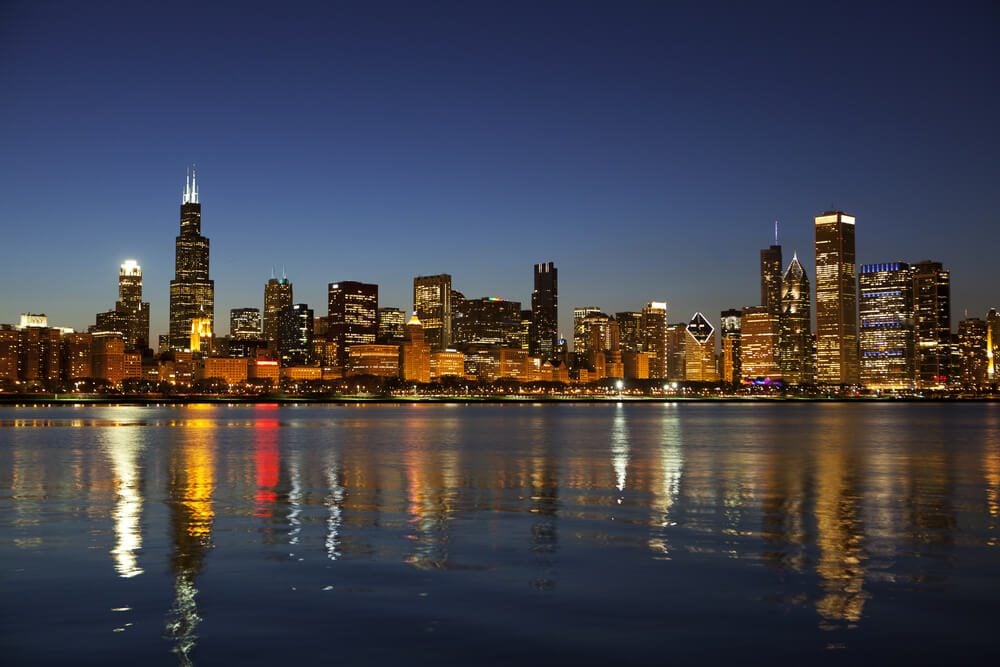
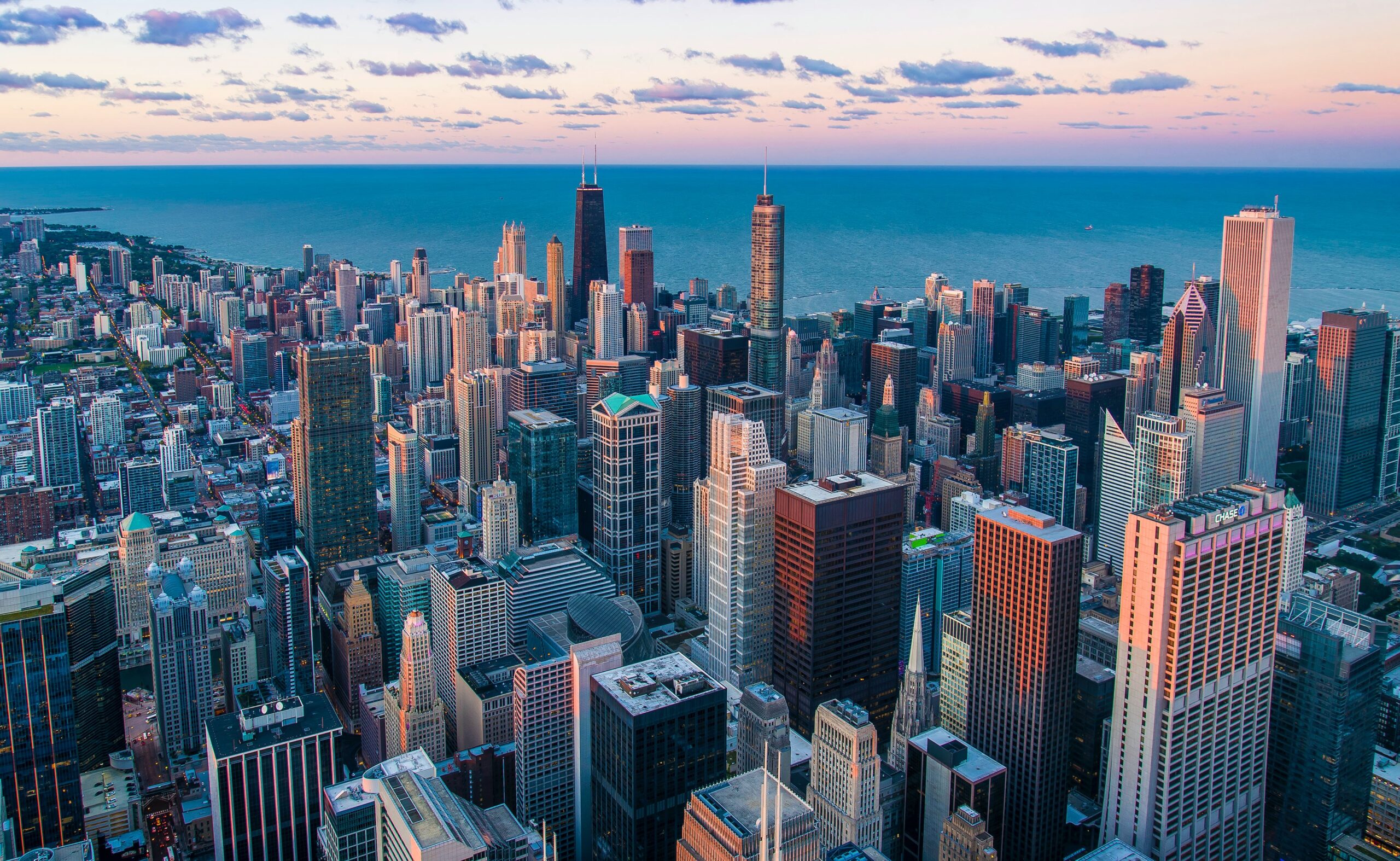
Chicago’s’s skyline is instantly recognizable, a testament to its pivotal role in the development of modern architecture. The city became a crucible for innovative building techniques after the Great Chicago Fire, giving rise to the skyscraper. Today, iconic structures like the Willis Tower (formerly the Sears Tower), one of the tallest buildings in the Western Hemisphere, and the sleek lines of the John Hancock Center (now 875 North Michigan Avenue) punctuate the horizon. Architectural boat tours on the Chicago River are a must-do experience, offering unparalleled views and insightful commentary on the city’s built environment.
Beyond its impressive facades, Chicago is a cultural powerhouse. Millennium Park hosts the famous Cloud Gate sculpture (affectionately known as “The Bean”), a reflective masterpiece that draws visitors year-round. Adjacent to it, Grant Park, often called “Chicago’s front yard,” is home to the stunning Buckingham Fountain and hosts numerous festivals. The city boasts world-class museums such as the Art Institute of Chicago, the Field Museum (natural history), the Shedd Aquarium, and the Adler Planetarium, all conveniently located within the Museum Campus.
Chicago’s’s cultural fabric is also woven with the soulful sounds of jazz and blues, thriving in legendary clubs throughout the city. Its theater scene is robust, from grand Broadway productions to innovative storefront stages. And, of course, no visit to Chicago is complete without indulging in its famed deep-dish pizza, a culinary institution that fuels both locals and tourists alike. Whether it’s the art, the music, the food, or the lively neighborhoods, Chicago’s cultural richness is as deep as its history.
Planning Your Chicago Experience: Travel Tips and Accommodation
For travelers captivated by Chicago’s allure, planning your visit offers a wealth of options. The city is easily accessible, served by two major airports, O’Hare International Airport and Midway International Airport, with excellent public transport links to the city center. The best time to visit depends on your preferences: summer (June to August) is vibrant with festivals and outdoor activities, but also brings warmer temperatures and larger crowds. Spring and fall offer milder weather, beautiful foliage, and a slightly less intense tourist experience. Even winter, with its festive holiday spirit and fewer tourists, has its own charm, though packing warm layers is essential.
Accommodation in Chicago caters to every taste and budget. Luxury travelers can choose from opulent hotels like The Peninsula Chicago, Four Seasons Hotel Chicago, or the Langham Chicago, offering impeccable service and stunning views, often found along North Michigan Avenue or in the Loop. For those seeking boutique charm, neighborhoods like River North and the West Loop boast stylish options. Budget-conscious travelers will find numerous hotels and apartment rentals throughout the city, with hostels also available. For longer stays or family trips, serviced apartments or vacation rentals offer the comforts of home, providing excellent value and flexibility.
Beyond sightseeing, Chicago offers a diverse array of experiences:
- Sports Enthusiasts: Catch a Chicago Cubs game at historic Wrigley Field, or a Chicago White Sox game on the South Side.
- Foodies: Explore diverse culinary scenes, from Michelin-starred restaurants to neighborhood eateries, and don’t forget the street food.
- Family Fun: Visit the Lincoln Park Zoo (free admission!), enjoy attractions at Navy Pier, or explore the interactive exhibits at the Museum of Science and Industry.
- Relaxation: Stroll along the lakefront trail, relax on a beach, or enjoy the tranquility of one of Chicago’s many parks.
Chicago continually reinvents itself, blending its rich history with a forward-looking vision. Its reputation as the “Windy City” is a testament not just to its breezes, but to the strong currents of ambition, innovation, and unwavering spirit that have shaped it into the magnificent destination it is today.
In conclusion, while Chicago can indeed be windy in a literal sense, the famous nickname “The Windy City” is a historical artifact. It’s a reminder of a bygone era of fierce inter-city competition, a jab from a New York newspaper editor that, ironically, became an enduring symbol of Chicago’s’s bold and unyielding character. Today, this captivating city welcomes travelers to explore its architectural wonders, immerse themselves in its vibrant culture, and experience the warmth and resilience of its people—a spirit that, far from being just “windy,” is profoundly substantial and utterly unforgettable.
LifeOutOfTheBox is a participant in the Amazon Services LLC Associates Program, an affiliate advertising program designed to provide a means for sites to earn advertising fees by advertising and linking to Amazon.com. Amazon, the Amazon logo, AmazonSupply, and the AmazonSupply logo are trademarks of Amazon.com, Inc. or its affiliates. As an Amazon Associate we earn affiliate commissions from qualifying purchases.