
Navigating the vast urban tapestry of Los Angeles, California, often begins with understanding its foundational elements, and for any traveler, new resident, or business, knowing the local area codes is surprisingly essential. It’s more than just a sequence of numbers; it’s a geographic identifier, a cultural marker, and a crucial piece of information for planning your stay, connecting with locals, or simply appreciating the sheer scale of the City of Angels. Unlike many cities that might boast a single, iconic area code, Los Angeles is a sprawling metropolis that encompasses multiple codes, reflecting its immense size and diverse regions. For those asking “What is the area code of Los Angeles, California?” the answer isn’t singular but rather a fascinating network of numbers that delineate distinct districts, from the bustling heart of Downtown LA to the sun-kissed shores of Santa Monica and the star-studded streets of Hollywood. This guide will delve into the various area codes that serve the greater Los Angeles area, exploring their significance for travel, accommodation, tourism, and lifestyle choices, ensuring you’re well-equipped to experience this dynamic destination to its fullest.

Understanding Los Angeles’s Area Codes: A Traveler’s Essential Guide
The question “What is the area code of Los Angeles, California?” is multifaceted, as the region is served by a complex system of multiple area codes, many of which operate as overlays. This means that a single geographic region might be served by two or more area codes, requiring callers to dial all ten digits (area code + seven-digit number) even for local calls. This system was implemented to address the burgeoning demand for telephone numbers in one of the world’s largest urban areas. For visitors, understanding this intricate web is more than just a matter of making phone calls; it offers a deeper insight into the city’s geography and helps in planning everything from hotel bookings to sightseeing itineraries.
The Core Area Codes of the City of Angels
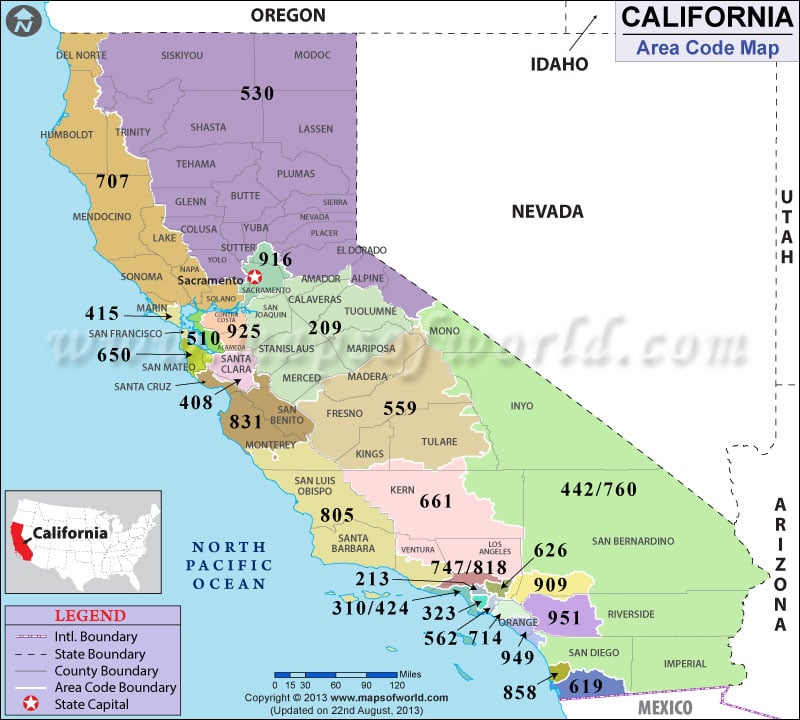
The primary area codes directly associated with the city of Los Angeles and its immediate surroundings are several, each covering distinct and often overlapping territories. The original area code for much of Los Angeles was 213, which today primarily covers Downtown LA and some adjacent central neighborhoods. As the city grew, the 323 area code was introduced as an overlay to 213, extending its reach to areas like Hollywood, Mid-Wilshire, and East Los Angeles. This means that in these central regions, you’ll encounter phone numbers with either a 213 or 323 prefix.
To the west, encompassing the famed Westside, including Beverly Hills, Santa Monica, Malibu, and parts of the South Bay, you’ll find the 310 area code. Due to rapid population growth and mobile phone proliferation, the 424 area code was implemented as an overlay for the entire 310 region, further expanding the pool of available numbers.
Heading into the San Fernando Valley, which includes major communities like Sherman Oaks, Burbank, and Woodland Hills, the dominant area code is 818. Similarly, to accommodate increased demand, the 747 area code was introduced as an overlay to the 818 service area.
Beyond these core Los Angeles area codes, adjacent regions that are still considered part of the greater LA experience also have their own codes. For instance, Long Beach and parts of southeastern Los Angeles County fall under 562. The San Gabriel Valley, home to cities like Pasadena and Alhambra, uses 626. Further north, parts of Los Angeles County that extend into the Antelope Valley (like Palmdale and Lancaster) are covered by 661. While not strictly within Los Angeles County, the neighboring Orange County uses 714 and 949, and the Inland Empire region to the east utilizes 909 and 951, all of which are frequently dialed from LA proper.
Why Multiple Area Codes Matter for Your LA Experience
For travelers and new residents, understanding the multiple area codes in Los Angeles offers practical benefits beyond simply knowing how to dial a phone number. Each area code often correlates with distinct neighborhoods and their unique characteristics, impacting your travel plans, accommodation choices, and overall lifestyle experience. For instance, if you receive a number with a 310 or 424 prefix, you can generally infer that the person or business is located on the wealthy and often celebrity-filled Westside, perhaps in Beverly Hills or Santa Monica. A 213 or 323 number points towards the central urban core of Downtown LA or the vibrant entertainment hub of Hollywood. This geographic insight can be invaluable for estimating travel times (which are notoriously long in LA), choosing a hotel close to your primary interests, or even understanding the context of local recommendations. It’s a subtle but effective way to orient yourself within this sprawling urban landscape and truly connect with the local culture and rhythm of life.
Navigating Los Angeles: Beyond the Dial Tone
The diversity of Los Angeles extends far beyond its phone lines, offering an unparalleled array of experiences for every type of traveler. From world-famous landmarks to hidden local gems, each distinct area, often identifiable by its area code, contributes to the rich tapestry of the LA lifestyle. Understanding these regional distinctions is key to maximizing your visit, whether you’re seeking luxury, adventure, culture, or relaxation.
Iconic Landmarks and Attractions by Area Code
The area codes of Los Angeles can serve as an informal map to its most celebrated attractions:
-
213 / 323 (Downtown LA & Hollywood): This central nexus is brimming with iconic sights. In Downtown LA, visitors can marvel at the architectural wonder of the Walt Disney Concert Hall, explore the historic Grand Central Market for diverse culinary delights, or catch a live event at the state-of-the-art Crypto.com Arena (formerly Staples Center). A short drive into the 323 zone transports you to Hollywood, where you can stroll along the Hollywood Walk of Fame, snap photos of the Hollywood Sign, and enjoy panoramic views of the city from the Griffith Observatory. This area is a prime destination for culture enthusiasts and those looking to immerse themselves in the glitz and glamour of the entertainment industry.
-
310 / 424 (Westside & South Bay): The coastal and affluent Westside offers a distinctly different vibe. Here, you can experience the quintessential Southern California beach life at the lively Santa Monica Pier and the eclectic boardwalk of Venice Beach. Art aficionados will be drawn to the magnificent Getty Center, renowned for its architecture, gardens, and vast art collection, along with breathtaking city views. For an indulgence in luxury retail and high fashion, a visit to Rodeo Drive in Beverly Hills is a must. This region epitomizes the luxurious and laid-back LA lifestyle, offering a blend of natural beauty and upscale amenities.

-
818 / 747 (San Fernando Valley): North of the Hollywood Hills, the San Fernando Valley is a hub for family entertainment and behind-the-scenes glimpses of movie magic. Universal Studios Hollywood offers thrilling rides and immersive experiences, while the Warner Bros. Studio Tour Hollywood provides an intimate look at film and television production. This area is perfect for families and movie buffs seeking an exciting and educational experience.
-
562 (Long Beach & Southeast LA): South of the main LA sprawl, Long Beach presents its own unique attractions. The Aquarium of the Pacific is a world-class institution dedicated to marine life, and a visit to the historic Queen Mary offers a fascinating journey back in time aboard a majestic ocean liner. These destinations offer engaging activities for all ages, highlighting the diverse natural and historical heritage of the wider Los Angeles region.
Accommodation and Lifestyle Across LA’s Zones
The choice of area code, or more broadly, the specific neighborhood you select for your accommodation, will significantly shape your Los Angeles experience. Each zone caters to different preferences and budgets, contributing to distinct lifestyle offerings.
For those seeking luxury travel and a high-end lifestyle, the 310 / 424 area is unparalleled. Here, you’ll find opulent resorts and boutique hotels in Beverly Hills like The Beverly Wilshire, A Four Seasons Hotel, or chic accommodations in West Hollywood known for their vibrant nightlife and culinary scenes. These areas offer exquisite dining, exclusive shopping, and a chance to experience the glamorous side of LA living.
In the 213 / 323 core, particularly Downtown LA, you’ll discover a burgeoning urban lifestyle with modern high-rise hotels like The Ritz-Carlton, Los Angeles, catering to business stays and those who appreciate cultural attractions and a bustling city atmosphere. Hollywood also offers a mix of historic hotels and trendy accommodations, perfect for tourists eager to be in the heart of the entertainment action.
For family trips, the 818 / 747 area of the San Fernando Valley is ideal, particularly for proximity to theme parks like Universal Studios Hollywood. Here, you’ll find numerous family-friendly hotels and resorts that offer amenities suited for children and easy access to major attractions without the intense traffic of central LA.
Those on a budget travel plan might look slightly outside the immediate central areas. While still within a reasonable commuting distance, cities in the San Gabriel Valley (area code 626) or parts of the South Bay (shared 310 / 424 or 562) often offer more affordable hotel rates, vacation rentals, and long-term stay options without compromising on access to public transport or key freeways. Exploring apartments and villas for a long-term stay can also be more cost-effective in these slightly further-flung but still convenient locations.
Planning Your Los Angeles Adventure: Essential Tips for Visitors
A successful trip to Los Angeles requires thoughtful planning, and understanding its geography, as hinted at by its area codes, plays a pivotal role. From securing the perfect place to stay to diving into the local culinary scene, being informed will enhance every aspect of your visit.
Booking Your Stay: Location, Location, Location
When it comes to accommodation, the adage “location, location, location” could not be more apt for Los Angeles. Your choice of neighborhood will dictate not just your immediate surroundings but also your daily commute times to attractions.
If your primary interest lies in cultural institutions, museums, and vibrant nightlife, consider staying in Downtown LA (primarily 213 / 323). Hotels like the InterContinental Downtown Los Angeles offer stunning views and easy access to the Fashion District and Little Tokyo. For beach lovers and those seeking a relaxed, upscale vibe, Santa Monica or Venice (both 310 / 424) are excellent choices, offering resort-style amenities and beachfront access. Iconic hotels like the Fairmont Miramar Hotel & Bungalows provide luxurious experiences with ocean views. If you’re a film buff and want to experience the heart of show business, a hotel in Hollywood (also 323), such as the historic Hollywood Roosevelt Hotel, puts you steps away from the Walk of Fame.
When booking through platforms, always cross-reference the exact address with a map to understand its proximity to major freeways, public transport options like the Metro Rail, and your desired attractions. Reading reviews and doing comparison shopping across various neighborhood types can lead to significant savings and a more tailored experience. Whether you’re looking for hotel suites, spacious apartments for a long-term stay, or charming villas, LA’s diverse neighborhoods offer abundant choices.
Culinary Journeys and Local Culture
Los Angeles’s food scene is as diverse as its population and area codes, reflecting its rich tapestry of local culture. Each region boasts unique culinary experiences:
- In the 213 / 323 heartland, Downtown LA offers everything from gourmet dining at Michelin-starred restaurants to casual eats at the Grand Central Market and authentic international cuisine in Chinatown or Little Tokyo.
- The 310 / 424 region, particularly West Hollywood and Beverly Hills, is synonymous with trendy eateries, celebrity chef restaurants, and vibrant café culture. Beach cities like Santa Monica and Malibu offer exquisite seafood and farm-to-table dining with stunning ocean views.
- Journeying into the 626 area of the San Gabriel Valley, you’ll discover some of the most authentic and diverse Asian cuisine outside of Asia, particularly renowned for its Chinese, Vietnamese, and Taiwanese restaurants.
- Even the 818 / 747 San Fernando Valley offers a plethora of dining options, from classic American diners to a booming international food scene reflecting its diverse communities.
Engaging with the local food is a crucial part of tourism in Los Angeles, allowing you to taste the city’s multicultural fabric. Don’t be afraid to venture beyond the tourist traps; some of the best culinary experiences are found in unassuming spots within various area codes. Remember to check tips for dining out, including reservation policies and parking availability, which can vary significantly by neighborhood.
In conclusion, while the question “What is the area code of Los Angeles, California?” might seem simple, its answer unfolds into a comprehensive guide to experiencing one of the world’s most dynamic cities. From the iconic 213 and 323 of its bustling core to the stylish 310 and 424 of its glamorous Westside, and the family-friendly 818 and 747 of the San Fernando Valley, each number offers a glimpse into a distinct facet of LA life. Whether you’re planning your next travel adventure, booking accommodations, exploring local culture, or simply seeking a vibrant new lifestyle, understanding Los Angeles’s diverse area codes is an essential step towards unlocking the full potential of this magnificent city.
LifeOutOfTheBox is a participant in the Amazon Services LLC Associates Program, an affiliate advertising program designed to provide a means for sites to earn advertising fees by advertising and linking to Amazon.com. Amazon, the Amazon logo, AmazonSupply, and the AmazonSupply logo are trademarks of Amazon.com, Inc. or its affiliates. As an Amazon Associate we earn affiliate commissions from qualifying purchases.