
Embarking on a journey through the Golden State, whether for an exhilarating road trip, a relaxing resort escape, or a vibrant city exploration, often involves considerable time behind the wheel. From the sun-drenched beaches of San Diego to the bustling streets of Los Angeles and the scenic routes heading to Yosemite National Park, California’s diverse landscapes demand a comfortable and compliant driving experience. For many, this comfort extends to the privacy and protection offered by window tinting. However, navigating the regulations around vehicle modifications, especially window tint, is crucial for both residents and visitors alike. Understanding what constitutes the darkest legal tint in California isn’t just about avoiding a fine; it’s about ensuring safety, maintaining visibility, and enhancing your overall travel and lifestyle experience in one of the most iconic destinations in the world.
The choice to tint car windows is often driven by a desire for enhanced privacy, reduced interior heat, glare protection, and a sleek aesthetic. For those planning family trips or luxury travel through California, ensuring your vehicle—whether personal or a car rental—adheres to local laws is paramount. This guide will delve into the specifics of California’s window tint laws, exploring not only the legal limits but also the practical benefits and considerations for a seamless journey across the state. We’ll connect these regulations to the broader context of tourism and accommodation, highlighting how a well-informed decision about window tint can contribute positively to your California experiences.
Understanding California’s Tint Laws: A Traveler’s Guide to Compliance and Comfort
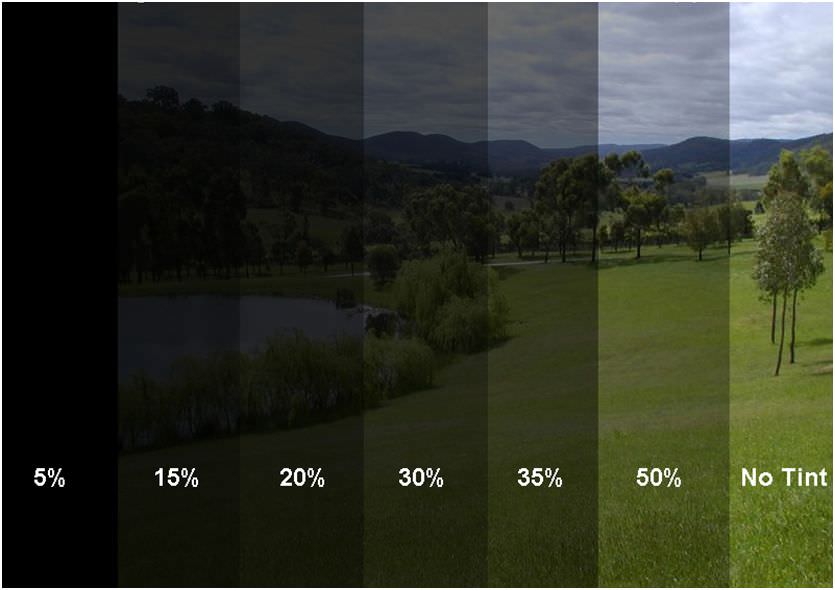
California Vehicle Code Sections 26708, 26708.5, and 26709 lay down the specific rules governing window tinting. The core of these regulations revolves around Visible Light Transmission (VLT), which measures the percentage of visible light that passes through your car windows. A lower VLT percentage indicates a darker tint, allowing less light to pass through. The goal of these laws is primarily safety-related, ensuring drivers have clear visibility and law enforcement officers can see into a vehicle, particularly during traffic stops.
For any visitor or resident, being familiar with these rules is essential. Imagine driving along the Pacific Coast Highway, soaking in the breathtaking views, only to be pulled over for non-compliant window tint. Such an incident can quickly derail a meticulously planned travel itinerary, leading to unexpected fines and delays. Therefore, understanding the nuances of VLT percentages for different windows is the first step towards a worry-free drive in the Golden State.
Front Windshield and Front Side Windows: Clarity is Key
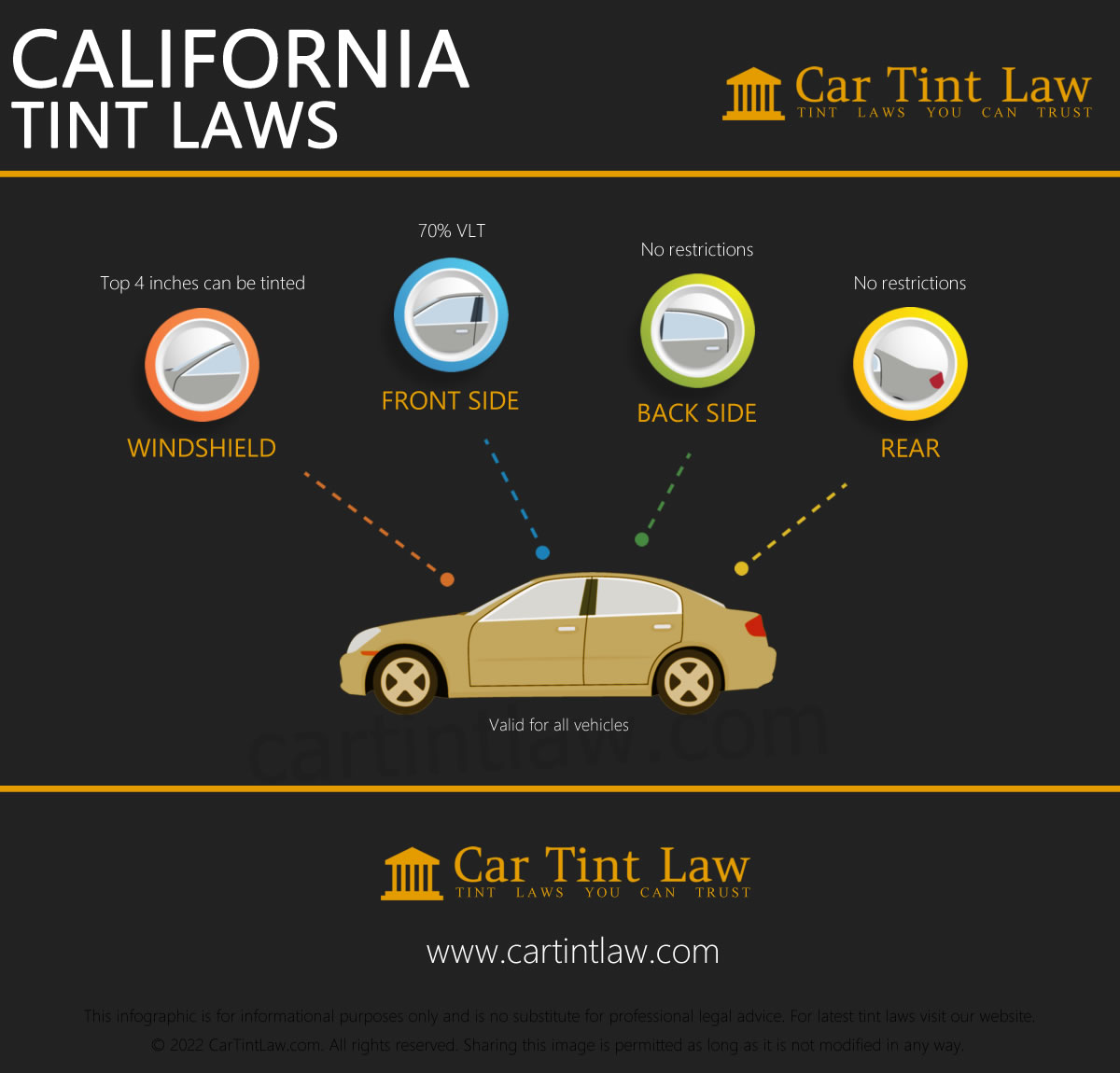
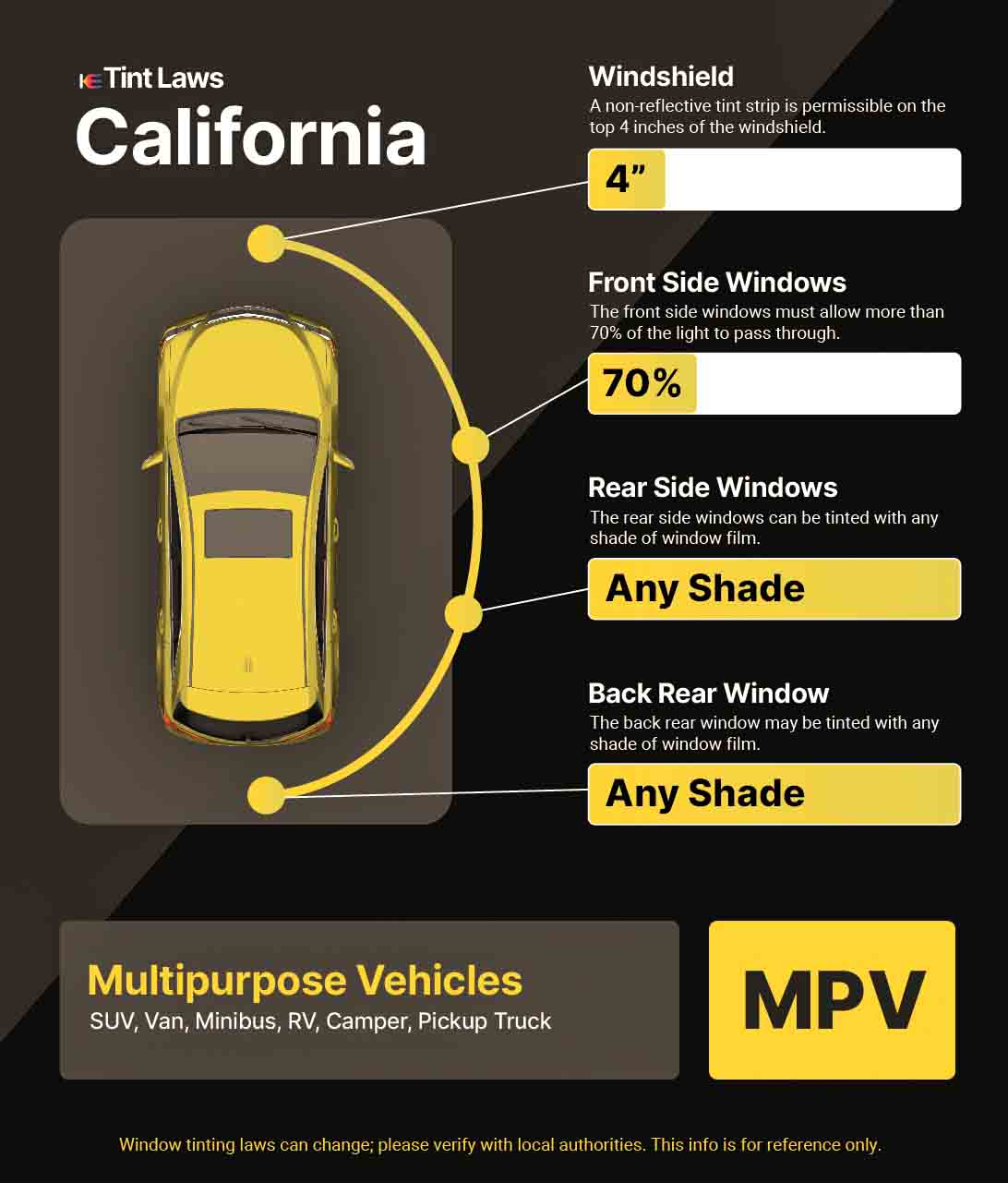
This is where California’s tint laws are most stringent. For the front windshield, tinting is generally prohibited below the AS-1 line. The AS-1 line is a manufacturer’s mark, usually located about five inches from the top of the windshield. Any tint applied below this line must allow at least 70% of visible light to pass through. This means that if you are driving your own vehicle, or considering a car rental that has been customized, the windshield should be largely untinted or very lightly tinted only on the top strip. The reason for this strict rule is clear: unobstructed visibility is paramount for safe driving, especially when navigating unfamiliar roads or during adverse weather conditions.
Similarly, the front side windows—those immediately to the left and right of the driver—are also subject to strict regulations. These windows must also allow a minimum of 70% VLT. This means that a relatively light tint is the darkest legal option for these windows. This specific percentage is chosen to ensure that the driver’s profile and actions are visible from outside the vehicle, a crucial aspect for law enforcement and general road safety. For someone on a business stay or a leisurely trip, the ability to clearly see other vehicles and pedestrians through these windows, and for others to see you, is a fundamental safety measure.
Rear and Back Side Windows: More Leeway for Privacy and Protection
The regulations for the windows behind the driver are considerably more lenient, offering more flexibility for those seeking increased privacy or sun protection. For the rear side windows (those behind the front driver and passenger seats) and the back rear window, California law permits any darkness of tint. This means you can opt for extremely dark, almost opaque, tinting on these windows, as long as your vehicle has dual side mirrors in good working order. The dual side mirrors are critical as they compensate for any reduced visibility out of heavily tinted rear windows.
This flexibility is particularly appealing for family trips, allowing parents to shield children from direct sunlight during long drives to attractions like Disneyland or the San Diego Zoo. It also adds a layer of privacy and security for belongings stored in the back of the vehicle, a common concern for travelers parking their cars at tourist attractions or hotels across California. Imagine exploring the cultural landmarks of San Francisco or the wineries of Napa Valley with peace of mind, knowing your valuables are less visible to prying eyes.
However, there’s a crucial caveat: no tint is allowed on the rear window if it’s reflective. Reflective tints, regardless of their VLT, are generally disallowed on any window in California due to their potential to create glare for other drivers. This is an important distinction to remember, especially if you’re purchasing an aftermarket tint or modifying a vehicle before entering the state.
The Practical Benefits of Legal Tinting for California Explorers
Beyond mere compliance, adhering to California’s tint laws offers a wealth of practical benefits that significantly enhance the driving and travel experience. For anyone exploring the Golden State, from its vibrant cities to its serene natural parks, these advantages contribute to a more comfortable, safe, and enjoyable journey.
Sun Protection and UV Rays: A Shield in the Golden State
California is renowned for its abundant sunshine, which, while beautiful, also brings a significant amount of UV radiation. Legal window tint acts as an effective barrier against these harmful rays. Most quality window films can block up to 99% of UVA and UVB rays, protecting occupants from sunburn, premature skin aging, and reducing the risk of skin cancer. This is particularly vital during extended drives, such as a scenic journey from Los Angeles to Lake Tahoe or exploring the vast expanses of Death Valley National Park. For family trips, safeguarding young children from intense sun exposure is a top priority, making legal tinting an invaluable addition to any vehicle. This protective aspect aligns perfectly with a proactive approach to well-being, a key element of a balanced lifestyle.
Heat Reduction: Keeping Your Cool on the Go
The relentless California sun can quickly turn a vehicle’s interior into an oven, especially in hotter regions like Palm Springs or the Central Valley. Legal window tint can dramatically reduce the amount of solar heat entering your car, keeping the cabin significantly cooler. This not only enhances comfort for everyone inside but also reduces the strain on your vehicle’s air conditioning system, potentially improving fuel efficiency. Arriving at your chosen hotel or resort after a long drive in a comfortably cool vehicle, rather than a sweltering one, sets a much more pleasant tone for your stay. This benefit is particularly appreciated during summer travel or when navigating the desert landscapes of Southern California.
Privacy and Security: Peace of Mind for Travelers
For travelers, a car often serves as a temporary storage space for luggage, shopping, and personal items. While no tint can guarantee absolute theft prevention, darker legal tints on rear windows offer a considerable degree of privacy by making it harder for passersby to see what’s inside your vehicle. This added discretion can be a deterrent to opportunistic thieves, providing a greater sense of security when your car is parked at a busy tourist attraction, a restaurant, or outside your accommodation. Knowing your belongings are less visible allows you to immerse yourself more fully in your California experiences, whether you’re exploring local culture, enjoying food tours, or engaging in various activities without constant worry.
Glare Reduction: Enhancing Driving Safety
Driving in California means encountering diverse lighting conditions—from blinding midday sun reflecting off the ocean along the Pacific Coast Highway to the low-angle glare of sunrise or sunset on urban freeways. Legal window tint, even the lighter shades permitted on front windows, effectively reduces this glare. By minimizing eye strain and improving visual clarity, tinting contributes directly to safer driving. Reduced glare allows drivers to better perceive road hazards, traffic signals, and other vehicles, making long drives less fatiguing and more secure. This is particularly important for anyone embarking on adventurous road trips that span different times of day and varied terrains across the state.
Aesthetics and Lifestyle: The California Look
Beyond the practicalities, window tint undeniably adds a sleek, polished look to any vehicle. For many, it’s a statement of personal style and a reflection of the sophisticated California lifestyle. A vehicle with well-applied, legal tinting can look more cohesive and upscale, whether it’s an SUV packed for a family trip to the beach or a luxury sedan for a high-end business stay in Beverly Hills. This aesthetic appeal is an integral part of the driving experience for many car enthusiasts and contributes to the overall enjoyment of their vehicle. For those who appreciate the finer details of travel, including their mode of transport, legal tinting is an attractive enhancement.
Navigating the Golden State: Tinting Considerations for Your California Road Trip
Planning a travel itinerary through California involves meticulous attention to detail, from selecting the perfect hotels and resorts to mapping out routes to iconic landmarks and attractions. An often-overlooked but crucial detail is ensuring your vehicle’s window tint complies with state laws. This is particularly relevant for both residents driving their own cars and visitors utilizing car rentals. Non-compliance can lead to unforeseen hassles that disrupt your well-planned California experience.
Ensuring Compliance: Tips for Renters and Owners
If you’re bringing your own vehicle into California, it’s essential to verify your current window tinting against California Vehicle Code before you cross the state line. If your tint is too dark on the front windows or reflective, you might consider having it professionally removed or replaced to avoid issues. While some states have more lenient laws, California maintains strict guidelines, and law enforcement officers are well-versed in identifying violations.
For those renting a car, the good news is that reputable car rental companies in California generally provide vehicles that are compliant with state laws. However, it’s always wise to do a quick visual check. Most rental cars will have minimal or no tint on the front side windows, and any tint on the rear windows will be non-reflective and within legal limits. If you have specific concerns about sun protection or privacy, you might inquire about vehicle options with factory-tinted rear windows, which are designed to meet legal standards. This proactive approach ensures your travel plans, whether for luxury travel or budget travel, remain smooth and free from legal complications.
The consequences of illegal tinting in California can range from a “fix-it” ticket, requiring you to remove the tint and prove compliance, to a fine that can cut into your travel budget. Repeated offenses can lead to higher penalties. These unexpected expenses and inconveniences can detract from the joy of exploring California’s diverse offerings, from the wineries of Napa Valley to the vibrant nightlife of Las Vegas (if you venture just outside the state).
Beyond the Law: Choosing the Right Tint for Your Travel Needs
While adhering to the legal VLT percentages is fundamental, the type of window film you choose can significantly impact your driving experience and the comfort of your passengers. Modern window tints come in various materials, each offering distinct advantages for travelers:
- Dyed Film: This is the most economical option, primarily offering privacy and some glare reduction. However, its heat rejection capabilities are limited, and it may fade over time.
- Metallic Film: Incorporates tiny metallic particles that reflect heat and UV rays. This offers superior heat rejection and durability but can interfere with GPS signals and mobile phone reception, which is a significant drawback for navigation during road trips.
- Carbon Film: Features carbon particles for excellent heat rejection and a long-lasting, non-fading matte finish. It doesn’t interfere with electronic signals, making it a popular choice for modern vehicles.
- Ceramic Film: This is considered the top-tier option, utilizing ceramic particles to block a significant amount of heat and UV rays without interfering with electronics. Ceramic tint offers exceptional clarity, durability, and comfort, making it an ideal choice for those prioritizing premium lifestyle features and comfort during their California travels.
For travelers navigating California’s sunny climate, investing in high-quality tint—especially ceramic or carbon—can significantly enhance comfort and protection. This is particularly beneficial for those undertaking long distances, such as driving from San Francisco down to Santa Barbara, or exploring the vast desert landscapes. The added benefits of heat reduction and UV protection contribute to a more enjoyable journey, allowing you to arrive at your destination refreshed and ready to experience all that California has to offer.
In conclusion, understanding and complying with California’s window tint laws is an essential part of a responsible and enjoyable travel experience in the Golden State. While the darkest legal tint for front side windows is a light 70% VLT, the rear windows offer complete freedom in terms of darkness, provided non-reflective film is used and the vehicle has dual side mirrors. By respecting these regulations, you not only avoid potential fines and delays but also enhance your journey with improved safety, comfort, and a touch of personal style. Whether you’re planning an adventurous road trip, a serene escape to a coastal resort, or exploring the bustling city attractions, a legally tinted vehicle ensures your focus remains on the incredible experiences that await you in California.
LifeOutOfTheBox is a participant in the Amazon Services LLC Associates Program, an affiliate advertising program designed to provide a means for sites to earn advertising fees by advertising and linking to Amazon.com. Amazon, the Amazon logo, AmazonSupply, and the AmazonSupply logo are trademarks of Amazon.com, Inc. or its affiliates. As an Amazon Associate we earn affiliate commissions from qualifying purchases.