
Few songs in the annals of music history have captivated, confused, and enthralled listeners quite like the Eagles‘ iconic “Hotel California.” Released in 1976, this seven-minute masterpiece quickly ascended to the top of the charts, earning a Grammy Award for Record of the Year and etching its enigmatic lyrics into the collective consciousness. Decades later, its hypnotic guitar solos and haunting narrative continue to spark intense debate and speculation. Is it a cautionary tale of excess, a commentary on the dark side of the American Dream, or perhaps something even more sinister?

For a website dedicated to travel, hotels, and the nuances of lifestyle, the song’s title itself immediately conjures images of opulent resorts, exotic destinations, and the transient nature of a traveler’s existence. But the “Hotel California” is far from a typical luxury accommodation review. Instead, it serves as a profound cultural landmark, a musical destination that invites us to explore the deeper meanings behind the alluring facade of its namesake.
The Allure of the Golden State: California as a Symbol
The song’s setting, California, is crucial to understanding its underlying themes. In the 1970s, the Golden State was often seen as a promised land, a place where dreams were made, fortunes were found, and a new, liberated lifestyle beckoned. From the sun-drenched beaches of Southern California to the glitzy streets of Hollywood, it was perceived as the ultimate destination for those seeking fame, freedom, and an escape from the mundane. This imagery is skillfully woven into the song’s opening lines, painting a picture of a weary traveler driving through the desert, drawn by the promise of light and refuge.
The initial description of the Hotel California itself is seductive: “On a dark desert highway, cool wind in my hair / Warm smell of colitas, rising up through the air / Up ahead in the distance, I saw a shimmering light / My head grew heavy and my sight grew dim / I had to stop for the night.” This paints a vivid picture of a luxurious oasis in the wilderness, offering respite and indulgence. For anyone familiar with the pull of travel, the desire for a comfortable, welcoming haven after a long journey is instantly relatable. The hotel, in this sense, represents the ultimate accommodation, a place designed to cater to every whim.
However, the song quickly introduces a subtle undercurrent of unease. The “colitas” (often interpreted as marijuana or simply “little buds” referring to desert wildflowers, depending on who you ask) hints at a haze, a blurring of reality. The “shimmering light” is alluring but also ephemeral. The protagonist’s “head grew heavy and my sight grew dim,” suggesting a state of exhaustion or perhaps an altered perception even before arrival. This initial ambiguity sets the stage for the narrative’s deeper, more unsettling layers, hinting that this isn’t just about a vacation stay, but about the very essence of destination and desire.
The band members, particularly Don Henley and Glenn Frey, who were primary lyricists, have often spoken about the song as a commentary on the excess and moral decay they witnessed in Los Angeles during the mid-1970s. California had become a magnet for dreamers and opportunists, and the song captures the disillusionment that often followed the pursuit of the seemingly idyllic California lifestyle. It became a symbol of the dark underbelly of the American Dream, where the pursuit of pleasure and material wealth could lead to an existential trap.
The American Dream Gone Sour
Beneath the veneer of luxury travel and aspirational living, “Hotel California” critiques the hedonism and spiritual emptiness that the Eagles perceived in 1970s Southern California. The lyrics, “Her mind is Tiffany-twisted, she got the Mercedes bends / She got a lot of pretty, pretty boys, that she calls friends,” paint a picture of superficiality and consumerism. This isn’t just about a transient stay in a fancy resort; it’s about a lifestyle chosen, a path taken, and the consequences thereof. The “pretty, pretty boys” who are merely “friends” underscore the transactional nature of relationships in this environment.
The song subtly questions the true cost of chasing fame and fortune in a place like Hollywood. The initial allure of the “shimmering light” gives way to a realization that the dream can become a gilded cage. This resonates with travelers who seek out “luxury experiences” only to find them lacking in genuine connection or substance. The idea of a hotel, a place of temporary residence, turning into a permanent, inescapable prison is a powerful metaphor for the dangers of unchecked ambition and materialism. It prompts us to consider what we truly seek in our destinations and what kind of lifestyle we are ultimately building for ourselves.
Beyond the Opulent Façade: Unpacking the Metaphors
While “Hotel California” undeniably works on a literal level as a story about a strange hotel, its enduring power lies in its rich tapestry of metaphors. The Eagles themselves, particularly Don Henley, have offered various interpretations over the years, often emphasizing its allegorical nature. The “Hotel California” is not just a building; it’s an idea, a state of mind, and a symbol of various societal traps.
One prominent interpretation casts the hotel as a metaphor for the music industry itself. The lyrics, “We are all just prisoners here, of our own device,” can be seen as a commentary on the pressures, temptations, and ultimate disillusionment experienced by artists who enter the industry. The initial glamor and promise of success often give way to a feeling of being trapped by contracts, expectations, and the relentless demands of fame. The hotel, in this context, becomes the ultimate “resort” for those who make it big, but also a gilded cage that’s difficult to escape. This perspective resonates with the “Lifestyle” aspect of our website, reflecting on the pros and cons of certain career paths and the choices one makes in pursuit of a dream.
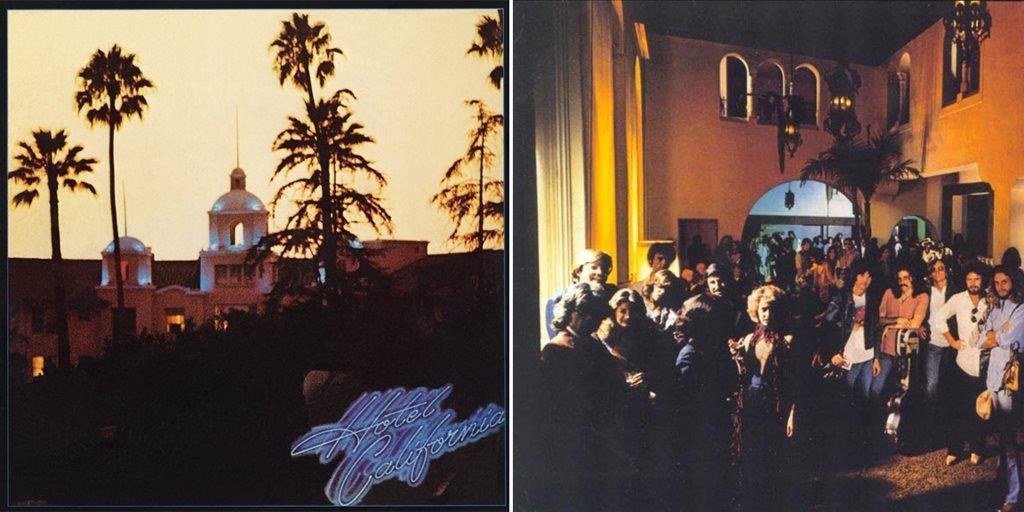
Another common interpretation views the song through the lens of addiction. The “warm smell of colitas” and the lines about “mirrors on the ceiling” and “pink champagne on ice” evoke a sense of opulent excess, often associated with substance abuse. The idea of being “hooked” and unable to leave (“You can check out any time you like, but you can never leave”) perfectly encapsulates the struggle of addiction. The hotel, then, becomes a lavish rehabilitation center from which escape seems impossible, or perhaps the very den of indulgence that traps its patrons.
The song has also been interpreted as a critique of specific social or spiritual movements prevalent in the U.S. during the 1970s, particularly in California. The idea of a charismatic leader and followers who are drawn in but cannot depart echoes stories of cults and communes. The “Master” who proclaims “We haven’t had that spirit here since 1969” suggests a lost innocence or a turning point from a previous era of idealistic counter-culture to one of darker indulgence. This aligns with “Tourism” and “Local Culture” by delving into the societal fabric and historical nuances of a destination, beyond its scenic beauty.
A Glimpse into the Music Industry’s Dark Side
The Eagles, having experienced the meteoric rise of rock stardom, were uniquely positioned to comment on the music industry. Don Henley once described the song as “a metaphor for the hedonism and self-destruction of the rock and roll lifestyle.” The opulent setting of the hotel, complete with lavish amenities, mirrors the extravagant life that many successful musicians find themselves in. Yet, this luxury comes at a price. The line, “Some dance to remember, some dance to forget,” speaks to the escapism and perhaps the trauma that many performers experience, seeking solace in the party scene.
The song’s extended guitar solos, particularly the iconic duel between Joe Walsh and Don Felder, further amplify this feeling of being lost in a hypnotic, yet potentially dangerous, loop. The music itself feels like a journey, starting with promise and descending into a complex, almost frantic search for an exit. For those interested in the cultural history of travel and lifestyle, the song offers a fascinating insight into how even the most celebrated destinations or career paths can hold hidden pitfalls. It’s a reminder that beneath the glittering surface of any “dream destination” or “luxury lifestyle,” there can be complexities and challenges that are not immediately apparent.
Searching for the Real “Hotel California”
Given the song’s vivid imagery and narrative specificity, it’s perhaps inevitable that listeners would search for a real-life inspiration. This quest speaks to the very heart of travel and exploration – the desire to connect with the physical spaces that inspire art. Over the decades, many locations have been erroneously identified as the “real” Hotel California, adding to the song’s mystique and turning it into a kind of cultural treasure hunt.
The most famous of these claims comes from a hotel in Todos Santos, a picturesque town in Baja California Sur, Mexico. Originally opened in 1948 as the Hotel California, it was rebranded in 2001 to capitalize on the song’s fame and is now officially known as the Hotel California Baja. The owners have embraced the connection, even playing the Eagles song in their lobby and selling merchandise. However, the Eagles have repeatedly stated that there is no single physical hotel that inspired the song. Don Henley emphasized that the song is an allegory, a composite of experiences and observations about the music industry and the darker side of the American Dream in Los Angeles.
Despite the band’s clarifications, the romantic notion of a real “Hotel California” persists. This phenomenon itself is fascinating for anyone interested in “Landmarks” and “Tourism.” It demonstrates how cultural narratives can imbue actual locations with legendary status, even when the connection is tenuous or entirely fictional. Travelers flock to the Todos Santos hotel not because it’s officially linked to the band, but because it offers a tangible connection to a powerful piece of art and a chance to immerse themselves, however briefly, in the song’s captivating mythology. It becomes a destination in its own right, fueled by legend and the human desire for a story.
Other supposed inspirations have included the Beverly Hills Hotel, given its iconic status and association with Hollywood excess. The pink palace on Sunset Boulevard, with its lush gardens and celebrity clientele, certainly fits the aesthetic of a grand, perhaps even decadent, hotel. However, the Eagles have consistently refuted these claims, maintaining that their “Hotel California” is a construct of their imagination, an embodiment of the era and environment they were observing.

From Mystery to Mainstay: Its Place in Pop Culture
The enduring mystery surrounding the song’s meaning and its supposed real-world counterparts has only solidified its place as a cultural touchstone. It’s a testament to the power of evocative storytelling in music. The blend of rock, folk, and Latin influences, coupled with sophisticated lyrical imagery, has allowed “Hotel California” to transcend genre and time. It’s not just a song; it’s an experience, an invitation to ponder deeper philosophical questions about freedom, entrapment, desire, and disillusionment.
For anyone who loves to travel, explore new destinations, and experience different cultures, “Hotel California” serves as a poignant reminder that not all that glitters is gold. It encourages a critical eye towards the narratives we consume, whether they are about a five-star resort, a bustling city, or a seemingly perfect lifestyle. It prompts us to look beyond the brochure-perfect images and consider the full spectrum of experiences, both good and bad, that await us in our journeys.
In conclusion, “Hotel California” is far more than a catchy tune about a strange hotel. It’s a sophisticated allegory, masterfully crafted by the Eagles, that serves as a powerful commentary on the excesses of the 1970s American Dream, the seductive yet perilous nature of fame, and the insidious traps of addiction and materialism. While the literal “Hotel California” may not exist, its spirit lives on in countless discussions, academic analyses, and the endless fascination of listeners worldwide. It remains a powerful cultural landmark, urging us to question the true cost of paradise, and reminding us that sometimes, the most luxurious accommodations can hide the most profound challenges. It stands as a timeless piece of music, continuously inviting new generations to check in and explore its deep, complex corridors, even if checking out proves to be an elusive task.
LifeOutOfTheBox is a participant in the Amazon Services LLC Associates Program, an affiliate advertising program designed to provide a means for sites to earn advertising fees by advertising and linking to Amazon.com. Amazon, the Amazon logo, AmazonSupply, and the AmazonSupply logo are trademarks of Amazon.com, Inc. or its affiliates. As an Amazon Associate we earn affiliate commissions from qualifying purchases.