
For anyone planning a memorable trip to the Centennial State, understanding the proximity and travel options between its two major metropolitan areas, Denver and Colorado Springs, is fundamental. These vibrant cities, both nestled against the majestic backdrop of the Rocky Mountains, offer distinct yet complementary experiences for travelers. Whether you’re a first-time visitor or a seasoned adventurer exploring Colorado’s diverse landscapes, knowing the distance and how to navigate between these hubs is crucial for crafting the perfect itinerary.
The straightforward answer to “How far is Colorado Springs from Denver?” is approximately 70 miles (113 kilometers) when traveling south on Interstate 25 (I-25). This relatively short distance makes the two cities easily accessible from each other, allowing for seamless travel experiences, whether you’re considering a day trip, a multi-city adventure, or a business stay requiring movement between the two. The journey typically takes about 1 to 1.5 hours by car, though this can fluctuate significantly depending on traffic conditions, especially during peak hours or on holiday weekends. This close proximity is a boon for tourism, enabling visitors to enjoy the urban attractions and cultural richness of Denver alongside the outdoor adventures and natural beauty that define Colorado Springs. From luxury travel to budget-friendly options, the connection between these cities opens up a wealth of travel possibilities, enhancing your overall Colorado experience.
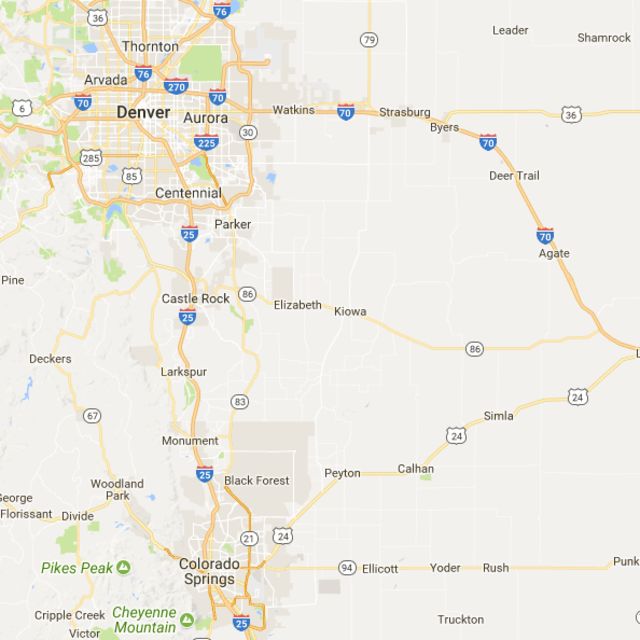
The Journey: Navigating Between Denver and Colorado Springs
The travel corridor between Denver and Colorado Springs is one of Colorado’s most frequently traveled routes, primarily along I-25. Understanding the various modes of transportation and what to expect during your journey can help you plan more efficiently, whether your priority is speed, cost-effectiveness, or scenic views.
Driving: The Most Popular Choice
For the vast majority of travelers, driving is the preferred method of getting from Denver to Colorado Springs and vice versa. The convenience of having your own vehicle allows for flexibility in your schedule, enables spontaneous stops at points of interest along the way, and provides direct access to attractions that might not be served by public transportation.
- Route: The most direct and fastest route is via I-25 South from Denver to Colorado Springs. This interstate is well-maintained and typically offers a smooth drive.
- Duration: Under ideal conditions, the drive takes approximately 1 hour and 15 minutes. However, travelers should always factor in potential delays. Denver traffic can be heavy, especially heading south out of the city during morning rush hour (7-9 AM) or on Friday afternoons. Similarly, returning north into Denver on Sunday afternoons can see increased congestion. Seasonal variations also play a role; summer weekends and holiday periods often see higher traffic volumes as tourists flock to Colorado’s attractions.
- Scenic Considerations: While I-25 is primarily a utilitarian route, it does offer glimpses of the Front Range of the Rocky Mountains to the west. As you head south, Pikes Peak – “America’s Mountain” – becomes an increasingly prominent feature on the horizon, signaling your approach to Colorado Springs. For a slightly more scenic but less direct route, one could consider taking US-85 or various county roads that meander through smaller towns and offer a different perspective of the landscape, though these will add significant time to your journey.
- Car Rentals: For visitors flying into Denver International Airport (DIA), numerous car rental agencies are available, making it easy to pick up a vehicle upon arrival and begin your Colorado adventure. This is particularly recommended for those planning to explore areas outside the immediate city centers, like state parks or mountain towns.
Public Transportation and Alternatives
While driving offers maximum flexibility, several public and private transportation options connect Denver and Colorado Springs, catering to different preferences and budgets.
- Bus Services:
- Bustang: Operated by the Colorado Department of Transportation (CDOT), Bustang offers comfortable and affordable intercity bus service. The South Line connects Denver Union Station to Colorado Springs, with stops at key locations in both cities. This is an excellent option for budget travelers or those who prefer not to drive.
- Greyhound: Another reliable option, Greyhound provides bus service between the two cities. Their schedules and pick-up/drop-off points might differ from Bustang, so it’s advisable to check both for the most convenient travel times.
- Ride-Sharing and Taxis: Services like Uber and Lyft are available for travel between Denver and Colorado Springs. While convenient, especially for airport transfers or last-minute plans, these options can be significantly more expensive than bus services, with fares often ranging from $80-$150, depending on demand and service level. Traditional taxi services will also be available but are generally the priciest option.
- Airport Shuttles: For travelers flying into Denver International Airport (DIA) and heading directly to Colorado Springs, several shuttle companies offer direct service. These are particularly useful if you’re traveling with luggage and prefer not to navigate public transport or rental cars immediately after a flight. Companies like Groome Transportation provide reliable, scheduled transfers.
The choice of transportation largely depends on your travel style, budget, and the specifics of your itinerary. For those seeking independence and the freedom to explore, driving is paramount. For a more relaxed and economical journey, bus services offer a viable alternative.
Discovering Denver: The Mile-High City’s Allure
Denver, often dubbed the “Mile-High City” due to its elevation of exactly one mile above sea level, is a bustling urban center that skillfully blends its Old West heritage with a modern, cosmopolitan vibe. As the capital of Colorado, it serves as a gateway to outdoor adventures while offering a rich tapestry of cultural attractions, diverse culinary scenes, and vibrant nightlife. Integrating the website’s focus on Travel, Tourism, Hotels, and Lifestyle, Denver presents a dynamic array of experiences for every type of traveler.
Must-See Attractions in Denver
Denver’s attractions are as varied as its landscape, ranging from world-class museums to iconic outdoor venues.
- Red Rocks Park and Amphitheatre: Just a short drive west of Denver, this iconic geological wonder doubles as a legendary concert venue. Even without attending a show, visitors can hike the trails, marvel at the colossal red rock formations, and absorb the breathtaking views of the city skyline and surrounding plains. It’s a landmark that perfectly encapsulates the blend of nature and culture inherent to Colorado.
- Denver Art Museum: An architectural marvel in itself, the Denver Art Museum houses an extensive collection spanning various eras and cultures, with notable strengths in American Indian art and Western American art. Its innovative exhibitions make it a must-visit for art enthusiasts and those interested in local culture.
- Denver Botanic Gardens: Offering a serene escape within the city, these gardens are a living museum of plants from diverse ecosystems around the world, as well as native Colorado flora. Seasonal exhibits, outdoor art installations, and a commitment to sustainability make this a truly enriching experience.
- Union Station: This beautifully restored Beaux-Arts train station is now a vibrant transportation hub, hotel, and dining destination in the heart of LoDo (Lower Downtown). It’s an ideal spot for people-watching, enjoying a meal, or simply soaking in the historical ambiance. The architecture and the buzz of activity make it a landmark of both history and modern urban life.
- 16th Street Mall: A mile-long pedestrian promenade lined with shops, restaurants, and entertainment, the 16th Street Mall is perfect for a leisurely stroll. Free shuttle buses make it easy to traverse its length. It’s a focal point for tourism and a great place to experience Denver’s downtown energy.
- Larimer Square: Denver’s oldest block, Larimer Square is a charming historic district known for its Victorian buildings, boutique shops, and upscale restaurants. It’s particularly enchanting in the evenings with its canopy of lights.
- Coors Field: For sports fans, catching a Colorado Rockies baseball game at Coors Field is a quintessential Denver experience. The stadium offers fantastic views of the city skyline and the Rocky Mountains.
Accommodation and Culinary Experiences in Denver
Denver’s accommodation scene caters to every budget and lifestyle, from opulent luxury resorts to charming boutique hotels and convenient extended-stay apartments, reflecting the website’s focus on Hotels and Accommodation.
- Luxury & Boutique Stays: For those seeking a lavish experience, The Brown Palace Hotel and Spa offers historic elegance and impeccable service. The Ritz-Carlton, Denver, and the Four Seasons Hotel Denver provide modern luxury with stunning views. Newer additions like the Limelight Hotel Denver offer a more contemporary, design-focused aesthetic.
- Mid-Range & Budget-Friendly: Options like the Hyatt Regency Denver at Colorado Convention Center or the Hilton Denver City Center provide comfortable stays with excellent amenities, ideal for both business stays and family trips. Numerous apartment-style accommodations are also available for those planning a longer stay.
- Culinary Scene: Denver’s food scene is a testament to its dynamic growth and diverse population. From farm-to-table restaurants in the RiNo Art District to world-class steakhouses and innovative eateries in LoDo, there’s something to satisfy every palate. The city is also a mecca for craft breweries, offering countless taprooms and brewpubs. This aspect of tourism highlights local culture and culinary experiences as key components of the travel journey.
Exploring Colorado Springs: Gateway to the Rockies
South of Denver, Colorado Springs provides a stark contrast with its more relaxed pace and direct access to some of Colorado’s most iconic natural wonders. Often referred to as “The Springs,” it’s a prime destination for outdoor enthusiasts, history buffs, and families, perfectly aligning with themes of Travel, Tourism, Landmarks, and Lifestyle.
Iconic Landmarks and Outdoor Adventures
Colorado Springs is practically synonymous with breathtaking landscapes and adventurous pursuits, making it a pivotal destination for nature lovers.
- Garden of the Gods Park: A National Natural Landmark, this free-to-enter park features towering sandstone rock formations set against the backdrop of Pikes Peak. Visitors can hike, rock climb (with a permit), or simply drive through to capture stunning photographs. It’s an unparalleled natural attraction and a true highlight of any Colorado trip.
- Pikes Peak – “America’s Mountain”: The inspiration for “America the Beautiful,” Pikes Peak can be summited by driving the scenic Pikes Peak Highway, hiking one of the challenging trails, or taking the historic Pikes Peak Cog Railway. The views from the 14,115-foot summit are truly unforgettable, encompassing vast plains and distant mountain ranges.
- United States Air Force Academy: An impressive institution, the USAFA offers a visitor center, chapel, and beautiful grounds. It’s a fascinating look into military life and a significant national landmark.
- Cheyenne Mountain Zoo: Perched on the side of Cheyenne Mountain, this unique zoo provides incredible views of Colorado Springs and the plains, alongside its diverse animal exhibits. It’s an engaging activity for families and wildlife enthusiasts.
- Broadmoor Seven Falls: A series of seven cascading waterfalls, accessible via a scenic drive through South Cheyenne Cañon. Visitors can hike to the top of the falls or take an elevator for spectacular views.
- Old Colorado City: Once the capital of the Colorado Territory, this charming historic district offers a glimpse into the past with its Victorian architecture, unique boutiques, art galleries, and diverse dining options. It’s a great place to explore local culture and history.
- Manitou Springs: Located just west of Colorado Springs, this eclectic town is known for its natural mineral springs, vibrant art scene, and quirky shops. It serves as a base for exploring Pikes Peak and the Manitou Incline.
- Glen Eyrie Castle: A stunning English Tudor-style castle built by Colorado Springs founder General William Jackson Palmer, now a conference center and hotel, offering tours and high tea. It’s a piece of living history nestled in a picturesque valley.
Where to Stay and Dine in Colorado Springs
Colorado Springs boasts a range of accommodation options, from world-renowned luxury resorts to comfortable hotels suitable for family trips and budget travel, alongside a burgeoning culinary scene.
- Iconic Resorts: The crown jewel of Colorado Springs accommodation is undoubtedly The Broadmoor. This historic, five-star resort offers unparalleled luxury, exquisite dining, championship golf courses, a world-class spa, and access to unique adventures like Seven Falls. It epitomizes luxury travel and an unforgettable experience. Another notable option, especially for its location, is the Garden of the Gods Resort and Club, offering stunning views of Garden of the Gods Park and Pikes Peak.
- Family & Mid-Range Options: For families, the Great Wolf Lodge Colorado Springs provides a popular option with its indoor water park. Other well-regarded hotels such as The Mining Exchange, A Wyndham Grand Hotel & Spa in downtown or the Marriott Colorado Springs offer comfortable stays with modern amenities, catering to both leisure and business travelers.
- Dining Scene: While Colorado Springs might not have the sheer volume of high-end restaurants as Denver, it offers a delightful mix of local eateries, casual cafes, and fine dining. From steak and traditional American fare to international cuisine, you’ll find plenty of options. Many restaurants offer outdoor patios with incredible mountain views, enhancing the dining experience. Exploring the dining options in Old Colorado City or downtown can reveal hidden culinary gems that speak to the local culture.
Planning Your Perfect Colorado Getaway
Integrating both Denver and Colorado Springs into your Colorado itinerary offers a comprehensive view of the state’s diverse offerings. From urban sophistication to majestic natural beauty, these two cities provide a spectrum of travel experiences, easily tailored to various lifestyles and preferences.
Best Time to Visit and Travel Tips
Choosing the right time to visit and being prepared can significantly enhance your trip.
- Seasonal Considerations:
- Summer (June-August): Ideal for outdoor activities, hiking, and enjoying the vibrant city life. However, it’s also peak tourist season, meaning larger crowds and potentially higher accommodation prices. Afternoon thunderstorms are common in the mountains.
- Fall (September-October): Offers stunning fall foliage, especially in the mountains surrounding the cities. Cooler temperatures are perfect for hiking, and crowds begin to thin out. This is often considered one of the best times to visit Colorado.
- Winter (November-March): While prime for skiing in the nearby Rockies, both Denver and Colorado Springs can experience snow and cold temperatures. However, winter often brings crisp, clear days perfect for exploring city attractions without the summer crowds. Many attractions remain open year-round.
- Spring (April-May): A shoulder season, offering a mix of mild weather and occasional late-season snow. It’s a good time for budget travel, as prices for hotels and flights might be lower, though some higher elevation trails may still be closed.
- Altitude Sickness: Both cities are at high altitudes (Denver at 5,280 feet, Colorado Springs slightly higher at over 6,000 feet, with attractions like Pikes Peak much higher). Drink plenty of water, avoid excessive alcohol upon arrival, and consider taking it easy for the first day or two to acclimate.
- Weather Variability: Colorado’s weather can change rapidly, especially in the mountains. Pack layers, even in summer, and be prepared for sudden shifts in temperature or conditions.
- Booking in Advance: Especially during peak seasons or for special events, it’s advisable to book hotels, tours, and popular attraction tickets well in advance to secure your preferred options and avoid disappointment. This is crucial for seamless accommodation planning.
Crafting Your Itinerary: Combining Both Cities
The close proximity of Denver and Colorado Springs allows for flexible itinerary planning, whether you prefer a quick day trip or a more extended stay in each location.
- Day Trip Options: A day trip from Denver to Colorado Springs is entirely feasible. You could focus on key landmarks like Garden of the Gods Park and perhaps Pikes Peak (depending on time and season). Conversely, a day trip from Colorado Springs to Denver could involve exploring downtown, visiting a museum, or catching a game.
- Multi-City Stays: For a more immersive experience, consider spending 2-3 days in each city. Start in Denver to enjoy its urban attractions and culinary scene, perhaps including a concert at Red Rocks. Then, travel south to Colorado Springs for an adventure-focused segment, exploring the Garden of the Gods and ascending Pikes Peak.
- Themed Trips:
- Adventure Seekers: Focus on hiking, biking, and outdoor climbing around Colorado Springs, potentially adding a whitewater rafting trip on the Arkansas River. Denver can serve as a base for exploring mountain parks further west.
- Culture & History Buffs: Dive into Denver’s museums, Union Station, and historic neighborhoods, then explore Old Colorado City and the USAFA in Colorado Springs.
- Family Adventures: Combine Denver’s Children’s Museum and Denver Zoo with Colorado Springs’ Cheyenne Mountain Zoo and the Great Wolf Lodge.
- Business Stays: For professionals traveling to the region, the excellent transportation links and diverse accommodation options in both cities mean you can choose a base that best suits your off-work preferences while remaining close to business hubs.
In conclusion, the journey between Colorado Springs and Denver is not just about covering 70 miles; it’s about transitioning between two distinct yet equally captivating facets of Colorado. With careful planning and an understanding of the available travel options, you can seamlessly experience the best of both worlds, crafting a travel narrative that is rich in urban culture, natural wonders, and unforgettable moments.
LifeOutOfTheBox is a participant in the Amazon Services LLC Associates Program, an affiliate advertising program designed to provide a means for sites to earn advertising fees by advertising and linking to Amazon.com. Amazon, the Amazon logo, AmazonSupply, and the AmazonSupply logo are trademarks of Amazon.com, Inc. or its affiliates. As an Amazon Associate we earn affiliate commissions from qualifying purchases.