
San Francisco, California, is renowned for many things: its iconic landmarks, vibrant culture, and innovative spirit. Yet, perhaps nothing defines the city quite as uniquely as its weather. Unlike many other major California cities known for their consistent sunshine and warmth, San Francisco boasts a climate that is famously fickle, often surprisingly cool, and subject to dramatic microclimates that can see temperatures vary by as much as 20 degrees Fahrenheit within a few miles. For travelers planning their next adventure, understanding San Francisco’s intricate temperature patterns is not just a matter of curiosity, but a crucial element for a comfortable and enjoyable trip.
This guide delves deep into the enigmatic weather of San Francisco, exploring the forces that shape its unique temperatures, offering insights into what to expect during different seasons, and providing practical advice on how to pack and plan your activities to make the most of your visit. Whether you’re dreaming of strolling across the Golden Gate Bridge, exploring the historic streets of Chinatown, or savoring the culinary delights of the Mission District, knowing what the thermometer is likely to read will be your best preparation.
Unpacking San Francisco’s Unique Microclimates and Weather Patterns
The seemingly contradictory nature of San Francisco’s weather is not arbitrary; it’s a product of a fascinating interplay between geography, ocean currents, and prevailing winds. Situated on a peninsula, surrounded on three sides by the Pacific Ocean and San Francisco Bay, the city is constantly influenced by marine air, which acts as a natural air conditioner, keeping temperatures moderate year-round compared to inland regions.
The Enigmatic Fog: A Defining Feature
Perhaps the most iconic weather phenomenon in San Francisco is its pervasive fog, affectionately known as “Karl the Fog.” This isn’t just a picturesque backdrop for postcards; it’s a major player in the city’s temperature dynamics. The fog forms when warm, moist air from the Pacific Ocean flows over the colder waters of the California Current. As this air cools, its moisture condenses into dense fog banks, which are then pulled inland by the low-pressure system created by the warm Central Valley.
When the fog rolls in, temperatures drop noticeably, often by 10-15 degrees Fahrenheit. It acts like a giant blanket, blocking the sun’s warming rays and bringing a distinct chill, especially to coastal areas and neighborhoods directly in its path. While summer often brings the thickest and most persistent fog, it can make an appearance in any season, adding a mysterious allure and a refreshing coolness to the city.
Seasonal Variations: Expect the Unexpected
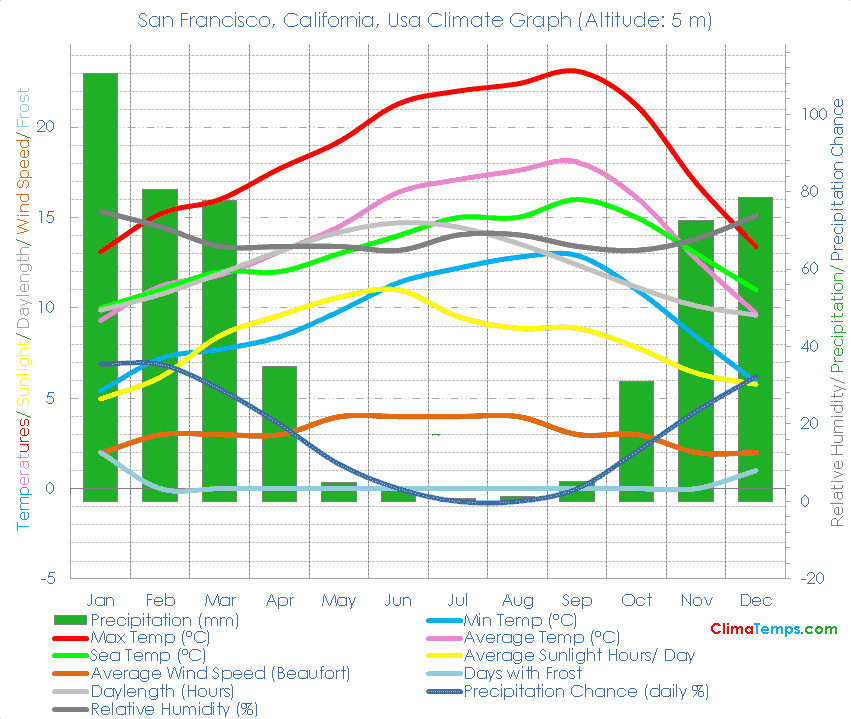
Unlike places with four distinct seasons marked by dramatic temperature shifts, San Francisco’s annual temperature range is surprisingly narrow. Average daily high temperatures typically hover in the mid-60s Fahrenheit (around 18-20°C), with lows in the mid-50s Fahrenheit (around 12-14°C). However, these averages mask significant daily and seasonal nuances:
- Spring (March-May): Generally mild, with average highs around 60-65°F (16-18°C). The fog starts to become more prevalent, especially in the mornings, often burning off to reveal sunny afternoons.
- Summer (June-August): Surprisingly, this is often San Francisco’s coolest and foggiest season, particularly along the coast. Average highs remain in the low 60s Fahrenheit (16-18°C), with frequent morning and evening fog. Locals often joke that San Francisco’s summer starts in September.
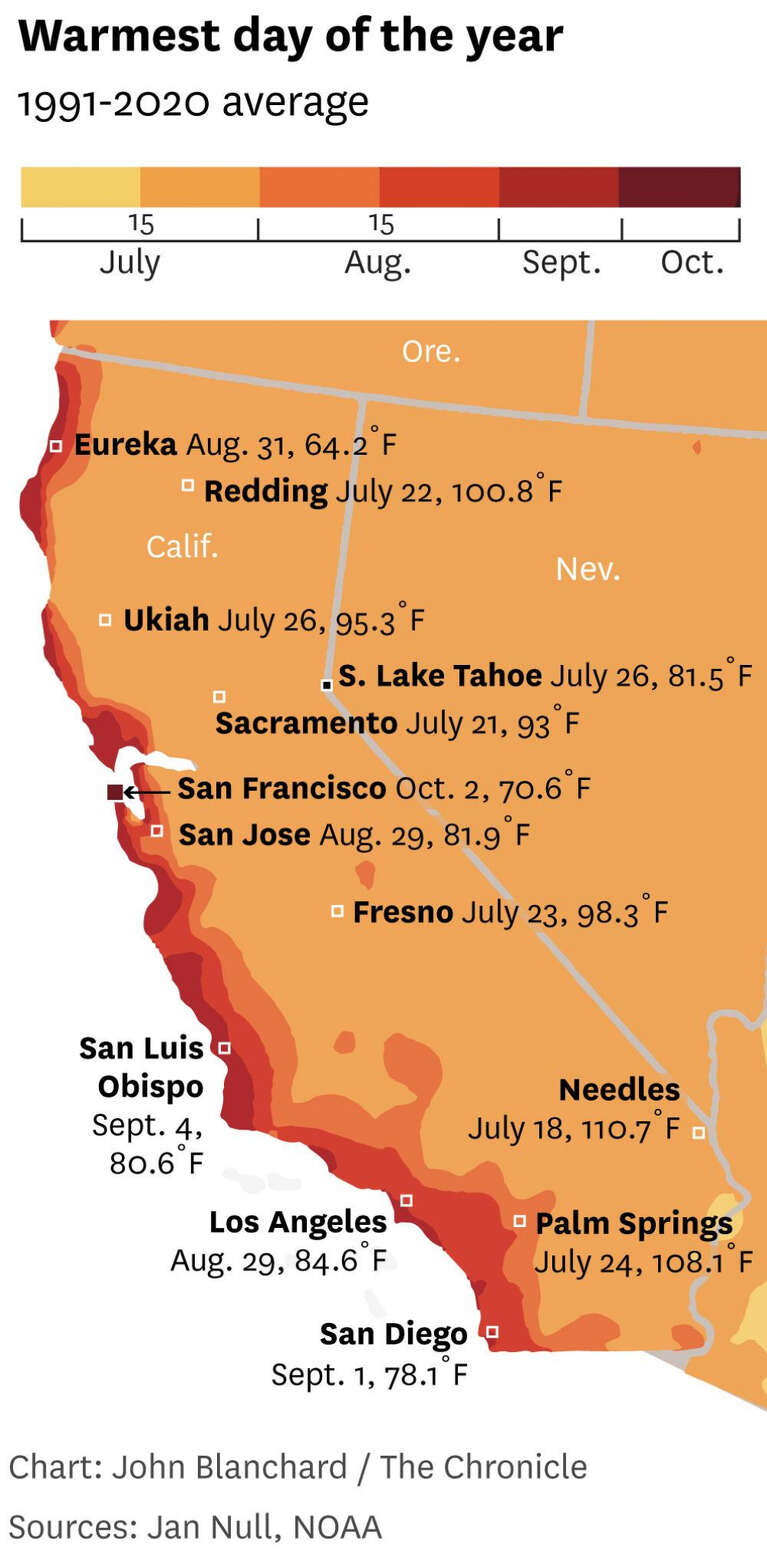
- Fall (September-November): Often considered the “secret summer,” fall typically brings the warmest, clearest, and most pleasant weather. The fog diminishes, and average highs can reach the high 60s or even low 70s Fahrenheit (20-22°C), offering extended periods of sunshine. This is arguably the best time to visit for those seeking warmer temperatures.
- Winter (December-February): This is the wettest season, but temperatures remain mild, rarely dropping below freezing. Average highs are in the mid-50s to low 60s Fahrenheit (13-17°C), with more rain and less fog than summer.
Microclimates in Action: From Fisherman’s Wharf to Mission District
The most fascinating aspect of San Francisco’s weather is its pronounced microclimates. Due to the city’s hilly terrain and its position on a peninsula, different neighborhoods can experience dramatically different weather conditions simultaneously. It’s not uncommon for it to be cold and foggy at Fisherman’s Wharf while just a few miles inland, the Mission District is basking in warm sunshine.
- Coastal Areas (e.g., Outer Sunset, Golden Gate Park, Presidio National Park): These areas are directly exposed to the Pacific Ocean and the fog, often experiencing cooler temperatures, stronger winds, and more persistent fog.
- Eastern Neighborhoods (e.g., Mission District, Potrero Hill): Sheltered by the city’s hills, these areas are often warmer and sunnier, as the fog tends to burn off or remain trapped closer to the coast.
- Downtown and Financial District: These central areas can be a blend, often experiencing morning fog that eventually burns off, leading to pleasant afternoons.
This means that relying on a single weather forecast for “San Francisco” can be misleading. Always check forecasts for specific neighborhoods you plan to visit, or simply be prepared for anything!
Planning Your Trip: Navigating San Francisco’s Climate Year-Round
Understanding San Francisco’s temperature nuances is paramount when planning your visit. Each season offers a distinct experience, influenced heavily by the prevailing weather. Your choice of travel dates can significantly impact the types of activities you’ll enjoy, the clothes you’ll need, and even the vibrancy of the city’s outdoor life.
Spring: Mild Days and Lingering Fog
Average Highs: 60-65°F (16-18°C) | Average Lows: 48-52°F (9-11°C)
Spring in San Francisco is a beautiful time, characterized by generally mild temperatures and an awakening of the city’s natural beauty. While pleasant, spring mornings can still be quite chilly, and fog begins to make more regular appearances, particularly in April and May, often burning off by midday. Rain is less frequent than in winter but can still occur.
Traveler’s Tip: This is an excellent time for sightseeing, as tourist crowds are typically thinner than in summer. Enjoy the blooming flowers in Golden Gate Park or visit Alcatraz Island before the peak season. Pack layers, including a medium-weight jacket.
Summer: “Karl the Fog” and Cooler Coastal Breezes
Average Highs: 60-68°F (16-20°C) | Average Lows: 52-56°F (11-13°C)
Counterintuitively, San Francisco‘s summer (June, July, August) is often its coolest and foggiest period. While much of California bakes under intense sunshine, coastal San Francisco experiences the full effect of “Karl the Fog.” Mornings often start with dense fog and chill, which may or may not burn off by afternoon, especially in western neighborhoods. Temperatures rarely climb above the high 60s Fahrenheit, making it a refreshing escape from the heat, but potentially surprising for unprepared visitors.
Traveler’s Tip: If you’re visiting in summer, embrace the fog! It’s a quintessential San Francisco experience. Be sure to pack a warm jacket, even in August. Inland excursions to places like Sausalito or the East Bay (e.g., Oakland, Berkeley) can offer sunnier and warmer alternatives for a day trip.
Fall: The Golden Season for San Francisco
Average Highs: 65-72°F (18-22°C) | Average Lows: 55-60°F (13-16°C)
September and October are widely considered the best months to visit San Francisco for optimal weather. The relentless summer fog typically recedes, giving way to warmer, clearer, and sunnier days. This “Indian summer” can extend well into November, offering truly glorious conditions for exploring the city. Temperatures are at their warmest, and the likelihood of blue skies is at its highest, providing stunning views of the Golden Gate Bridge and the bay.
Traveler’s Tip: If your schedule allows, aim for a fall visit. It’s perfect for outdoor activities, dining al fresco, and enjoying the city’s natural beauty without the summer chill. Crowds can still be substantial due to the pleasant weather, so book accommodations and popular attractions like Alcatraz Island in advance.

Winter: Wet but Mild
Average Highs: 55-60°F (13-16°C) | Average Lows: 45-50°F (7-10°C)
Winter in San Francisco is characterized by its rainy season, but temperatures remain mild compared to many other parts of the United States. Freezing temperatures are rare, and snow is virtually unheard of. While you should expect precipitation, there are often clear, crisp days between rain showers, offering good opportunities for sightseeing. The city takes on a cozy, festive atmosphere around the holidays.
Traveler’s Tip: Pack a waterproof jacket, an umbrella, and waterproof shoes. Don’t let the rain deter you; San Francisco has plenty of indoor attractions, from world-class museums like the California Academy of Sciences and the de Young Museum to diverse culinary experiences in North Beach and Chinatown. Hotel prices may also be more favorable during this period.
What to Pack: Dressing for San Francisco’s Ever-Changing Skies
Given the city’s capricious climate, successful packing for San Francisco hinges on one golden rule: layering. No matter the season, you’ll likely experience multiple “seasons” within a single day. The common misconception that California is always warm often leads visitors to under-pack, resulting in chilly, uncomfortable experiences.
Layering is Key: The San Francisco Uniform
Think of your wardrobe as a series of adaptable layers. You might start your morning needing a warm jacket, shed it for a sweater or long-sleeved shirt by midday, and then put your jacket back on as the fog rolls in during the late afternoon or evening.
- Base Layer: T-shirts or light long-sleeved shirts are good starting points. Breathable fabrics are always a plus.
- Mid-Layer: Sweaters (wool, fleece, or cashmere are popular choices), cardigans, or thicker long-sleeved tops. These provide warmth when needed and are easy to take off.
- Outer Layer: A sturdy, windproof, and preferably water-resistant jacket is essential. Even on sunny days, the wind can be brisk, especially near the water (e.g., Golden Gate Bridge, Pier 39, Alcatraz Island). A puffer jacket, a trench coat, or a reliable shell jacket are excellent options.
- Bottoms: Jeans, comfortable trousers, or sturdy skirts/dresses with tights are appropriate for most activities. Shorts are generally only suitable for exceptionally warm fall days, or if you plan to stay in sunnier inland neighborhoods.
Essential Items for Every Season
Beyond clothing layers, a few other items will significantly enhance your comfort:
- Comfortable Walking Shoes: San Francisco is a city best explored on foot, and its famous hills mean you’ll be doing a lot of walking. Prioritize comfort over fashion.
- Scarf, Hat, and Gloves: Even in summer, a light scarf can be invaluable for blocking the wind and adding warmth. A hat (especially a beanie) and light gloves are great additions for cooler mornings or evenings, particularly if you’re venturing to exposed areas like Twin Peaks or Lands End.
- Umbrella (for winter): While not needed year-round, a compact umbrella is a smart addition if traveling between November and March.
- Sunscreen and Sunglasses: Even on foggy days, UV rays can penetrate the clouds. When the sun does break through, it can be intense. Sunglasses are also helpful for driving or when the fog creates a bright glare.
Temperature’s Influence on San Francisco Activities and Attractions
The unique climate of San Francisco doesn’t just dictate what you wear; it also shapes the way you experience the city’s myriad attractions and influences your accommodation choices. Embrace the weather as part of the adventure!
Outdoor Adventures: Golden Gate Park and Alcatraz Island
Many of San Francisco’s most beloved landmarks are outdoors, and their enjoyment is directly tied to the weather.
- Golden Gate Bridge & Golden Gate Park: Walking or biking across the bridge offers breathtaking views, but can be incredibly windy and chilly, even on an otherwise pleasant day. Similarly, exploring the vast Golden Gate Park (home to the Japanese Tea Garden, Conservatory of Flowers, and several museums) is best done with layers. The fog can dramatically reduce visibility on the bridge, adding a mystical quality but perhaps obscuring the iconic orange towers.
- Alcatraz Island: A ferry ride to Alcatraz Island provides stunning views of the city skyline, but the island itself is exposed and windy. A warm jacket is always recommended, regardless of the mainland temperature.
- Lombard Street, Coit Tower, [Pier 39], Ghirardelli Square: These popular tourist spots are often breezy and can feel quite cool due to their proximity to the bay or elevated positions.
Weather-Proofing Your Itinerary: Have backup indoor plans! If the fog is too thick or the wind too strong for outdoor activities, consider exploring the Exploratorium at Pier 15, visiting the Ferry Building Marketplace for gourmet treats, or diving into the diverse museums around Union Square or Golden Gate Park.
Culinary Experiences: Warming Up with Local Flavors
San Francisco’s food scene is legendary, and the weather often influences dining choices. On a chilly, foggy day, nothing beats a bowl of classic San Francisco clam chowder in a sourdough bread bowl at Fisherman’s Wharf, or a hearty Italian meal in North Beach. On a rare warm fall evening, rooftop bars or al fresco dining in the Mission District become highly sought after. The city’s numerous coffee shops and tea houses also offer perfect havens for warming up.
Accommodation Considerations: Heating, AC, and Comfort
When choosing hotels, suites, resorts, or apartments in San Francisco, consider the climate. Given the generally mild temperatures, air conditioning (AC) is less common and often less necessary in San Francisco hotels compared to cities with hotter summers. Most establishments will have heating, which is more crucial for comfortable nights, especially during cooler periods or in rooms exposed to the fog and bay winds. If you’re sensitive to cold, verify heating options when booking. For a luxurious stay, many resorts and boutique hotels prioritize amenities that enhance comfort year-round, regardless of the outside temperature. Long-term stays should also account for consistent heating as a priority over cooling.
Beyond the Thermometer: Experiencing San Francisco’s Climate Firsthand
Ultimately, the temperature in San Francisco is more than just a number; it’s an integral part of the city’s lifestyle and charm. Locals have perfected the art of layering and adapting to the “expect the unexpected” ethos of their weather.
Embracing the Fog: A Unique Charm
While some visitors might wish for constant sunshine, many come to appreciate the unique beauty and mood that the fog brings. It drapes the city in a mystical veil, muffles sounds, and transforms familiar landmarks into ethereal silhouettes. The sight of the Golden Gate Bridge emerging from or disappearing into the fog is an unforgettable experience. Rather than fighting it, embrace “Karl the Fog” as a defining aspect of your San Francisco adventure. It keeps the city green, adds drama to the landscape, and provides a natural cooling system that makes for comfortable exploration, even when other parts of California are sweltering.
Best Views and Vantage Points Regardless of Weather
Even on a foggy day, there are spectacular views to be had. Twin Peaks offers sweeping vistas (when clear), but even shrouded in mist, the experience is atmospheric. From the Golden Gate National Recreation Area to the winding streets of Russian Hill or Pacific Heights, the elevation shifts mean that you might pop above the fog line, or watch it roll in and out from different perspectives. The city’s dynamic weather adds an unpredictable and exciting element to photography, transforming familiar scenes with dramatic lighting and atmospheric effects.
In conclusion, while the temperature in San Francisco, California, might often be cooler than anticipated, it is rarely extreme. With proper planning, a layered wardrobe, and an open mind to its unique microclimates and iconic fog, your visit promises to be a memorable journey through one of the world’s most captivating cities, regardless of what the thermometer reads.
LifeOutOfTheBox is a participant in the Amazon Services LLC Associates Program, an affiliate advertising program designed to provide a means for sites to earn advertising fees by advertising and linking to Amazon.com. Amazon, the Amazon logo, AmazonSupply, and the AmazonSupply logo are trademarks of Amazon.com, Inc. or its affiliates. As an Amazon Associate we earn affiliate commissions from qualifying purchases.