
California, often called the Golden State, is a land of unparalleled diversity, not just in its landscapes and cultures, but profoundly in its climates. To ask “What is the temperature of California?” is akin to asking for a single color that defines a rainbow. This vast state, stretching over 800 miles from its northern reaches near Oregon down to the Mexican border, and from the sunny shores of the Pacific Ocean eastward to the towering Sierra Nevada mountains and arid deserts, boasts a tapestry of microclimates that makes a singular answer impossible. For travelers planning their next adventure, understanding these climatic nuances is key to an unforgettable experience, whether you’re seeking sun-drenched beaches, snowy slopes, or serene desert nights.
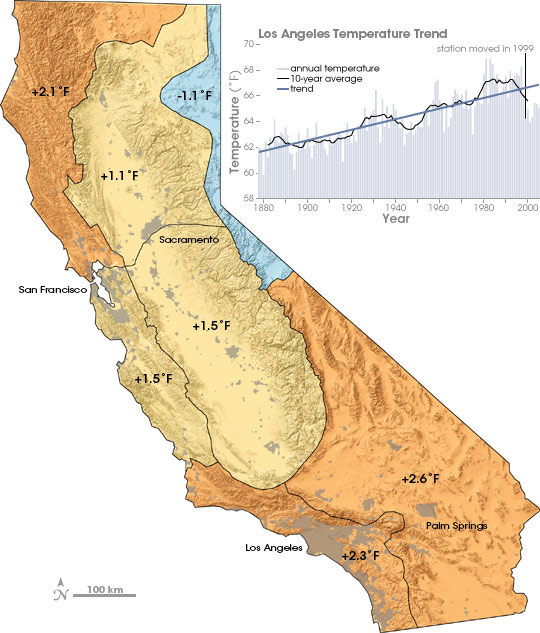
The sheer geographical expanse and varied topography of California are the primary drivers of its temperature variations. From the cool, fog-shrouded coastlines to the scorching inland deserts, the temperate central valleys, and the majestic high-altitude peaks, the state offers a meteorological smorgasbord. This article will delve into the distinct climatic zones of California, exploring how temperatures fluctuate throughout the year and how these patterns influence travel, accommodation choices, tourism activities, and the overall lifestyle enjoyed by visitors and residents alike.
Understanding California’s Diverse Climates
California’s climate is generally characterized as Mediterranean, particularly along the coast, featuring warm, dry summers and mild, wet winters. However, this is a broad generalization that barely scratches the surface. As you move inland and gain elevation, the climate shifts dramatically, creating a rich mosaic of environmental conditions that cater to every type of traveler.
The Coastal Influence: Mild Year-Round
The California coastline, stretching from San Diego in the south to the Redwood forests up north, benefits from the moderating influence of the Pacific Ocean. Here, temperatures remain relatively mild throughout the year, with less extreme fluctuations than inland areas. Cities like San Francisco, Los Angeles, and Santa Barbara epitomize this climate.
In San Francisco, summer days are famously cool and often foggy, with average highs in the mid-60s Fahrenheit (18-20°C). Winters are mild, typically ranging from the mid-40s to mid-50s Fahrenheit (7-13°C). Further south in Los Angeles, the climate is sunnier and warmer. Summer highs often reach the low to mid-80s Fahrenheit (27-30°C), particularly away from the immediate coast, while winter daytime temperatures hover comfortably in the mid-60s to low 70s Fahrenheit (18-22°C). San Diego offers an even more consistently pleasant climate, often cited as one of the best in the United States, with year-round averages that rarely dip below 60°F (15°C) or exceed 85°F (29°C).
This consistent mildness makes coastal California a prime destination for travel at any time of year. Hotels along the coast, from luxury resorts in Laguna Beach to charming boutique accommodations in Carmel-by-the-Sea, capitalize on this appealing weather, offering outdoor dining and beachfront access for most of the year. Popular landmarks like the Golden Gate Bridge, Santa Monica Pier, and the pristine beaches of Malibu are accessible for tourism activities, from surfing and sunbathing to scenic drives along Big Sur.
Inland Valleys and Desert Extremes
Venturing eastward from the coast, the moderating effect of the Pacific Ocean wanes, leading to more pronounced temperature swings. California’s central valleys, including the vast San Joaquin Valley and the Sacramento Valley, experience hot, dry summers and cool, often foggy winters. Cities like Sacramento can see summer temperatures regularly exceeding 90°F (32°C), sometimes even topping 100°F (38°C). Winters are cooler, with average highs in the 50s Fahrenheit (10-15°C) and occasional frosts.
Further inland, especially in the southeastern part of the state, lie the arid desert regions, home to some of the most extreme temperatures in the United States. Death Valley National Park, for instance, holds the record for the highest air temperature ever recorded on Earth, a scorching 134°F (56.7°C) in July 1913. Summer daytime temperatures in Death Valley routinely soar above 110°F (43°C), making outdoor exploration challenging, to say the least.
However, the desert has its appeal, especially outside the peak summer months. From October to May, destinations like Palm Springs offer glorious sunny days with average temperatures ranging from the 70s to 80s Fahrenheit (21-30°C), perfect for golfing, hiking, and enjoying the many desert resorts with their refreshing pools. The Mojave Desert and Joshua Tree National Park also become popular spots for outdoor enthusiasts during these cooler months, offering unique landscapes and stargazing opportunities. Luxury hotels and boutique villas in Palm Springs cater to a lifestyle of relaxation and sophistication, thriving during the mild winter season.
Alpine Regions: Four Seasons of Wonder
The towering Sierra Nevada mountain range, running along California’s eastern flank, presents a completely different climatic picture. Here, elevation plays a crucial role in temperature, with distinct four seasons. Areas like Lake Tahoe and Yosemite National Park are iconic examples of California’s alpine climate.
In winter, these regions are blanketed in snow, with temperatures often dropping below freezing, especially at night. Daytime highs typically range from the 20s to 40s Fahrenheit (-6 to 4°C), creating ideal conditions for skiing, snowboarding, and other winter sports. Ski resorts around Lake Tahoe become bustling hubs, offering a wide range of accommodation from cozy cabins to full-service hotels.
Summers in the Sierra Nevada are gloriously warm and sunny, with daytime temperatures in the 70s and 80s Fahrenheit (21-27°C), perfect for hiking, camping, and water activities on crystal-clear lakes. Nights remain cool, often dipping into the 40s or 50s Fahrenheit (4-10°C), providing a refreshing contrast. Spring and autumn offer milder temperatures and stunning natural beauty, from wildflowers to vibrant fall foliage, making them ideal for less crowded travel and exploration of natural landmarks.
Seasonal Variations and Travel Planning
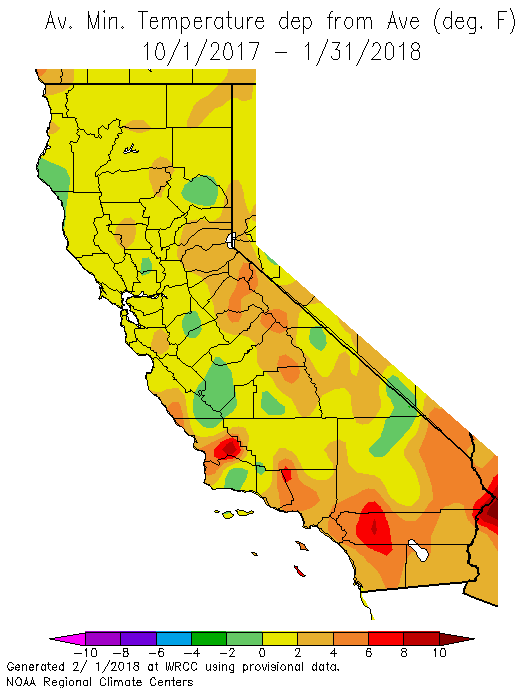
Understanding California’s seasonal temperature shifts is paramount for planning your trip, influencing everything from what to pack to the best time to visit specific destinations.
Spring Blooms and Mild Adventures
Spring (March to May) is a delightful time to visit much of California. The coastal regions are pleasantly mild, with temperatures generally in the 60s and 70s Fahrenheit (15-25°C). Wildflowers carpet the hillsides, and the weather is perfect for exploring cities, wineries in Napa Valley and Sonoma, or taking scenic drives. Inland valleys warm up considerably, making them comfortable for outdoor activities before the intense summer heat sets in. In the mountains, snowmelt feeds spectacular waterfalls in Yosemite National Park, though higher elevations might still have significant snowpack. Desert temperatures are ideal, often in the 70s or 80s Fahrenheit (21-30°C), perfect for hiking in Joshua Tree. Many hotels offer competitive rates before the summer rush, making it an excellent time for budget travel.
Summer’s Golden Hues and Outdoor Escapes
Summer (June to August) brings the most significant temperature contrasts. Coastal areas remain relatively cool and often foggy in the mornings, especially in San Francisco (mid-60s F / 18-20°C). Further south in Los Angeles and San Diego, sunny days are the norm, with temperatures in the 70s and 80s Fahrenheit (21-30°C), ideal for beach-going and theme parks like Disneyland. Inland valleys and deserts, however, can be intensely hot, with temperatures well over 90°F (32°C) or even 100°F (38°C). This is the prime time for mountain travel, as Lake Tahoe and Yosemite offer refreshing escape from the heat, with pleasant daytime temperatures and cool nights, perfect for camping and water sports. Popular attractions will be busier, so booking accommodation and activities in advance is highly recommended.
Autumn’s Gentle Embrace
Autumn (September to November) is arguably one of the best times to visit California. The “June Gloom” and “May Gray” along the coast finally lift, giving way to warm, sunny days often called “Indian Summer,” with temperatures frequently in the 70s and 80s Fahrenheit (21-30°C) even in San Francisco. The inland valleys begin to cool down, making them more comfortable, while the desert regions become enjoyable again after the summer inferno. The Sierra Nevada showcases stunning fall foliage, and temperatures are crisp but not yet freezing, perfect for hiking. This season offers a fantastic balance of comfortable temperatures across most regions, fewer crowds than summer, and a wide array of activities, from wine tasting in Napa to beach strolls in Santa Cruz. It’s an excellent time for luxury travel experiences without the peak summer bustle.
Winter Wonderland and Urban Retreats
Winter (December to February) brings cooler, wetter weather to much of the state. Coastal temperatures are mild, generally in the 50s and 60s Fahrenheit (10-18°C), making it ideal for urban tourism in cities like Los Angeles, San Francisco, and San Diego where cultural events, museums, and fine dining remain popular. While rain is more common, extended periods of sunshine still occur. The desert is at its prime, with perfect temperatures in the 60s and 70s Fahrenheit (15-25°C) for outdoor activities. Most dramatically, the Sierra Nevada transforms into a winter wonderland, attracting skiers and snowboarders from around the globe to world-class resorts. Many mountain hotels and cabins offer cozy accommodation packages, providing a perfect backdrop for family trips or romantic getaways. For those seeking snowy adventures, winter is the only time.
Tailoring Your California Experience to the Thermometer
Given California’s vast climatic variations, successfully navigating your trip means aligning your travel plans with the temperatures you prefer and the activities you envision.
Accommodation Choices Across Climate Zones
The type of accommodation you choose can significantly impact your comfort, especially with California’s diverse temperatures. In the desert, particularly during summer, ensure your chosen hotel or resort in Palm Springs boasts excellent air conditioning and inviting pools. Many luxury suites and villas in these regions are designed to offer cool sanctuaries from the heat. Conversely, mountain accommodations near Lake Tahoe or Mammoth Lakes during winter should prioritize heating, fireplaces, and potentially ski-in/ski-out access. Coastal hotels in San Diego or Santa Cruz often have amenities geared towards beach access and outdoor dining, comfortable for the mild year-round weather. For those seeking long-term stays, consider seasonal apartment rentals that allow you to fully immerse yourself in a specific climate for an extended period. Comparing reviews and amenities when booking is crucial.
Lifestyle and Activities: From Beach to Slopes
California’s temperature variations enable an incredible range of lifestyle experiences. You could literally ski in the Sierra Nevada in the morning and surf in the Pacific Ocean in the afternoon, particularly in late spring. This unique geographic proximity allows for diverse activities catering to different preferences.
- Warm Weather Seekers: Gravitate towards the southern coast (San Diego, Orange County) year-round, or the deserts (Palm Springs) from fall to spring. Activities include beach relaxation, surfing, desert hiking, golfing, and pool lounging.
- Mild Climate Enthusiasts: Explore Northern and Central Coast cities (San Francisco, Monterey), wine regions (Napa Valley), and national parks like Redwood National Park in spring, summer, or fall. These areas are perfect for sightseeing, culinary tourism, and gentle outdoor exploration.
- Cold Weather & Snow Lovers: Head to the Sierra Nevada during winter. Skiing, snowboarding, snowshoeing, and cozy cabin stays define this experience. Even in winter, urban centers offer a temperate escape for those not keen on snow.
Packing for California often requires layers, even for a trip focused on a single region, due to the rapid temperature drops from day to night, especially inland. For example, a day trip from Los Angeles to the mountains might require both shorts and a winter jacket.

Navigating California’s Microclimates
A critical tip for traveling in California is to be aware of its famous “microclimates.” Even within a single city like San Francisco, one neighborhood can be sunny while another is shrouded in fog. Inland areas just a few miles from the coast can be significantly hotter. Always check localized weather forecasts for your specific destination and time of year. This attentiveness will help you pack appropriately, plan your daily activities, and make the most of your visit, whether you’re embarking on a business stay or an adventurous family trip.
In conclusion, “What is the temperature of California?” is a question best answered by describing a spectrum rather than a single point. It’s a state where you can chase the sun or the snow, embrace desert heat or coastal cool, all within a few hours’ drive. This climatic diversity is precisely what makes California an endlessly fascinating destination for every type of traveler, year-round. By understanding its varied temperatures, you can unlock the full potential of your California adventure, perfectly aligning your expectations with the glorious reality of the Golden State’s magnificent weather.
LifeOutOfTheBox is a participant in the Amazon Services LLC Associates Program, an affiliate advertising program designed to provide a means for sites to earn advertising fees by advertising and linking to Amazon.com. Amazon, the Amazon logo, AmazonSupply, and the AmazonSupply logo are trademarks of Amazon.com, Inc. or its affiliates. As an Amazon Associate we earn affiliate commissions from qualifying purchases.