
California, a land of unparalleled natural beauty, vibrant cities, and diverse landscapes, beckons millions of travelers each year with its iconic attractions, luxurious resorts, and unique lifestyle experiences. From the sun-kissed beaches of Malibu and Santa Barbara to the towering redwoods of Redwood National Park and the dramatic peaks of the Sierra Nevada, the Golden State offers an endless array of destinations. However, beneath this allure lies a persistent and often devastating challenge: wildfires. The question “What started fire in California?” delves into a complex interplay of natural phenomena, human activity, and a changing climate, with profound implications for tourism, accommodation, and the very fabric of life in this dynamic state. Understanding the origins and impacts of these fires is crucial for anyone planning a visit, residing in, or investing in the future of California’s thriving travel and tourism sector.
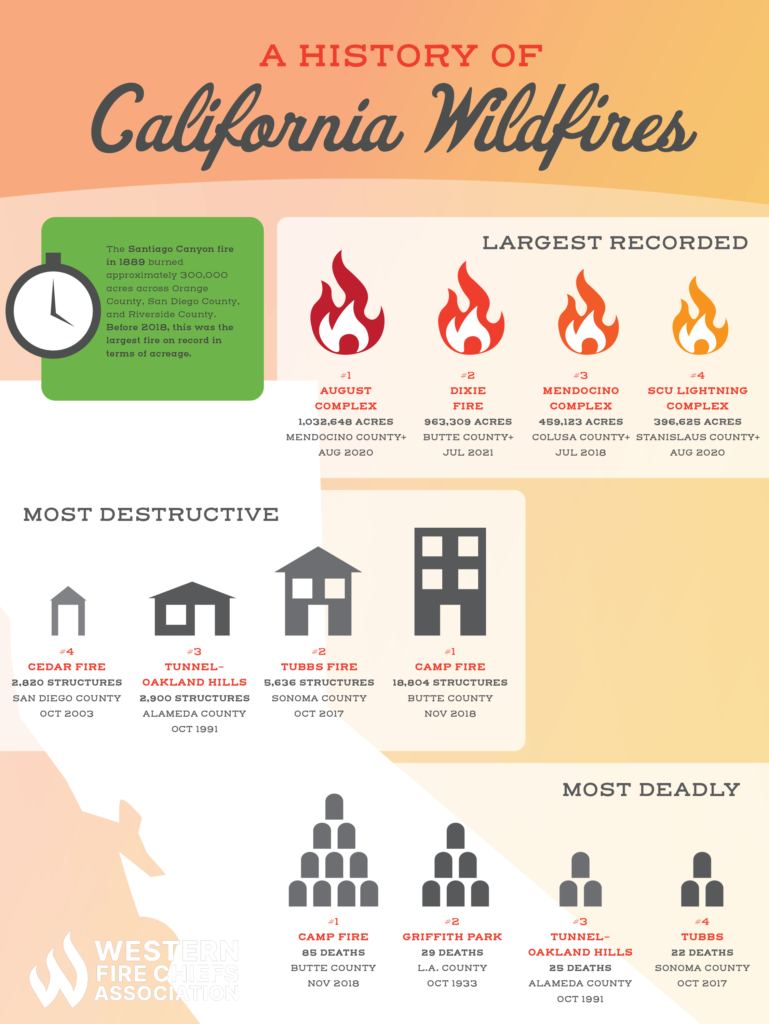
Understanding California’s Wildfire Landscape
California is inherently prone to wildfires due to its Mediterranean climate, characterized by hot, dry summers and wet winters. This cycle leads to the accumulation of dense vegetation, which, after drying out over months, becomes highly combustible fuel. While fire is a natural and necessary part of many ecosystems in the United States, maintaining forest health and biodiversity, the frequency, intensity, and scale of recent blazes have escalated to unprecedented levels. This shift is not merely an environmental concern; it directly impacts travel destinations, necessitates changes in tourism practices, and affects the overall safety and appeal of holiday experiences in affected regions. Travelers often seek out the natural beauty of places like Yosemite National Park or the dramatic coastline of Big Sur, making the threat of wildfires a significant consideration for trip planning.
The Dual Nature of Fire: Natural Cycles vs. Human Impact
Historically, fires in California were predominantly ignited by lightning strikes, particularly during late summer thunderstorms. These natural fires played a vital role in clearing underbrush, promoting new growth, and shaping the diverse ecosystems found across the state’s vast wilderness areas. Indigenous communities also utilized controlled burns for centuries as a land management tool, understanding the delicate balance required to maintain healthy forests and grasslands.
However, the contemporary wildfire crisis is largely distinguished by the overwhelming role of human factors. While natural causes still account for a portion of ignitions, human activity is responsible for the vast majority of fires, particularly those that impact populated areas and critical tourism infrastructure. This human element introduces a level of unpredictability and preventability that is absent from naturally occurring events, making the question of “what started the fire” often point to our collective actions, or inactions. The expansion of urban areas into wildland-urban interfaces means that more homes, businesses, and indeed, hotels and resorts, are directly exposed to wildfire risk, transforming what was once a natural process into a major societal hazard.
Key Causes: From Lightning Strikes to Human Activity
The causes of wildfires in California are multifaceted, ranging from the purely natural to the almost entirely anthropogenic. Understanding these causes is the first step in prevention, safeguarding not only communities but also the travel experiences that draw visitors to the state.
- Lightning: As mentioned, lightning remains a natural initiator, especially in remote, forested areas. These fires can be challenging to contain due to their often inaccessible locations and can spread rapidly under adverse weather conditions.
- Equipment Use: One of the most common human-caused ignition sources is related to equipment. This includes sparks from power lines – an issue that has prompted major utility companies to invest heavily in grid hardening and preventative power shutoffs. Agricultural equipment, construction tools, and even vehicle exhaust systems can also generate sparks capable of igniting dry vegetation.
- Campfires and Open Flames: Carelessly managed campfires, discarded cigarettes, or unauthorized burns are significant culprits. As travelers flock to campsites and natural areas throughout California to enjoy outdoor experiences, the risk of accidental ignitions increases. Following strict fire safety guidelines is paramount, especially in national parks like Joshua Tree National Park or around popular destinations like Lake Tahoe.
- Arson: Deliberate acts of arson, though less frequent than accidental ignitions, can be devastating. These fires are particularly challenging to prevent and manage, adding another layer of complexity to wildfire mitigation efforts.
- Fireworks and Controlled Blasts: Illegal fireworks or even permitted activities like blasting can lead to significant fires, particularly during dry seasons.
- Debris Burning: Unregulated burning of trash or yard waste, especially on windy days or when conditions are extremely dry, frequently results in escaped fires that can quickly grow out of control.
Each of these causes underscores the need for heightened awareness and responsible behavior, not just from residents, but from every visitor enjoying California’s diverse offerings.
The Far-Reaching Impact on Travel and Tourism
Wildfires in California cast a long shadow over its vibrant travel and tourism industry. The immediate devastation of homes and natural landscapes is often followed by a ripple effect that impacts destinations, accommodation providers, and the very experience of travel, often long after the flames have been extinguished. This creates a challenging environment for tour operators, travel agencies, and individual travelers alike, prompting questions about safety, accessibility, and responsible tourism.
Destinations Under Threat: Iconic Locations and Natural Wonders
California’s appeal lies significantly in its iconic landmarks and breathtaking natural beauty. From the wine regions of Napa Valley and Sonoma County to the majestic forests of the Sierra Nevada, many of these prized destinations are located in areas vulnerable to wildfires. When fires rage, access roads are closed, parks are evacuated, and the very essence of these attractions is threatened. Beyond the direct damage, the air quality can become severely impacted over vast distances, even affecting major metropolitan areas like Los Angeles and San Francisco, reducing visibility and posing health risks. This can deter tourists from visiting, leading to significant economic losses for local communities that rely heavily on tourism revenue. Imagine planning a scenic drive along Big Sur only to find it closed, or a wine tasting tour in Napa Valley overshadowed by smoky skies. The emotional and environmental scars can take years to heal, altering the landscape and the tourist experience for the foreseeable future.
Hotels, Resorts, and Accommodation: Safety and Disruption
The accommodation sector is directly on the front lines when wildfires strike. Hotels, resorts, apartments, and villas in or near fire-prone areas face immediate threats. Evacuations become necessary, leading to sudden cancellations, revenue loss, and significant operational challenges. Beyond the physical safety of guests and staff, the financial impact can be immense. Properties may suffer direct damage, requiring extensive rebuilding or renovation, impacting everything from luxury suites to budget-friendly apartments. Even properties far from the immediate fire zone can experience a downturn in bookings due to general concerns about air quality, travel disruptions, or a perception that the entire state is affected.
For example, a boutique hotel in Malibu might face evacuation orders, while a Ritz-Carlton resort in Lake Tahoe could see bookings plummet due to smoky conditions from fires hundreds of miles away. The disruption extends to amenities, dining experiences, and even long-term stay options, as insurance complexities and rebuilding efforts can be protracted. This forces accommodation providers to invest more in preparedness, emergency response plans, and even fire-resistant landscaping, adding to operational costs but ultimately ensuring guest safety and business continuity. The hospitality industry, from grand resorts to quaint bed and breakfasts, must adapt to this new reality, prioritizing safety and transparency in their guest communications.
A Traveler’s Perspective: Safety, Air Quality, and Trip Planning
For the intrepid traveler, wildfires introduce new layers of complexity to trip planning. The primary concern is, of course, safety. Travelers must stay informed about current fire activity, evacuation orders, and road closures, often relying on real-time updates from official sources. Air quality is another major consideration; smoky conditions can exacerbate respiratory issues and diminish the enjoyment of outdoor activities, from hiking in national parks to strolling along city streets in San Diego.

This necessitates a more flexible approach to travel. Booking accommodations with generous cancellation policies, purchasing travel insurance, and having alternative itineraries become more important than ever. Visitors may need to adjust their expectations, understanding that certain natural attractions might be temporarily inaccessible or that views may be obscured by haze. Engaging with local tourism boards and hotel staff for up-to-date information is crucial. For instance, a family planning a dream trip to Disneyland might need to consider air quality during peak wildfire season, even if the attraction itself is far from any active blaze. Responsible tourism also means understanding that supporting affected local businesses post-fire can be a vital part of their recovery.
Navigating Wildfire Season: Responsible Tourism and Prevention
As wildfires become an increasingly prevalent aspect of California’s yearly cycle, responsible tourism takes on a new urgency. Travelers have a significant role to play not only in preventing new ignitions but also in supporting the resilience and recovery of affected communities. The concept of “Leave No Trace” extends beyond litter to include active fire prevention measures and conscious travel choices.
Essential Tips for Visitors to California
For anyone planning a trip to California, especially during the dry season (typically late spring through fall), here are crucial tips to ensure safety and prevent wildfires:
- Stay Informed: Before and during your trip, monitor official sources like CAL FIRE (the California Department of Forestry and Fire Protection) and local news for wildfire updates, air quality alerts, and road closures. Websites and apps dedicated to air quality are invaluable.
- Respect Fire Bans and Restrictions: Pay close attention to any fire restrictions in place, especially in national parks, state parks, and wilderness areas. This includes bans on campfires, barbecues, and smoking. Adhering to these rules is non-negotiable.
- Practice Campfire Safety: If campfires are permitted, use designated fire rings, keep a shovel and water nearby, never leave a fire unattended, and ensure it is completely extinguished and cold to the touch before leaving.
- Be Mindful of Vehicle Use: Ensure your vehicle is properly maintained to prevent sparks from faulty catalytic converters or dragging chains. Avoid parking on dry grass where hot exhaust pipes could ignite vegetation.
- Dispose of Smoking Materials Properly: Never toss cigarette butts out of a car window or onto dry ground. Use ashtrays and ensure all smoking materials are fully extinguished.
- Have an Evacuation Plan: If you are staying in a fire-prone area, familiarize yourself with local evacuation routes and emergency procedures provided by your accommodation.
- Consider Travel Insurance: Comprehensive travel insurance can provide peace of mind by covering unexpected trip cancellations or interruptions due to wildfires.
- Flexibility is Key: Be prepared to adjust your itinerary if conditions change. Prioritize safety over sticking to a rigid plan.
- Support Local Businesses: If safe to do so, continue to visit and support businesses in unaffected or recovering areas. Tourism is often a major economic driver for these communities.
By integrating these tips into their travel plans, visitors can significantly reduce the risk of accidental ignitions and ensure a safer, more enjoyable experience in California.
Supporting Recovery: Sustainable Travel Practices
Beyond prevention, travelers can play a vital role in the recovery and resilience of communities affected by wildfires. Sustainable tourism is not just about environmental protection; it also encompasses supporting local economies and cultures, especially during times of crisis.
- Visit with Purpose: When an area has recovered from a fire, consider visiting to directly contribute to its economic resurgence. Choose local hotels, dine at local restaurants, and purchase from local shops. This direct injection of funds helps communities rebuild and re-establish their tourism infrastructure.
- Engage in Volunteer Tourism: For those with more time, volunteer opportunities can arise in areas needing reforestation, trail restoration, or community support. This offers a deeper, more impactful way to experience and contribute to a destination.
- Choose Eco-Conscious Accommodation: Select hotels and resorts that demonstrate a commitment to environmental sustainability, including fire-wise landscaping and resource conservation. Many accommodations now openly share their eco-friendly practices.
- Educate Yourself and Others: Share knowledge about wildfire prevention and responsible tourism practices with fellow travelers. Understanding the challenges faced by destinations like California fosters a more informed and empathetic travel community.
- Respect Natural Recovery: Understand that natural landscapes take time to heal. Some areas may be closed for ecological restoration; respecting these closures is crucial for long-term recovery.
By adopting these sustainable travel practices, visitors become partners in California’s resilience, helping to ensure that its natural beauty and vibrant culture can be enjoyed by future generations.
The Path Forward: Resilience and Adaptation in California Tourism
The ongoing challenge of wildfires in California demands a proactive and adaptive approach from residents, government agencies, and the tourism industry alike. The question of “what started the fire” leads inevitably to “what can we do to prevent the next one and recover from the last?” The path forward involves significant investment in prevention, innovative adaptation strategies, and a sustained commitment to supporting communities and natural landscapes.
Investing in Prevention and Preparedness
A critical component of future resilience involves extensive investment in wildfire prevention and preparedness. This includes:
- Forest Management: Implementing large-scale prescribed burns, mechanical thinning, and managed grazing to reduce fuel loads in forests and wildlands.
- Infrastructure Hardening: Upgrading power lines, improving roads for emergency access, and ensuring robust communication systems.
- Community Defensible Space: Encouraging and enforcing defensible space around homes and businesses, including hotels and resorts, to create zones that reduce fire intensity.
- Early Detection Systems: Utilizing advanced technologies like satellite monitoring, AI-powered camera networks, and drone surveillance for rapid detection of new ignitions.
- Public Education Campaigns: Continuously educating residents and tourists about fire safety and prevention.
For the tourism industry, this translates into adopting fire-resistant building materials for new developments, retrofitting existing structures, and training staff in emergency response protocols. Hotels and resorts, from those overlooking the Pacific Ocean in Santa Barbara to those nestled in the hills of Hollywood, are increasingly integrating these measures into their core operations, enhancing guest safety and ensuring long-term viability.
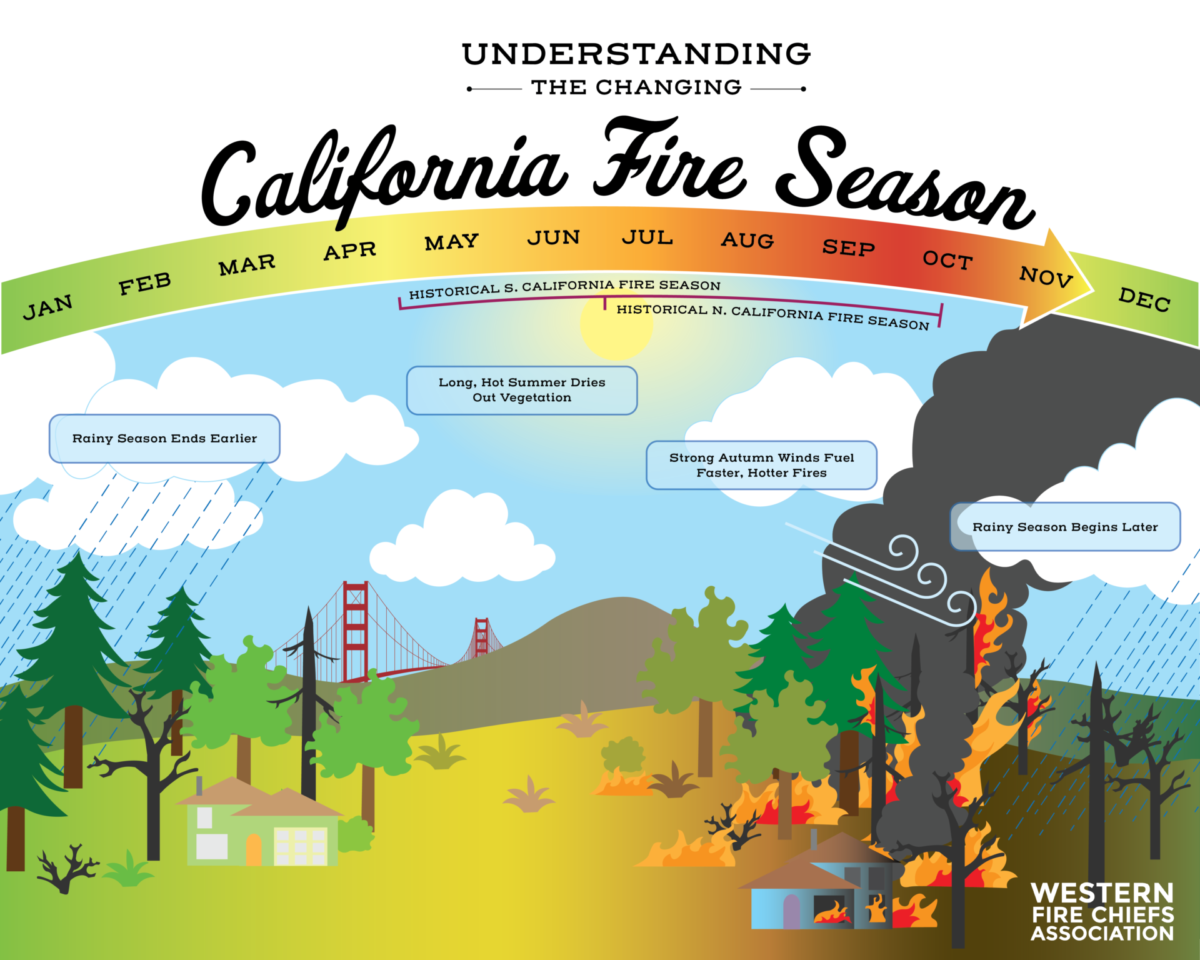
Rediscovering California: Post-Wildfire Travel
Even after major wildfires, California remains a compelling destination. Post-wildfire travel, while sometimes presenting altered landscapes, also offers unique opportunities for reflection and appreciation. Seeing an area in recovery can be a powerful experience, highlighting the resilience of nature and communities.
- New Perspectives: Burned areas can reveal new geological features, offer different scenic vistas, and provide insights into ecological regeneration.
- Community Connection: Engaging with locals who are rebuilding and revitalizing their areas can lead to profound and authentic travel experiences, enriching one’s understanding of local culture.
- Support for Restoration Efforts: Travelers can visit organizations involved in reforestation and conservation, learning about ongoing efforts and perhaps even participating.
- Focus on Unaffected Areas: Many parts of California remain untouched by fires. Encouraging travel to these destinations ensures that the overall tourism economy remains robust. San Francisco’s vibrant cityscape, Los Angeles’s entertainment industry, and San Diego’s coastal charm are examples of areas that typically continue to thrive even during challenging wildfire seasons elsewhere.
The narrative of “What started fire in California?” is evolving. It’s no longer just a question of origin, but a call to action for collective responsibility, proactive adaptation, and a renewed commitment to experiencing and preserving the Golden State’s extraordinary beauty, even in the face of its fiery challenges. By embracing responsible travel, supporting sustainable practices, and understanding the complex dynamics of wildfires, visitors can continue to enjoy the myriad wonders that California has to offer, contributing to its enduring appeal as a world-class destination.
LifeOutOfTheBox is a participant in the Amazon Services LLC Associates Program, an affiliate advertising program designed to provide a means for sites to earn advertising fees by advertising and linking to Amazon.com. Amazon, the Amazon logo, AmazonSupply, and the AmazonSupply logo are trademarks of Amazon.com, Inc. or its affiliates. As an Amazon Associate we earn affiliate commissions from qualifying purchases.