
Colorado, often celebrated as the “Centennial State” for its admission to the United States in 1876, is a land of stunning natural beauty, vibrant cities, and a dynamic economy. From the majestic peaks of the Rocky Mountains to its sprawling high plains, this Western state continually draws attention, not just from tourists seeking adventure but also from individuals and families looking for a new place to call home. This influx has significantly shaped its demographic landscape, making the question “How many people live in Colorado?” a topic of considerable interest, especially for those in the travel, tourism, and accommodation sectors.
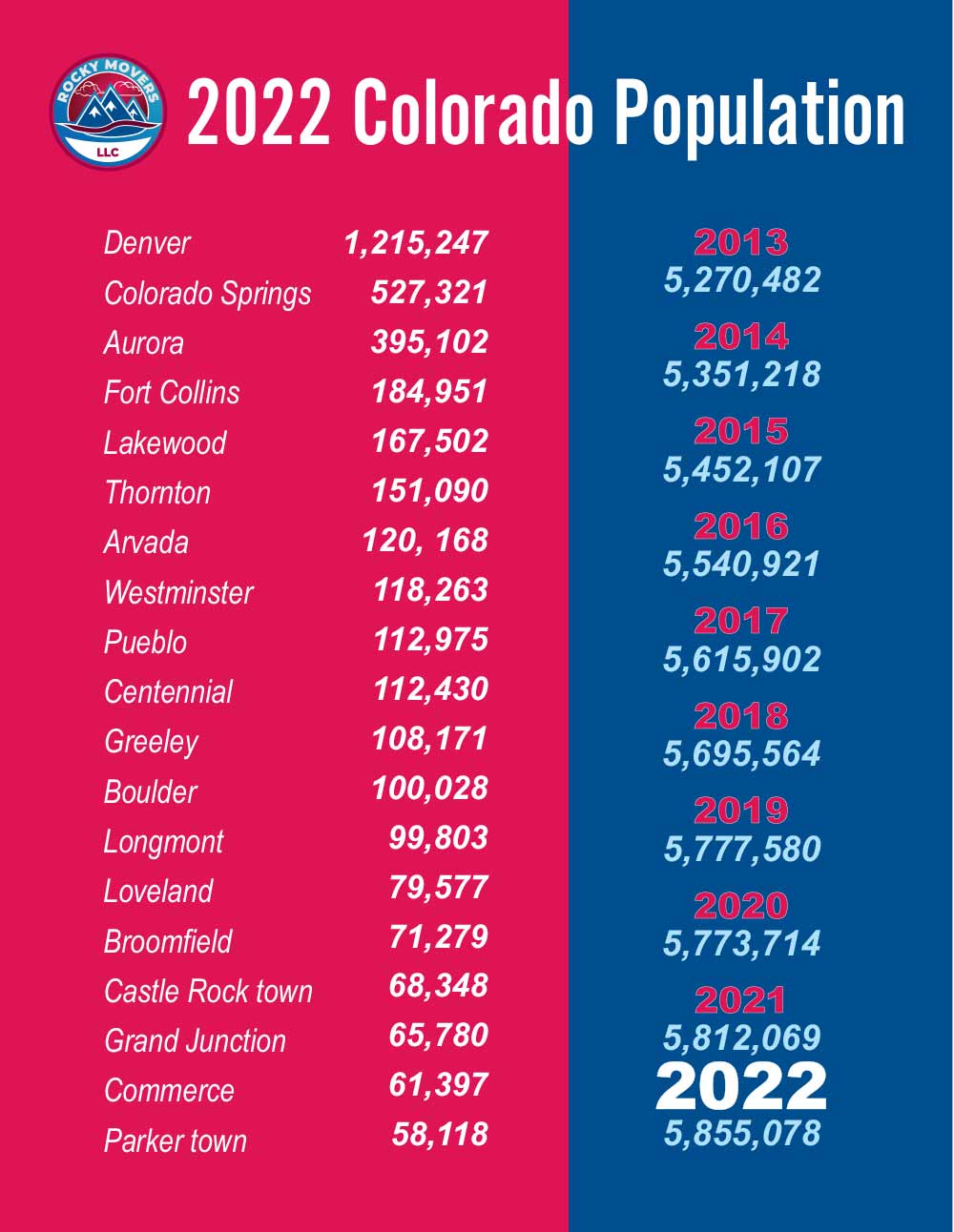
As of recent estimates (late 2023 to early 2024), the population of Colorado hovers around 5.9 million people. This figure represents a robust and steady growth trend, positioning Colorado as one of the fastest-growing states in the nation over the past decade. This growth is not merely a statistical anomaly but a reflection of the state’s undeniable appeal, driven by a blend of economic opportunity, an enviable lifestyle, and unparalleled natural wonders. Understanding the nuances of Colorado’s population provides insight into everything from the demand for hotels and resorts to the evolution of its local culture and infrastructure.
A Growing Centennial State: Population Trends and Demographics
The story of Colorado’s population is one of continuous expansion, marked by periods of rapid growth that have transformed its urban centers and even its more remote areas. This demographic evolution is crucial for anyone exploring Colorado as a travel destination or considering it for a long-term stay.
Colorado’s Population Over Time: A Historical Perspective
Colorado’s population growth accelerated significantly in the latter half of the 20th century and has shown no signs of slowing down in the 21st. The state crossed the 1 million mark in the early 1940s, reached 3 million by the late 1980s, and surged past 5 million in the mid-2010s. This trajectory is largely attributable to several key factors. Economically, Colorado has diversified beyond its mining and agricultural roots, becoming a hub for technology, aerospace, renewable energy, and, notably, a thriving tourism industry. These sectors have created a wealth of job opportunities, drawing talent from across the United States and beyond.
Beyond economics, the sheer quality of life offered in Colorado is a powerful magnet. The promise of over 300 days of sunshine a year, coupled with immediate access to world-class outdoor recreation, is a lifestyle many seek. From the bustling metropolitan vibe of Denver to the serene mountain towns, Colorado offers a spectrum of living environments that cater to diverse preferences. This combination of economic vitality and lifestyle appeal ensures that Colorado’s population continues its upward trend, albeit with the inherent challenges that come with rapid expansion, such as managing housing affordability and infrastructure demands.
Who Lives in Colorado? Demographics at a Glance
The nearly 5.9 million residents of Colorado form a diverse and increasingly cosmopolitan population. The state’s demographic profile reflects a youthful and educated populace, contributing to its innovative spirit. The median age in Colorado is generally lower than the national average, attracting a significant number of young professionals and families. This youthful demographic often translates into a vibrant cultural scene, a demand for family-friendly attractions, and a dynamic workforce.
Ethnically, Colorado is predominantly white, but its Hispanic/Latino population is a significant and growing demographic, particularly in urban areas and agricultural regions. There are also smaller but notable populations of African Americans, Asians, and Native Americans, contributing to a rich tapestry of local culture. This diversity enriches the state’s culinary scene, arts, and community events, offering visitors a deeper understanding of Colorado’s evolving identity.
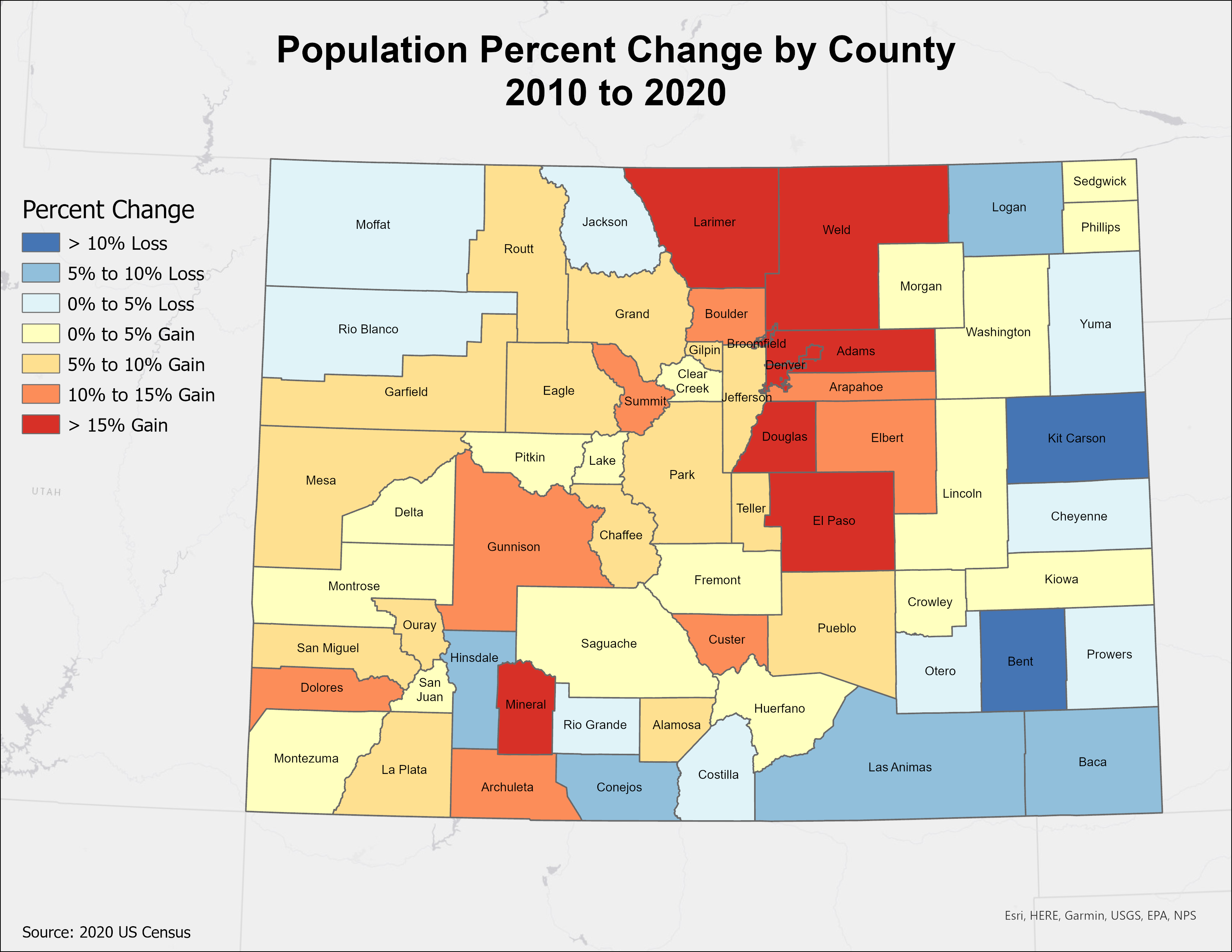
Geographically, the vast majority of [Colorado](https://lifeoutofthebox.com/colorado]’s population resides along the Front Range Urban Corridor, an area stretching from Pueblo in the south to Fort Collins in the north. Key cities within this corridor include:
- Denver: The capital and largest city, a major economic and cultural hub. Its population is well over 700,000, and the wider metropolitan area accounts for over 3 million residents.
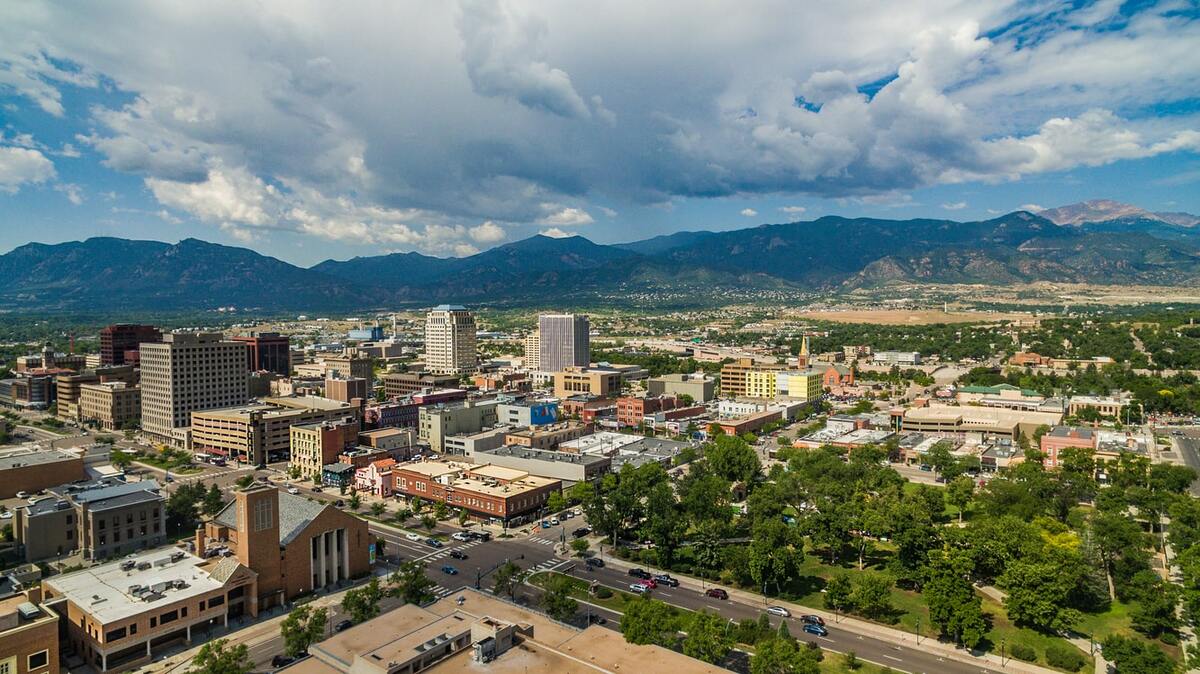
- Colorado Springs: Home to military installations and a burgeoning tech industry, known for its stunning views of Pikes Peak.
- Aurora: A large, diverse city adjacent to Denver, known for its medical facilities like the Anschutz Medical Campus.
- Fort Collins: A vibrant college town, home to Colorado State University, recognized for its craft beer scene and outdoor lifestyle.
- Boulder: Nestled at the base of the Flatirons, renowned for its progressive lifestyle, outdoor recreation, and the University of Colorado Boulder.
While these urban centers anchor the state’s population, numerous smaller towns and mountain communities, like Grand Junction, Durango, Aspen, and Vail, contribute to the state’s overall population and offer distinct lifestyles and visitor experiences.
Why Colorado Attracts New Residents: Lifestyle and Economic Drivers
The sustained increase in Colorado’s population is not accidental. It is a direct result of a compelling combination of lifestyle benefits and robust economic opportunities that appeal to a wide array of individuals and businesses. This makes Colorado a prime example of a state where tourism, economic development, and residential appeal are deeply intertwined.
The Allure of the Outdoors and Lifestyle
For many, the primary draw to Colorado is its unparalleled access to the outdoors. The state boasts 58 fourteeners (mountains over 14,000 feet), numerous national parks such as Rocky Mountain National Park, Mesa Verde National Park, and Great Sand Dunes National Park and Preserve, and countless state parks and wilderness areas. This natural playground facilitates a healthy, active lifestyle. Hiking, biking, skiing, snowboarding, rock climbing, rafting, and fishing are not just hobbies here; they are integral parts of daily life for many residents.
This active lifestyle permeates the local culture, influencing everything from urban planning to local cuisine and fashion. Cities like Boulder and Golden are consistently ranked among the fittest cities in the United States. This focus on well-being and connection with nature creates a high quality of life that is difficult to replicate elsewhere, making it particularly attractive to those seeking a balanced existence away from the dense populations of coastal giants like California or New York.
Economic Opportunities and Innovation
Beyond its natural beauty, Colorado has cultivated a remarkably resilient and diverse economy. The state has emerged as a significant player in several high-growth industries, which are powerful magnets for job seekers and entrepreneurs.
- Technology and Aerospace: Often dubbed “Silicon Valley of the Rockies,” Colorado is home to a robust tech sector, particularly in Denver and Boulder. It also has a strong aerospace industry, with major government facilities and private companies contributing to space exploration and defense.
- Tourism and Hospitality: Given its natural attractions, Colorado’s tourism sector is immense. This industry supports a vast network of hotels, resorts, restaurants, and service businesses, creating thousands of jobs across the state, from ski resorts like Vail and Aspen to urban cultural landmarks.
- Energy and Renewables: With abundant natural resources and a progressive stance on environmental policy, Colorado is a leader in renewable energy research and development, particularly in solar and wind power.
- Healthcare and Bioscience: The Denver Metro Area, especially around the Anschutz Medical Campus, is a growing hub for medical research, biotechnology, and healthcare services.
These diverse economic drivers, combined with a supportive business environment and a highly educated workforce (thanks to institutions like the University of Colorado Boulder and Colorado State University), make Colorado an attractive location for both individuals seeking career advancement and companies looking to expand. This economic vitality is a cornerstone of the state’s population growth.
Impact on Travel, Tourism, and Accommodation
The rapid population growth and enduring popularity of Colorado have profound implications for its travel, tourism, and accommodation industries. A growing resident base not only means more internal tourism but also places increased demand on infrastructure and services that cater to both locals and visitors.
Meeting the Demand: Colorado’s Tourism and Hotel Landscape
With nearly 6 million residents and millions more tourists visiting annually, the demand for accommodation in Colorado is consistently high. This robust demand has fueled a boom in hotel development and the expansion of other accommodation options across the state. In major cities like Denver, visitors can find a wide range of choices, from luxury hotels such as the Grand Hyatt Denver and the JW Marriott Denver Cherry Creek to boutique hotels in historic districts like LoDo (Lower Downtown Denver) or the vibrant RiNo Art District. The state has seen significant investment from major hospitality brands like Marriott, Hilton, and Hyatt, ensuring a wide selection of suites and amenities.
In the mountain towns, especially famous ski resorts like Aspen, Vail, Breckenridge, and Telluride, the accommodation landscape is dominated by high-end resorts and luxurious villas. Properties like the Four Seasons Resort and Residences Vail or the Hotel Jerome in Aspen cater to an affluent clientele, offering premium experiences. For those seeking unique stays, historic hotels like The Stanley Hotel in Estes Park provide a blend of history and comfort. Additionally, the proliferation of apartments and villas available through platforms like Airbnb and Vrbo has diversified the market, offering more options for long-term stays or family trips.
This growth in both population and tourism necessitates continuous development in accommodation and supporting services. It also means that booking in advance, especially during peak seasons like winter ski months or summer hiking season, is crucial. For business stays, convention centers like the Colorado Convention Center in Denver are also expanding to meet demand.
Navigating Colorado’s Growing Popularity: Tips for Visitors and Residents
While Colorado’s growth offers many benefits, it also presents certain challenges. For visitors, this means that popular attractions and landmarks like Rocky Mountain National Park or the Garden of the Gods can experience significant crowds, particularly during peak seasons. Planning ahead, arriving early, or visiting during off-peak times can greatly enhance the experience. Utilizing resources for booking accommodation and reviews can help secure the best options and avoid disappointment.
For residents, the growing population has led to increased traffic, particularly on Front Range highways, and a rising cost of living, especially for housing in desirable areas. However, the benefits of a larger, more diverse population also include a richer cultural scene, more diverse dining options, expanded infrastructure, and a wider array of services. Urban areas like Denver now boast world-class museums like the Denver Art Museum, vibrant music venues like Red Rocks Park and Amphitheatre, and bustling commercial districts like the Pearl Street Mall in Boulder.
Whether you’re planning a luxury travel escape to a mountain resort, a budget travel adventure exploring state parks like Golden Gate Canyon State Park, or considering a move to the vibrant cities, understanding the population dynamics of Colorado is key. The state’s growth continues to shape its landscape, culture, and economy, creating a constantly evolving experience for everyone who calls it home or visits its stunning locales.
Conclusion: Colorado’s Enduring Appeal
With a population approaching 5.9 million, Colorado stands as a testament to sustained growth and magnetic appeal. Its unique blend of breathtaking natural beauty, a robust and innovative economy, and a lifestyle that champions outdoor activity and cultural richness has attracted millions, transforming it into one of the United States’ most dynamic states. This growth has, in turn, fueled a thriving tourism industry and a diverse accommodation market, offering everything from quaint apartments for long-term stays to opulent villas in renowned resorts like Aspen and Vail.
For travelers, Colorado offers an endless array of destinations and experiences, from the legendary slopes of Ski Country USA in Steamboat Springs, Winter Park, Snowmass, Beaver Creek and Keystone to the vibrant urban life of Denver and Boulder. For potential residents, it promises a life enriched by natural wonders and economic prosperity. As Colorado continues to evolve, its core identity as a haven for adventure, innovation, and a high quality of life remains strong, ensuring its continued prominence on both the national and international stage. The story of Colorado’s population is far from over, and its next chapter promises to be just as exciting and transformative.
LifeOutOfTheBox is a participant in the Amazon Services LLC Associates Program, an affiliate advertising program designed to provide a means for sites to earn advertising fees by advertising and linking to Amazon.com. Amazon, the Amazon logo, AmazonSupply, and the AmazonSupply logo are trademarks of Amazon.com, Inc. or its affiliates. As an Amazon Associate we earn affiliate commissions from qualifying purchases.