
California, the Golden State, is a land of immense diversity, not just in its landscapes and cultures, but also in its very definition of “zone.” This isn’t a single, monolithic entity, but rather a tapestry woven from distinct geographical, climatic, and even agricultural regions. To truly understand “what zone California is,” we must explore these multifaceted aspects, moving beyond a simple geographical designation to appreciate the rich interplay of factors that define its character and influence everything from its iconic attractions to its vibrant local culture.
Navigating California’s Diverse Climatic Zones
California’s elongated shape, stretching over 800 miles from north to south, positions it across a remarkable spectrum of climatic influences. From the temperate rainforests of the north to the arid deserts of the south, and the Mediterranean climate characteristic of its coast, understanding these zones is crucial for appreciating the state’s natural beauty and the activities it offers.
The Northern California Climate: Fog, Forests, and Mild Winters
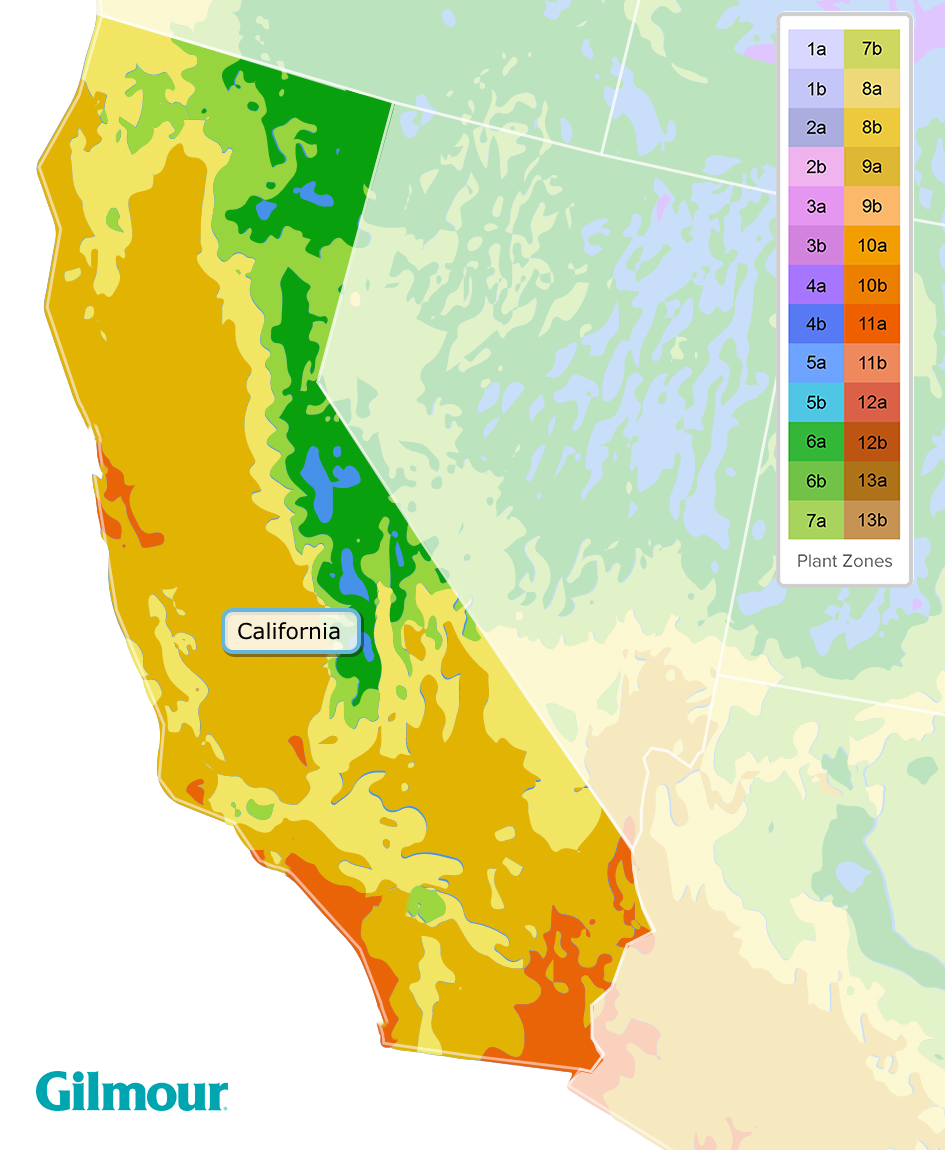
Northern California, particularly the coastal regions, is famously influenced by the Pacific Ocean‘s cool currents. This results in a predominantly Mediterranean climate, characterized by warm, dry summers and cool, wet winters. The iconic San Francisco fog is a direct product of this oceanic influence, rolling in to cool the city during summer months. Further inland, areas like Redwood National and State Parks experience a more temperate rainforest climate, with higher rainfall and cooler average temperatures, supporting the majestic old-growth redwood trees. The Sierra Nevada mountains, however, present a stark contrast, with alpine climates featuring heavy snowfall in winter, creating a haven for winter sports, and pleasant, milder summers. Understanding these variations is key for travelers planning excursions, ensuring they are prepared for the specific weather conditions, whether they are exploring the rugged coastline near Mendocino or hiking through the ancient forests of Humboldt County.
Central California’s Varied Climates: Valleys, Coastlines, and Mountain Ranges
Central California encapsulates a significant transition zone. The vast Central Valley experiences a continental climate with hot, dry summers and cooler, wetter winters, ideal for agriculture but demanding for outdoor activities during peak summer. Along the coast, cities like Santa Barbara and Monterey enjoy the classic Mediterranean climate, with its gentle breezes and sunshine, making them prime destinations for leisurely exploration. The southern end of the Sierra Nevada range also dips into this region, offering cooler mountain retreats and stunning natural beauty. The transition between these areas means that within a few hours’ drive, one can experience dramatically different weather patterns, a testament to California’s complex geography.
Southern California’s Sun-Drenched and Arid Expanses
Southern California is often synonymous with sunshine and warmth. The coastal areas, from Los Angeles to San Diego, benefit from a Mediterranean climate moderated by the ocean, offering mild, pleasant temperatures year-round. This fosters a lifestyle centered around outdoor activities and a vibrant tourism industry. Inland, however, the climate shifts dramatically towards arid and desert conditions. The Mojave Desert, home to Joshua Tree National Park, experiences extreme heat in the summer and cooler, though still arid, winters. The presence of mountain ranges, such as the San Gabriel Mountains, further influences local climates, creating microclimates and offering higher elevation escapes from the desert heat. This climatic diversity means that Southern California offers a range of experiences, from beach holidays to challenging desert adventures.
Exploring California’s Agricultural Zones: A Bounty of Produce
California’s varied climates are not just a boon for tourists; they are the engine driving its status as an agricultural powerhouse. The state is divided into distinct agricultural zones, each specializing in crops that thrive under specific environmental conditions. Understanding these zones offers a unique perspective on the state’s culinary landscape and its contribution to global food production.
The Central Valley: The Breadbasket of California
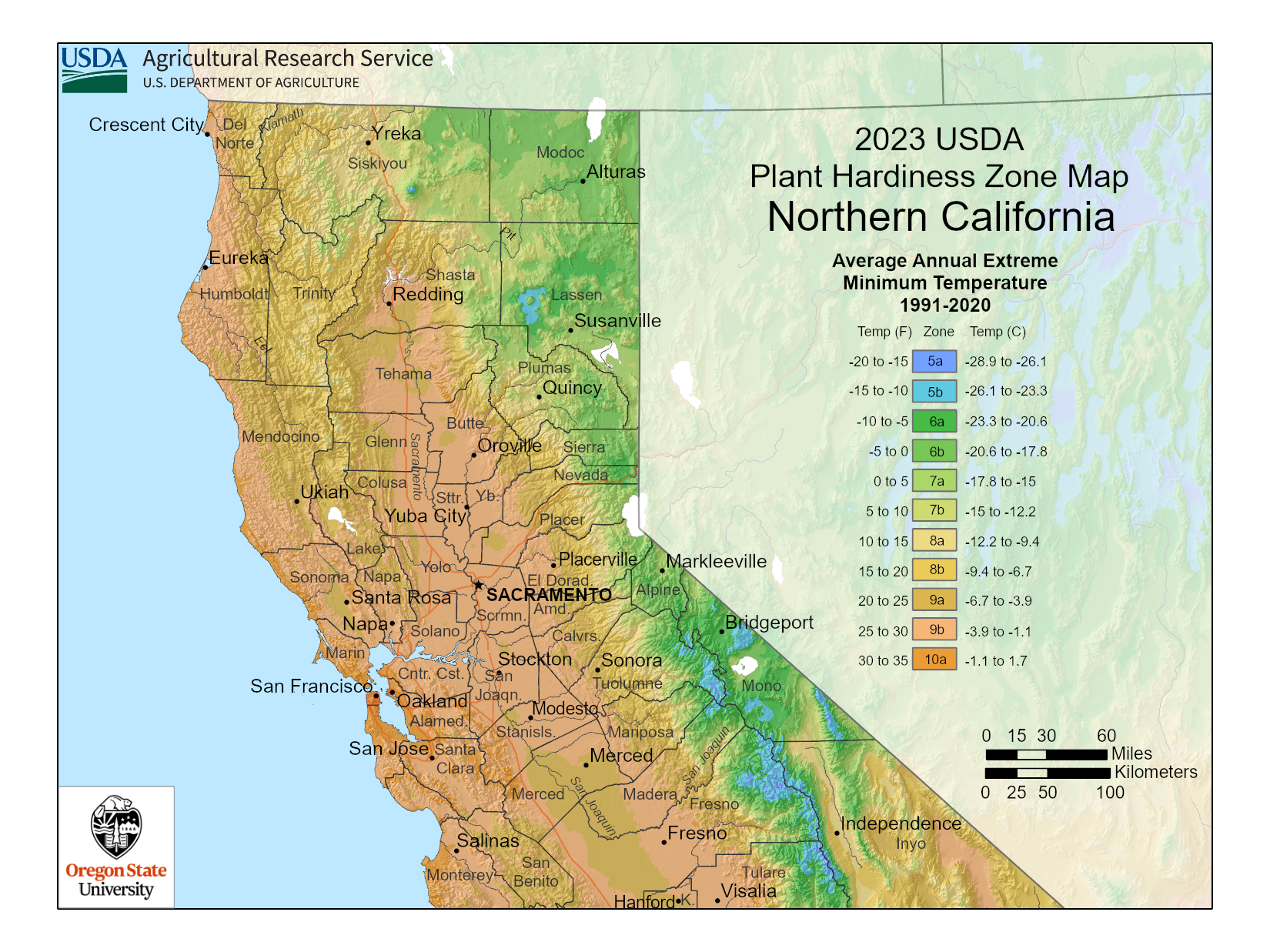
The Central Valley is undeniably the agricultural heartland of California. Its fertile soil and climate are perfectly suited for a vast array of crops. From the iconic Napa Valley and Sonoma Valley wine regions to the sprawling citrus groves and almond orchards, this region produces a significant portion of the United States’ fruits, nuts, and vegetables. The hot summers and moderate winters allow for extended growing seasons. Exploring this zone means encountering endless fields of crops, visiting farmers’ markets overflowing with fresh produce, and tasting world-renowned wines. Destinations like Fresno and Bakersfield are central to this agricultural enterprise, and many food tours and farm-to-table experiences highlight the bounty of the valley.
Coastal Agriculture: Berries, Artichokes, and Marine Influences
California’s coastal regions, influenced by the moderating effect of the Pacific Ocean, are ideal for certain specialized crops. The areas around Salinas and Watsonville are renowned for their strawberries and artichokes, benefiting from the cool, moist air and fertile soils. Further north, the Mendocino Coast is known for its artisanal food producers and unique agricultural practices influenced by the marine environment. Even the wine regions of Santa Barbara County benefit from the coastal fog, which slows grape ripening and enhances flavor complexity, particularly for varietals like Pinot Noir and Chardonnay. These coastal zones offer a distinct taste of California‘s agricultural diversity, emphasizing freshness and regional specialties.
Desert Agriculture: Dates, Melons, and Resourcefulness
While often perceived as barren, certain desert regions of Southern California have developed specialized agricultural niches through innovation and careful water management. The Coachella Valley, for example, is famous for its dates, thriving in the intense heat and arid conditions. Melons, particularly cantaloupes and honeydews, also perform well in these environments. This agricultural zone showcases human ingenuity in harnessing resources to cultivate crops in challenging climates, offering unique produce found nowhere else. Experiencing these desert farms provides an appreciation for the resilience and adaptability of California‘s agricultural sector.
Understanding California’s Lifestyle Zones: From Urban Hubs to Natural Escapes
Beyond climate and agriculture, California can be understood through its distinct lifestyle zones, each offering a unique flavor of life in the Golden State. These zones are shaped by geography, economic drivers, and cultural preferences, providing a rich tapestry of experiences for residents and visitors alike.
The Urban Centers: Innovation, Culture, and Entertainment
California‘s major urban centers, including Los Angeles, San Francisco, and San Diego, represent dynamic lifestyle zones. These are hubs of innovation, culture, and entertainment, attracting people from around the world. Los Angeles is synonymous with the entertainment industry, fashion, and a car-centric culture, while San Francisco is a global leader in technology and boasts a vibrant arts scene and progressive social values. San Diego offers a more laid-back, beach-centric lifestyle with a strong military presence and a burgeoning craft beer scene. These cities are characterized by high population density, diverse culinary offerings, world-class museums, and a fast-paced way of life. Exploring these zones involves navigating bustling streets, visiting iconic landmarks like the Golden Gate Bridge, and immersing oneself in the diverse cultural melting pots.
The Wine Country: Gastronomy, Relaxation, and Scenic Beauty
The Napa Valley and Sonoma Valley represent a distinct lifestyle zone dedicated to viticulture, gastronomy, and refined relaxation. This region is characterized by rolling vineyards, charming towns, and a focus on high-quality food and wine experiences. Visitors come to explore award-winning wineries, indulge in gourmet dining, and enjoy the picturesque landscapes. The pace of life here is slower, centered around the pleasures of the palate and the beauty of the natural surroundings. This zone is perfect for romantic getaways, culinary tours, and experiencing the sophisticated side of California living.
The Mountain and Desert Retreats: Adventure, Solitude, and Nature
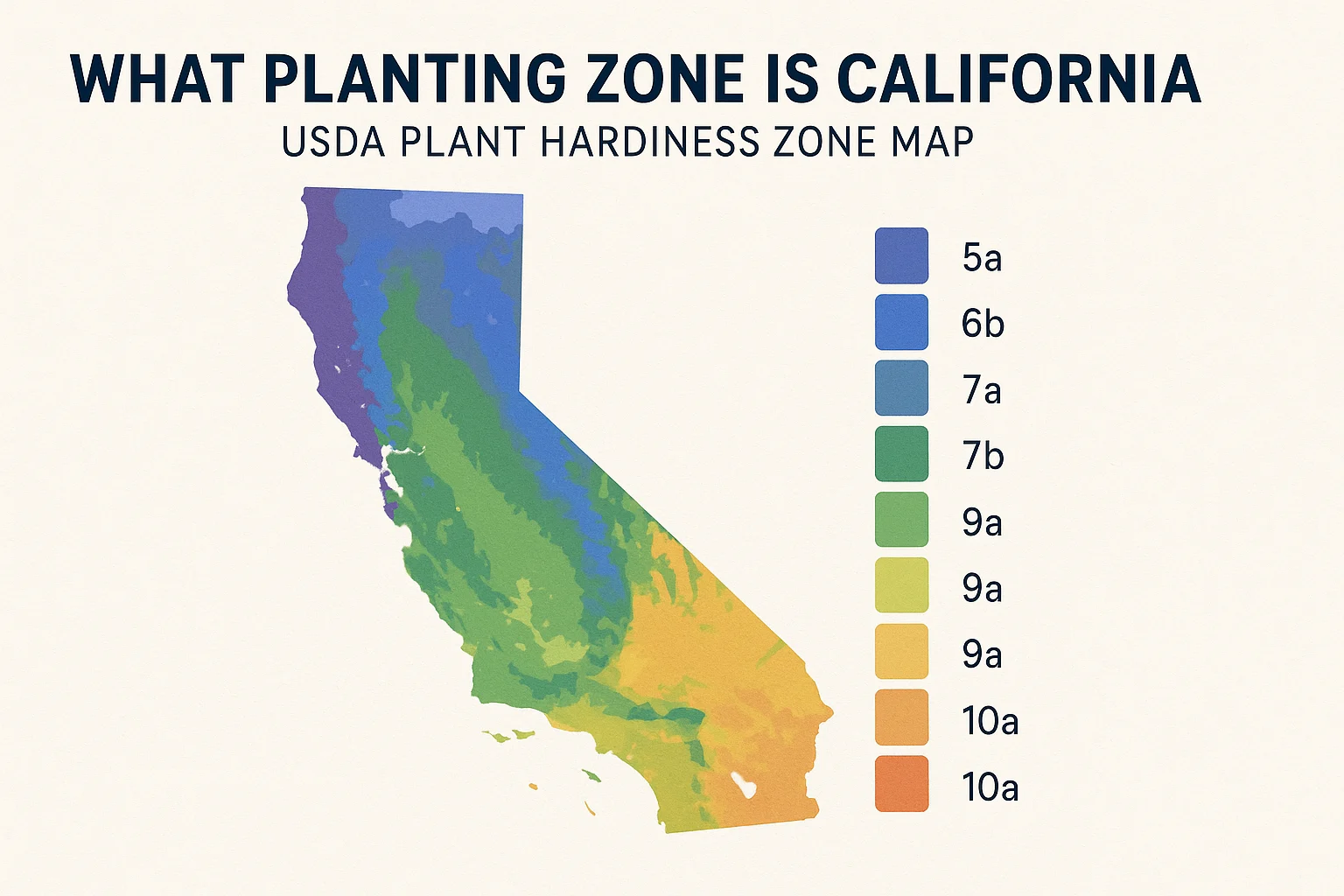
For those seeking a connection with nature and a respite from urban life, California offers numerous mountain and desert retreat zones. The Sierra Nevada mountains, with destinations like Lake Tahoe and Yosemite National Park, are meccas for outdoor adventure, offering skiing, hiking, climbing, and unparalleled scenic beauty. Similarly, desert regions like Palm Springs and the areas surrounding Joshua Tree National Park attract those seeking solitude, unique desert landscapes, and a focus on wellness and outdoor exploration. These zones appeal to individuals and families looking for active lifestyles, breathtaking natural vistas, and a sense of escape.
In essence, asking “What zone is California?” reveals a state of multifaceted identities. It is a state of diverse climates, from fog-kissed coasts to sun-baked deserts and snow-capped peaks. It is a state of bountiful agricultural zones, feeding a nation and the world. And it is a state of distinct lifestyle zones, offering everything from the electric energy of its cities to the serene beauty of its natural landscapes. To truly understand California is to embrace this rich mosaic of “zones,” each contributing to the Golden State’s enduring allure.
LifeOutOfTheBox is a participant in the Amazon Services LLC Associates Program, an affiliate advertising program designed to provide a means for sites to earn advertising fees by advertising and linking to Amazon.com. Amazon, the Amazon logo, AmazonSupply, and the AmazonSupply logo are trademarks of Amazon.com, Inc. or its affiliates. As an Amazon Associate we earn affiliate commissions from qualifying purchases.