
The question of whether Colorado belongs to the Midwest is a common one, often sparking debate among geography enthusiasts and casual observers alike. For many, the mental image of Colorado is defined by its majestic mountains, sprawling national parks, and vibrant outdoor culture – characteristics that seem to starkly contrast with the flat, fertile plains typically associated with the Midwest. Yet, remnants of its frontier past and its position on the eastern edge of the Rocky Mountains sometimes lead to confusion about its true regional identity within the United States. This article aims to definitively answer that question, exploring the geographical, cultural, and historical nuances that firmly place Colorado within the Western United States, and highlights why this unique state offers an unparalleled travel experience for any adventurer.
For travelers planning their next getaway, understanding Colorado’s distinct identity is key to appreciating its diverse attractions, from world-class ski resorts to thriving urban centers and ancient cultural sites. Whether you’re seeking an adrenaline-pumping lifestyle of adventure sports, a serene retreat into nature, or a deep dive into local culture and cuisine, Colorado presents a destination rich with possibilities that simply don’t align with the typical Midwestern experience.

Unpacking Regional Definitions: Midwest vs. West
To resolve the regional identity of Colorado, it’s essential to understand how regions within the United States are formally defined and what geographical and cultural markers distinguish them. The distinction between the Midwest and the West is not merely academic; it shapes perceptions of culture, economy, and, most importantly for travelers, the types of experiences and attractions one can expect.
The Official Stance: What the Census Says
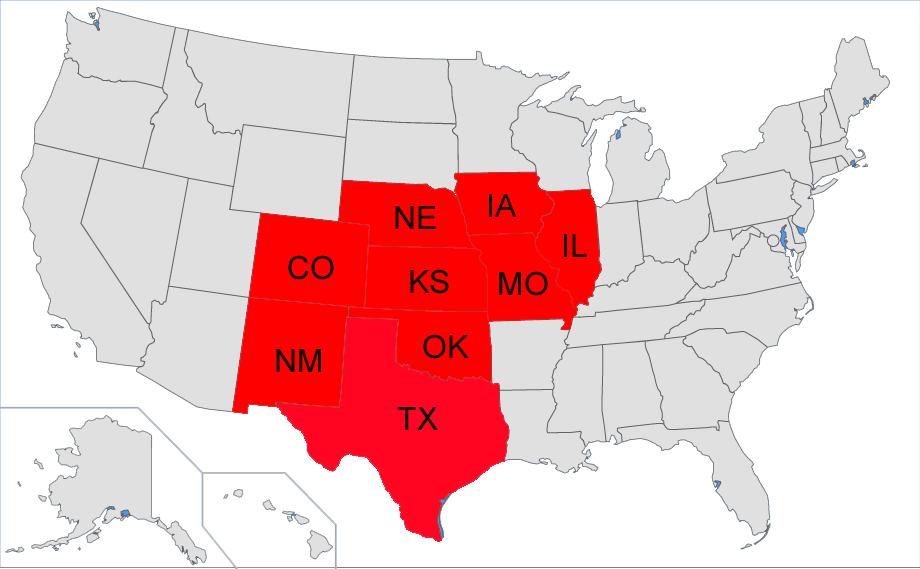
The most authoritative classification comes from the U.S. Census Bureau, which divides the United States into four main regions for statistical purposes: the Northeast, the South, the Midwest, and the West. According to this official categorization, the Midwest region comprises twelve states: Illinois, Indiana, Iowa, Kansas, Michigan, Minnesota, Missouri, Nebraska, North Dakota, Ohio, South Dakota, and Wisconsin. These states are generally characterized by their agricultural economies, vast plains, and often a more humid continental climate.
In contrast, the West region, as defined by the U.S. Census Bureau, is a much larger and geographically diverse area consisting of thirteen states: Alaska, Arizona, Colorado, California, Hawaii, Idaho, Montana, Nevada, New Mexico, Oregon, Utah, Washington, and Wyoming. This region is further divided into the Mountain West and Pacific West divisions. Colorado unequivocally falls within the Mountain West division, solidifying its place as a Western state. This official designation is the most straightforward answer to our initial question: no, Colorado is not in the Midwest. It is firmly in the West.
Geographical Markers: More Than Just Flat Land
Beyond administrative classifications, the geography of a state plays a crucial role in shaping its identity. The Midwest is largely defined by its extensive, relatively flat Great Plains and fertile river valleys, making it the agricultural heartland of the nation. While Colorado does encompass a portion of the Great Plains in its eastern half, this is just one facet of its complex topography. The defining feature of Colorado is undoubtedly the Rocky Mountains, which dominate the central and western parts of the state.
These majestic mountains are not merely scenic backdrops; they are the foundation of Colorado’s unique environment, climate, and culture. They dictate weather patterns, create dramatic elevation changes, and provide the primary source for the state’s rivers, including the Colorado River itself, the Rio Grande, and the Arkansas River. The rugged terrain of the Rocky Mountains fosters a distinct ecosystem with diverse flora and fauna, profoundly different from the prairie landscapes of the Midwest. This mountainous geography is the bedrock of Colorado’s tourism industry, attracting millions of visitors seeking outdoor adventure, stunning landmarks, and breathtaking natural beauty that defines the West.
The Cultural and Economic Tapestry of Colorado
Colorado’s identity is further distinguished by its unique cultural and economic characteristics, which are deeply rooted in its Western heritage and distinct from Midwestern norms. From its historical development to its modern economy and the lifestyle it affords, Colorado embodies the spirit of the American West.
A Blend of Influences: High Plains, Mountains, and Modernity
Historically, Colorado’s development was driven by the Western expansion, particularly the Pikes Peak Gold Rush of 1859. This period attracted prospectors, miners, and settlers from across the globe, creating a frontier culture characterized by resilience, independence, and a close relationship with the land. While agriculture, particularly cattle ranching, has long been important in the eastern plains, the legacy of mining, trapping, and later, outdoor recreation, has profoundly shaped the state’s identity. This contrasts with the Midwestern narrative, which is often more centered on agrarian communities and industrial development.
Today, Colorado’s economy is incredibly diverse, blending its traditional roots with a booming modern sector. Denver, the state capital and largest city, has emerged as a major hub for technology, aerospace, and renewable energy industries. Cities like Boulder are renowned for their innovation, research, and a commitment to outdoor-centric lifestyle. This economic dynamism, coupled with a strong emphasis on outdoor recreation, craft brewing, and a progressive social landscape, creates a distinct cultural ambiance that aligns perfectly with the contemporary Western United States rather than the Midwest. The emphasis on health, wellness, and adventure travel is a cornerstone of Colorado’s modern identity.

Tourist Appeal: Why Colorado Stands Out in the West
For tourism, Colorado offers a compelling array of attractions that draw visitors from around the globe. The state is synonymous with world-class skiing and snowboarding, boasting iconic resorts like Aspen, Vail, Breckenridge, and Telluride. These destinations provide not just exhilarating winter sports but also luxurious accommodations, fine dining, and vibrant après-ski scenes, epitomizing a high-end travel lifestyle.
Beyond winter sports, Colorado is a year-round outdoor playground. Rocky Mountain National Park, one of the most visited national parks in the United States, offers unparalleled hiking, wildlife viewing, and scenic drives, particularly along Trail Ridge Road. Other natural landmarks such as Garden of the Gods near Colorado Springs, Pikes Peak (one of the famous 14ers), Great Sand Dunes National Park and Preserve, and Black Canyon of the Gunnison National Park provide diverse landscapes for every kind of outdoor experience.
Culturally, cities like Denver offer a rich tapestry of arts, history, and culinary delights. The Denver Art Museum, Larimer Square, and the Museum of Nature & Science are just a few examples of urban attractions. The state’s burgeoning craft beer scene, farm-to-table restaurants, and unique festivals also contribute to its vibrant local culture. This combination of rugged wilderness and sophisticated urbanity is a hallmark of the Western United States, drawing travelers seeking genuine adventure and memorable experiences.
Planning Your Colorado Adventure
Embarking on a Colorado travel adventure requires some planning, but the rewards are immense. From selecting the perfect accommodation to exploring iconic landmarks and engaging in local activities, the state caters to a wide spectrum of preferences and budgets.
Where to Stay: Accommodations for Every Traveler
Colorado’s diverse geography and tourist appeal mean there’s an accommodation option for every type of traveler. For those seeking a luxurious lifestyle and premium amenities, ski resorts in Aspen, Vail, Telluride, and Breckenridge offer opulent hotels, suites, and private villas with direct access to slopes and high-end dining. Many of these hotels provide spa services, heated pools, and concierge services that cater to an indulgent lifestyle.
Urban centers like Denver and Colorado Springs boast a range of hotels, from boutique hotels in historic districts like LoDo to modern downtown skyscrapers offering business-friendly amenities and easy access to cultural attractions. For budget travelers, numerous mid-range hotels, motels, and hostels are available across the state, particularly in less tourist-dense areas or during off-peak seasons.
For those desiring a more immersive natural experience or a family trip, vacation rentals, apartments, and cabins are popular choices. Areas around Rocky Mountain National Park, such as Estes Park and Grand Lake, offer charming lodges and cozy cabins, perfect for enjoying the wilderness. Camping, from primitive backcountry sites to full-service RV parks, is also a highly favored accommodation option, allowing for direct engagement with Colorado’s stunning natural landmarks. Regardless of your choice, early booking is always recommended, especially during peak seasons for popular destinations.
Must-See Landmarks and Experiences
Colorado is brimming with iconic landmarks and unforgettable experiences that showcase its Western identity. A trip to Rocky Mountain National Park is almost mandatory, offering alpine landscapes, abundant wildlife, and endless hiking trails. Visitors can drive Trail Ridge Road, North America’s highest continuous paved road, for unparalleled scenic vistas.
In Colorado Springs, Pikes Peak, known as “America’s Mountain,” offers panoramic views from its summit, accessible by car, cog railway, or hiking. Nearby, Garden of the Gods provides a stunning display of towering sandstone rock formations, perfect for photography and easy hikes. The Cheyenne Mountain Zoo, perched on the side of Cheyenne Mountain, offers unique animal encounters with incredible views. Another marvel is the Royal Gorge Bridge and Park, home to America’s highest suspension bridge, where visitors can enjoy breathtaking views of the Arkansas River far below.
For a journey into ancient history and local culture, Mesa Verde National Park in southwestern Colorado offers an extraordinary look at ancestral Puebloan cliff dwellings, a UNESCO World Heritage Site that provides deep insights into the region’s historical tourism. Further west, the Colorado National Monument near Grand Junction showcases dramatic canyon landscapes and unique geological formations, perfect for hiking and scenic drives.
In Denver, the historic Union Station is a vibrant hub with shops, restaurants, and a hotel, while Larimer Square offers charming Victorian architecture and upscale dining. Sports enthusiasts might catch a game at Coors Field, and music lovers must experience a concert at the iconic Red Rocks Amphitheatre, a natural geological wonder that doubles as a world-class venue. For a nostalgic trip, the Georgetown Loop Railroad provides a scenic steam train ride through the Rocky Mountains near Georgetown.
Whether you’re exploring the ancient dwellings near Durango, skiing the slopes of Winter Park, soaking in the hot springs of Glenwood Springs, or marveling at the unique meeting point of the Four Corners, Colorado offers a wealth of diverse destinations and experiences that solidify its distinct Western character.
In conclusion, the answer to “Is Colorado in the Midwest?” is a resounding no. Geographically, culturally, and historically, Colorado is definitively a state of the Western United States. Its towering Rocky Mountains, vibrant outdoor lifestyle, pioneering spirit, and modern, dynamic cities all contribute to an identity far removed from the traditional image of the Midwest. For any traveler seeking adventure, natural beauty, rich history, and unique cultural experiences, Colorado stands as an unparalleled destination, embodying the very best of what the American West has to offer. So pack your bags, lace up your hiking boots, or grab your ski gear, and prepare to discover the true spirit of Colorado.
LifeOutOfTheBox is a participant in the Amazon Services LLC Associates Program, an affiliate advertising program designed to provide a means for sites to earn advertising fees by advertising and linking to Amazon.com. Amazon, the Amazon logo, AmazonSupply, and the AmazonSupply logo are trademarks of Amazon.com, Inc. or its affiliates. As an Amazon Associate we earn affiliate commissions from qualifying purchases.