
For many, obtaining a driver’s license marks a significant rite of passage, a symbol of newfound independence and freedom. In the sprawling, diverse, and captivating state of California, this milestone carries even greater weight, as a driver’s license is not merely a tool for daily commutes but an essential key to unlocking an unparalleled world of travel, exploration, and lifestyle experiences. From the sun-drenched beaches of Southern California to the majestic forests of the north, the ability to drive independently transforms your relationship with this magnificent state. Understanding when and how you can get your license is the first step on a journey that extends far beyond the local grocery store, opening up a panorama of destinations, attractions, and unique accommodations.
The Initial Steps: Provisional Licenses for Young Drivers
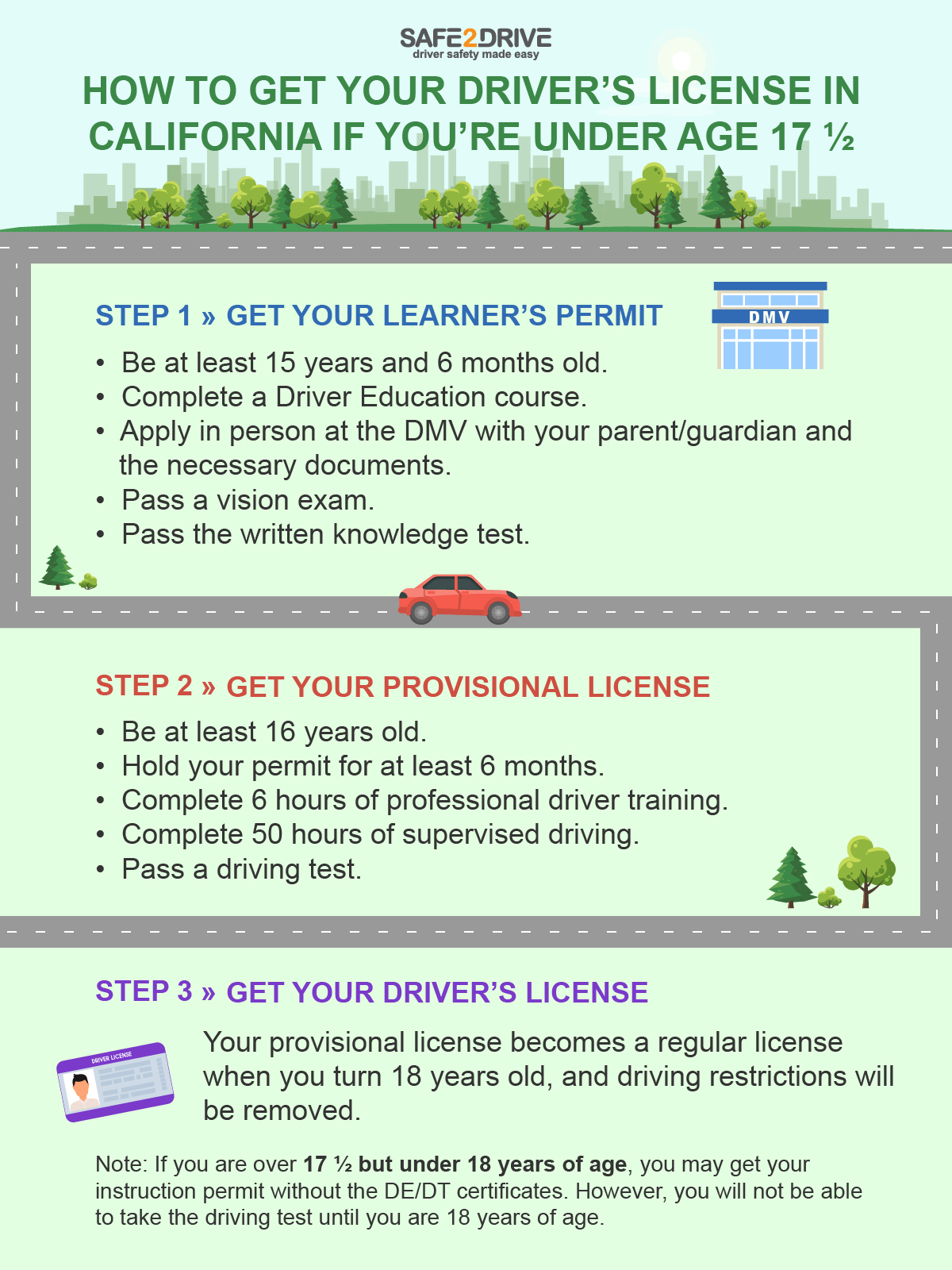
California has a structured system designed to gradually introduce young drivers to the responsibilities of operating a vehicle safely. This process primarily caters to individuals under the age of 18, focusing on extensive training and supervised experience before granting full driving privileges.
Eligibility and Permit Requirements for Minors (Ages 15½ to 17)
The journey to obtaining a provisional driver’s license in California begins early, reflecting the state’s commitment to road safety. Aspiring drivers can apply for a provisional instruction permit as early as 15 and a half years old. To be eligible, applicants must first complete driver’s education, which typically involves a 30-hour classroom or online course approved by the California Department of Motor Vehicles (DMV). This educational component provides foundational knowledge of traffic laws, road signs, and safe driving practices, crucial for navigating the diverse terrains and bustling cities of California.
Once driver’s education is complete, the applicant can visit a DMV office to take a written knowledge test. This test assesses their understanding of the California Driver Handbook. Upon successfully passing this exam and completing the necessary paperwork, including an application form, proof of identity, residency, and Social Security number, the provisional instruction permit is issued. This permit is not a license to drive independently; rather, it allows the minor to drive only when accompanied by a licensed adult who is at least 18 years old and holds a valid California driver’s license. This supervising adult must be present in the passenger seat, ready to take control if necessary.
Beyond the permit, minors are required to complete at least six hours of professional driver training with a certified instructor. This hands-on experience is vital for developing practical driving skills under expert guidance. Furthermore, they must log a minimum of 50 hours of supervised driving practice with a parent, guardian, or other licensed adult (at least 10 of these hours must be at night). This extensive supervised practice ensures that young drivers gain real-world experience in various driving conditions before they are allowed to drive alone. This phase typically lasts for at least six months, allowing ample time for skill development and confidence building. The structure of this provisional period is meticulously designed to foster responsible driving habits, preparing individuals for the complexities of navigating roads that lead to everything from the Golden Gate Bridge in San Francisco to the vibrant nightlife of Los Angeles.
Transitioning to an Unrestricted License
After successfully holding a provisional instruction permit for at least six months, completing the required driver’s education and training, accumulating the necessary supervised driving hours, and reaching at least 16 years of age, a minor can then apply for a provisional driver’s license. This involves scheduling and passing a behind-the-wheel driving test at the DMV. This practical exam evaluates the applicant’s ability to safely operate a vehicle, follow traffic laws, and demonstrate essential driving maneuvers.
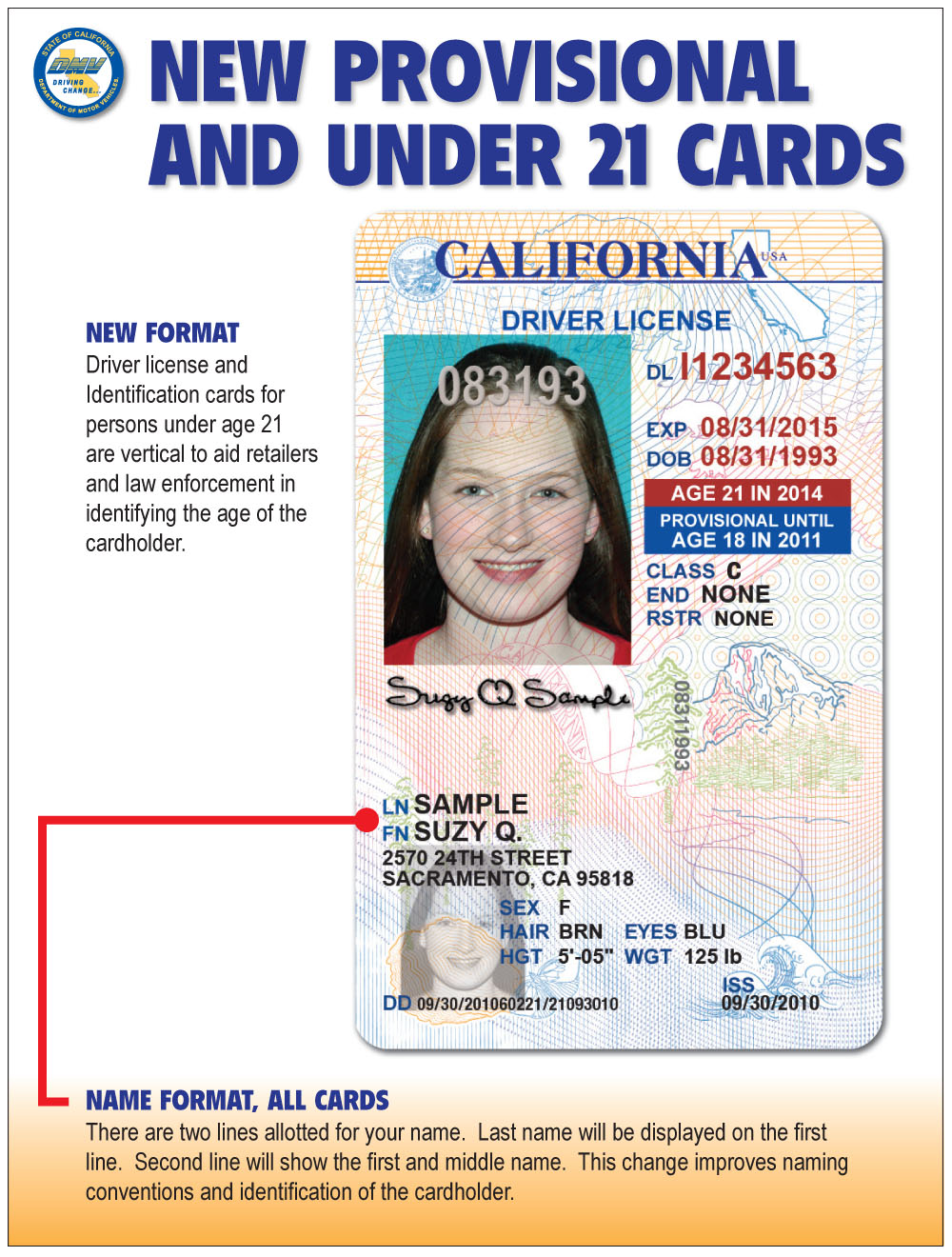
Even after obtaining the provisional driver’s license, there are still some restrictions in place for the first 12 months, or until the driver turns 18, whichever comes first. During this period, minors cannot drive between 11:00 PM and 5:00 AM, and they cannot transport passengers under 20 years old, unless a licensed driver aged 25 or older is present in the vehicle. These restrictions are designed to further mitigate risks associated with new drivers, particularly in situations that are statistically more dangerous for this age group. Upon turning 18, and provided all provisional requirements have been met and the restricted period has elapsed, the provisional license automatically converts into a full, unrestricted California driver’s license. This full license grants complete freedom to drive at any time and with any passenger, opening up unrestricted possibilities for travel across the state’s diverse regions, from the serene deserts to the bustling metropolitan areas. The journey, while meticulous, ensures that new drivers are well-prepared for the immense privileges and responsibilities that come with navigating California’s iconic highways and scenic byways.
Adult Licensing: A Direct Path to California’s Roads
For individuals aged 18 and older, the process of obtaining a driver’s license in California is generally more streamlined, acknowledging that adults are presumed to have a higher level of maturity and often prior driving experience, even if informal.
For Those 18 and Older: A Streamlined Process
Adults aged 18 and above do not face the same provisional restrictions or extensive supervised driving hour requirements as minors. Their path to a California driver’s license is more direct. The primary steps involve:
- Application and Fees: Completing a driver’s license application form (DL 44 or DL 44C) and paying the application fee.
- Identity and Residency Verification: Providing proof of identity (e.g., birth certificate, passport), two proofs of California residency (e.g., utility bills, rental agreements), and your Social Security number. For those pursuing a REAL ID compliant license, additional documentation is required.
- Written Knowledge Test: Passing a written test based on the California Driver Handbook. This test assesses knowledge of traffic laws, signs, and safe driving practices.
- Vision Exam: Passing a vision test to ensure adequate eyesight for driving.
- Instruction Permit (Optional but Recommended): While not strictly required for adults who feel ready for the driving test, obtaining an instruction permit is highly recommended. This allows adults to practice driving with a licensed California driver (aged 18 or older) present. There’s no minimum holding period for this permit for adults; once obtained, they can immediately schedule their driving test if they feel prepared.
- Behind-the-Wheel Driving Test: Successfully passing a practical driving test at the DMV. This test evaluates real-world driving skills, including turns, lane changes, parking, and adherence to traffic laws.
Upon successful completion of all these steps, a temporary driver’s license is issued immediately, allowing the applicant to drive while the permanent card is mailed to them. The simplicity of this process for adults means that individuals can quickly gain the mobility needed to explore California’s diverse regions, from the vineyards of Napa Valley to the historical missions scattered throughout the state, without the staggered wait periods. This immediate access to driving freedom enhances their ability to engage with tourism, discover local culture, and embark on impromptu road trips that are characteristic of the California lifestyle.
Out-of-State and International Drivers: Adapting to California Rules
California’s allure extends globally, drawing new residents from other states and visitors from across the world. The DMV has specific provisions for these groups, acknowledging their unique circumstances.
For individuals moving to California from another U.S. state or territory, they are generally allowed to drive with their valid out-of-state license for a grace period, typically up to 10 days after establishing residency. After this period, they are required to apply for a California driver’s license. The process for transferring an out-of-state license is similar to that for new adult drivers, though in some cases, the written and driving tests might be waived if certain conditions are met, particularly if their previous license is active and valid. However, passing the written test is usually mandatory for all new California drivers.
For international visitors, the rules are slightly different. Tourists who are temporarily visiting California may drive with a valid driver’s license from their home country for up to one year. An International Driving Permit (IDP) is highly recommended, as it translates their foreign license into several languages, which can be invaluable for law enforcement and rental car agencies. However, an IDP is not a license itself and must always be presented alongside the original foreign driver’s license. If an international visitor becomes a California resident, they are then required to obtain a California driver’s license following the standard adult application process. This often means going through the written and behind-the-wheel tests from scratch, regardless of their driving experience in their home country. Understanding these nuances is crucial for seamless travel and extended stays, ensuring that visitors can confidently rent vehicles and explore California’s iconic landmarks and hidden gems.
Beyond the Test: Your California Driver’s License as a Gateway to Exploration
A California driver’s license is more than just a legal document; it’s a passport to unparalleled freedom and discovery within one of the world’s most captivating states. For those passionate about travel, tourism, and embracing diverse lifestyles, the ability to drive independently transforms every journey into an adventure.
Unlocking the Golden State’s Diverse Landscapes and Landmarks
Imagine the vast expanse of California – from its rugged coastline to its towering mountains, arid deserts, and fertile valleys. While public transportation serves major metropolitan areas like San Francisco, Los Angeles, and San Diego, true exploration of the state’s most iconic landmarks and breathtaking natural wonders often necessitates a car.
A California driver’s license is your ticket to embarking on epic road trips, such as cruising the legendary Pacific Coast Highway (Highway 1) from Monterey through Big Sur down to Santa Barbara, stopping at picturesque coastal towns and scenic overlooks. It allows you to venture into the awe-inspiring wilderness of Yosemite National Park, where you can witness majestic granite cliffs, giant sequoias, and cascading waterfalls. Similarly, reaching the dramatic desert landscapes of Joshua Tree National Park or the serene alpine beauty of Lake Tahoe is most conveniently done by car.
Beyond natural attractions, having a license enables cultural and entertainment tourism. Picture yourself driving through the rolling vineyards of Napa Valley or Sonoma Valley, stopping for wine tastings and gourmet meals. Or perhaps taking the family to Disneyland Resort in Anaheim or Universal Studios Hollywood, where having your own transport makes day trips and flexible scheduling a breeze. Even exploring the diverse neighborhoods of major cities, like Hollywood in Los Angeles or Fisherman’s Wharf in San Francisco, becomes more accessible and enjoyable when you can drive and park at your leisure. The freedom of the open road empowers you to craft itineraries that truly reflect your interests, moving beyond typical tourist routes to uncover authentic local culture and hidden gems.
The Freedom of Accommodation and Local Discoveries
A driver’s license significantly expands your options for accommodation and your ability to delve into genuine local culture. While city centers offer a plethora of hotels, driving allows you to venture further afield, discovering unique stays that enhance your overall travel experience.
Consider the possibility of booking a cozy boutique hotel nestled in the wine country, a luxurious resort in Palm Springs, or a secluded cabin rental in the Sierra Nevada mountains. These types of accommodations often offer more privacy, charm, and proximity to nature, but are typically inaccessible without a vehicle. You might opt for a beachfront villa in Malibu, a rustic farm stay in Central Valley, or a charming bed and breakfast in a historic gold rush town like Columbia. The options for long-term stays also open up, from renting an apartment in a vibrant neighborhood to finding a secluded retreat for an extended break, all facilitated by the independence a car provides. Websites offering booking and reviews become even more useful when you know you can reach these more remote or specialized options.
Driving also allows for deeper immersion in local culture and food. You can explore farmers’ markets in small towns, discover authentic taquerias off the beaten path in San Ysidro, or find quaint artisan shops that are not easily reachable by public transit. This kind of exploration enriches your tourism experience, allowing you to connect with the heart and soul of California beyond the main tourist hubs. Whether it’s a spontaneous detour to a roadside diner or a planned visit to a regional festival, your license empowers these authentic interactions.
Lifestyle Benefits: From Luxury Retreats to Budget Adventures
The integration of a driver’s license into your California lifestyle offers immense flexibility, catering to a wide spectrum of preferences from luxury travel to budget-friendly trips, and from family adventures to business stays.
For those seeking luxury travel, a driver’s license allows access to exclusive resorts and villas in remote, pristine locations like Carmel-by-the-Sea or private estates in the hills above Beverly Hills. You can drive your dream car along scenic routes, stopping at Michelin-starred restaurants or high-end boutique hotels that epitomize refined living. The freedom to navigate at your own pace means you can effortlessly transition from a spa retreat in Laguna Beach to a polo match in Indio, without relying on scheduled transport.
Conversely, a driver’s license is indispensable for budget travel. It opens up options for staying in more affordable accommodations outside expensive city centers, accessing cheaper dining options, and visiting free natural attractions like state parks, beaches, and hiking trails that might otherwise require costly tours or ride-shares. Camping trips in National Parks like Sequoia or Kings Canyon, exploring the unique geology of Death Valley National Park, or surfing along the vast coastline become practical and economical endeavors.
Family adventures are profoundly enhanced by having a car. Packing luggage, car seats, snacks, and toys for children becomes feasible, and the flexibility to stop for potty breaks or impromptu scenic views is invaluable. From theme parks in Orange County to educational trips to museums in San Jose, a family car makes travel less stressful and more enjoyable. Even for business stays, while taxis and ride-shares are options, having your own vehicle for appointments across a sprawling city like Los Angeles or for visiting clients in different towns, offers unparalleled convenience and efficiency. It means you can choose a hotel based on amenities or comfort rather than strict proximity to public transport, perhaps opting for a suite with more space for work. The driver’s license truly empowers individuals to tailor their California experience to their specific lifestyle and needs, making every aspect of their journey, from the selection of hotels to the choice of activities, distinctly their own.
Planning Your California Adventure: Beyond the Driver’s Seat
While obtaining your California driver’s license is the first major step, transforming that license into a key for unforgettable travel requires a bit of planning and an understanding of the state’s diverse offerings.
Choosing Your Stay: Hotels, Resorts, and Unique Accommodations
With the freedom to drive anywhere in California, your options for accommodation are virtually limitless. The state boasts an incredible array of choices, catering to every budget and preference. From luxury hotels in Beverly Hills offering top-tier amenities and concierge services, to charming boutique hotels in picturesque towns like Solvang, and expansive resorts with golf courses and spas in La Quinta, the choice is yours.
Consider utilizing online platforms for booking and comparison to find the perfect match for your itinerary. Look for apartments or villas for long-term stays or family trips, offering kitchen facilities and more living space. For a truly unique experience, explore options like glamping sites near Big Sur, historic inns in Sacramento, or even houseboats on Lake Shasta. Reading reviews can help you gauge the quality and suitability of an accommodation for your specific needs, whether you’re seeking a quiet retreat or a bustling hub.
Culinary Journeys and Cultural Immersion
Driving across California also opens the door to an incredible culinary scene and deep cultural immersion. The state’s agricultural bounty, diverse demographics, and innovative chefs converge to create a gastronomic paradise. With your license, you can explore the farm-to-table movement at its source, visiting farms and local markets to taste fresh produce.
Venture beyond the well-known restaurants in San Francisco or Los Angeles to discover authentic eateries in smaller communities. Sample Mexican food in San Diego, fresh seafood along the Central Coast, or innovative plant-based cuisine in Oakland. Tourism here isn’t just about sightseeing; it’s about tasting the region.
Cultural experiences are equally diverse. Drive to historic missions, explore the vibrant art districts in San Jose, or attend a local festival in a rural town. Having your own vehicle allows you to participate in wine tours, brewery hops, or explore independent galleries and studios that are often outside the main urban grids. These localized guides to local culture and food become much more accessible and tailored to your personal preferences when you control your own transportation. The freedom to roam means you can follow your palate and curiosity wherever they lead, making your California journey truly unique.
In conclusion, getting your driver’s license in California is a pivotal step, whether you’re a young driver gaining initial independence or an adult seeking unrestricted mobility. For both residents and visitors alike, this license is far more than a simple permit; it is the ultimate tool for unlocking the vast and varied tapestry of California’s landscapes, cultures, and opportunities. With the open road before you, every corner of the Golden State beckons, promising unforgettable travel experiences and a true taste of the California lifestyle.
LifeOutOfTheBox is a participant in the Amazon Services LLC Associates Program, an affiliate advertising program designed to provide a means for sites to earn advertising fees by advertising and linking to Amazon.com. Amazon, the Amazon logo, AmazonSupply, and the AmazonSupply logo are trademarks of Amazon.com, Inc. or its affiliates. As an Amazon Associate we earn affiliate commissions from qualifying purchases.