
The journey to marriage equality in California is a compelling tale of legal battles, social shifts, and profound cultural impact, reflecting the state’s pioneering spirit. For travelers, hoteliers, and those interested in inclusive tourism and lifestyle, understanding this history is key to appreciating California’s unique appeal as a welcoming destination. Far from being a simple date on a calendar, the legalization of gay marriage in California represents a significant milestone that has profoundly reshaped the landscape of destination weddings, honeymoon travel, and inclusive accommodation, cementing the Golden State’s reputation as a beacon of acceptance.

The Rollercoaster Ride to Equality: A Timeline of Legal Battles and Social Progress
California’s path to recognizing same-sex marriage was anything but linear, marked by a series of legal challenges, voter initiatives, and judicial rulings that kept the issue at the forefront of national discourse. This intricate legal dance not only paved the way for equality but also highlighted the state’s ongoing commitment to progressive social policies, which in turn influences its vibrant tourism and lifestyle offerings.
Early Steps and Interim Victories (2000s)
The first significant stirrings of marriage equality in California emerged in the early 2000s, setting the stage for a decade of legal and political drama. A pivotal moment occurred in February 2004 when then-San Francisco Mayor Gavin Newsom defied state law by instructing the city-county clerk to issue marriage licenses to same-sex couples. This bold move led to thousands of marriages being performed in the city, though they were ultimately voided by the California Supreme Court a few months later. Despite the setback, these ceremonies ignited a powerful movement, demonstrating the widespread desire for equality and foreshadowing the legal battles to come.
The push for equality continued through the legislative process, with the California State Legislature passing bills to legalize same-sex marriage in both 2005 and 2007. However, both attempts were vetoed by Governor Arnold Schwarzenegger, illustrating the political hurdles that remained. The judiciary then took center stage. On May 15, 2008, the California Supreme Court issued a landmark ruling in In re Marriage Cases, declaring that limiting marriage to opposite-sex couples violated the state’s constitution. This decision officially legalized same-sex marriage in California, making it only the second state at the time, after Massachusetts, to do so. For a brief period between June and November 2008, thousands of same-sex couples celebrated by getting married across the state, creating a surge in demand for wedding venues, hotels, and related tourism services. This era showcased California’s potential as a prime destination for inclusive celebrations, with properties from boutique hotels in Palm Springs to luxury resorts in Napa Valley welcoming new clientele.
Proposition 8 and the Setback
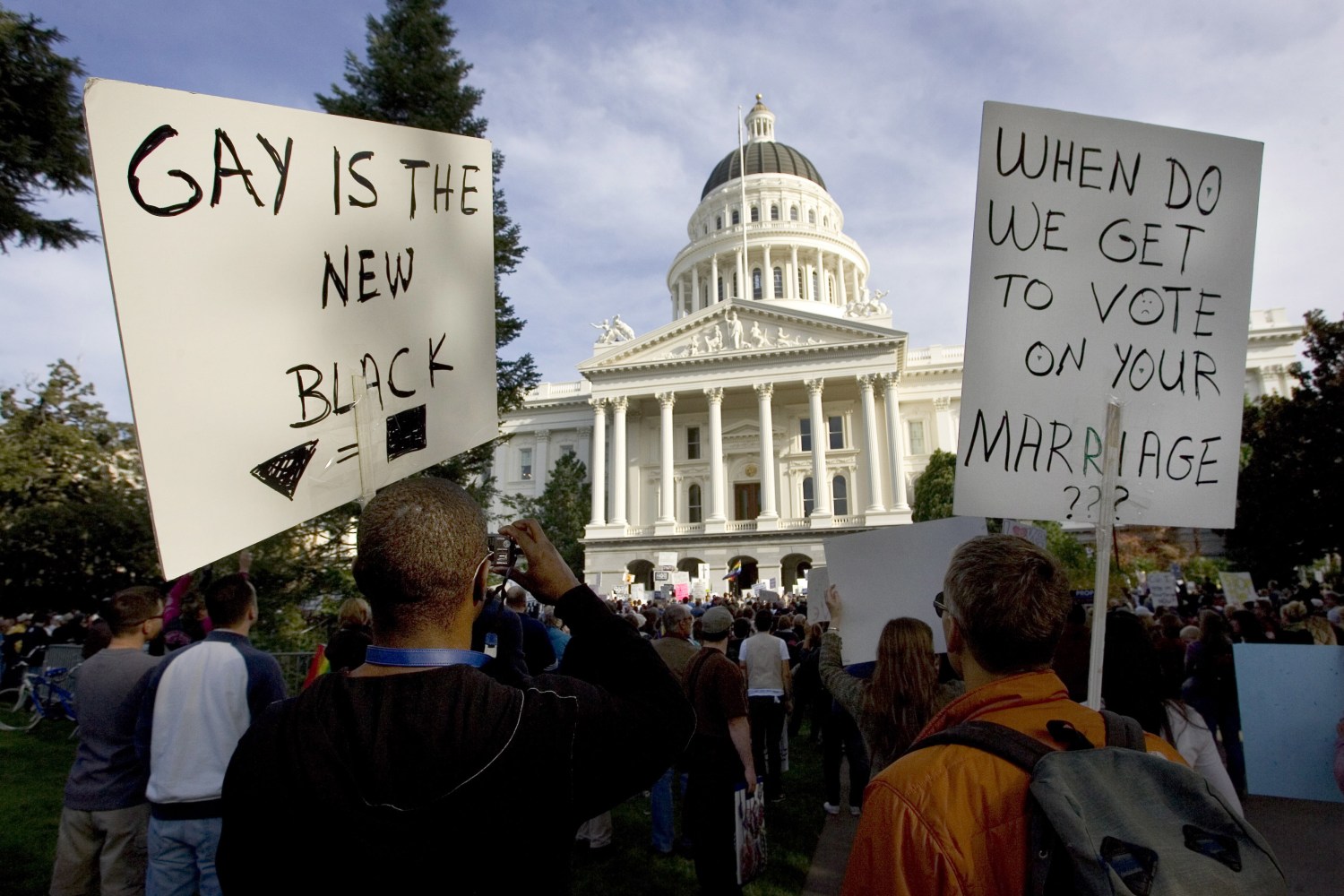
The joy was short-lived. In November 2008, just months after the California Supreme Court’s ruling, voters passed Proposition 8, a ballot initiative that amended the California State Constitution to define marriage solely as a union between a man and a woman. This decision immediately halted the issuance of marriage licenses to same-sex couples, although existing marriages performed during the brief window of legality remained valid. The passage of Proposition 8 sent shockwaves through the LGBTQ+ community and its allies, sparking widespread protests across California and beyond. It was a stark reminder of the social and political divisions that still existed, transforming what many hoped would be a permanent victory into a temporary triumph.
The legal battle over Proposition 8 quickly moved to the federal courts. A lawsuit, Perry v. Schwarzenegger (later Hollingsworth v. Perry), was filed in federal court challenging the constitutionality of the ban. The ensuing trial, which began in 2010, brought national attention to the issue, featuring compelling testimony from experts and individuals affected by the ban. This period of uncertainty impacted travel and tourism, as couples hoping to marry in California were left in limbo, often choosing to marry in other states or holding commitment ceremonies without legal recognition. Despite the setback, the resilience of the LGBTQ+ community and its advocates demonstrated California’s unwavering commitment to eventual full equality, shaping a future where its hospitality sector would become a leader in inclusive services.
The Dawn of Full Legalization and its Ripple Effects
The long and arduous legal battle eventually culminated in a definitive victory, firmly re-establishing California as a leader in LGBTQ+ rights. This final step not only restored marriage equality but also cemented the state’s reputation as a truly inclusive and welcoming destination, profoundly influencing its tourism and lifestyle sectors.
Federal Intervention and Final Victory
The legal challenge to Proposition 8 reached its pinnacle at the United States Supreme Court. On June 26, 2013, the Supreme Court issued its ruling in Hollingsworth v. Perry. While the decision did not directly address the constitutionality of same-sex marriage nationwide, it effectively dismissed the appeal on procedural grounds, ruling that the proponents of Proposition 8 lacked standing to defend the initiative in federal court. This procedural victory had a monumental effect: it vacated the lower court’s ruling, which had found Proposition 8 unconstitutional. With no further legal impediment, same-sex marriage immediately resumed in California.
The day the decision came down, jubilation erupted across the state. County clerks’ offices, from San Diego to Eureka, began issuing marriage licenses to same-sex couples once again, often staying open late to accommodate the outpouring of eager couples. This moment marked the definitive end of the ban on same-sex marriage in California, a hard-won victory that transformed the legal and social landscape. It signified that California was once again a place where all loving couples could legally affirm their commitment, opening up new horizons for celebration and connection within the state’s vibrant travel and accommodation industries.
California as a Beacon of Inclusivity
The legalization of gay marriage solidified California’s status as a beacon of inclusivity and a global leader in LGBTQ+ rights. This isn’t just a legal designation; it’s a fundamental aspect of the state’s identity and brand, which resonates deeply with travelers seeking welcoming and progressive environments. California’s commitment to diversity extends far beyond marriage equality, encompassing robust non-discrimination laws, vibrant LGBTQ+ communities, and a general ethos of acceptance that permeates its culture.
This inclusive environment translates directly into enhanced opportunities for tourism and lifestyle experiences. Cities like San Francisco, Los Angeles (particularly West Hollywood), and Palm Springs are renowned for their thriving LGBTQ+ scenes, offering everything from iconic pride parades and festivals to specialized businesses, nightlife, and cultural institutions. Hotels, resorts, and various accommodation providers across the state have increasingly embraced this inclusive spirit, actively marketing to and catering for LGBTQ+ travelers. They understand that a welcoming atmosphere, inclusive amenities, and a commitment to diverse staff training are not just good ethics, but also good business, attracting a discerning segment of the travel market.
California’s LGBTQ+ Travel and Tourism Boom
With the full legalization of gay marriage, California experienced an undeniable boom in LGBTQ+ related travel and tourism. The state’s diverse landscapes, vibrant cities, and progressive policies combined to create an irresistible allure for couples planning destination weddings, romantic honeymoons, or simply an unforgettable vacation.
Destination Weddings and Honeymoons
California’s diverse topography makes it an unparalleled destination for weddings and honeymoons, catering to every taste and preference. From the sun-drenched beaches of Laguna Beach and Santa Barbara to the serene vineyards of Napa Valley and Sonoma, the majestic redwoods of Northern California, and the iconic cityscapes of San Francisco and Los Angeles, the options are limitless. Same-sex couples, now free to marry anywhere in the state, flocked to these picturesque locales, fueling growth in the hospitality and events sectors.
Popular Destinations for LGBTQ+ Weddings and Honeymoons:
- San Francisco: A historic center of LGBTQ+ activism, San Francisco offers iconic backdrops like the Golden Gate Bridge, elegant hotels such as the Ritz-Carlton, San Francisco, and intimate venues in the Castro District. Its vibrant culture and romantic vistas make it a perennial favorite.
- Palm Springs: Known for its mid-century modern architecture, desert landscapes, and lively LGBTQ+ scene, Palm Springs is a resort paradise. Couples can choose from luxurious villas, adults-only boutique hotels, or grand resorts like the Parker Palm Springs for a stylish celebration or relaxing honeymoon.
- Napa Valley & Sonoma: The rolling vineyards and gourmet food scene of Wine Country provide an idyllic setting for romantic weddings and culinary honeymoons. Estates like V. Sattui Winery or luxury accommodations such as Auberge du Soleil offer unforgettable experiences.
- Los Angeles: With its glamorous appeal and diverse neighborhoods, Los Angeles offers everything from beachside ceremonies in Malibu to sophisticated urban weddings in Beverly Hills or West Hollywood. Hotels like the Waldorf Astoria Beverly Hills or the London West Hollywood provide top-tier services for discerning couples.
- Santa Barbara: The “American Riviera” blends Spanish colonial architecture with stunning coastal views. Resorts such as the Rosewood Miramar Beach offer exquisite settings for intimate or grand celebrations.
The demand for wedding planners, photographers, caterers, and venues that specialize in or are openly welcoming to same-sex couples surged. Many hotels and resorts began creating specific packages tailored to LGBTQ+ weddings and honeymoons, demonstrating a comprehensive understanding of this significant market segment.
Inclusive Accommodation and Experiences
The impact of marriage equality extended beyond weddings, fostering a broader sense of inclusivity that permeated California’s entire accommodation and tourism sector. Hotels, from budget-friendly options to five-star luxury suites and private villas, increasingly recognized the value of actively embracing LGBTQ+ travelers. Many began to highlight their inclusive policies, often achieving certifications or participating in organizations that promote LGBTQ+ friendly businesses.
The lifestyle aspect of travel for LGBTQ+ individuals also flourished. Travelers sought out destinations where they could feel safe, celebrated, and free to express themselves. California delivered with its array of vibrant cultural events, thriving nightlife, and diverse communities. This led to:
- Dedicated Travel Guides: Publications and websites specifically catering to LGBTQ+ travel in California, highlighting safe spaces, events, and businesses.
- Pride Celebrations: Major cities intensified their Pride celebrations, becoming major tourist attractions. The San Francisco Pride Parade and LA Pride draw millions annually, creating immense demand for hotels and local businesses.
- Specialized Accommodations: Boutique hotels and guesthouses in areas like Palm Springs and the Castro District in San Francisco have long catered to the LGBTQ+ community, but post-legalization, even larger chains emphasized their commitment to diversity and inclusion. Hotels like the Kimpton Hotels & Restaurants group, known for their progressive policies, saw increased appeal among LGBTQ+ travelers.
- Unique Experiences: Beyond traditional tourism, the state offers specific LGBTQ+ focused tours, cultural events, and wellness retreats, ensuring that every aspect of an LGBTQ+ traveler’s journey is enriching and affirming.
This shift has created a robust and reliable market for California’s tourism industry, demonstrating how legal and social progress can directly translate into economic benefits and a richer, more diverse travel landscape.

Planning Your California LGBTQ+ Journey
For those looking to explore California through an LGBTQ+ lens, the state offers an unparalleled array of destinations and experiences. Whether you’re planning a romantic getaway, a family vacation, or a solo adventure, California’s welcoming spirit ensures a memorable trip.
When planning your journey, consider visiting cities renowned for their inclusive atmosphere and vibrant LGBTQ+ scenes. San Francisco remains a pilgrimage site for many, with the Castro District offering a deep dive into LGBTQ+ history and culture, alongside world-class attractions like the Golden Gate Bridge and Alcatraz Island. Accommodation options range from charming boutique hotels to luxurious international brands, many of which proudly display their support for the LGBTQ+ community.
In Southern California, Los Angeles’s West Hollywood district is a hub of LGBTQ+ nightlife, dining, and activism, while offering easy access to Hollywood landmarks and pristine beaches. Palm Springs offers a unique desert resort experience, with a high concentration of LGBTQ+-owned and friendly hotels, guesthouses, and vibrant social events. It’s the perfect spot for relaxation, poolside lounging, and exploring mid-century modern architecture.
Beyond these major hubs, smaller cities and regions across California also embrace inclusivity. Santa Cruz, Long Beach, and Sacramento all offer welcoming communities and unique attractions. When booking accommodation, many online travel agencies and hotel chains now include filters for “LGBTQ+ friendly” or “gay-friendly,” making it easier to find properties that align with your values. Look for hotels that participate in programs like the TAG Approved program, indicating a commitment to diversity and inclusion.
The legalization of gay marriage in California was a defining moment, not just for civil rights but also for the state’s identity as a premier global destination. It solidified California’s role as a leader in progressive social policy, creating an environment where all travelers feel genuinely welcome and celebrated. This historical journey has seamlessly woven itself into the fabric of California’s tourism, accommodation, and lifestyle offerings, ensuring that visitors can experience the Golden State’s beauty, diversity, and spirit of acceptance in every aspect of their journey. From dream weddings to vibrant urban explorations and serene retreats, California stands ready to offer an inclusive, unforgettable experience to everyone.
LifeOutOfTheBox is a participant in the Amazon Services LLC Associates Program, an affiliate advertising program designed to provide a means for sites to earn advertising fees by advertising and linking to Amazon.com. Amazon, the Amazon logo, AmazonSupply, and the AmazonSupply logo are trademarks of Amazon.com, Inc. or its affiliates. As an Amazon Associate we earn affiliate commissions from qualifying purchases.