
California, a land of endless sunshine, diverse landscapes, and iconic attractions, operates on Pacific Time. Like much of the United States, the Golden State observes Daylight Saving Time (DST), a practice that shifts clocks forward in spring and back in fall. For travelers planning a visit, understanding when these time changes occur and how they might impact their itinerary is crucial for a seamless and enjoyable California experience. From coordinating flights and hotel check-ins to maximizing daylight for exploring landmarks and experiencing local culture, knowing the ins and outs of California’s time adjustments can make all the difference in your tourism adventure.
Understanding California’s Time Change Dynamics
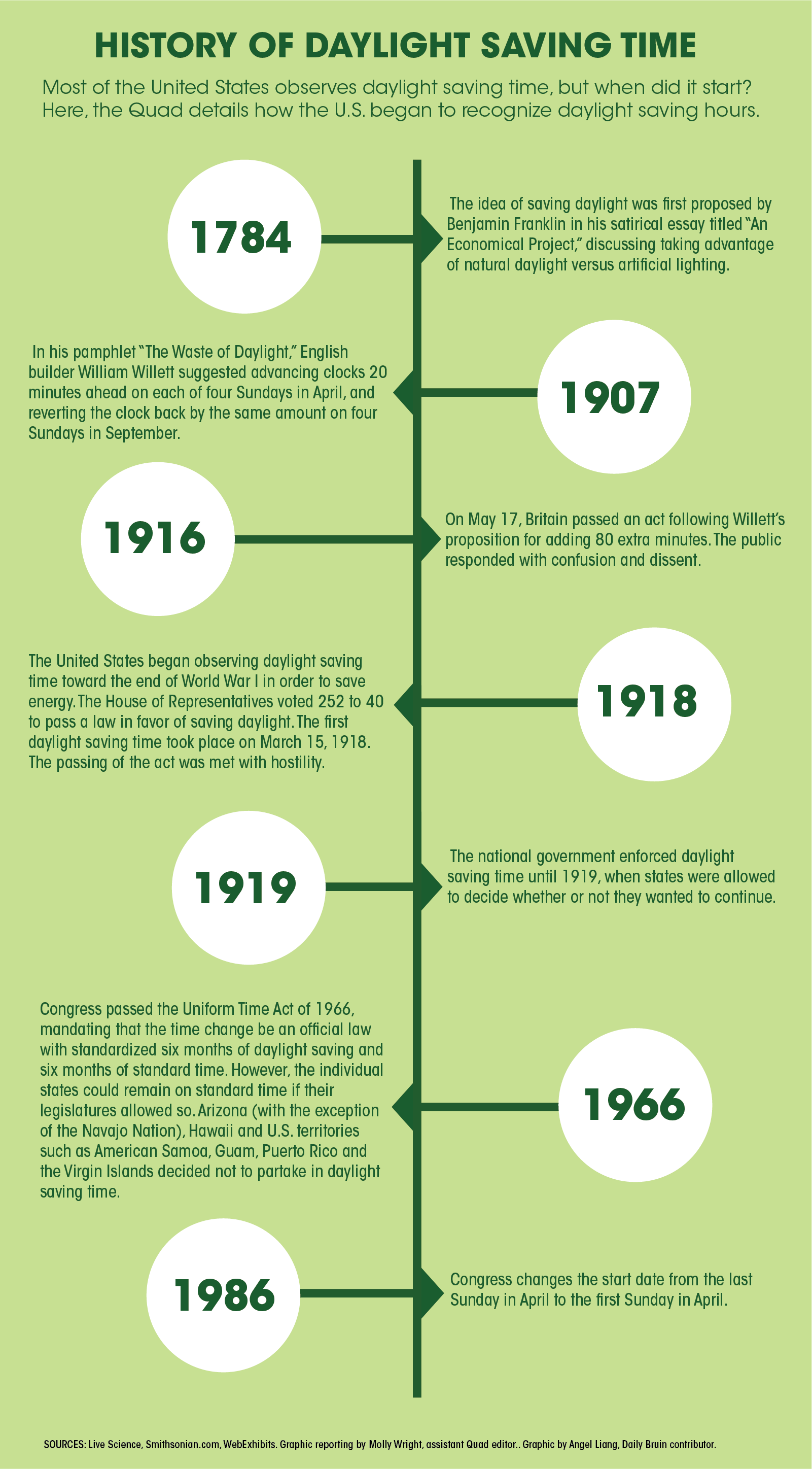
California’s observance of Daylight Saving Time follows the federal guidelines established in the Uniform Time Act of 1966, though there have been ongoing discussions and propositions to potentially alter this tradition. For now, the pattern remains consistent, shaping the daily rhythms across the entire state.
The Annual Shift: Spring Forward, Fall Back
The essence of Daylight Saving Time can be summed up in the popular phrases: “spring forward, fall back.”
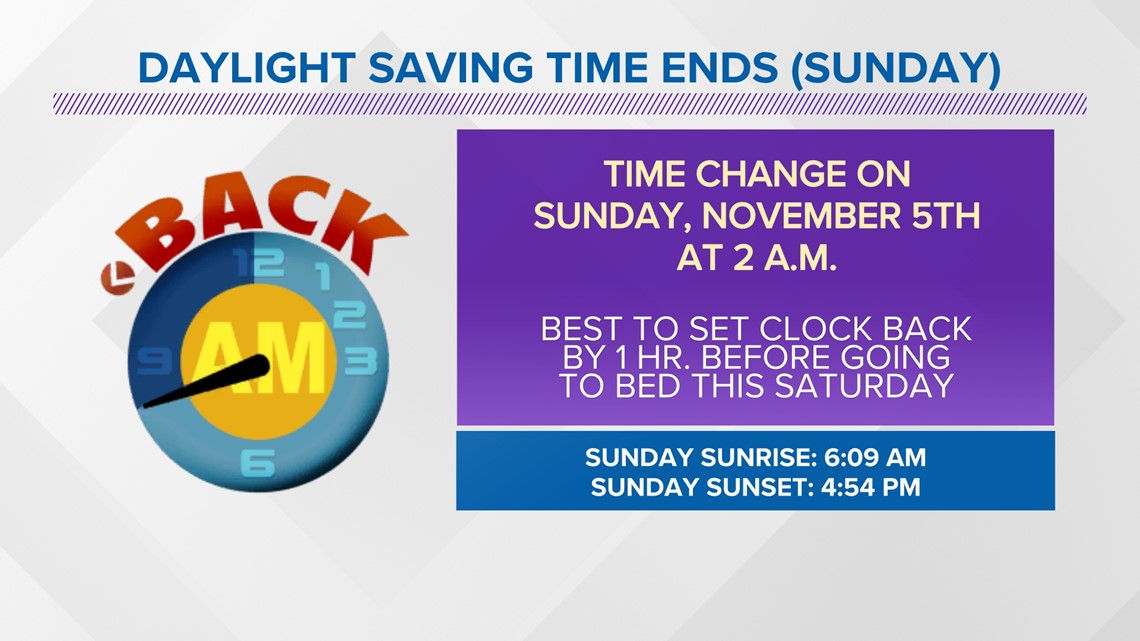
- Spring Forward: On the second Sunday in March, clocks in California (and most of the United States) spring forward by one hour at 2:00 AM Pacific Standard Time (PST), effectively shifting to 3:00 AM Pacific Daylight Time (PDT). This means a lost hour of sleep but an extra hour of daylight in the evenings, which is particularly appealing for extended outdoor activities and evening excursions.
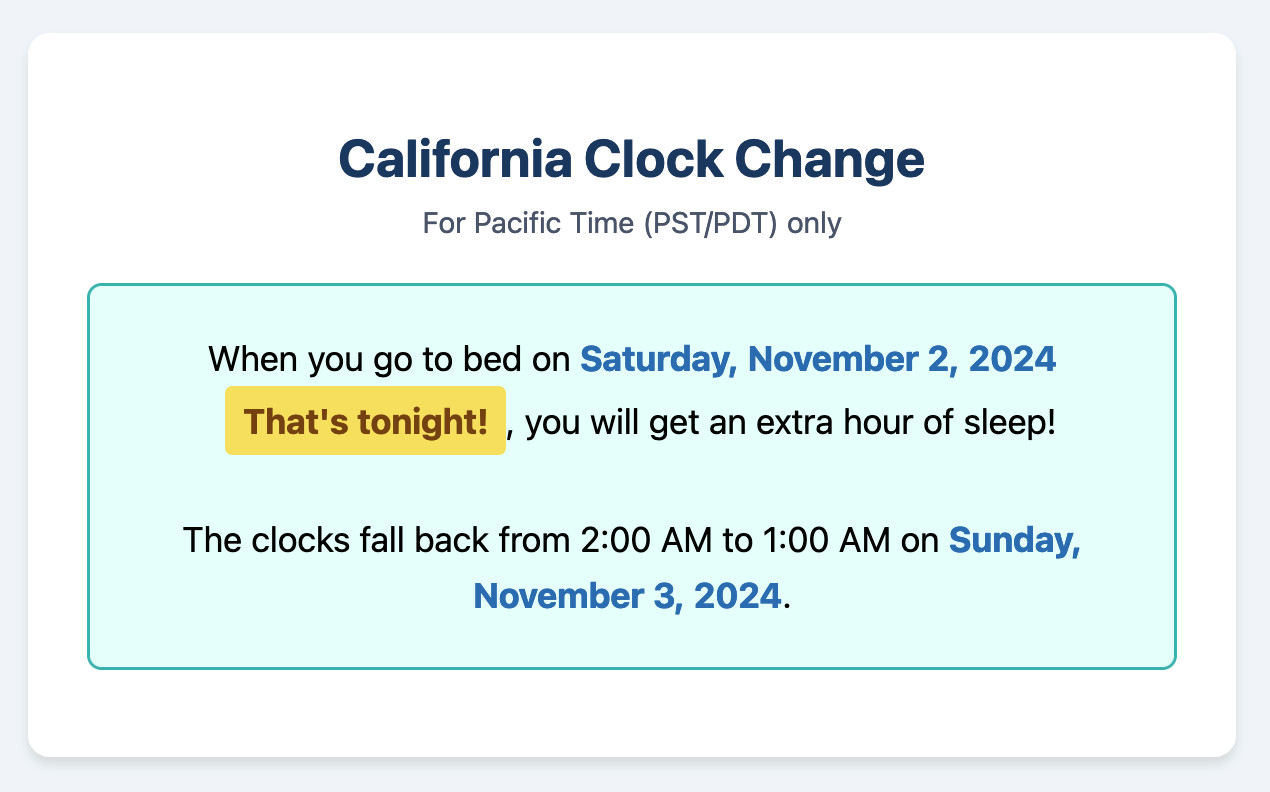
- Fall Back: On the first Sunday in November, clocks fall back by one hour at 2:00 AM Pacific Daylight Time (PDT), reverting to 1:00 AM Pacific Standard Time (PST). This grants an extra hour of sleep and earlier sunrises, though it also means earlier sunsets.
These shifts impact everything from television schedules and business hours to, crucially, travel plans and the overall lifestyle for residents and visitors alike.
The Pacific Time Zone: California’s Standard
California is entirely within the Pacific Time Zone. When Daylight Saving Time is not in effect (roughly from early November to mid-March), the state observes Pacific Standard Time (PST), which is UTC-8. During Daylight Saving Time (from mid-March to early November), it switches to Pacific Daylight Time (PDT), which is UTC-7. This consistent time zone across the state simplifies intra-state travel planning, as you won’t encounter different time zones within California itself. However, for those arriving from other time zones, especially international travelers, understanding this one-hour shift can prevent confusion and missed connections.
Impact on Travel and Tourism in California
For anyone planning a trip to California, the time change isn’t just a minor inconvenience; it’s a significant factor that can influence everything from flight schedules to your ability to enjoy the state’s vibrant tourism offerings. A little foresight can ensure your California adventure remains on track.
Planning Your Itinerary: Flights, Tours, and Attractions
The most immediate impact of a time change for travelers often revolves around transportation. Flights scheduled around the 2:00 AM shift can sometimes lead to confusion. While airlines and airports typically adjust their systems automatically, double-checking your flight times the day before and on the morning of travel is always a wise precaution. If you have an early morning flight on the “spring forward” Sunday, you might effectively lose an hour of sleep and need to wake up earlier than anticipated relative to your body clock. Conversely, on the “fall back” Sunday, an early flight could mean you have an unexpected extra hour, which might lead to arriving at the airport significantly earlier than necessary.
Beyond flights, tours and attractions might also see subtle shifts. While opening hours for major landmarks like Disneyland in Anaheim or Universal Studios Hollywood in Los Angeles are usually published well in advance, private tour operators or smaller local businesses might have slightly adjusted schedules. It’s always best to reconfirm any pre-booked tours or specific timed entries to museums and galleries around the time change dates. The added daylight in spring and summer (PDT) means more hours to explore the Santa Monica Pier or stroll across the Golden Gate Bridge in San Francisco, enhancing your overall travel experience. Conversely, shorter daylight hours in fall and winter (PST) might require earlier starts for outdoor activities in Yosemite National Park or along the Big Sur coast.
Accommodation Considerations: Checking In and Out
Hotels and accommodation providers are generally well-versed in handling time changes, but it’s another area where travelers should pay attention. If your check-in or check-out falls on a time change Sunday, particularly the “spring forward” date, an unexpected early start could be a factor. Most hotels will adhere to the new local time, but if you’ve communicated a specific check-out time based on your original time zone, there could be a slight miscommunication.
When booking suites, resorts, apartments, or villas in California, especially for a weekend that includes a time change, confirm with the front desk or your host regarding any procedures or potential adjustments to your stay. For example, a luxury travel experience at The Beverly Wilshire in Beverly Hills will have impeccable service regardless, but a quick confirmation ensures no surprises. Similarly, a stay at Hotel del Coronado near San Diego might feel like an eternal vacation, but even there, awareness of the clock adjustment is beneficial. For those utilizing booking platforms for long-term stays or budget accommodations, clarity on time-related matters is equally important.
Lifestyle Adjustments for Visitors: From Luxury Travel to Budget Explorations
The time change affects not just logistics but also the physiological rhythm of travelers. Jet lag can be compounded by the one-hour shift, especially for those arriving from multiple time zones away. If you’re traveling for a family trip with young children, the time shift can disrupt sleep schedules, making it harder for them to adjust.
For those pursuing a luxury travel lifestyle, scheduling spa treatments, gourmet dinners, or private tours around the time change might require a brief mental adjustment. If you’re on a budget travel adventure, maximizing daylight hours during PDT can mean more time for free outdoor activities like hiking in Griffith Park or exploring the beaches of Malibu. Understanding the shift helps you plan your day more effectively, ensuring you don’t miss out on enjoying the diverse food scene or unique activities that California offers, regardless of whether you’re visiting San Jose for a business stay or exploring Sonoma Valley for wine country tours.
Navigating Specific Californian Destinations During Time Changes
California’s vast geographical and cultural diversity means that while the time change itself is uniform, its practical implications might feel different depending on your chosen destination. From bustling metropolises to serene national parks, each area presents unique considerations for travelers.
Los Angeles and Southern California: Beachside Attractions and City Life
In Los Angeles and throughout Southern California, the spring forward shift means glorious, extended evenings for enjoying the beaches of Santa Monica or Venice Beach. Sunset views from the Griffith Observatory or the Hollywood Sign will be later, allowing for more daytime exploration before settling in for golden hour photo opportunities. Theme parks like Disneyland and Universal Studios Hollywood often extend their hours in spring and summer, aligning perfectly with PDT to give visitors more time for rides and shows.
For food tours, dining reservations in areas like West Hollywood, or catching a show at the Dolby Theatre, the adjusted clock means your internal body clock might feel an hour off initially, so factor in a slight buffer. If you’re staying at a resort like The Ritz-Carlton, Laguna Niguel, enjoying the amenities will feel more relaxed with the extra evening daylight. When the clocks fall back, earlier sunsets might prompt you to plan evening activities like exploring the La Brea Tar Pits or the Getty Center earlier in the day.
San Francisco and Northern California: Coastal Landmarks and Wine Country
San Francisco and Northern California also adapt seamlessly. The added daylight in PDT allows for longer excursions to Alcatraz Island, extended walks through Golden Gate Park, or leisurely exploration of Pier 39. The famous Napa Valley and Sonoma Valley wine country benefit immensely from the longer days, allowing for more vineyard tours and wine tastings before sunset. This is particularly appealing for travelers focused on local culture and gourmet experiences.
If you’re staying at a historic hotel like the Fairmont San Francisco or a charming boutique accommodation in Carmel-by-the-Sea, the change will be managed by the property, but personal adjustment remains key. For those visiting Silicon Valley for business stays, meeting schedules will always adhere to the current local time, but internal clocks might need a day or two to catch up.
National Parks and Natural Wonders: Yosemite, Death Valley, and Beyond
California’s stunning National Parks and natural destinations like Yosemite National Park, Death Valley National Park, and Sequoia National Park are profoundly influenced by daylight. During PDT, the extended daylight hours are a boon for hikers, campers, and sightseers, allowing for longer explorations of trails, scenic drives, and photography opportunities. You can push your hikes a bit later into the evening, maximizing your time among breathtaking landscapes. This is especially true for Yosemite’s iconic granite cliffs and waterfalls or Death Valley’s vast desert panoramas.
When clocks fall back to PST, you’ll find sunsets come earlier, necessitating earlier starts for ambitious outdoor activities to ensure you’re back at your accommodation or trailhead before dark. Planning ahead for gear like headlamps and layered clothing becomes even more important. Accommodations within or near these parks, such as the Ahwahnee Hotel in Yosemite, will operate on local time, but your internal clock’s adjustment could influence your wake-up for sunrise hikes or early morning wildlife spotting.
Tips for a Seamless California Trip During Time Shifts
Navigating California’s time changes doesn’t have to be complicated. With a few simple strategies, you can ensure your trip is smooth and enjoyable, focusing on the beauty and excitement of your destinations rather than worrying about the clock.
Pre-Travel Planning and Communication
- Confirm Dates: Always double-check the exact dates for “spring forward” and “fall back” for the current year. While consistent, knowing the precise Sunday is key.
- Adjust Schedules: If your trip overlaps with a time change, mentally adjust your itinerary a few days in advance. Factor in the lost or gained hour, especially for early morning departures or late-night arrivals.
- Communicate with Providers: Before you leave, confirm check-in/check-out times with your hotel or accommodation host. Reconfirm any timed reservations for tours, attractions, or dining. This is particularly important for unique stays like the Post Ranch Inn in Big Sur or specialized guides for a Napa Valley experience.
- Device Settings: Ensure your phone and other electronic devices are set to update time automatically. This eliminates manual adjustment headaches and keeps you on the correct local time.
Maximizing Your California Experience
- Embrace the Daylight (PDT): When clocks spring forward, relish the extra hour of daylight in the evenings. This is prime time for longer beach strolls in San Diego, exploring Downtown Los Angeles’s local culture, or enjoying alfresco dining. Plan your outdoor activities and scenic drives along routes like Highway 1 to take full advantage.
- Plan for Earlier Evenings (PST): When clocks fall back, recognize that sunsets will be earlier. This might mean adjusting your plans to start outdoor activities earlier in the day or transitioning to indoor attractions and evening entertainment sooner. Explore museums in Sacramento, or enjoy the nightlife in Palm Springs.
- Prioritize Sleep and Hydration: Adjusting to a new time, even by just an hour, can affect your body. Stay hydrated, especially when arriving from a different time zone, and prioritize good sleep to combat any minor jet lag or adjustment fatigue.
- Flexibility is Key: While planning is important, maintaining a degree of flexibility in your itinerary can help you adapt to any unforeseen circumstances or simply allow you to fully immerse yourself in unexpected experiences.
The Future of Daylight Saving in California: A Lingering Debate
The conversation around Daylight Saving Time in California is far from settled. In 2018, California voters approved Proposition 7, which gave the state legislature the power to vote to permanently adopt Daylight Saving Time (PDT year-round) or to revert to year-round Pacific Standard Time. However, implementing permanent Daylight Saving Time would require a change in federal law.
Potential Changes and What They Mean for Travelers
If California were to permanently adopt Pacific Daylight Time (UTC-7), it would mean later sunrises in winter and extended evening daylight year-round. Conversely, permanent Pacific Standard Time (UTC-8) would mean earlier sunsets year-round. Either scenario would remove the biannual clock changes, simplifying travel planning and potentially reducing seasonal disruptions to sleep patterns and daily routines for both residents and tourists.
For now, travelers should continue to expect the biannual time shifts. Keeping an eye on news related to California’s legislative efforts regarding Daylight Saving Time is prudent for long-term planning, but for current and near-future visits, the “spring forward, fall back” rhythm remains the standard. Regardless of potential future changes, the allure of California – its stunning landmarks, vibrant cities, and unparalleled experiences – continues to make it a premier destination for all types of travelers. By being mindful of the time change, you ensure your Golden State adventure is as smooth and memorable as possible.
LifeOutOfTheBox is a participant in the Amazon Services LLC Associates Program, an affiliate advertising program designed to provide a means for sites to earn advertising fees by advertising and linking to Amazon.com. Amazon, the Amazon logo, AmazonSupply, and the AmazonSupply logo are trademarks of Amazon.com, Inc. or its affiliates. As an Amazon Associate we earn affiliate commissions from qualifying purchases.