
California, a state renowned for its diverse landscapes, from sun-drenched beaches to snow-capped mountains, holds within its embrace one of nature’s most awe-inspiring wonders: the majestic redwood forests. These ancient giants, with their towering canopies and serene undergrowth, offer an unparalleled travel experience, drawing millions of visitors eager to witness their grandeur. For those planning a journey that intertwines natural beauty with rich history and unforgettable experiences, understanding the locations of these arboreal titans is the first step. The term “redwoods” often conjures images of the world’s tallest trees, but California is home to two distinct species of redwood trees, each occupying different geographical niches within the state: the Coastal Redwoods (Sequoia sempervirens) and the Giant Sequoias (Sequoiadendron giganteum). While both are members of the redwood family and boast impressive size, their preferred habitats, appearances, and the experiences they offer are unique, making both essential stops on any comprehensive California itinerary.
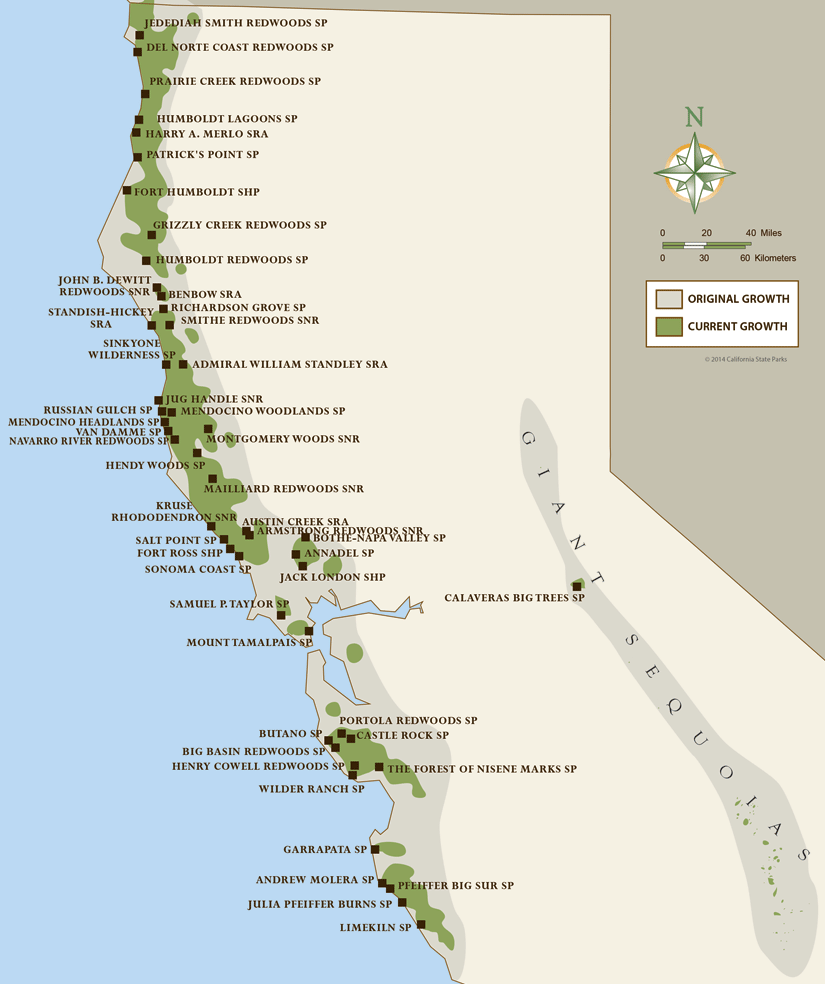
This guide delves deep into the specific locations where you can encounter these living legends, highlighting key destinations, the types of accommodations available, and tips for making your visit a memorable one, all through the lens of a travel and lifestyle enthusiast. Whether you’re seeking a remote wilderness adventure or a convenient day trip from a major city, the redwoods of California promise an escape into a world of unparalleled natural beauty.
The Majestic Coastal Redwoods: A Northern California Treasure
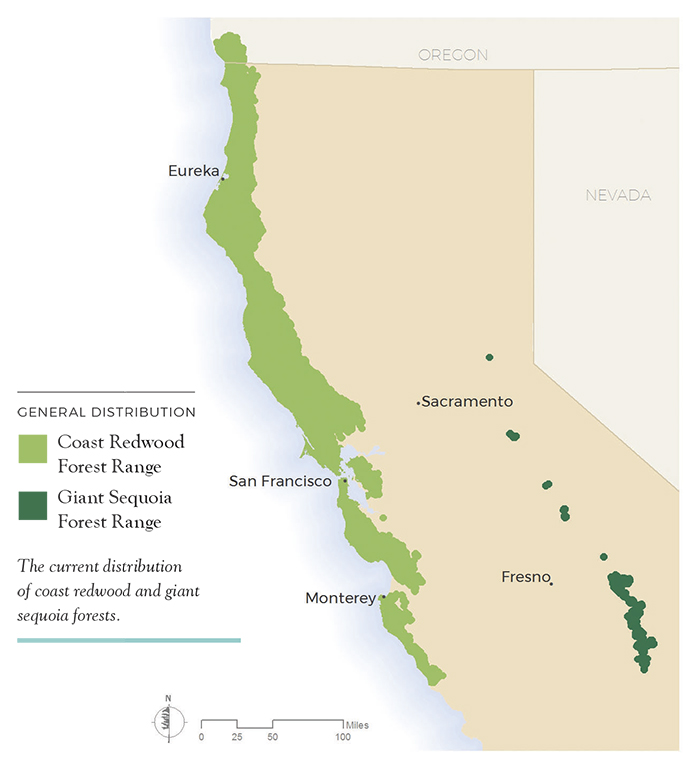
The Coastal Redwoods (Sequoia sempervirens) are the undisputed champions of height in the plant kingdom. These slender, fog-loving giants thrive along the moist, cool Pacific coastline of Northern California, stretching from just south of Big Sur all the way up to the Oregon border. Their existence is inextricably linked to the coastal fog, which provides the necessary moisture during the dry California summers. Visiting these forests is an immersive experience, as the dense canopies create an ethereal, dimly lit environment, often accompanied by the quiet rustle of leaves and the distant calls of forest creatures. The air is perpetually cool and damp, carrying the earthy scent of redwood needles and rich soil.
Redwood National and State Parks: The Heart of the Giants
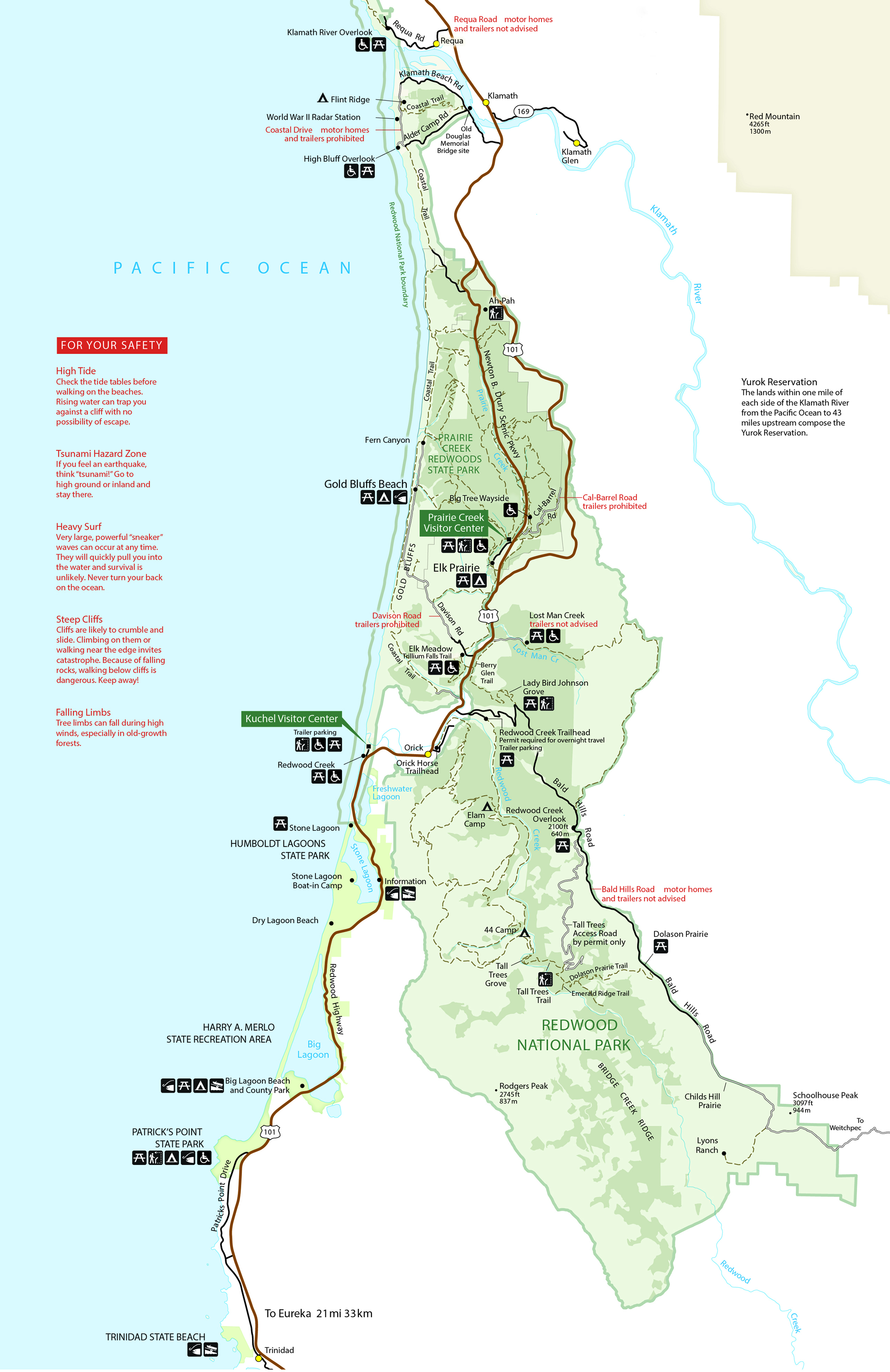
The primary stronghold for Coastal Redwoods is the interconnected system of Redwood National and State Parks (RNSP), a UNESCO World Heritage Site and International Biosphere Reserve. Located in the far Northern California counties of Humboldt and Del Norte, this park system encompasses Redwood National Park along with three California State Parks: Jedediah Smith Redwoods State Park, Prairie Creek Redwoods State Park, and Del Norte Coast Redwoods State Park. This collaborative effort protects nearly half of all remaining old-growth Coastal Redwoods.
To reach this majestic region, most travelers journey north on US-101, often dubbed the “Redwood Highway.” The journey itself is part of the experience, winding through picturesque towns and offering glimpses of the towering trees even before entering the parks. Within RNSP, key areas to explore include:
- Jedediah Smith Redwoods State Park: Known for its pristine forests and the crystal-clear waters of the Smith River. Don’t miss the Stout Grove, home to some of the most iconic and photogenic redwoods. The nearby town of Crescent City offers various accommodation options, from cozy motels to vacation rentals, catering to diverse budget travel and family trips.
- Prairie Creek Redwoods State Park: Famous for its Roosevelt Elk herds, lush prairies, and spectacular hiking trails, including the renowned Fern Canyon, a narrow gorge draped in ferns. Lodging inside the park is limited to camping, but the nearby communities of Orick and Klamath provide additional choices.
- Tall Trees Grove: Nestled deep within Redwood National Park (permits often required), this grove was once home to the world’s tallest tree. While the title may have shifted, the hike to this remote area offers a profound sense of solitude and immersion in an ancient forest.
- Newton B. Drury Parkway and Coastal Drive: Scenic routes that showcase breathtaking groves and ocean vistas.
Beyond the formal park boundaries, but intimately connected, is Humboldt Redwoods State Park, located slightly south of RNSP. This park boasts the magnificent Avenue of the Giants, a scenic alternative to US-101 that meanders for 31 miles through colossal groves, including the world-famous Drive-Thru Tree Park (one of several). Towns like Garberville and Miranda offer charming local hotels and cabin rentals, perfect for exploring this section.
Muir Woods National Monument: A Bay Area Escape
For those based in or visiting the San Francisco Bay Area, the most accessible place to experience Coastal Redwoods is Muir Woods National Monument. Located just a short drive north of San Francisco in Marin County, this national monument preserves an old-growth redwood forest that provides an immediate connection to nature’s grandeur. While not home to the absolute tallest trees, the sheer density and venerable age of the redwoods here are deeply impressive.
Due to its proximity to San Francisco, Muir Woods can get very crowded, especially on weekends. Reservations for parking or shuttle service are now mandatory, a measure designed to enhance the visitor experience and protect this delicate ecosystem. This makes it an ideal spot for a planned day trip. After exploring the serene trails, visitors can enjoy the vibrant culinary scene and diverse accommodation options, from luxury resorts to boutique hotels, found in San Francisco or nearby towns like Mill Valley and Sausalito.
Other Notable Coastal Redwood Groves
Beyond the major national and state parks, several other locations offer opportunities to marvel at Coastal Redwoods:
- Armstrong Redwoods State Natural Reserve: Situated near Guerneville in Sonoma County’s Russian River Valley, this reserve is a wonderful alternative to Muir Woods for those exploring wine country. It features a paved trail perfect for accessibility and boasts impressive trees like the 310-foot tall Parson Jones Tree.
- Henry Cowell Redwoods State Park: Near Santa Cruz in the Central Coast, this park is easily accessible from Highway 17. It’s famous for its Fremont Tree, a massive redwood with a hollowed-out base that you can stand inside. Santa Cruz offers a wide array of beachfront hotels, charming inns, and vacation rentals.
- Big Basin Redwoods State Park: Historically California’s oldest state park, located in the Santa Cruz Mountains. While significantly impacted by wildfires in 2020, it is slowly recovering and offers a poignant look at nature’s resilience. Check its official status before planning a visit, as parts may still be closed.
- Montgomery Woods State Natural Reserve: A remote and less-visited gem in Mendocino County, ideal for those seeking solitude and a profound connection with nature.
The Stately Giant Sequoias: High Sierra Wonders
In stark contrast to their coastal cousins, the Giant Sequoias (Sequoiadendron giganteum) are the most massive trees on Earth by volume. These magnificent behemoths thrive at higher elevations, primarily on the western slopes of California’s Sierra Nevada Mountains, between 4,000 and 8,000 feet. They require a specific climate characterized by deep snowpacks in winter and warm, dry summers, making their habitat distinct from the Coastal Redwoods. Visiting Giant Sequoias often involves traversing mountain roads and experiencing a different kind of forest environment – drier, sunnier, and with a distinct pine aroma.
Sequoia and Kings Canyon National Parks: The World’s Largest Trees
The epicenter of Giant Sequoias is undoubtedly Sequoia National Park and its contiguous partner, Kings Canyon National Park. These two parks, often managed together, protect the vast majority of the world’s remaining Giant Sequoia groves. Located in the Southern Sierra Nevada, access is typically from the west via State Route 180 from Fresno for Kings Canyon, or State Route 198 from Visalia for Sequoia National Park.
Highlights within these parks include:
- Giant Forest: Located in Sequoia National Park, this grove is home to five out of the ten largest trees on Earth, including the most massive of them all, the General Sherman Tree. Standing before this immense tree is a truly humbling experience, making it one of California’s most famous landmarks. The forest offers numerous hiking trails, including the Big Trees Trail and Congress Trail.
- Grant Grove: Situated in [Kings Canyon National Park](https://lifeoutofthebox.com/kings-canyon-national park), this grove is famous for the General Grant Tree, designated the “Nation’s Christmas Tree.” The grove is easily accessible and offers a paved, accessible loop trail.
- Crystal Cave: A marble cavern offering ranger-led tours, providing a fascinating counterpoint to the towering trees (seasonal availability).
Accommodation within Sequoia and Kings Canyon National Parks ranges from historic lodges like the Wuksachi Lodge and John Muir Lodge to various campgrounds. Outside the park, gateway towns such as Three Rivers (for Sequoia) and Squaw Valley or Pinehurst (for Kings Canyon) offer additional hotel, motel, and cabin options, catering to different preferences for long-term stays or quick visits.
Yosemite National Park: Mariposa Grove and More
While Yosemite National Park is world-renowned for its granite cliffs, waterfalls, and valleys, it also protects three groves of Giant Sequoias: Mariposa Grove, Tuolumne Grove, and Merced Grove.
- Mariposa Grove of Giant Sequoias: Located in the southern part of Yosemite National Park near the South Entrance, this is the largest and most famous of Yosemite’s redwood groves. It features over 500 mature Giant Sequoias, including the Grizzly Giant, estimated to be 2,700 years old, and the California Tunnel Tree (you can walk through it). The grove underwent a multi-year restoration project to improve visitor experience and tree health, and it now offers a variety of trails from easy boardwalks to more strenuous uphill hikes.
- Tuolumne Grove and Merced Grove: These smaller, more secluded groves are located near the Big Oak Flat Entrance and offer a quieter, more rustic experience, often requiring a downhill hike to reach the trees.
Yosemite National Park itself offers a wide range of accommodation, from luxury hotels like The Ahwahnee (formerly Majestic Yosemite Hotel) and comfortable lodges such as Yosemite Valley Lodge to numerous campgrounds. Outside the park, towns like Groveland, El Portal, and Fish Camp provide further choices for hotels, resorts, and vacation rentals, catering to all types of lifestyle preferences, from luxury travel to budget-conscious family trips.
Other Sequoias in the Sierra Nevada
A notable standalone park for Giant Sequoias is Calaveras Big Trees State Park, located north of Yosemite in the central Sierra. This park was instrumental in raising awareness about Giant Sequoias in the 19th century and boasts two major groves. Its famous Discovery Tree (cut down in 1853) introduced the world to these colossal trees. Today, visitors can walk among the magnificent giants on well-maintained trails, including the North Grove and the more remote South Grove. The nearby towns of Arnold and Murphys offer charming local hotels and bed-and-breakfasts.
Planning Your Redwood Adventure: Travel, Accommodation, and Experiences
Visiting California’s redwoods is more than just seeing trees; it’s about embarking on a journey that combines natural exploration with thoughtful planning to maximize your travel experiences.
Getting There and Getting Around
The best way to explore the redwood regions, especially the expansive Redwood National and State Parks and Sequoia and Kings Canyon National Parks, is by car. This allows for flexibility to drive scenic routes like the Avenue of the Giants or navigate between different groves.
- Coastal Redwoods: For Northern California, fly into regional airports like Arcata-Eureka Airport (ACV) or larger hubs like San Francisco International Airport (SFO) or Oakland International Airport (OAK) and rent a car for the scenic drive north on US-101. For Muir Woods, it’s a short drive from San Francisco, but remember the mandatory parking or shuttle reservations.
- Giant Sequoias: Fly into Fresno Yosemite International Airport (FAT) for the most convenient access to Sequoia and Kings Canyon or Yosemite. From Fresno, you’re about a 1.5-2 hour drive to park entrances. Public transport options are limited and generally require shuttle services once inside the parks during peak seasons. Be mindful of seasonal road closures due to snow in the Sierra Nevada during winter months.
Where to Stay: Hotels, Lodges, and Camping
Accommodation options vary widely depending on the region and desired travel lifestyle.
- Inside the Parks: National and State Parks offer a range of lodging from rustic cabins and tent cabins (like those in Curry Village in Yosemite) to more comfortable lodges and hotels. Booking well in advance (6-12 months for popular times) is crucial, especially for hotels like The Ahwahnee or Wuksachi Lodge. Campgrounds are abundant but also fill up quickly.
- Gateway Towns: Towns bordering the parks, such as Eureka and Crescent City for Coastal Redwoods, or Three Rivers and Groveland for Giant Sequoias, provide more diverse choices, from budget-friendly motels to charming inns, B&Bs, and vacation rentals. These often come with more amenities and dining options than what’s available inside the parks. Many of these cater to various travel needs, including family trips, romantic getaways, or even business stays that combine work with natural exploration.
- Luxury Travel and Resorts: For those seeking a more upscale experience, cities like San Francisco (for Muir Woods) or Napa Valley (for Armstrong Redwoods) offer world-class hotels and resorts, allowing visitors to combine a redwood excursion with a luxurious city or wine country escape.
When comparing accommodation, consider proximity to the groves you wish to visit, amenities offered (suites, pet-friendly options, pools), and traveler reviews.
Immersive Experiences and Responsible Tourism
Beyond hiking, the redwoods offer various activities:
- Scenic Drives: Avenue of the Giants and Newton B. Drury Parkway are perfect for leisurely drives.
- Biking: Many parks have designated bike trails, offering a different perspective of the forest.
- River Activities: In Jedediah Smith Redwoods, the Smith River offers opportunities for kayaking and swimming.
- Wildlife Viewing: Keep an eye out for Roosevelt Elk in Prairie Creek, black bears in the Sierra Nevada, and diverse bird species throughout.
Practicing responsible tourism is vital. Stay on marked trails to protect delicate ecosystems, pack out all trash, and respect wildlife. Check park websites for current conditions, road closures, and any permit requirements. Local culture around these areas often revolves around nature conservation and outdoor recreation, offering a unique glimpse into a lifestyle deeply connected to the environment.
A Lifestyle of Grandeur: Why Visit California’s Redwoods?
A journey to California’s redwood forests is more than just a sightseeing trip; it’s an encounter with timelessness, a profound lesson in scale, and an opportunity for introspection. The sheer majesty of these ancient trees evokes a sense of wonder and humility, reminding us of nature’s enduring power and resilience. Whether you’re standing beneath the world’s tallest Coastal Redwood, feeling dwarfed by the massive girth of a Giant Sequoia, or simply soaking in the quiet reverence of a fog-laden grove, the experience is deeply moving.
For the travel enthusiast, the redwoods represent an iconic California landmark that must be seen to be believed. For those seeking a lifestyle steeped in nature and tranquility, these forests offer the perfect backdrop for hiking, photography, and simply unwinding amidst unparalleled beauty. From the misty northern coast to the sun-drenched high Sierra Nevada, the redwoods invite you to explore, discover, and be utterly captivated. Planning your visit carefully, choosing the right accommodation, and immersing yourself responsibly in these natural cathedrals will ensure a trip that resonates long after you’ve left the shade of the giants.
LifeOutOfTheBox is a participant in the Amazon Services LLC Associates Program, an affiliate advertising program designed to provide a means for sites to earn advertising fees by advertising and linking to Amazon.com. Amazon, the Amazon logo, AmazonSupply, and the AmazonSupply logo are trademarks of Amazon.com, Inc. or its affiliates. As an Amazon Associate we earn affiliate commissions from qualifying purchases.