
For anyone envisioning a singular “6 Flags California,” the reality is a delightful duality: the Golden State is home to not one, but two distinct and equally thrilling Six Flags theme parks. Each offers its own unique brand of excitement, catering to different preferences and located in contrasting regions of California. When planning an adventure to “6 Flags California,” you’re essentially choosing between the unparalleled coaster capital of Six Flags Magic Mountain in Southern California and the captivating blend of animal encounters and thrilling rides at Six Flags Discovery Kingdom in Northern California. Understanding the location, unique offerings, and surrounding attractions of each park is crucial for crafting the perfect travel itinerary. This guide delves into everything you need to know about experiencing the best of Six Flags in California, from pinpointing their exact locations to planning your accommodation and making the most of your visit.
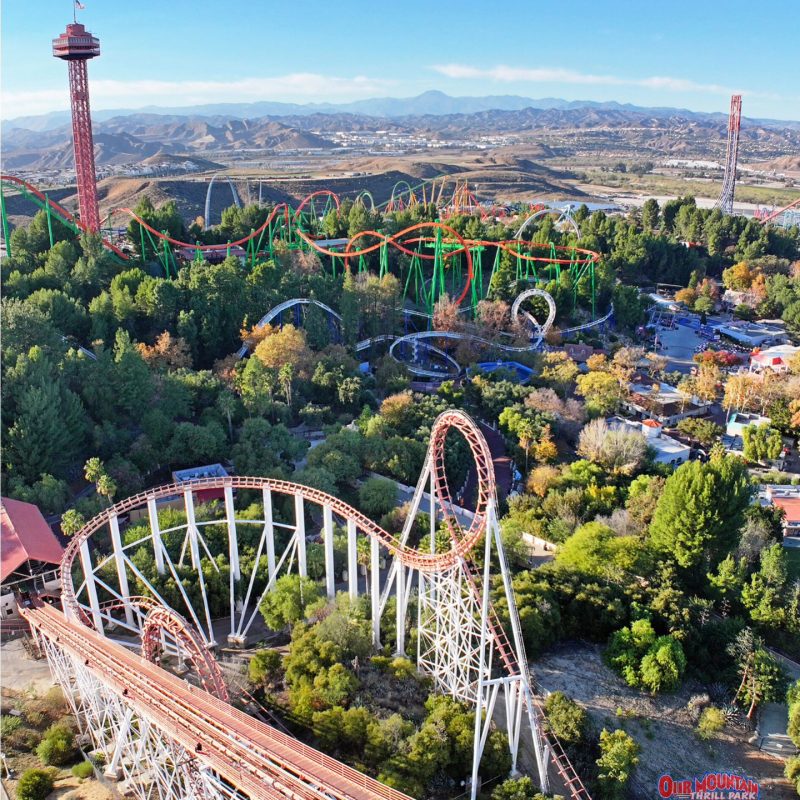
Unveiling California’s Thrill Capitals: Six Flags Magic Mountain and Six Flags Discovery Kingdom
California stands as a premier destination for theme park enthusiasts, and Six Flags plays a significant role in cementing that reputation. While both parks carry the iconic Six Flags brand, they are geographically separated and offer fundamentally different experiences. Understanding these distinctions is the first step in deciding which “6 Flags California” adventure is right for you.
Six Flags Magic Mountain: The Roller Coaster Mecca of Southern California
Often synonymous with “Six Flags California” for many thrill-seekers, Six Flags Magic Mountain is located in Valencia, a community within the city of Santa Clarita in Los Angeles County. This park is an absolute titan in the world of roller coasters, holding the record for the most roller coasters in a single theme park globally. It is the ultimate destination for adrenaline junkies, boasting an unparalleled collection of world-class rides that push the boundaries of speed, height, and inversions.
From the dizzying drops of Goliath to the groundbreaking inversions of Twisted Colossus, and the sheer speed of X2, Six Flags Magic Mountain delivers an intense, high-octane experience. Its sprawling layout covers over 260 acres, featuring themed areas that transport visitors from a Western frontier to a futuristic cityscape, all interconnected by a relentless array of attractions. Beyond the major coasters, the park offers a variety of flat rides, family-friendly attractions, and entertainment options, though its primary draw remains its dominance in the coaster realm. The dry, sunny climate of Southern California typically allows for year-round operation, making it an accessible destination for thrills any time of the year, although summer months and holidays will naturally see larger crowds.
Six Flags Discovery Kingdom: A Unique Blend of Thrills and Wildlife in Northern California
Venturing north, Six Flags Discovery Kingdom presents a distinct proposition. This park is situated in Vallejo, a city nestled in the picturesque San Francisco Bay Area of Northern California. What sets Six Flags Discovery Kingdom apart is its innovative combination of high-energy thrill rides with a comprehensive zoological park. It’s a place where you can ride a record-breaking coaster in one moment and observe majestic tigers or interact with playful dolphins the next.
The animal attractions are a significant draw, featuring everything from captivating marine mammal shows to land animal exhibits showcasing predators and exotic species. Guests can enjoy up-close encounters, educational presentations, and even behind-the-scenes tours that offer insights into wildlife conservation efforts. Complementing this natural wonder is a solid collection of roller coasters and rides, including Medusa, a floorless coaster, and Superman: Ultimate Flight, a launched coaster. While perhaps not boasting the sheer volume of coasters as its southern counterpart, Six Flags Discovery Kingdom offers a more balanced family experience, appealing to those who appreciate both the rush of a roller coaster and the wonder of the animal kingdom. Its location provides a cooler, often breezier climate, typical of the Bay Area, making it a comfortable visit during the warmer months.
Planning Your Six Flags Adventure: Getting There and Staying Nearby
Once you’ve decided which “6 Flags California” experience aligns with your travel goals, the next step is planning the logistics. This includes understanding the best ways to reach each park and exploring the myriad accommodation options available in their respective regions. California’s vastness means that travel planning requires careful consideration, especially for visitors flying in or combining a theme park visit with other attractions across the state.
Accessing Six Flags Magic Mountain
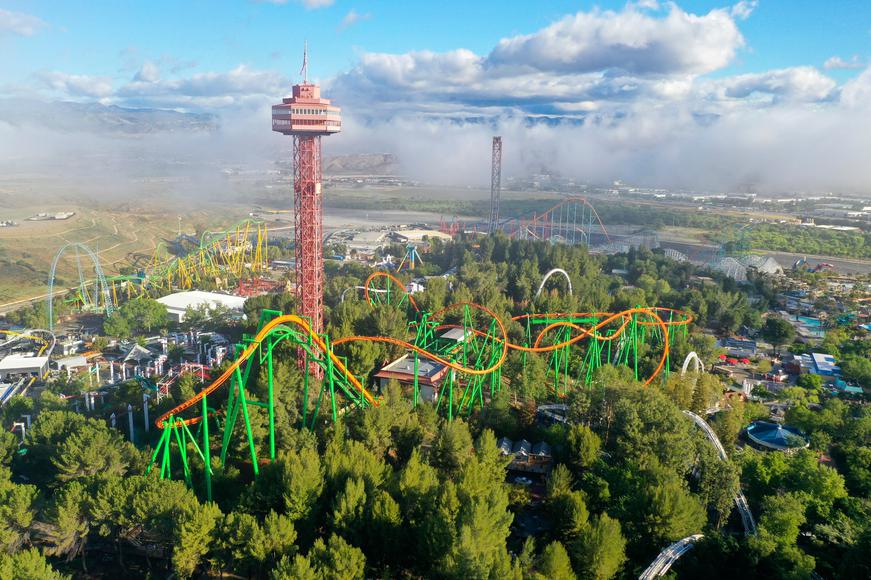
Getting to Six Flags Magic Mountain is relatively straightforward, given its proximity to major transportation hubs in Southern California.
Airports: The most convenient airport for international and domestic travelers is Los Angeles International Airport (LAX), located approximately an hour’s drive south of the park. For those seeking a closer, less congested option, Hollywood Burbank Airport (BUR) is significantly closer, about 35-45 minutes away, and offers a more relaxed travel experience.
Driving: The vast majority of visitors arrive by car. Six Flags Magic Mountain is easily accessible via Interstate 5, just off the Magic Mountain Parkway exit. Renting a car is highly recommended for flexibility, especially if you plan to explore other attractions in Los Angeles or Southern California.
Public Transport: While possible, public transportation to Six Flags Magic Mountain can be time-consuming, often involving multiple bus transfers. Metrolink trains can take you to the Santa Clarita area, but you’ll still need a local bus or ride-share service to reach the park itself.
Nearby Accommodation: The Santa Clarita area, particularly Valencia, offers a wide range of hotels and resorts catering to various budgets. You’ll find everything from budget-friendly motels to comfortable mid-range hotels with amenities like pools and complimentary breakfast. Many hotels specifically market their proximity to Six Flags Magic Mountain, offering packages or shuttle services. For those seeking a more luxurious or extended stay, options in the greater Los Angeles area are also within reasonable driving distance.
Getting to Six Flags Discovery Kingdom
Reaching Six Flags Discovery Kingdom involves navigating the vibrant and often bustling San Francisco Bay Area.
Airports: The most convenient airports are Oakland International Airport (OAK), approximately 30-45 minutes south, and San Francisco International Airport (SFO), about an hour’s drive southwest. Both offer extensive domestic and international connections.
Driving: Six Flags Discovery Kingdom is easily accessible by car, located just off Interstate 80 in Vallejo. Driving from San Francisco, Oakland, or Sacramento is straightforward, though traffic across the Bay Area’s bridges can be a significant factor, especially during rush hour.
Public Transport: Public transit options exist but are generally less direct than driving. BART (Bay Area Rapid Transit) can get you to cities like Richmond, from which local bus services (e.g., Vallejo Transit) can take you to the park. However, for tourists, a rental car remains the most practical choice for convenience and flexibility, especially if combining the visit with exploring the Napa Valley or other Northern California attractions.
Nearby Accommodation: Vallejo itself offers a selection of chain hotels and motels suitable for a theme park visit. Many visitors also opt to stay in nearby cities like Fairfield, Napa, or even commute from [San Francisco](https://lifeoutofthebox.com/san-francisco] or Oakland for a day trip. Staying in the renowned Napa Valley wine country can offer a luxurious and scenic base, combining theme park thrills with world-class wineries and gourmet dining. When booking, consider amenities like free parking, pools, and proximity to dining options to enhance your stay.
Enhancing Your California Theme Park Experience: Beyond the Rides
A trip to either Six Flags Magic Mountain or Six Flags Discovery Kingdom is more than just a day of rides; it’s an immersive travel experience within the diverse landscape of California. To truly maximize your visit, consider your accommodation choices, explore the rich offerings of the surrounding regions, and equip yourself with essential tips for a seamless and memorable adventure.
Accommodation Choices for Every Traveler
The extensive hospitality infrastructure around both Six Flags parks ensures that there’s an accommodation option to suit every budget and travel style.
Budget-Friendly Stays: For those prioritizing cost savings, numerous motels and extended-stay properties can be found in Santa Clarita near Six Flags Magic Mountain and in Vallejo for Six Flags Discovery Kingdom. These often include basic amenities like free Wi-Fi and parking, and sometimes a continental breakfast, making them ideal for short stays.
Mid-Range Comfort: The majority of visitors opt for mid-range hotels, which offer a good balance of comfort, convenience, and value. Brands like Holiday Inn Express, Hampton Inn, and Courtyard by Marriott are prevalent, providing family-friendly amenities such as swimming pools, fitness centers, and on-site dining. These hotels are often located just a few miles from the parks, with many offering complimentary shuttle services.
Luxury and Unique Resorts: For a more indulgent experience, consider upscale resorts or boutique hotels. Near Six Flags Magic Mountain, options in the wider Los Angeles area open up possibilities for luxury stays, though you’ll be a bit further from the park. For Six Flags Discovery Kingdom, the nearby Napa Valley is renowned for its exquisite resorts and charming inns, offering a blend of opulence and natural beauty that can transform your theme park trip into a more comprehensive luxury vacation. When booking, always check for special packages, particularly those that include park tickets, as these can offer significant savings. Reviews and comparison websites are invaluable tools for finding the best deals and ensuring your chosen accommodation meets your expectations.
Exploring the Surrounding Regions
A visit to either Six Flags park is an excellent opportunity to explore the broader attractions of California.
Southern California Excursions: If you’re visiting Six Flags Magic Mountain, you’re at the doorstep of the diverse wonders of Los Angeles. Beyond the rides, immerse yourself in the glamour of Hollywood, stroll along the iconic Santa Monica Pier, or relax on the sun-drenched beaches of Malibu. Cultural attractions like the Getty Center and the Griffith Observatory offer breathtaking views and enriching experiences. For nature lovers, the stunning landscapes of national parks like Joshua Tree or the Angeles National Forest are within a few hours’ drive, offering hiking, camping, and scenic beauty.
Northern California Delights: For those at Six Flags Discovery Kingdom, the entire San Francisco Bay Area and beyond await. A short drive takes you to the world-famous Napa Valley wine country and Sonoma Valley, where you can indulge in wine tastings and gourmet dining amidst picturesque vineyards. The iconic city of San Francisco is a must-visit, offering landmarks like the Golden Gate Bridge, Alcatraz Island, and the vibrant neighborhoods of Fisherman’s Wharf and Chinatown. For a dose of natural wonder, the towering redwood trees of Muir Woods National Monument are a short drive away, providing a serene escape into ancient forests.

Essential Tips for a Seamless Visit
Regardless of which Six Flags California park you choose, a few general tips can significantly enhance your experience.
Best Time to Visit: To avoid the longest lines, aim for weekdays during the off-peak seasons (typically late spring or early fall). Summer weekends and major holidays will always be the busiest. Checking the park’s operating calendar and local school schedules can help you plan strategically.
Ticketing and Passes: Purchase your tickets online in advance to save time and often money. Consider a Six Flags Season Pass or annual membership if you plan multiple visits or intend to visit both California parks, as these often include perks like free parking and discounts on food and merchandise. For those who want to skip the lines, a Flash Pass is a valuable investment, allowing you to reserve ride times and bypass queues.
What to Bring: Wear comfortable shoes, as you’ll be doing a lot of walking. Sunscreen, hats, and sunglasses are essential, especially in Southern California’s sunny climate. A portable phone charger is also highly recommended to keep your device powered for photos and navigation. While outside food is generally not allowed, bring a refillable water bottle to stay hydrated.
Food and Drink: Both parks offer a wide array of dining options, from quick-service snacks to sit-down meals. While theme park food can be pricey, options like meal deals or dining passes can offer better value if you plan to eat multiple meals at the park.
Safety and Accessibility: Familiarize yourself with each park’s safety guidelines and ride restrictions (height, health conditions). Both parks offer services for guests with disabilities; check their accessibility guides online for specific information. Staying aware of your surroundings and keeping valuables secure will ensure a safe and enjoyable day.
In conclusion, “Where is 6 Flags California?” opens the door to not just one, but two incredible theme park destinations, each promising a distinct and unforgettable adventure. Whether you’re chasing the ultimate coaster rush at Six Flags Magic Mountain or seeking a unique blend of animal encounters and thrilling rides at Six Flags Discovery Kingdom, careful planning for travel, accommodation, and regional exploration will ensure a seamless and exhilarating experience in the Golden State.
LifeOutOfTheBox is a participant in the Amazon Services LLC Associates Program, an affiliate advertising program designed to provide a means for sites to earn advertising fees by advertising and linking to Amazon.com. Amazon, the Amazon logo, AmazonSupply, and the AmazonSupply logo are trademarks of Amazon.com, Inc. or its affiliates. As an Amazon Associate we earn affiliate commissions from qualifying purchases.