
Embarking on a journey to a new destination, especially one as dynamic and diverse as Denver, Colorado, involves a myriad of preparations. From booking the perfect accommodation to crafting an unforgettable itinerary, every detail contributes to a seamless experience. Yet, one often-overlooked but crucially important aspect of travel planning, particularly for those traversing significant distances, is understanding the local time zone. For visitors heading to the “Mile-High City,” this means familiarizing oneself with Mountain Standard Time (MST) and its seasonal counterpart, Mountain Daylight Time (MDT). This comprehensive guide delves into the intricacies of Denver’s time, exploring its impact on travel logistics, tourism activities, and the overall lifestyle of this vibrant United States city, ensuring your trip is perfectly synchronized.
Understanding Denver’s Time Zone: Mountain Standard Time (MST)
Denver is situated in the Mountain Time Zone, which is seven hours behind Coordinated Universal Time (UTC-7). This places it squarely in the western half of North America, alongside states like Montana, Wyoming, Utah, and parts of New Mexico and Idaho. Understanding this foundational time difference is the first step in successful trip planning. While this might seem like a minor detail, it has profound implications for scheduling flights, managing international calls, and even adapting your body clock to new rhythms. For business travelers, being aware of the three-hour difference from the Eastern Time Zone and the one-hour difference from the Pacific Time Zone within the United States is paramount for timely meetings and virtual communications. Similarly, international visitors from Europe or Asia will experience an even more significant shift, making early time zone acclimatization a key to maximizing their experience.
MST vs. MDT: Navigating Daylight Saving
The concept of Mountain Standard Time (MST) is not static throughout the year. Like much of the United States (with the notable exception of most of Arizona), Denver observes Daylight Saving Time. This means that on the second Sunday in March, clocks “spring forward” one hour, shifting from MST (UTC-7) to Mountain Daylight Time (MDT), which is six hours behind Coordinated Universal Time (UTC-6). On the first Sunday in November, clocks “fall back” one hour, returning to MST.
This twice-yearly adjustment is crucial for travelers. A flight booked for “10 AM local time” in Denver could mean MST or MDT depending on the season, directly affecting arrival and departure times from other time zones. For instance, a traveler arriving from the Eastern Time Zone in July (during MDT) will experience a two-hour time difference, whereas the same trip in January (during MST) would be a three-hour difference. Awareness of this shift is vital for accurately planning connections, reserving tours, and ensuring you don’t miss out on precious moments during your Denver adventure. It also means that a local activity that might operate until 5 PM during MST could extend its hours to 6 PM during MDT due to the later sunsets, allowing for more extended exploration during the brighter evenings.

Why Denver’s Time Zone Matters for Travelers
Beyond mere clock adjustments, Denver’s time zone profoundly influences various aspects of the travel experience. For leisure travelers, it dictates when attractions open and close, the best times for dining reservations, and how much daylight you’ll have for outdoor activities, especially against the stunning backdrop of the Rocky Mountains. A common pitfall is miscalculating arrival times, leading to missed connections or an unexpected wait for hotel check-in. Conversely, underestimating the time difference can result in a rushed departure, potentially missing a flight from Denver International Airport (DIA).
Jet lag is another significant consideration. Traveling east to west often means a longer day, which can make it easier to adjust, but flying west to east can feel like a day is cut short, leading to fatigue and disorientation. Understanding that Denver is UTC-7 (or UTC-6) helps travelers from the Central Time Zone, Eastern Time Zone, or further afield, mentally prepare for the time shift and implement strategies to mitigate its effects. This might include gradually adjusting sleep schedules a few days before departure or prioritizing early nights upon arrival. For those on a business stay, maintaining productivity while adapting to a new schedule is crucial, necessitating careful planning for conference calls and deadlines that span multiple time zones across the United States, Canada, or Mexico.
Planning Your Denver Itinerary: Time-Sensitive Considerations
An intelligently crafted itinerary in Denver takes the local time zone into full account, ensuring you maximize every moment without feeling rushed or missing key experiences. From the moment your plane touches down at Denver International Airport until your final farewell, a keen awareness of the clock is your best travel companion. This foresight allows you to smoothly transition between activities, immerse yourself in local culture, and truly savor your time in the Mile-High City.
Optimizing Your Arrival and Departure Times
Your flight schedule is the first point of contact with Denver’s time zone. When booking flights, consider the time you’ll actually arrive at your destination versus your originating time zone. An early morning arrival in Denver might mean a very early start from an Eastern Time Zone city, but it offers the advantage of a full day of exploration. Conversely, an afternoon arrival provides a more leisurely start but leaves less daylight for initial activities. Similarly, departure times require careful thought, especially for return flights that “gain” hours. Ensure you factor in travel time to DIA, security checks, and potential delays.
Hotel check-in and check-out times are typically aligned with local standards, usually 3 PM or 4 PM for check-in and 11 AM or 12 PM for check-out. If you arrive early, inquire about early check-in options or luggage storage, allowing you to begin your adventure immediately. Late check-out requests should be made in advance, particularly for evening flights, to avoid feeling stranded. Many hotels, from luxury resorts like The Ritz-Carlton, Denver to budget-friendly options, offer amenities such as lobbies or business centers where you can relax or catch up on work if your schedule doesn’t perfectly align with their policies.
Synchronizing with Local Attractions and Activities
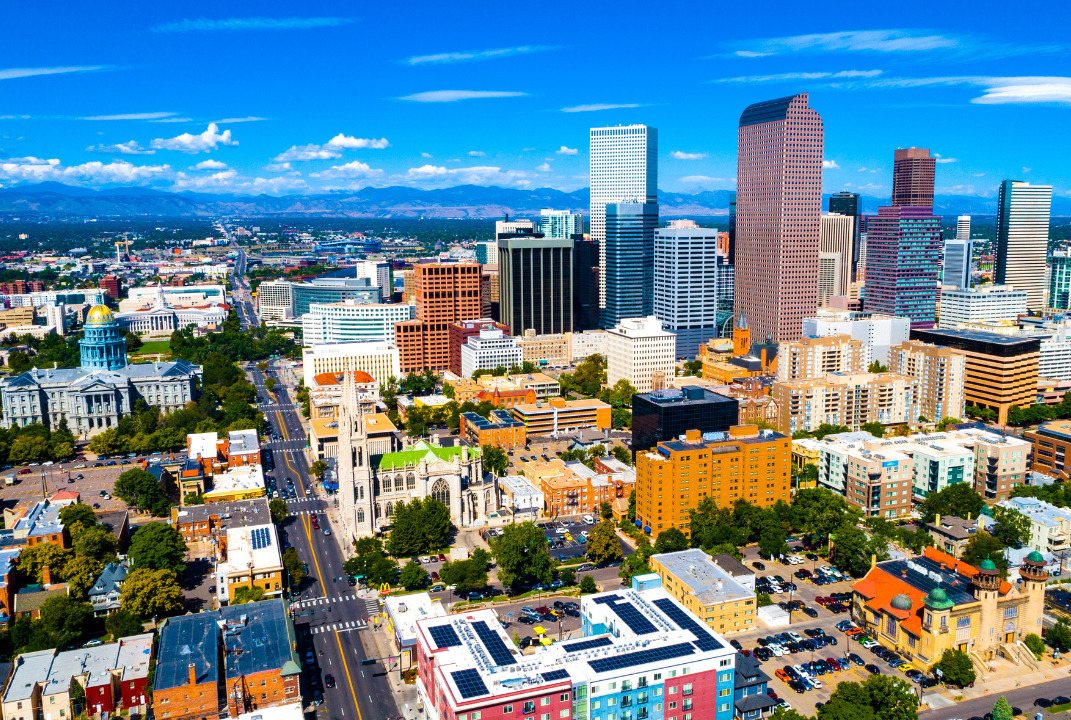
Denver’s array of attractions, from the Denver Art Museum to Red Rocks Amphitheatre, operates on specific schedules. Always check the opening and closing times, as well as specific tour schedules, in local MST or MDT. Popular landmarks like the Denver Botanic Gardens or Denver Zoo may have seasonal variations in their hours, often extending into the evening during summer MDT months and closing earlier in winter MST.
Booking timed entry tickets in advance is often recommended for popular sites, ensuring you secure your preferred slot and avoid long queues. Dining experiences also benefit from time-zone awareness. Popular restaurants in LoDo or Cherry Creek North can get busy, especially during peak dinner hours (typically 6 PM – 9 PM local time). Making reservations, keeping in mind the actual time in Denver, prevents disappointment. For those attending events at Coors Field or Empower Field at Mile High, knowing kick-off or start times in Denver’s local time is essential for pre-game festivities and transportation planning.
Managing Jet Lag: Tips for a Smooth Transition
Jet lag can significantly diminish the enjoyment of your trip, especially if you’re traveling from distant time zones like Europe or Asia. While you can’t eliminate it entirely, proactive strategies can help your body adjust to Denver’s Mountain Time Zone more smoothly.
- Pre-adjust: A few days before your trip, try to gradually shift your sleep schedule by an hour or two in the direction of Denver’s time.
- Stay hydrated: Dehydration exacerbates jet lag symptoms. Drink plenty of water before, during, and after your flight.
- Adjust to local time immediately: Upon arrival, set your watch to Denver’s current time and try to stick to local meal and sleep schedules. Even if you feel tired, try to stay awake until a reasonable local bedtime.
- Seek sunlight: Exposure to natural light, particularly in the morning, helps reset your circadian rhythm. Take a walk along the 16th Street Mall or enjoy some fresh air in a local park.
- Limit caffeine and alcohol: While tempting, these can disrupt sleep patterns and worsen jet lag.
- Short naps: If you must nap, keep it short (20-30 minutes) to avoid falling into deep sleep and further confusing your body clock.
By proactively addressing jet lag, you can quickly immerse yourself in all that Denver has to offer, from outdoor adventures in the Rocky Mountains to exploring the city’s vibrant urban core.
Denver by the Clock: A Glimpse into Local Lifestyle and Culture
The rhythm of a city is often dictated by its time zone, and Denver is no exception. Understanding the daily flow—when businesses open, when dining establishments fill up, and when entertainment venues come alive—provides a deeper insight into the local culture and helps you integrate seamlessly into the Mile-High City’s unique lifestyle.
The Rhythm of Denver: Business, Leisure, and Dining Hours
Denver’s typical day begins around 7 AM or 8 AM, as coffee shops start buzzing with commuters and early risers. Business hours generally follow the standard 9 AM to 5 PM local time, with many downtown offices adhering to this schedule. However, retail shops, especially in areas like LoDo or Cherry Creek North, often open a bit later, around 10 AM or 11 AM, and remain open until 7 PM or 8 PM.
Lunchtime is typically between 12 PM and 1:30 PM, when downtown eateries, food trucks, and cafes experience their busiest periods. Dinner, a significant social event in Denver’s food scene, usually kicks off around 5:30 PM or 6 PM, peaking between 7 PM and 8:30 PM. Many restaurants, particularly popular ones, will have their last seating around 9 PM or 10 PM. Brunch, a beloved weekend tradition, is widely available from 9 AM to 2 PM, offering a leisurely start to your day. Visitors should also be mindful that many smaller businesses, especially outside of the immediate downtown core, may close earlier on weekends or observe Sunday closures.
Experiencing Denver’s Nightlife and Entertainment
As the sun sets over the Rocky Mountains, Denver’s nightlife begins to stir. Bars and breweries across the city, particularly in LoDo and RiNo Arts District, typically start getting lively around 8 PM or 9 PM, with many staying open until 1 AM or 2 AM on weekends. For those interested in live music, the Denver Performing Arts Complex, Bluebird Theater, and smaller venues often host shows starting between 7 PM and 9 PM.
Late-night dining options are more limited but certainly available, especially in the central districts. Casual diners, pizza places, and some ethnic restaurants might serve food until 11 PM or midnight. For a true luxury travel experience, many high-end hotel bars, such as those at the Four Seasons Hotel Denver or The Crawford Hotel at Union Station, offer sophisticated atmospheres and late-night menus. When planning your evening, remember that “last call” at bars typically happens around 1:30 AM on weeknights and 2 AM on weekends, so pace yourself accordingly to enjoy the full breadth of Denver’s vibrant after-dark scene.
Seasonal Time Shifts and Their Impact on Your Visit
The observance of Daylight Saving Time means that Denver’s daily rhythm subtly changes with the seasons. During Mountain Daylight Time (MDT) in spring and summer, the later sunsets (sometimes as late as 8:30 PM or 9 PM) mean longer evenings for outdoor dining, extended hours at attractions like the Denver Botanic Gardens, and more daylight for hiking or exploring. This is also peak season for concerts at Red Rocks Amphitheatre and sporting events at Coors Field, which often kick off in the late afternoon or early evening, allowing fans to enjoy the golden hour.
Conversely, during Mountain Standard Time (MST) in fall and winter, sunsets can occur as early as 4:30 PM. This earlier darkness influences activities, pushing evening events earlier and encouraging cozy indoor experiences. Winter holidays bring festive light displays and indoor markets, often best enjoyed as darkness falls. Travelers planning ski trips to nearby resorts like Breckenridge, Aspen, or Vail should note that lift operating hours are strictly enforced and typically cease by 4 PM, making an early start essential to maximize slope time. Being aware of these seasonal time shifts allows you to perfectly tailor your visit, ensuring you’re not caught off guard by an early sunset or miss out on a leisurely summer evening.
Accommodation and Logistics: Time Management for a Seamless Stay
Beyond simply knowing what time it is, effectively managing your time in relation to Denver’s local clock is paramount for a stress-free and enjoyable trip. This includes coordinating your accommodation, transportation, and communication to ensure every element of your stay runs smoothly. The goal is to minimize logistical friction, allowing you to focus on the unique experiences and attractions that make Denver such a captivating destination.
Hotel Check-ins, Check-outs, and Amenities
Accommodation is a central pillar of any travel plan, and understanding its temporal aspects is crucial. As mentioned, standard check-in is typically mid-afternoon (3 PM or 4 PM MST/MDT), and check-out is around late morning (11 AM or 12 PM MST/MDT). If your flight arrives significantly earlier than check-in, or departs much later than check-out, strategic planning is essential. Many hotels, from full-service resorts like Grand Hyatt Denver or Hyatt Regency Denver at Colorado Convention Center to boutique hotels like Hotel Clio, a Luxury Collection Hotel, Denver Cherry Creek, offer luggage storage services. This allows you to drop off your bags and immediately begin exploring Denver’s attractions, such as the 16th Street Mall or Union Station, unencumbered.
For business travelers, some hotels cater to early arrivals or late departures with amenities like executive lounges, co-working spaces, or even day-use room options, allowing for productivity during those transitional hours. For family trips, having a comfortable space to relax and refresh, even if it’s not your designated room, can make a huge difference, especially when adjusting to a new time zone with children. Always confirm these options directly with your chosen accommodation prior to your arrival to avoid any last-minute surprises.
Coordinated Transportation and Tours
Time is of the essence when it comes to transportation and tours in Denver. Whether you’re navigating the city’s public transit system (RTD), relying on ride-sharing services, or embarking on guided excursions, precise timing is critical. Public transit schedules adhere strictly to MST/MDT and can have reduced frequency during off-peak hours or weekends. The A Line train from Denver International Airport to Union Station operates on a fixed schedule, so knowing your arrival time in relation to its departures can save you waiting time.
Pre-booked tours, such as those exploring the Rocky Mountains or a Denver food tour, will have strict departure times. Arriving late can mean missing your tour entirely, often without a refund. When booking, pay close attention to the local departure time and factor in travel time to the meeting point. For self-guided excursions to nearby towns like Boulder or Golden, or natural wonders, consider travel time, potential traffic, and seasonal daylight hours. For example, a drive up the Mount Evans Scenic Byway requires ample daylight, and the road itself has seasonal opening and closing dates, often influenced by snow, which impacts accessibility even during MDT.
Communication Across Time Zones
In today’s interconnected world, staying in touch with family, friends, or colleagues back home is an integral part of travel, but it requires mindful time zone management. Before making that important call or scheduling a virtual meeting, double-check the time difference between Denver and your desired location. An innocent call to the Eastern Time Zone at 9 PM in Denver could mean waking someone up at midnight.
For those on business stays, understanding the time zones of clients, partners, and team members is crucial for scheduling meetings that accommodate everyone without causing undue inconvenience. Utilize world clock apps or online converters to swiftly calculate time differences. Informing your contacts of your time zone change can also help manage expectations regarding response times. This attention to detail ensures that while you’re enjoying your Denver experience, your professional and personal connections remain strong and respectful of differing schedules.
Maximizing Your Denver Experience: Beyond the Clock
While navigating time zones is a practical necessity, the true art of travel lies in using that knowledge to enrich your experience. In Denver, Colorado, this means aligning your activities with the best times for natural beauty, culinary delights, and thrilling adventures. By harmonizing with the city’s unique temporal rhythm, you unlock opportunities to create lasting memories, making your visit truly exceptional.
Iconic Landmarks and Their Optimal Visiting Times
Denver is home to an impressive collection of landmarks, each offering a distinct experience. Visiting at the right time can transform a good experience into an extraordinary one.
- Red Rocks Amphitheatre: While world-famous for its concerts, Red Rocks is also a stunning park and hiking destination. Visit in the early morning for peaceful walks and photographs, avoiding the mid-day crowds. If there’s no event, you can often explore the amphitheater itself.
- Denver Art Museum: To truly appreciate its vast collections, consider visiting on a weekday morning when it’s generally less crowded. Check for specific free days or late-night openings, which often offer a different atmosphere.
- Denver Botanic Gardens: Early mornings provide serene beauty, while late afternoons during MDT offer soft, golden light for photography. They also host evening events and concerts, which offer a unique perspective.
- Union Station: A hub of activity, Union Station is vibrant throughout the day. For a bustling atmosphere, visit during lunch or early evening. For a quieter appreciation of its architecture, early mornings are best.
- Rocky Mountain National Park: For day trips, starting very early (e.g., 6 AM or 7 AM MST/MDT) is highly recommended, especially during peak summer months. This avoids traffic, secures parking, and increases your chances of spotting wildlife. The park is vast, so allocate a full day and consult local time for sunrise/sunset to plan scenic drives along Trail Ridge Road.
Culinary Adventures: From Brunch to Late-Night Bites
Denver’s culinary scene is a delight, offering everything from hearty Colorado fare to international gourmet experiences. Your clock plays a role in savoring these offerings.
- Brunch: As a city that loves its brunch, Sundays are prime time. However, many establishments in LoDo, Highland, and Cherry Creek North offer excellent brunch options on Saturdays too, often starting around 9 AM and continuing until 2 PM. Arriving early can help avoid the longest waits.
- Happy Hour: Denver has a robust happy hour scene, typically running from 3 PM or 4 PM until 6 PM or 7 PM on weekdays. This is an excellent opportunity for budget travel, allowing you to sample appetizers and drinks at reduced prices.
- Dinner: As noted, peak dinner hours are between 7 PM and 8:30 PM. For a more intimate or relaxed dining experience, consider making an early reservation (e.g., 5:30 PM) or a later one (after 8:30 PM). This is particularly true for popular spots downtown or in areas like Capital Hill.
- Late-Night Bites: While not as prevalent as some larger cities, late-night options exist. Look for diners, pizza places, or food trucks that cater to the post-bar crowd, especially around Downtown Denver and LoDo until 1 AM or 2 AM.
Embracing the Outdoors: Day Trips and Excursions
Denver’s proximity to the Rocky Mountains makes it a gateway to unparalleled outdoor adventures. Time management is crucial for these excursions.
- Hiking: For popular trails near Boulder or in the Mount Evans Wilderness, an early start is key. Not only do you beat the crowds, but you also maximize daylight, especially when considering altitude and potential afternoon thunderstorms during summer MDT months.
- Scenic Drives: The Mount Evans Scenic Byway (seasonal) or a drive through Golden and along Clear Creek Canyon offer breathtaking views. Plan these drives to avoid rush hour traffic exiting Denver and to capture the best light for photography – either early morning or late afternoon.
- Ski Resorts: If you’re heading to Breckenridge, Aspen, or Vail for a day trip, remember that the drive can take 1.5 to 3 hours one way, and lift tickets are valid for specific operating hours (typically 9 AM to 4 PM MST). An extremely early start (e.g., 5 AM MST) is often necessary to maximize your time on the slopes and avoid I-70 ski traffic.
- Historic Sites: A trip on the Georgetown Loop Railroad or a visit to historic mining towns requires checking their operating schedules, which are often seasonal and have specific tour times.
Ultimately, understanding what time it is in Denver, Colorado transcends a simple glance at a clock. It’s about a holistic awareness of the Mountain Time Zone and its seasonal variations, enabling you to orchestrate a visit that is both efficient and deeply enriching. By harmonizing your travel plans with Denver’s clock, you’re not just managing logistics; you’re immersing yourself in the rhythm of the Mile-High City, ensuring every moment contributes to an unforgettable travel experience.
LifeOutOfTheBox is a participant in the Amazon Services LLC Associates Program, an affiliate advertising program designed to provide a means for sites to earn advertising fees by advertising and linking to Amazon.com. Amazon, the Amazon logo, AmazonSupply, and the AmazonSupply logo are trademarks of Amazon.com, Inc. or its affiliates. As an Amazon Associate we earn affiliate commissions from qualifying purchases.