
The allure of California is undeniable – from its sun-drenched beaches to towering redwood forests, bustling cities to serene wine country. Millions flock to the Golden State each year, drawn by its diverse landscapes, vibrant culture, and endless opportunities for adventure and relaxation. However, a recurring concern for both residents and prospective travelers is the pervasive threat of wildfires. The question, “Where is the forest fire in California?” is not merely a geographical inquiry but a critical consideration for anyone planning a trip, seeking accommodation, or simply curious about the safety and viability of their dream vacation. Understanding the dynamics of these fires, their impact on travel and tourism, and how to navigate the landscape responsibly is paramount for an enjoyable and safe California experience.

California’s geography and climate make it particularly susceptible to wildfires. The combination of dry Mediterranean summers, dense vegetation like chaparral, and the infamous Santa Ana winds creates a volatile environment. While wildfires are a natural part of the ecosystem, human activity and climate change have exacerbated their frequency and intensity, transforming fire season into a year-round concern, peaking typically from late summer through fall. For travelers, this means staying informed is not just recommended, but essential.
Navigating the Golden State: Understanding California’s Wildfire Landscape
California’s vastness means that even during peak fire season, only a fraction of its immense territory is directly affected by active blazes. The state stretches over 800 miles from north to south, encompassing an incredible array of ecosystems and climate zones. While one region might be grappling with a significant fire, another, hundreds of miles away, could be experiencing perfect, clear weather. This geographical diversity is both a challenge and an opportunity for travelers.
The Dynamics of Wildfire Season Across California
Wildfire season in California doesn’t adhere to a single calendar. While most of the state experiences heightened risk from August to November, areas can be vulnerable at different times. Northern California, with its extensive forests and rugged terrain, often sees significant fires in late summer and early fall. Iconic destinations like Yosemite National Park, Sequoia National Park, and the Lake Tahoe basin, situated within or adjacent to the Sierra Nevada mountain range, can be particularly susceptible. These fires not only pose a direct threat but also impact air quality for hundreds of miles, affecting visibility and outdoor activities even in distant cities like San Francisco or Sacramento.
Southern California, conversely, often faces its most severe fire risks later in the fall and winter, driven by the hot, dry Santa Ana winds that sweep across the region. Cities like Los Angeles, San Diego, Santa Barbara, and the coastal communities of Orange County are frequently on alert. Even the desert landscapes around Palm Springs and Joshua Tree National Park are not immune, with brush fires a concern. Understanding these regional and seasonal variations is key to planning a trip that minimizes risk and maximizes enjoyment.
Common Causes and Contributing Factors
While some wildfires are ignited by natural events like lightning strikes, a significant percentage are human-caused, often unintentionally. Power lines, discarded cigarettes, campfires, vehicle malfunctions, and even arson contribute to the problem. The prolonged drought conditions experienced in California, coupled with an abundance of dry vegetation, create perfect conditions for rapid fire spread.
For travelers, this awareness underscores the importance of responsible behavior. Observing fire restrictions, especially in national parks and forests, is critical. This includes restrictions on campfires, use of off-road vehicles, and even certain types of cooking equipment. By understanding and respecting these factors, visitors can play a vital role in preventing new ignitions, helping to protect California’s natural beauty and the safety of its communities.
Travel and Tourism in a Dynamic Environment: Planning Your California Escape
The prospect of wildfires can understandably cause anxiety for travelers. However, with careful planning and an informed approach, a trip to California can still be a rich and rewarding experience. The key lies in staying updated, maintaining flexibility, and understanding how fires might indirectly affect your itinerary.
Impact on Iconic Destinations and Attractions
When a major wildfire erupts, the immediate impact on nearby attractions and landmarks can be significant. National parks such as Yosemite, Sequoia, Kings Canyon National Park, and Redwood National Park may face temporary closures, partial access restrictions, or detours due to active fires or lingering damage. Similarly, scenic routes like Highway 1 through Big Sur or mountain passes in the Sierra Nevada can experience closures.
Beyond direct threats, smoke can travel hundreds of miles, creating hazy skies and unhealthy air quality. This can dampen the visual splendor of sights like the Golden Gate Bridge in San Francisco or the breathtaking views along the Pacific Coast Highway. Outdoor activities, from hiking in Muir Woods National Monument to wine tasting in Napa Valley or Sonoma County, can become less enjoyable or even pose health risks. However, urban centers like Los Angeles, home to Hollywood and theme parks like Disneyland and Universal Studios Hollywood, are typically well-equipped to manage air quality impacts, and indoor attractions remain viable options.
Air Quality and Health Considerations for Tourists
Air quality is a crucial factor, especially for those with respiratory conditions. Smoke from wildfires contains fine particulate matter that can irritate the eyes and throat, trigger asthma attacks, and worsen heart and lung conditions. Websites like AirNow.gov provide real-time air quality index (AQI) data, which is indispensable for travelers. If AQI levels are high in your planned destination, consider altering your itinerary to areas with clearer skies or focusing on indoor activities. Many hotels and resorts in affected areas will have air filtration systems, but it’s always wise to check in advance.
Accommodation and Booking Flexibility
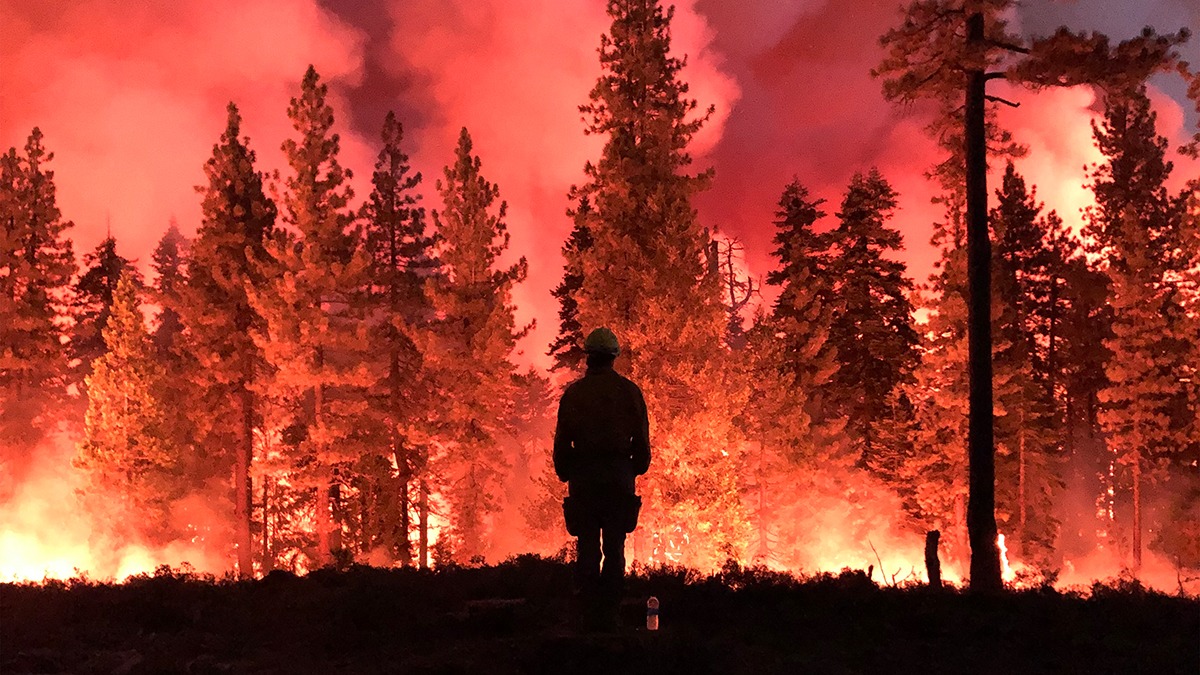
When planning accommodation, especially during wildfire season, flexibility is paramount. Opt for refundable bookings where possible, or consider purchasing travel insurance that covers fire-related disruptions. Many hotels, resorts, and vacation rentals offer flexible cancellation policies, but it’s vital to read the fine print. Contacting your chosen hotel or resort directly a few days before your arrival to inquire about local conditions and air quality can provide invaluable peace of mind. Some regions, like Mendocino County or the wine regions of Paso Robles, might be geographically isolated from active fires but still experience smoke plumes. Ensuring your accommodation choice offers amenities that can mitigate these effects, such as good indoor air circulation, can enhance your stay.
Essential Safety Tips for California Travelers
Preparedness is your best ally when traveling to California, particularly during potentially active wildfire periods. A proactive approach ensures not only your safety but also a more relaxed and enjoyable trip.
Staying Informed: Reliable Resources
Your primary tool for managing wildfire risk is information. Rely on official sources for the most accurate and up-to-date details:
- California Department of Forestry and Fire Protection (CAL FIRE): This is the state’s main wildfire agency, providing real-time incident maps, updates, and safety information.
- InciWeb: A National Interagency Fire Center (NIFC) incident information system that provides detailed information on large fires across the United States, including containment percentages and evacuation orders.
- AirNow.gov: Essential for checking current and forecasted air quality conditions.
- Local Emergency Services: Websites and social media accounts for county sheriffs’ departments and city fire departments often provide localized alerts and evacuation orders.
- National Park Service and U.S. Forest Service: Check their official websites for updates on park and forest closures, trail conditions, and fire restrictions.
- Caltrans QuickMap: For real-time information on road closures and traffic conditions.
Before and during your trip, make it a habit to check these sources daily. Sign up for local emergency alerts if you’re staying in an area for an extended period.
Evacuation Plans and Road Closures
In the rare event that you find yourself near an active fire, understanding evacuation procedures is crucial. Familiarize yourself with local emergency plans and know multiple exit routes from your accommodation. Pay close attention to road closures. Even if a fire is not directly threatening your location, road closures can significantly disrupt travel plans, making it difficult to reach your destination or leave an area. Always obey official instructions from emergency personnel. Driving into areas with active fires or ignoring road closure signs is extremely dangerous and can impede emergency response efforts.
Travel Insurance and Contingency Planning
Considering travel insurance is a smart tip for any trip, but especially so when traveling to areas prone to natural disasters like wildfires. Ensure your policy covers trip interruptions or cancellations due to natural events. Understand what circumstances qualify for reimbursement, such as mandatory evacuations or significant closures of attractions. Beyond insurance, have a contingency plan. This might include identifying alternative destinations or hotels that are outside of potential smoke plumes or fire zones. For example, if your plan to visit Mammoth Lakes is impacted by Sierra Nevada fires, a coastal retreat to Carmel-by-the-Sea or Monterey could be an excellent alternative. Always keep essential documents, medication, and a fully charged phone easily accessible.
Supporting Resilience: Responsible Tourism in Affected Areas
While wildfires can cause significant devastation, California’s communities are remarkably resilient. Responsible tourism plays a vital role in recovery efforts, helping local economies bounce back.
When to Visit: Post-Fire Recovery and Reopening
After a wildfire, affected areas undergo a period of recovery. Visiting too soon might strain local resources, but visiting once an area has officially reopened can provide crucial support. Many communities, especially those reliant on tourism, like the wine regions of Napa and Sonoma, are eager to welcome visitors back. When planning a post-fire visit, research the specific impacts on the region. Check with local tourism boards, hotels, and businesses to ensure they are ready for visitors and to understand how you can best support their recovery. Your dollars spent on local culture, food, and accommodations directly aid rebuilding efforts.
Embracing Alternative Destinations and Experiences
California’s vastness means there are always incredible destinations unaffected by fires. If your primary choice is impacted, consider pivoting to an equally spectacular, clear-aired alternative. For instance, if mountain parks are smoky, perhaps explore the deserts of Death Valley National Park or the coastal charms of Santa Cruz or Laguna Beach. Cities like San Francisco, Oakland, Berkeley, or San Diego offer world-class museums, culinary experiences, and cultural activities that are less susceptible to wildfire disruptions. Explore lesser-known gems like Solvang, Hearst Castle (when open), or Catalina Island for unique perspectives on the Golden State. Adopting a flexible lifestyle approach to travel in California ensures that unexpected events don’t derail your entire trip.
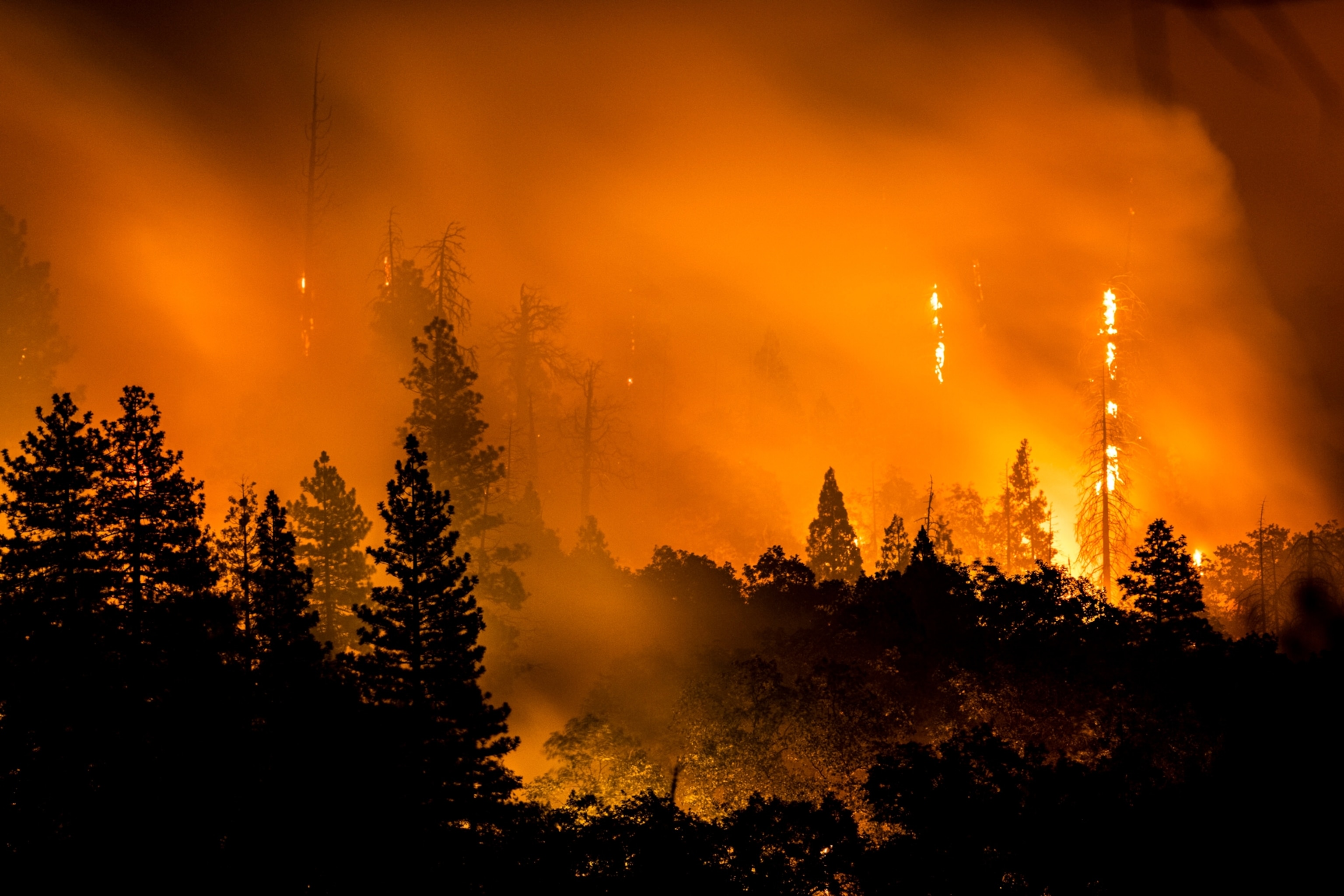
How to Contribute to Community Recovery
For travelers seeking to make a positive impact, there are several ways to contribute to community recovery:
- Support Local Businesses: Choose locally owned restaurants, shops, and service providers. Your patronage directly helps them rebuild.
- Volunteer (if appropriate): If you have specific skills or time, research reputable local organizations involved in recovery efforts. Always coordinate with official groups rather than arriving unannounced.
- Donate to Verified Charities: Organizations like the California Community Foundation’s Wildfire Relief Fund or local food banks and shelters are always in need of support.
- Spread the Word: Share positive travel experiences from reopened areas to encourage others to visit.
In conclusion, the question “Where is the forest fire in California?” is complex and ever-changing. While wildfires are a serious concern, they do not diminish the immense beauty and appeal of this diverse state. By staying informed, planning flexibly, adhering to safety guidelines, and embracing responsible tourism, travelers can continue to explore and enjoy California’s wonders safely and consciously, contributing to its ongoing resilience and vibrant future. Whether you’re seeking luxury travel in Beverly Hills, a family trip to Anaheim, or a budget travel adventure through its national parks, California offers an unparalleled array of experiences that are well worth the thoughtful planning required.
LifeOutOfTheBox is a participant in the Amazon Services LLC Associates Program, an affiliate advertising program designed to provide a means for sites to earn advertising fees by advertising and linking to Amazon.com. Amazon, the Amazon logo, AmazonSupply, and the AmazonSupply logo are trademarks of Amazon.com, Inc. or its affiliates. As an Amazon Associate we earn affiliate commissions from qualifying purchases.