
The opening chords are instantly recognizable, the guitar solo legendary, and the lyrics an enigma that has captivated generations. “Welcome to the Hotel California,” sings Don Henley, inviting listeners into a world of shadowed luxury, alluring entrapment, and a haunting beauty. Since its release by the Eagles in 1976, the song has become more than just a musical masterpiece; it’s a cultural touchstone, a profound meditation on the allure and potential pitfalls of chasing the American Dream, and a vivid, albeit fictional, landmark that travelers and dreamers have sought to locate for decades. For those who embrace the spirit of exploration and the thrill of discovery, the quest for the real Hotel California represents the ultimate journey into a blend of myth, music, and tangible destinations.
The mystery surrounding the Hotel California taps directly into our innate desire for unique travel experiences and iconic accommodations. Is it a grand Beverly Hills Hotel, a bohemian retreat in Mexico, or merely a figment of poetic imagination? The answer, like many great travel stories, is multifaceted, weaving together actual places with the profound power of symbolism. This exploration delves into the lyrical landscape, investigates the real-world contenders, and ultimately considers how such a potent narrative shapes our understanding of destinations, luxury, and the very essence of lifestyle travel. It’s a journey not just to find a physical building, but to understand the enduring appeal of places that exist both on maps and in our collective consciousness.
The Labyrinthine Lyrics: A Tapestry of Metaphor and Myth
The enduring fascination with “Hotel California” lies undeniably in its evocative and often unsettling lyrics. They paint a picture so vivid, yet so abstract, that listeners are compelled to fill in the blanks with their own interpretations, dreams, and anxieties. This narrative quality makes the song a perfect metaphor for the transformative journey of travel, where new experiences can be both exhilarating and disorienting.
Deconstructing the Poetic Narrative
The song begins with a weary traveler on a “dark desert highway,” arriving at a mysterious hotel where “warm smell of colitas, rising up through the air” greets him. This imagery immediately sets a tone of both welcome and subtle danger, hinting at an escape that might also be an entrapment. The “mission bell” in the distance adds a sense of history and perhaps a lost innocence, characteristics often sought out by travelers yearning for authentic local culture and historic landmarks. The “mirrors on the ceiling, the pink champagne on ice” speak of opulent luxury, an excess that aligns with aspirational lifestyle travel, where resorts offer unparalleled amenities and indulgence. Yet, the underlying unease – “we haven’t had that spirit here since nineteen sixty-nine” – suggests a paradise lost, a theme that resonates with many who witness the changing face of once-pristine travel destinations.
The line “You can check out any time you like, but you can never leave” is arguably the most famous and chilling lyric. It’s a powerful metaphor that has been interpreted in countless ways: from addiction and the music industry’s relentless grip to the inescapable nature of one’s own past or the seductive trap of materialism. For a traveler, it evokes the bittersweet feeling of falling so deeply in love with a destination that leaving feels like a part of you remains. This profound sense of place, where a location transcends mere geography to become an emotional anchor, is what many seek in their accommodation choices and travel experiences. Whether it’s a bustling city, a tranquil beach, or a remote villa, the desire to find a place that truly holds you is universal. The “Hotel California” becomes a symbol for any destination that, for better or worse, leaves an indelible mark on the soul.
Beyond the Music: A Cultural Phenomenon
The enigmatic quality of “Hotel California” has propelled it beyond a mere song, solidifying its status as a cultural phenomenon. It won a Grammy Awards for Record of the Year and has consistently ranked among the greatest songs of all time. Its influence permeates various facets of pop culture, inspiring references in film, literature, and even other musical works. The mystique has fostered a unique kind of tourism, where travelers, driven by the song’s narrative, actively seek out places that embody its spirit – be it a grand, historic hotel with a storied past, a secluded resort offering an escape from reality, or even the vibrant, bohemian towns that exude a certain otherworldly charm.
The song’s power lies in its ability to tap into universal human experiences: the allure of the unknown, the search for belonging, the confrontation with one’s desires and fears, and the complex relationship between freedom and entrapment. For those planning a trip, particularly to destinations like California or Mexico, the song often serves as a subtle, subconscious guide. It informs their expectations of what a truly memorable accommodation might be like – not just a place to sleep, but a destination with its own story, its own secrets, and its own unique ambiance. This blend of narrative and reality underscores how deeply our cultural consumption influences our travel choices and our pursuit of extraordinary travel experiences.
Unraveling the Real-World Inspirations: From [Mexico] to [California]
While the Eagles have consistently stated that the Hotel California is a metaphor for the decadence and self-destruction of the music industry in Los Angeles during the 1970s, the human imagination craves tangible connections. This desire has led to numerous real-world locations being linked to the song, each offering a compelling, albeit often coincidental, narrative. For travelers, these theories add an extra layer of intrigue, transforming a simple hotel stay into a pilgrimage to a mythical place.
The [Todos Santos] Enigma: A Charming Oasis in [Baja California Sur]
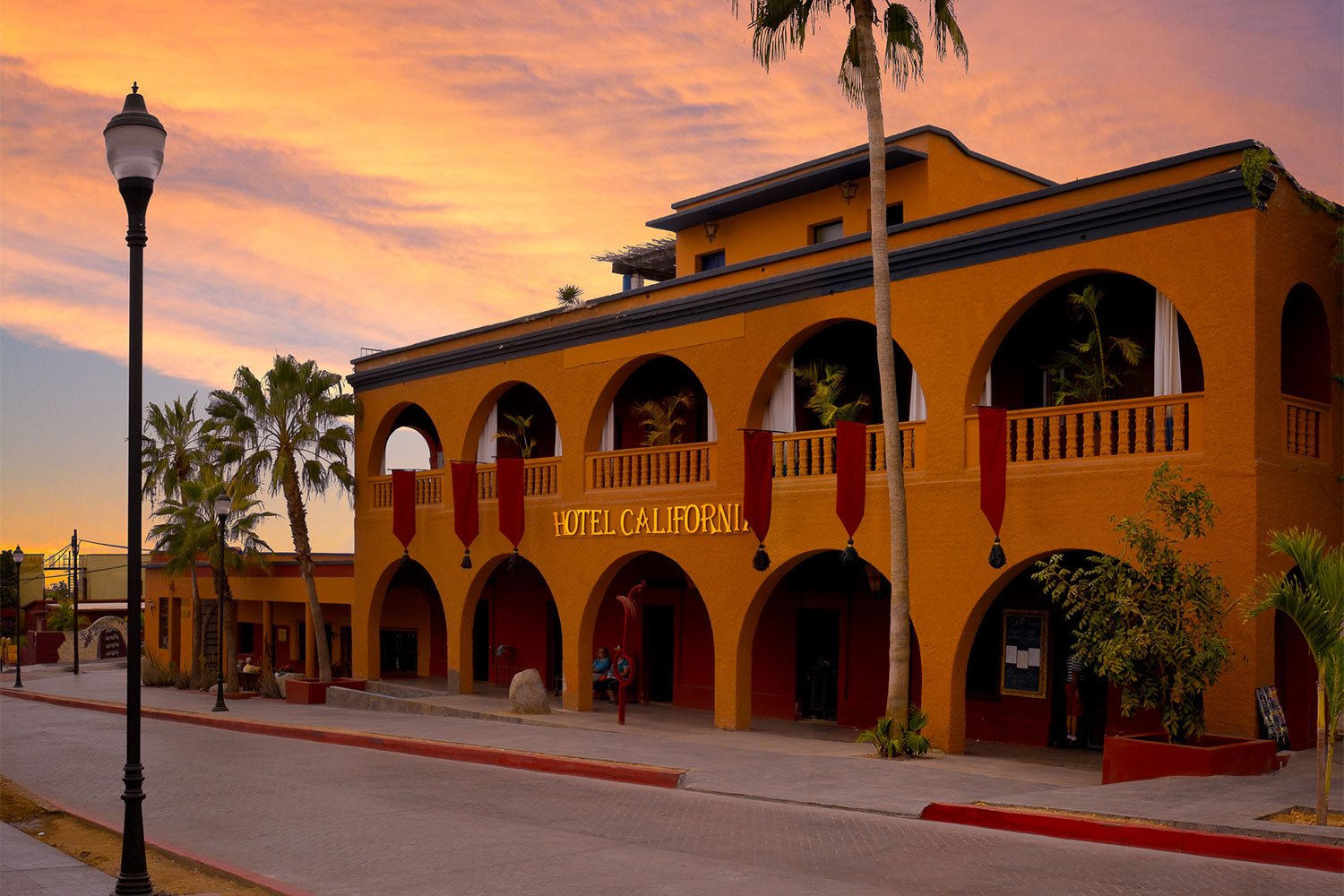
Perhaps the most famous real-world contender for the title of Hotel California is a boutique hotel located in the enchanting pueblo mágico of Todos Santos in Baja California Sur, Mexico. Built in 1947, this historic property was originally named the Hotel California long before the Eagles’ song was released. For decades, local legend, fueled by entrepreneurial spirit and the sheer coincidence of the name, cultivated the idea that this was the hotel.
After falling into disrepair, the hotel was meticulously restored and reopened in 2001 under the ownership of Canadians, who kept the original name and enhanced its charm. Today, it stands as a beautiful example of luxury accommodation, offering guests a blend of colonial elegance and modern amenities. Its courtyard buzzes with activity, often featuring live music, and its restaurant serves exquisite local cuisine, drawing both international visitors and those curious about the song’s connection. The hotel’s gift shop even sells “Hotel California” merchandise, further cementing its mythical status. For many tourists, a visit to Todos Santos wouldn’t be complete without experiencing this particular hotel, regardless of its official ties to the song. It has become a significant landmark and a prime example of how tourism can thrive on cultural narratives, attracting visitors interested in local culture, unique activities, and boutique hotel experiences. The town itself, known for its vibrant art scene, pristine beaches, and laid-back lifestyle, offers a compelling destination for those seeking an authentic Baja California Sur experience, with the Hotel California serving as its crown jewel.
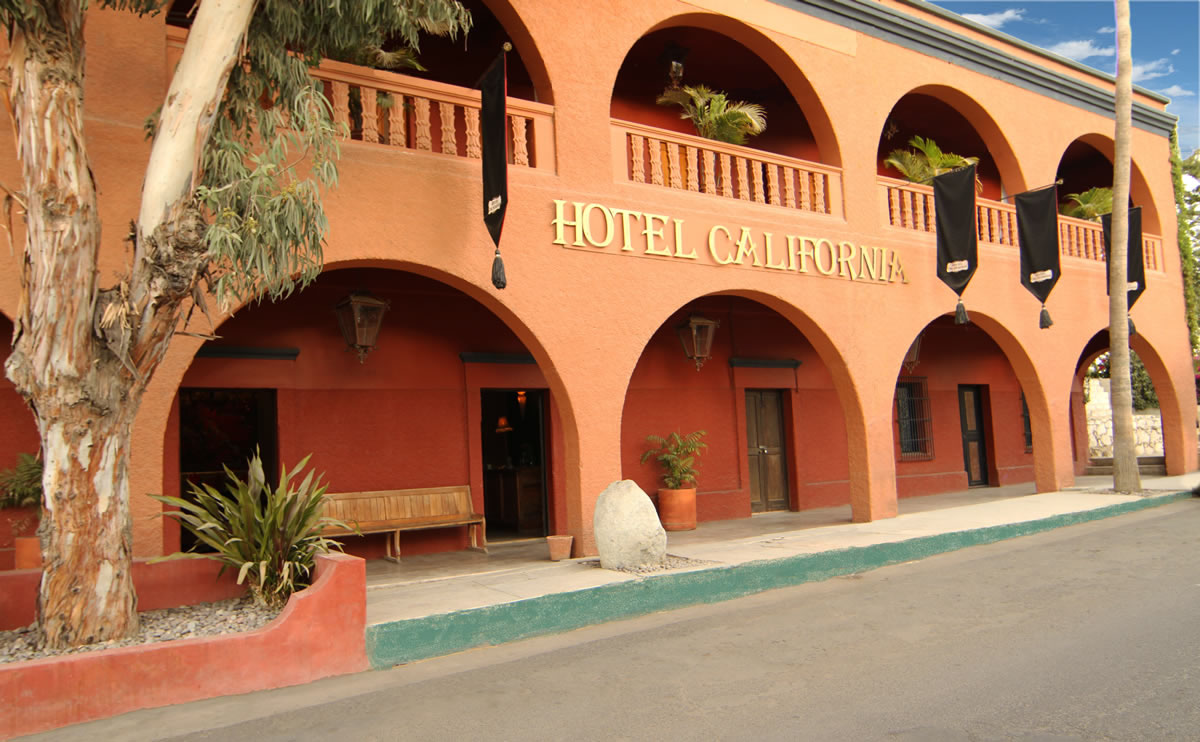
However, the Eagles themselves have consistently denied any connection, going so far as to issue a lawsuit in 2017 against the Todos Santos hotel for allegedly implying a direct association to profit from the song’s fame. The lawsuit was later dropped, but the band’s stance remains clear: the song is a work of fiction and metaphor. Despite this, the allure of the Todos Santos hotel persists, proving that sometimes, the legend is more powerful than the fact.
The [Beverly Hills Hotel] and Other Californian Whispers
Before the Todos Santos theory gained widespread traction, many believed the inspiration for the song lay closer to home for the Eagles – in California. The most prominent of these theories points to the iconic Beverly Hills Hotel in Los Angeles. With its famous “pink palace” facade, palm-lined driveways, and long history as a playground for Hollywood’s elite, the Beverly Hills Hotel certainly embodies the kind of glamorous, yet potentially superficial, luxury described in the song. The hotel’s lush gardens and exclusive bungalows could easily evoke images of a beautiful prison, where the rich and famous are caught in a gilded cage. Its location on Sunset Boulevard, synonymous with the music and film industries, further strengthens the connection to the band’s stated themes.
Other theories have also surfaced, suggesting the song might refer to a former mental institution, a drug rehabilitation center, or even a general feeling of being trapped by the overwhelming excess of 1970s Los Angeles and the fast-paced Hollywood lifestyle. The imagery of “the Master of the house” and “the lovely lady” who could be “heaven or hell” could easily be attributed to various figures within this opulent yet cutthroat environment. These interpretations, while less tied to specific physical structures, highlight the song’s flexibility as a metaphor for various forms of existential or societal entrapment. For those planning a trip focused on luxury travel and the history of iconic landmarks, the Beverly Hills Hotel offers a very real, tangible experience of the kind of opulent accommodation that inspired such rich cultural narratives.
The [Eagles]’ Vision: A Metaphor for American Excess
Despite all the speculation, the most authoritative source on the meaning of “Hotel California” remains the Eagles themselves. Don Henley and Glenn Frey consistently described the song as a symbolic exploration of the dark underbelly of the American Dream, particularly as experienced in Los Angeles during the hedonistic 1970s. It was a commentary on the materialism, excess, and spiritual emptiness they observed in the music industry and society at large. The “Hotel California” wasn’t a physical place but a state of mind, a seductive trap of fame and fortune from which escape was difficult, if not impossible.
This metaphorical interpretation ties directly into the broader themes of lifestyle travel. While many seek luxury and indulgence in their accommodation choices, the song serves as a poignant reminder that true satisfaction often lies beyond superficial grandeur. It encourages travelers to look deeper, to engage with local culture authentically, and to understand the nuanced experiences a destination offers, rather than simply consuming its most apparent luxuries. It’s a cautionary tale wrapped in a rock anthem, urging us to consider the true cost of paradise, whether it be a five-star resort or a sought-after landmark. The Eagles masterfully created a fictional setting that felt so real, it spurred a global search, proving the immense power of art to shape our perception of reality and influence our travel aspirations.
The Enduring Legacy: How a Song Shapes Travel and Our Quest for Unique Stays
The mythical Hotel California stands as a testament to the profound influence that art, especially music, can have on our perception of destinations and our approach to travel. It illustrates how a powerful narrative can transcend its original medium to become a guiding force for exploration, inspiring countless individuals to seek out places that embody its spirit, even if they never find the exact location.
The Power of Narrative in Travel Choices
Stories, whether factual or fictional, are deeply intertwined with the human desire to travel. They provide context, ignite curiosity, and often dictate our choice of destinations and the types of travel experiences we seek. “Hotel California” is a prime example of this phenomenon. The song, with its rich tapestry of imagery and emotional depth, has cultivated a specific longing in many travelers: a desire for unique accommodations with character, places that possess a distinct story or a captivating aura.
This narrative power extends beyond merely identifying potential “Hotel Californias.” It influences the broader travel market, highlighting the appeal of boutique hotels, historic inns, and resorts that offer more than just a bed. Travelers are increasingly drawn to places with a strong sense of identity, whether it’s a centuries-old villa in Europe, a desert retreat in the American Southwest reminiscent of Route 66 lore, or a vibrant hotel in Miami or New York known for its distinctive architecture and vibrant social scene. These establishments promise an experience, not just a stay, resonating with the very core of what the mythical hotel represents: a place that captivates and leaves an indelible mark. This quest for authenticity and memorable encounters drives the booking decisions for countless explorers, leading them to research reviews, compare various options, and ultimately choose accommodation that promises more than just comfort, but a piece of a larger story.

Seeking Your Own Iconic Stay: Beyond the Myth
While the exact location of the Hotel California remains elusive, the quest for it underscores a deeper human longing: the desire to find our own iconic stay. This means seeking out accommodations that offer more than just a place to sleep; they offer a distinct atmosphere, a connection to local culture, and an unforgettable experience.
For the modern traveler, this could mean selecting a historic luxury hotel with grand architecture and impeccable service, akin to the opulence described in the song. It might be a remote eco-lodge that provides an immersive experience in nature, offering a sense of splendid isolation. Or perhaps it’s a vibrant, art-filled apartment in a bustling city, allowing for a deep dive into the local lifestyle. The spectrum of accommodation choices is vast, catering to every lifestyle, from budget travel to lavish resorts and long-term stays. The key is to identify what kind of “Hotel California” resonates with your personal travel philosophy.
When searching for such unique experiences, prospective guests consider various factors: the range of amenities, from world-class spas and gourmet dining to concierge services and unique recreational activities. They look at reviews to gauge the actual experience of other travelers and compare different options to find the best value for their desired level of luxury or adventure. Whether it’s the charm of a renovated historic hotel in Mexico, the classic elegance of a Beverly Hills Hotel, or a hidden gem discovered off the beaten path, the pursuit of an accommodation with character and a captivating story continues to be a driving force in the world of travel and tourism. These places, like the fictional Hotel California, become more than just buildings; they become destinations in themselves, offering a temporary escape and an indelible memory.
The “Hotel California” remains a powerful emblem of the intricate relationship between music, myth, and the tangible world of travel. Its elusive nature fuels our imagination, urging us to explore, to question, and to seek out those extraordinary places that feel like they hold a story within their walls. Whether you find your own version in the charming streets of Todos Santos, amidst the glamour of Los Angeles, or simply within the evocative lines of a song, the journey to locate the spirit of the Hotel California is an adventure in itself—a quintessential exploration of destinations, accommodations, and the lifestyle of the modern traveler. It reminds us that sometimes, the most unforgettable places are those we discover both on the map and deep within our own traveling hearts.
LifeOutOfTheBox is a participant in the Amazon Services LLC Associates Program, an affiliate advertising program designed to provide a means for sites to earn advertising fees by advertising and linking to Amazon.com. Amazon, the Amazon logo, AmazonSupply, and the AmazonSupply logo are trademarks of Amazon.com, Inc. or its affiliates. As an Amazon Associate we earn affiliate commissions from qualifying purchases.