
Navigating a new city can be an exhilarating part of any travel experience, and understanding its public transportation system is key to unlocking its full potential. For visitors heading to Chicago, the bustling metropolis in Illinois, mastering the local bus network is an essential step towards an unforgettable journey. Whether you’re a first-time tourist eager to explore iconic landmarks, a business traveler needing efficient transit to meetings, or someone seeking to immerse themselves in the city’s vibrant local culture, knowing how to pay for buses in Chicago will significantly enhance your visit.
Chicago’s public transportation, primarily operated by the CTA (Chicago Transit Authority), is renowned for its extensive network of buses and ‘L’ trains. The bus system, in particular, offers unparalleled flexibility, reaching nearly every corner of the city and its surrounding neighborhoods. This guide will delve into the various payment methods available, providing practical tips to ensure your commutes are as smooth and stress-free as possible, allowing you more time to enjoy Chicago’s countless attractions, from its world-class museums to its dynamic food scene. Understanding these payment options is fundamental for any discerning traveler looking to optimize their tourism experiences and manage their budget travel efficiently.
Essential Payment Methods for Chicago Buses
The CTA has modernized its fare collection system, offering several convenient ways to pay for your bus rides. Gone are the days of fumbling for exact change being your only option. Today, digital and card-based payments reign supreme, simplifying travel for residents and visitors alike.
The Versatile Ventra Card System
At the heart of Chicago’s public transit payment structure is the Ventra Card. This reloadable fare card serves as your gateway to both CTA buses and ‘L’ trains, making it the most recommended option for anyone planning to use public transit extensively during their stay.
The Ventra Card is a durable, credit card-sized card that can be loaded with transit value (a cash balance) or unlimited ride passes. You can purchase a new Ventra Card for a small fee (typically $5), which is often credited back to you as transit value if you register the card online within a specified period. These cards are readily available at Ventra Card vending machines located at all ‘L’ train stations, including those at O’Hare International Airport and Midway International Airport, making it incredibly easy to get one right upon arrival. Additionally, many retail locations, such as drugstores and convenience stores throughout the city, also sell and reload Ventra Cards.
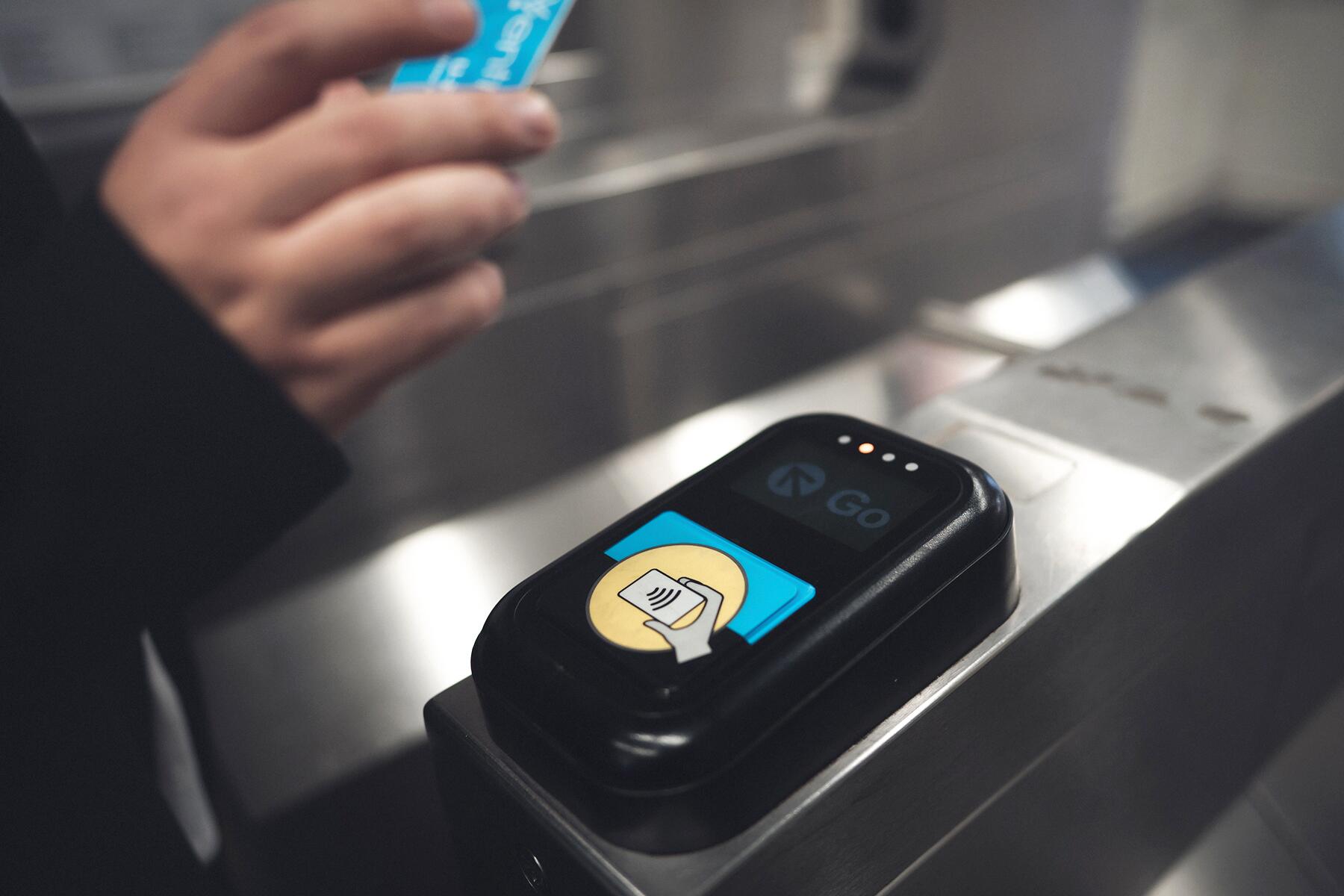
Once you have a Ventra Card, paying for a bus ride is as simple as tapping the card against the designated reader at the front of the bus. The system automatically deducts the fare or validates your pass. The flexibility of loading either value or passes allows travelers to tailor their payment method to their specific travel needs. For instance, a weekend visitor might opt for a 1-day or 3-day unlimited ride pass, while someone on a longer stay or with less frequent transit use might prefer loading transit value. This adaptability makes the Ventra Card an excellent choice for various lifestyle preferences, from active explorers to those enjoying a more relaxed pace.
Contactless Payments: Tap and Go Convenience
For those who prefer not to acquire a dedicated transit card, CTA buses and trains also accept contactless payments directly from credit or debit cards, as well as mobile payment apps. This “tap and go” method has revolutionized convenience for casual riders and international visitors.
Most major credit and debit cards featuring the contactless symbol (four curved lines) can be used. Simply tap your card or your smartphone/smartwatch with an activated mobile wallet (like Apple Pay, Google Pay, or Samsung Pay) against the Ventra Card reader at the bus entrance. The system will automatically charge you the standard single-ride fare. This option is particularly advantageous for tourists making only a few bus trips or those who appreciate the seamless integration of their existing payment methods. It eliminates the need to carry extra cards or worry about reloading balances, aligning perfectly with a modern, hassle-free travel philosophy. While convenient, it’s worth noting that using a contactless bank card for individual rides may not offer the same cost savings as multi-day passes available on a Ventra Card for extensive use.
Cash Payments: An Option, But with Caveats
While Chicago’s public transit system heavily promotes card and contactless payments, cash is still an accepted form of payment on buses. However, there are significant limitations to be aware of.
If paying with cash, you must have the exact fare ready. Bus operators do not carry change, and they cannot make change for passengers. Any overpayment will not be refunded. Furthermore, cash payments are for single rides only and do not include transfers to other buses or ‘L’ trains. This means if your journey requires a transfer, you would have to pay a new full fare for each segment, which can quickly become more expensive than using a Ventra Card with its integrated transfer system. For these reasons, while cash is technically an option, it is generally not recommended for tourists or anyone planning multiple rides or transfers. It’s primarily a fallback for occasional, single trips, or for those without other payment alternatives. When planning your travel logistics, especially for a budget travel approach, relying on cash for buses in Chicago is generally inefficient.
Integrating Public Transit into Your Chicago Experience
Beyond simply understanding how to pay, it’s crucial to see how Chicago’s public transit system, especially its buses, can be strategically woven into your overall travel itinerary, enhancing your exploration of the city’s diverse offerings.
Beyond Buses: The Comprehensive CTA System
While this article focuses on buses, it’s impossible to discuss Chicago transit without mentioning the iconic ‘L’ train system. Buses and trains are seamlessly integrated under the CTA umbrella, allowing for easy transfers between the two modes of transport with a Ventra Card. The ‘L’ train is perfect for quickly traversing longer distances or reaching the city’s core, while buses excel at filling in the gaps, providing door-to-door service, and reaching neighborhoods the ‘L’ doesn’t serve directly.
This integrated network makes it incredibly simple to access Chicago’s most popular attractions. For example, a bus ride can take you directly to the entrance of the Art Institute of Chicago or drop you right at Millennium Park to see “The Bean.” The Shedd Aquarium, Field Museum, and Adler Planetarium are all clustered together on Museum Campus, easily accessible by several bus routes. Even the bustling Navy Pier and the luxury shopping paradise of the Magnificent Mile are well-served by buses. Utilizing both buses and trains allows for a dynamic and efficient approach to sightseeing, enabling visitors to maximize their time exploring Chicago’s rich tapestry of sights and sounds.

Choosing the Right Pass for Your Stay
For maximum convenience and cost-effectiveness, especially for visitors, selecting the appropriate Ventra Card pass is a smart move. The CTA offers several unlimited ride passes designed to cater to different lengths and intensities of stay.
- 1-Day Unlimited Ride Pass: Ideal for a packed day of sightseeing or a quick layover in Chicago.
- 3-Day Unlimited Ride Pass: Perfect for weekend getaways or short tourism trips, offering great value for extensive exploration.
- 7-Day Unlimited Ride Pass: The best option for longer vacations, business stays, or those planning to explore Chicago’s diverse neighborhoods in depth.
These passes allow unlimited rides on both CTA buses and trains within the chosen period, providing peace of mind and eliminating the need to calculate individual fares. For families traveling together, a single Ventra Card can be used to pay for multiple riders, simply by tapping it for each person (though this would be for individual fares, not separate unlimited passes for each person on one card). This flexibility in pass options aligns with various lifestyle needs, from the spontaneous traveler to the meticulously planned family trip. Guests staying in hotels or accommodations often find these passes invaluable for getting around without the hassle of constantly worrying about fares.
Tips for Navigating Chicago’s Public Transport
Beyond payment, a few practical tips can make your bus-riding experience in Chicago even smoother.
Planning Your Route with Ease
Modern technology makes navigating public transit simpler than ever. Apps like Google Maps, the official CTA Transit Tracker app, and the Transit app provide real-time bus locations, estimated arrival times, and step-by-step directions. Simply input your destination, and these apps will show you the fastest routes, including bus numbers, transfer points, and walking directions to and from stops. This digital assistance is invaluable for anyone unfamiliar with the city’s layout, transforming potential confusion into confident exploration. Knowing your route beforehand, especially during peak hours, can significantly cut down on wait times and reduce stress, making your travel more enjoyable.
Understanding Fares and Transfers
A standard bus fare allows for one full ride and up to two transfers within a two-hour period using a Ventra Card or contactless payment. The first transfer is usually free, and the second transfer typically costs a reduced fare. This transfer policy is one of the key advantages of using a Ventra Card or contactless payment over cash, as it can lead to substantial savings, especially when your journey involves multiple segments. When using a pass, transfers are automatically included within the pass’s validity period. Familiarizing yourself with the fare structure ensures you’re always getting the most value for your money, an important consideration for budget travel.
Safety and Etiquette on Board
Like any major city’s public transport, practicing common sense safety and etiquette is advised. Keep your belongings secure and be aware of your surroundings. Offer seats to the elderly, pregnant individuals, or those with disabilities. Avoid blocking doorways and aisles. Bus stops are generally well-lit and clearly marked. During off-peak hours, you might find buses less crowded, offering a more relaxed experience. Riding the bus offers a unique vantage point to observe Chicago’s street life and architecture, adding another layer to your travel experiences.
Enhancing Your Chicago Visit with Strategic Transit Use
Beyond getting from point A to point B, strategic use of Chicago’s bus system can open up a world of discovery, connecting you to diverse accommodations and hidden gems.
Connecting Accommodation to Attractions
Whether you’re staying in a luxurious suite at The Langham Chicago, a comfortable room at the Hyatt Regency Chicago, or a historic accommodation like the Palmer House Hilton, the bus system provides direct links to many attractions. For instance, a bus can take you directly from downtown hotels to the sprawling green oasis of Lincoln Park Zoo for a family-friendly outing, or down to Hyde Park to explore the magnificent Museum of Science and Industry. Even catching a Cubs game at historic Wrigley Field in Wrigleyville is easily accomplished by combining a bus ride with a short ‘L’ train journey. The convenience of these connections means less time spent on expensive taxis or ride-shares, contributing to a more sustainable and economically sound travel plan. For business stays, buses often offer direct routes to conference centers and corporate districts, minimizing commute times.
Exploring Beyond the Loop: Discovering Chicago’s Neighborhoods
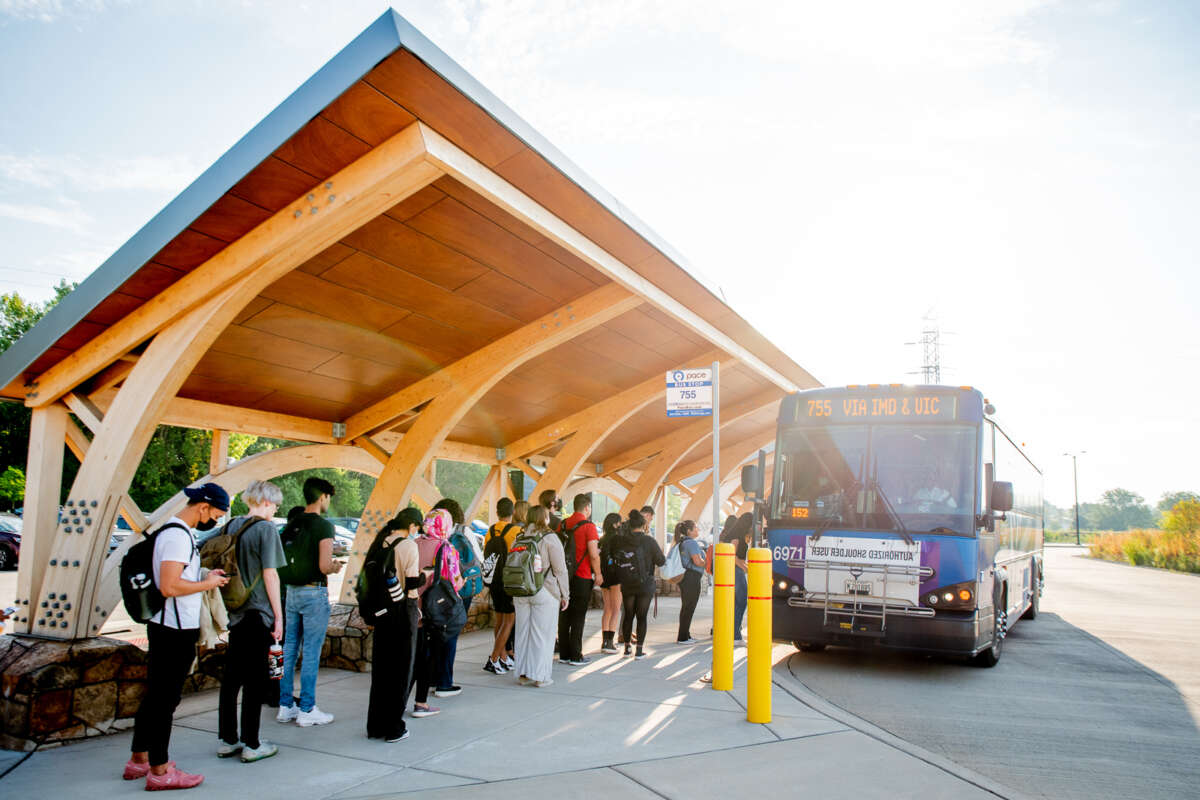
One of the greatest advantages of Chicago’s bus system is its ability to take you beyond the immediate downtown area, known as The Loop, into the unique and diverse neighborhoods that truly define the city’s character. Imagine hopping on a bus to explore the vibrant Swedish heritage of Andersonville, with its charming boutiques and eateries. Or perhaps venture to Pilsen to admire its stunning street art, Mexican local culture, and authentic taquerias. Wicker Park beckons with its trendy shops, vintage stores, and lively nightlife, all easily accessible by bus.
These neighborhood explorations offer a deeper dive into Chicago’s identity, moving beyond the well-trodden tourist paths. It’s here that you can truly experience the city’s dynamic lifestyle, savor diverse cuisines, and discover hidden architectural gems. Using the bus to explore these areas is an authentic way to engage with Chicago, fostering richer experiences and a greater appreciation for its multifaceted personality. For tourism enthusiasts seeking local insights, this is an invaluable approach.
In conclusion, understanding how to pay for buses in Chicago is the first step towards a remarkably efficient and enjoyable exploration of this magnificent city. With the convenience of the Ventra Card, contactless payments, and the comprehensive network of routes, navigating Chicago by bus is not just practical but also an integral part of the travel adventure. Embrace the CTA bus system to unlock everything Chicago has to offer, from its iconic landmarks to its charming local neighborhoods, ensuring a seamless and enriching journey throughout your stay in the United States.
LifeOutOfTheBox is a participant in the Amazon Services LLC Associates Program, an affiliate advertising program designed to provide a means for sites to earn advertising fees by advertising and linking to Amazon.com. Amazon, the Amazon logo, AmazonSupply, and the AmazonSupply logo are trademarks of Amazon.com, Inc. or its affiliates. As an Amazon Associate we earn affiliate commissions from qualifying purchases.