
The journey between St. Louis, Missouri, and Chicago, Illinois, is a classic Midwestern American traverse, connecting two vibrant cities rich in history, culture, and unique attractions. Whether you’re planning a business trip, a family vacation, or a leisurely road trip through the heartland of the United States, understanding the distance and various travel options is key to a seamless and enjoyable experience. This comprehensive guide will delve into the specifics of this route, covering everything from travel modes and estimated times to iconic landmarks and top accommodation choices, ensuring your adventure from the Gateway City to the Windy City is nothing short of memorable.
Understanding the Distance and Travel Times
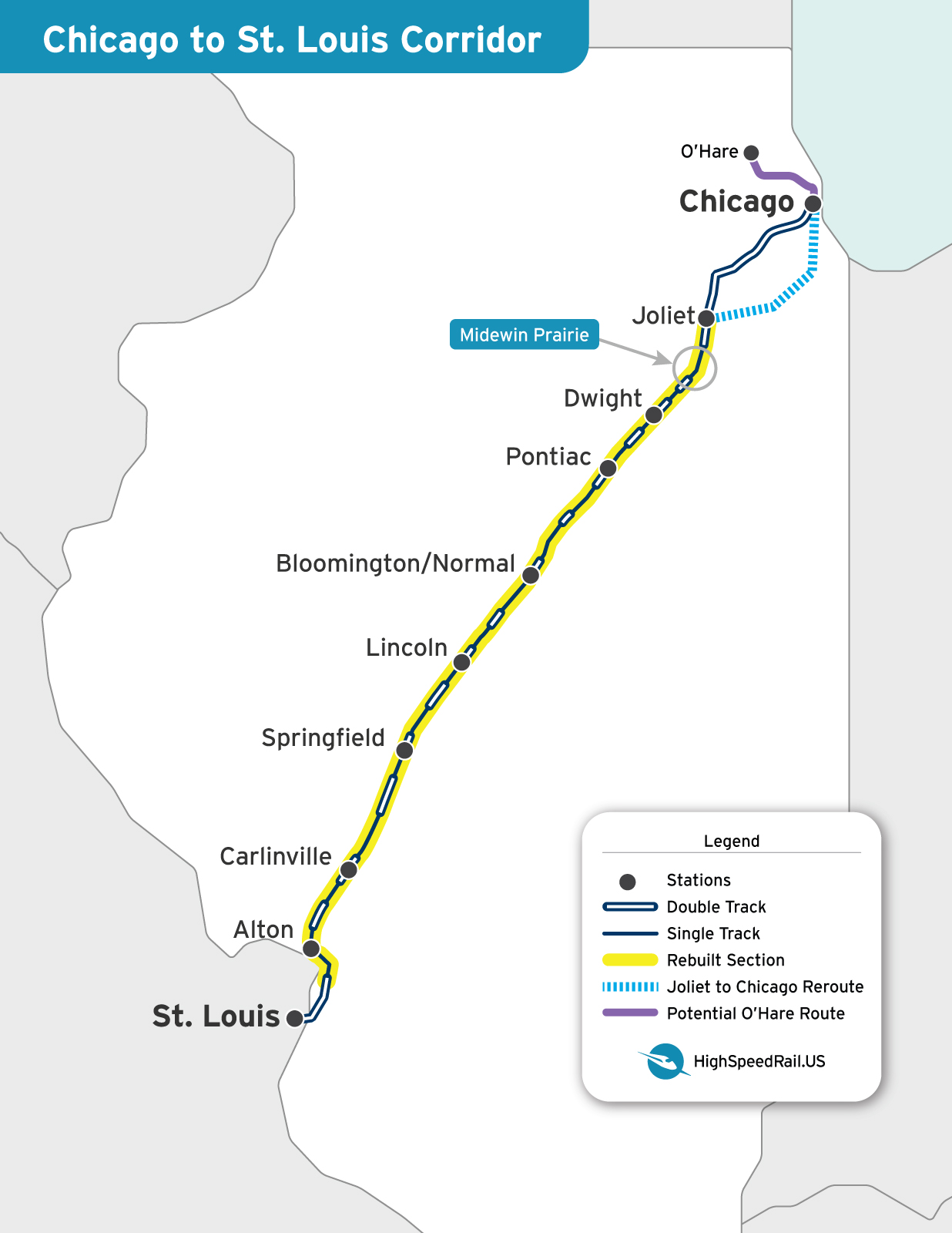
The geographical distance between St. Louis and Chicago is approximately 290 to 300 miles (about 467 to 483 kilometers), depending on the specific starting and ending points within each metropolitan area. This relatively manageable distance makes it a popular corridor for travelers utilizing various modes of transportation.
Driving the I-55 Corridor
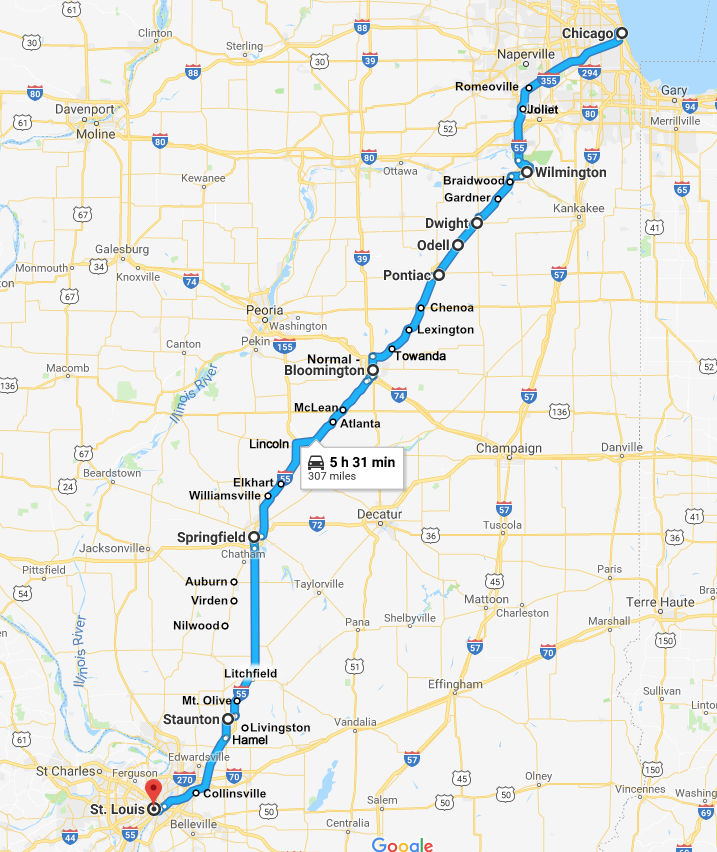
Driving is arguably the most common and flexible way to travel between these two major cities. The primary route is via Interstate 55 (I-55), a direct and well-maintained highway that slices straight through the heart of Illinois.
- Distance: Approximately 297 miles (478 km) via I-55.
- Estimated Travel Time: Under ideal conditions, with no significant traffic or prolonged stops, the drive takes about 4.5 to 5 hours. However, it’s wise to factor in potential delays, especially when passing through urban areas or during peak travel seasons. Rush hour traffic in and around both St. Louis and Chicago can add considerable time to your journey.
- Pros: Flexibility to stop whenever and wherever you please, ideal for carrying luggage, and often the most cost-effective for groups or families. It also offers the opportunity to explore smaller towns and attractions along the way.
- Cons: Can be tiring for a single driver, susceptible to traffic congestion, and fuel costs can add up. Tolls are also a factor when approaching Chicago, particularly on expressways.
- Road Trip Tips: Plan your stops in advance, ensure your vehicle is in good condition, and consider traveling during off-peak hours to avoid heavy traffic.
Rail Travel: The Amtrak Experience
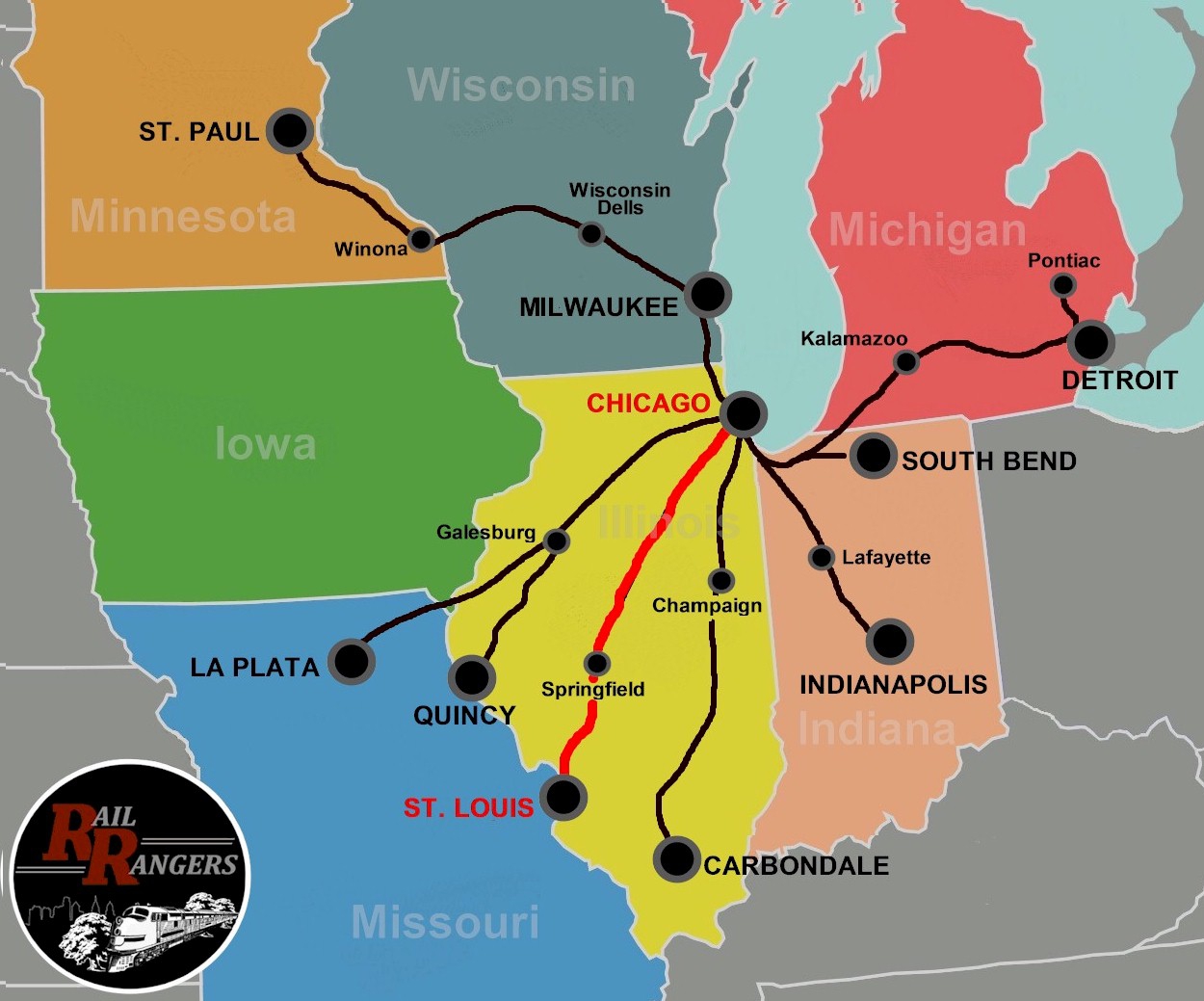
For those who prefer to sit back and enjoy the scenery without the stress of driving, train travel via Amtrak is an excellent option. The route between St. Louis and Chicago is one of Amtrak’s busiest and most popular, offering several daily services.
- Key Routes: The primary service is the Lincoln Service, which operates multiple times a day. The Texas Eagle also connects the two cities, although less frequently.
- Departure/Arrival Stations: In St. Louis, trains depart from the historic St. Louis Gateway Transportation Center. In Chicago, all trains arrive at the iconic Chicago Union Station, a grand terminal conveniently located in the city center.
- Estimated Travel Time: Train journeys typically take about 5.5 to 6 hours, slightly longer than driving, but without the need for active navigation.
- Pros: Comfortable seating, onboard amenities like Wi-Fi and dining cars, scenic views, and the ability to relax or work during the journey. It’s also an environmentally friendly option.
- Cons: Less flexible schedules than driving, potentially longer travel times than flying, and can be more expensive than driving for solo travelers if not booked in advance.
Taking to the Skies
For the fastest travel time, flying is the clear winner, though it often involves more overhead in terms of airport procedures and transfers.
- Airports: Flights from St. Louis depart from Lambert-St. Louis International Airport (STL) and arrive in Chicago at either Chicago O’Hare International Airport (ORD) or Chicago Midway International Airport (MDW). Both O’Hare and Midway offer extensive connections to Chicago’s public transportation system.
- Flight Duration: The actual flight time is remarkably short, usually around 1 hour to 1 hour and 15 minutes.
- Total Travel Time: When factoring in check-in, security, boarding, and travel to/from airports, the total door-to-door travel time can easily extend to 3.5 to 5 hours, comparable to driving or taking the train.
- Pros: Fastest direct travel, ideal for tight schedules or long-distance connections.
- Cons: Can be the most expensive option, involves airport hassle, and less scenic than ground travel. Baggage fees are also a consideration.
Other Transportation Alternatives
For budget-conscious travelers, intercity bus services like Greyhound provide another option. Bus journeys typically take longer than trains or cars, often ranging from 6 to 7 hours, but offer a more economical price point. It’s a no-frills option, focusing purely on getting from point A to point B.
Exploring the Journey: Stops and Attractions
No matter how you choose to travel, the journey between St. Louis and Chicago offers a wealth of attractions, both within the cities themselves and along the route. Incorporating these into your itinerary can transform a simple commute into a rich travel experience.
Discovering St. Louis: The Gateway City
Before departing or upon arrival, take time to explore St. Louis’s unique blend of historical significance and modern urban charm.
- The Gateway Arch: An iconic national park monument representing the city’s role as the “Gateway to the West.” Visitors can take a tram to the top for panoramic views.
- Forest Park: Home to several free attractions, including the St. Louis Zoo, Saint Louis Art Museum, Missouri History Museum, and the Saint Louis Science Center. It’s a vast urban oasis perfect for a leisurely stroll.
- City Museum: An extraordinary, interactive museum crafted from repurposed architectural and industrial objects, offering endless discovery for all ages.
- Anheuser-Busch Brewery: Take a complimentary tour of the historic brewery, learn about the beer-making process, and see the famous Clydesdale horses.
- Delmar Loop: A lively entertainment and shopping district, perfect for an evening out with diverse restaurants and unique boutiques.
Iconic Chicago: The Windy City’s Charms
Upon reaching Chicago, a world of urban exploration awaits, from stunning architecture to world-class museums and a thriving culinary scene.
- Millennium Park: Home to the famous Cloud Gate sculpture (the “Bean”), the Crown Fountain, and outdoor art installations.
- Art Institute of Chicago: One of the oldest and largest art museums in the United States, boasting an impressive collection spanning centuries and continents.
- Navy Pier: A vibrant waterfront destination featuring gardens, shops, restaurants, and the iconic Centennial Wheel offering stunning lake views.
- Magnificent Mile: Chicago’s premier shopping district along Michigan Avenue, offering luxury boutiques, department stores, and high-end dining.
- Skydeck Chicago at Willis Tower: Dare to step out onto The Ledge, a glass balcony extending four feet outside the 103rd floor, for unparalleled views of the city skyline.
- Deep-Dish Pizza: No visit to Chicago is complete without indulging in its signature culinary delight. Local favorites include Lou Malnati’s, Giordano’s, and Pequod’s Pizza.
Road Trip Treasures Along the Way
For those driving, the I-55 corridor between St. Louis and Chicago offers a few notable stops, especially for fans of Route 66 history.
- Springfield, Illinois: The capital of Illinois and a must-visit for Abraham Lincoln enthusiasts. Explore the Lincoln Home National Historic Site, the Abraham Lincoln Presidential Library and Museum, and his tomb.
- Funks Grove Pure Maple Sirup: A quaint roadside stop near Bloomington, offering delicious local maple syrup.
- Historic Route 66 Landmarks: Though I-55 has largely replaced Route 66, many small towns along the path still preserve classic diners, quirky museums, and vintage gas stations, perfect for a nostalgic detour.
Accommodation and Lifestyle: Making Your Stay Seamless
Both St. Louis and Chicago boast extensive selections of accommodations, catering to every budget and travel style, from luxurious five-star resorts to cozy boutique hotels and family-friendly apartments.
Where to Stay in St. Louis
St. Louis offers a diverse range of lodging options, with popular areas including Downtown, the Central West End, and near Forest Park.
- Luxury: For an opulent experience, consider the Four Seasons Hotel St. Louis, offering stunning river views and top-tier amenities.
- Boutique: The Angad Arts Hotel provides a unique, art-infused stay, where guests can choose their room by color or mood. The historic Hotel Saint Louis, Autograph Collection also offers a touch of refined elegance.
- Mid-Range/Family-Friendly: Options like The Cheshire, a charming English-inspired hotel, or numerous well-known chain hotels in the Central West End, offer comfort and convenience near major attractions.
- Budget: Various budget-friendly hotels and motels are available, especially further from the city center, offering clean and comfortable stays without breaking the bank.
Chicago’s Diverse Accommodation Scene
Chicago’s accommodation landscape is vast, with hotels concentrated in key neighborhoods like The Loop, River North, and the Magnificent Mile.
- Luxury Travel: Indulge in unparalleled luxury at establishments like The Langham Chicago, known for its impeccable service and river views, or The Peninsula Chicago on the Magnificent Mile. These properties often feature world-class spas, fine dining, and lavish suites.
- Boutique Charm: The city is dotted with stylish boutique hotels, such as the Thompson Chicago in Gold Coast or the Freehand Chicago in River North, offering unique designs, personalized service, and a distinct local flavor.
- Business Stays: Hotels in The Loop and River North are ideal for business travelers, providing easy access to corporate offices, convention centers like McCormick Place, and transportation hubs. Many offer excellent business amenities, meeting rooms, and executive lounges.
- Family Trips: Look for hotels with spacious suites, pools, and kid-friendly amenities. The Hyatt Regency Chicago or the Embassy Suites by Hilton Chicago Downtown are popular choices, often located close to attractions like Millennium Park and Navy Pier.
- Budget Travel: More economical options can be found slightly outside the immediate downtown core, or through hostels like the HI Chicago Hostel, providing a clean and safe base for exploring the city.
Tailoring Your Trip: Luxury, Budget, and Family Options
Whether you’re after luxury travel or budget travel, planning accommodation is crucial. For longer stays, consider serviced apartments or villas, which offer more space and amenities like kitchens, ideal for families or those seeking a home-away-from-home experience. Always check reviews and compare prices across different booking platforms to find the best deals. Websites specializing in accommodation comparison can be invaluable.
Essential Travel Tips for Your St. Louis-Chicago Adventure
To ensure your trip is as smooth and enjoyable as possible, consider these practical tips for planning your journey and stay.
Best Time to Travel
- Spring (April-May) and Fall (September-October): Offer pleasant temperatures, fewer crowds than summer, and beautiful scenery (especially fall foliage). These seasons are ideal for exploring both cities on foot and enjoying outdoor activities.
- Summer (June-August): Brings warm weather, vibrant festivals, and a lively atmosphere, but also larger crowds and higher prices for flights and accommodations.
- Winter (November-March): Can be very cold, especially in Chicago, with potential for snow. However, it’s a great time for indoor attractions, festive holiday decorations, and potentially lower travel costs.
Budgeting and Booking Ahead
- Transportation: Book train tickets (Amtrak) and flights several weeks or months in advance for the best fares, particularly if traveling during peak season. Driving offers more flexibility in terms of booking, but consider gas prices and potential tolls.
- Accommodation: Hotels in both cities can fill up quickly, especially during major conventions or events. Booking your suites, resorts, or apartments in advance can secure better rates and ensure availability. Look for deals and packages that might include breakfast or parking.
- Activities: Many popular attractions, especially in Chicago, require timed entry tickets. Booking these online in advance can save time and guarantee admission. Consider purchasing city passes if you plan to visit multiple landmarks and museums.
Packing and Preparedness
- Layered Clothing: The Midwest weather can be unpredictable, so packing layers is always a good idea, regardless of the season.
- Comfortable Shoes: Both cities are highly walkable, so bring comfortable footwear for exploring.
- Navigation: Have a reliable GPS or map app, especially if driving. For public transport in Chicago, the Ventra app is very useful.
- Connectivity: Ensure you have mobile data or a plan for Wi-Fi access, especially if relying on navigation or booking services on the go.
The journey from St. Louis to Chicago is more than just a matter of distance; it’s an opportunity to experience the diverse landscapes and rich cultures of the American Midwest. Whether you opt for the open road, the comfortable rails, or the quick flight, careful planning and an adventurous spirit will ensure a rewarding trip. Each city, with its unique attractions and hospitality, promises an unforgettable experience, making the question “How far?” a gateway to a much broader adventure.
LifeOutOfTheBox is a participant in the Amazon Services LLC Associates Program, an affiliate advertising program designed to provide a means for sites to earn advertising fees by advertising and linking to Amazon.com. Amazon, the Amazon logo, AmazonSupply, and the AmazonSupply logo are trademarks of Amazon.com, Inc. or its affiliates. As an Amazon Associate we earn affiliate commissions from qualifying purchases.