
Chicago, often affectionately known as “The Windy City,” is a metropolis celebrated for its stunning architecture, vibrant arts scene, world-class museums, and an unparalleled culinary landscape. Yet, ask any traveler or local, and they’ll tell you that the weather in Chicago is as dynamic and diverse as its culture. From the snowy embrace of winter to the sun-drenched days of summer, the city offers a distinct experience in every season, making climate a crucial consideration for anyone planning a visit, selecting accommodation, or exploring lifestyle options. Understanding Chicago’s weather patterns isn’t just about knowing what to pack; it’s about unlocking the best travel experiences and appreciating the city’s unique charm year-round.

The nickname “The Windy City” itself often sparks curiosity. While Chicago certainly experiences strong winds, particularly coming off Lake Michigan, the moniker is widely believed to have originated from political rivalries rather than meteorological facts. Nevertheless, the wind is a palpable element of Chicago’s climate, influencing everything from the feel of a winter’s day to the refreshing breeze on a summer afternoon. Whether you’re planning a luxurious urban escape, a budget-friendly family trip, or an extended stay for business, knowing what to expect from the skies above Chicago will help you make the most of your adventure.
Embracing Chicago’s Distinct Seasons
Chicago’s geographical location in the Midwest of the United States grants it a humid continental climate, characterized by four truly distinct seasons. Each brings its own set of weather patterns, influencing the city’s atmosphere, available activities, and even the type of accommodation travelers seek. Understanding these seasonal shifts is key to a rewarding visit.
Spring’s Awakening: Mild Breezes and Blossoming Beauty
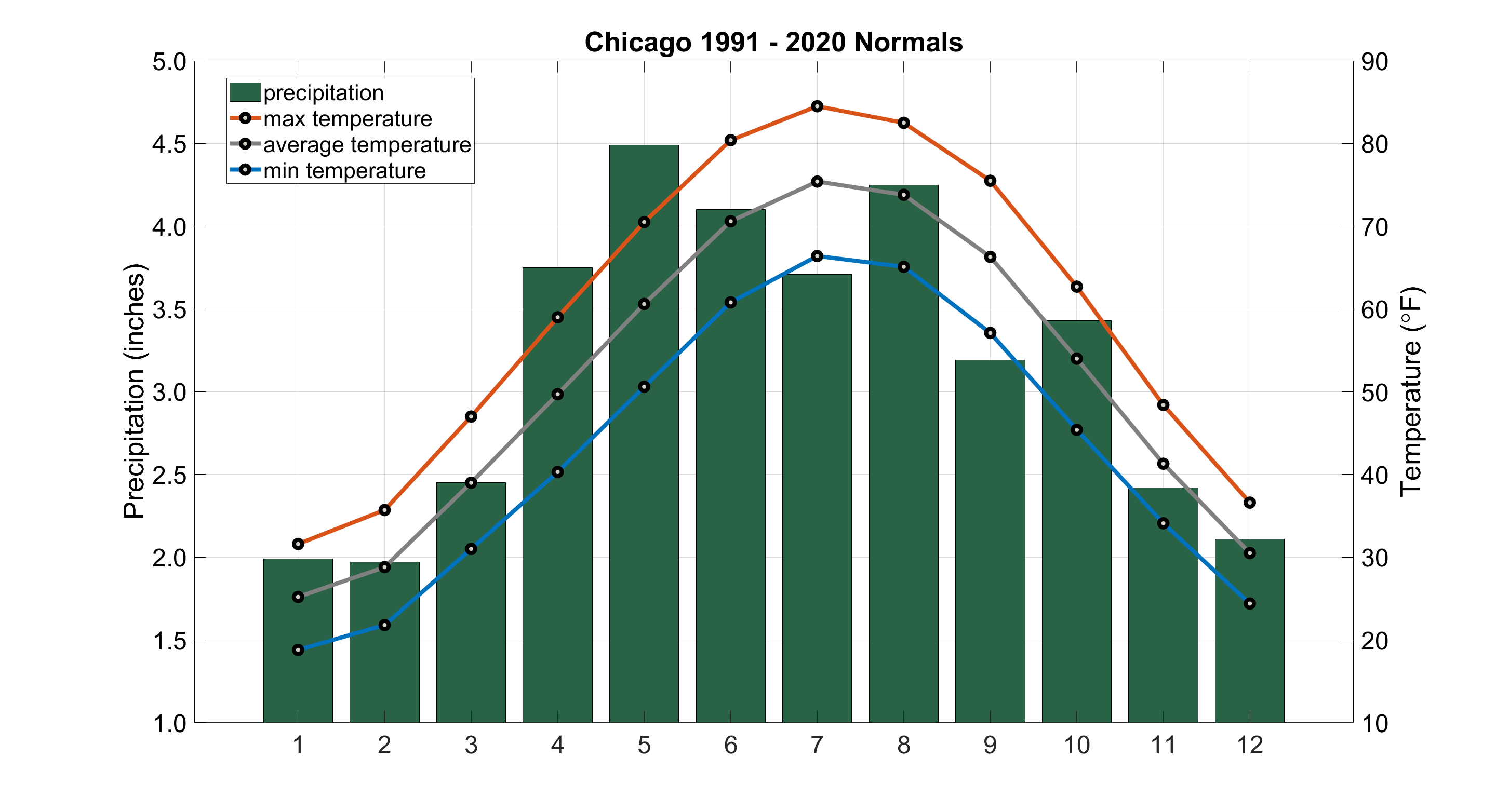
As winter’s chill slowly retreats, Chicago gradually awakens with the arrival of spring. Typically spanning from March to May, spring weather in Chicago is famously unpredictable. Early spring can still feel very much like winter, with lingering cold snaps and even late snowfall, especially in March. However, by April and May, temperatures become significantly milder, ranging from 40s°F (4-9°C) to 60s°F (15-20°C). Rain is a common feature of Chicago spring, bringing forth lush greenery and vibrant blossoms across the city’s numerous parks and gardens.
For travel and tourism, spring is an excellent time to visit for those who appreciate fewer crowds and the city’s transition into outdoor life. Iconic landmarks like Millennium Park and Lincoln Park begin to burst with color, inviting leisurely strolls and picnics. Boat tours, offering unique perspectives on Chicago’s renowned architecture, typically resume operations in April or May, weather permitting. Local culture starts to spill onto the streets with the first outdoor markets and street fairs. Food enthusiasts can enjoy the re-emergence of patio dining, savoring meals al fresco as the city comes alive.
From an accommodation perspective, spring often offers a sweet spot. Hotel rates tend to be more competitive than peak summer prices, especially in March and early April. Travelers can find great deals on everything from luxury suites overlooking the city skyline to charming boutique hotels in vibrant neighborhoods. This period is ideal for those seeking a balance of comfortable exploration and value, making it a popular choice for budget-conscious travelers or those planning longer stays.
Summer’s Grandeur: Sunny Skies and Vibrant City Life
Chicago truly shines during its summer months, from June through August. This is when the city bursts with energy under generally warm and sunny skies. Temperatures typically range from the 70s°F (21-26°C) to occasional highs in the 90s°F (32°C+), often accompanied by humidity. While summer days are glorious, afternoon thunderstorms are not uncommon, usually clearing quickly to leave behind fresh, warm evenings.
Summer is unequivocally Chicago’s peak tourist season, and for good reason. The city transforms into an outdoor playground. The extensive lakefront path becomes a hub for cyclists, runners, and walkers, while the numerous Lake Michigan beaches beckon sun-seekers and swimmers. Outdoor concerts and festivals, including world-famous events like Lollapalooza in Grant Park, fill the calendar. Catching a Chicago Cubs game at historic Wrigley Field is a quintessential summer experience, immersing visitors in local sports culture. Architectural river cruises are at their most popular, offering breathtaking views of the city’s iconic skyscrapers under blue skies. Rooftop bars become coveted spots for evening cocktails with panoramic vistas.
Given the high demand, accommodation during summer requires advance planning. Hotels, from lavish resorts to family-friendly apartments, see their highest occupancy and rates. Travelers should book well in advance, especially if targeting specific dates or luxury suites with sought-after amenities like pools or Lake Michigan views. Families often opt for hotels with larger suites or those offering amenities catering to children. Business travelers might find more limited options and higher prices, necessitating careful budgeting and early reservations.
Autumn’s Charm: Crisp Air and Colorful Landscapes
Autumn, from September to November, is a favorite season for many in Chicago. The oppressive humidity of summer dissipates, replaced by refreshingly crisp air and comfortable temperatures, usually in the 50s°F (10-15°C) to 60s°F (15-20°C). The city’s trees, especially along its boulevards and in its extensive parks, erupt into a spectacular display of reds, oranges, and golds, creating a picturesque backdrop for exploration. While the first frost can appear in late October, the early part of the season is particularly pleasant.
This is an ideal time for travel and tourism focused on scenic beauty and cultural immersion. Architectural boat tours remain popular as the autumn colors frame the urban landscape beautifully. Walking tours of neighborhoods like Lincoln Park or exploring the grounds of the Art Institute of Chicago or the Field Museum are particularly enjoyable in the mild weather. Harvest festivals and pumpkin patches in the surrounding areas offer local culture experiences. The city’s renowned food scene thrives, with chefs utilizing seasonal ingredients, perfect for those on a culinary journey. Business stays are also common in autumn, as many conferences and events are scheduled during this temperate period.
Accommodation during autumn generally offers a good balance. While rates can be higher than in spring, they are often less expensive than summer, especially as you move closer to November. It’s a prime time for those seeking longer-term stays or considering a more luxurious trip without the peak-season price tag. Many hotels offer enticing packages for fall travelers, and finding a cozy, well-located spot to enjoy the city’s autumnal charm is relatively easy.
Winter’s Embrace: Snowy Spectacles and Cozy Retreats
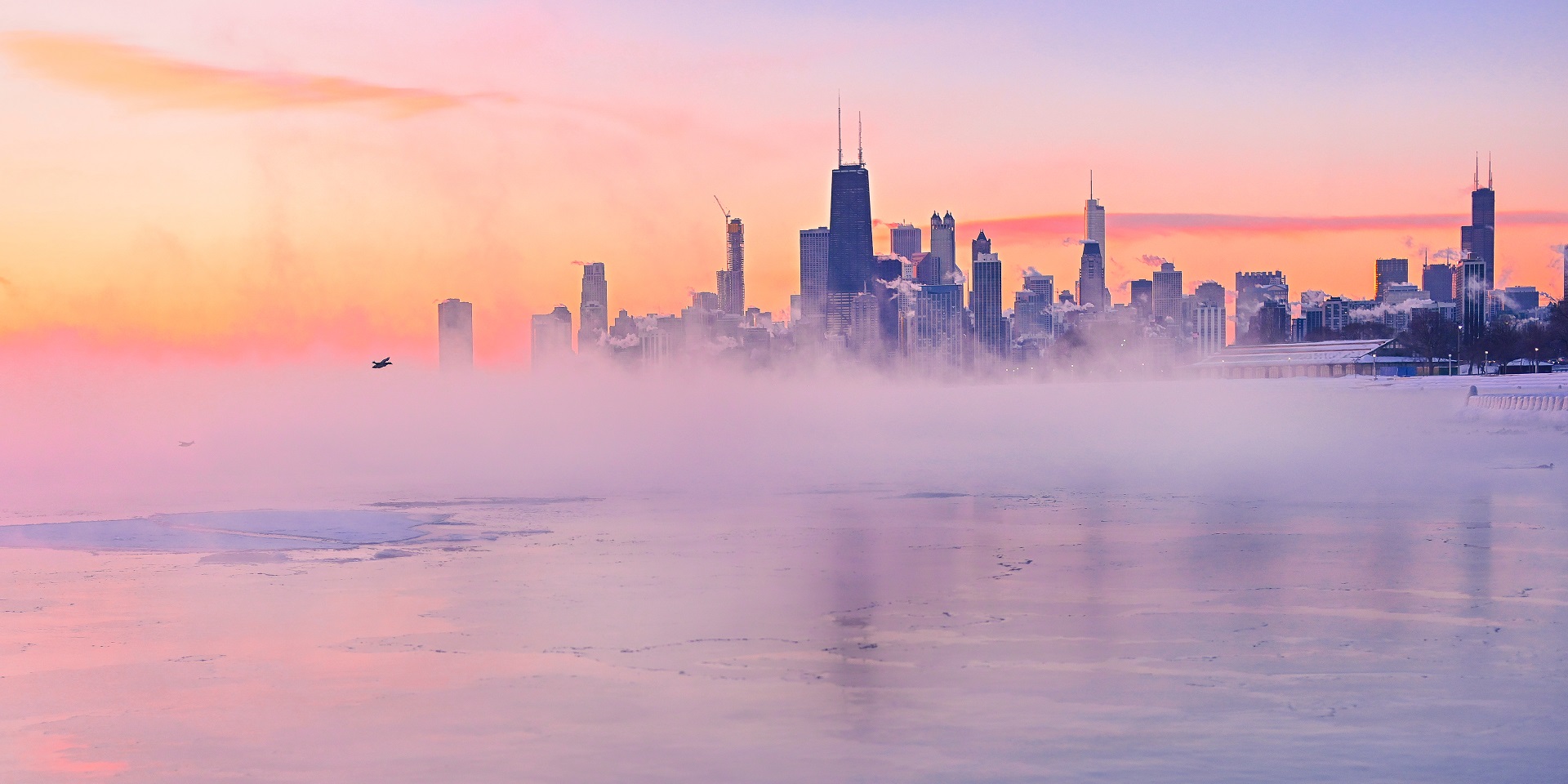
Chicago winters, from December to February, are legendary and not for the faint of heart. Characterized by cold temperatures, often below freezing (20s°F to 30s°F, or -6°C to -1°C), significant snowfall, and biting winds, the city truly lives up to its “Windy City” moniker in these months. Lake-effect snow can be substantial, transforming the cityscape into a winter wonderland. Despite the chill, Chicago knows how to embrace winter with a unique charm.
For travel and tourism, winter presents a different, often magical, side of Chicago. Ice skating at Maggie Daley Park or Millennium Park is a beloved tradition, offering festive outdoor fun. The city’s holiday markets, particularly the Christkindlmarket, evoke old-world charm, perfect for finding unique gifts and enjoying seasonal treats. The Magnificent Mile sparkles with elaborate holiday lights, making evening strolls enchanting. This season is also prime for exploring Chicago’s world-class indoor attractions, such as the Shedd Aquarium, the Museum of Science and Industry, and its renowned theatre district, which stages spectacular Broadway shows and local productions.
Accommodation in winter usually offers the lowest rates of the year, making it an excellent time for budget travel or for those seeking luxury experiences at a more accessible price point. Many hotels provide cozy amenities like heated pools, fireplaces in common areas, and direct access to public transportation or enclosed walkways to combat the cold. For longer-term stays, apartment-style accommodations can be particularly appealing, offering a warm and comfortable base for experiencing the city’s winter charm. Lifestyle options shift indoors, focusing on fine dining, art galleries, and cultural performances, often with excellent availability.
Preparing for Chicago’s Climate: Practical Tips for Travelers
Understanding Chicago’s seasonal weather is the first step; preparing for it is the next. Thoughtful packing and smart planning can make all the difference in ensuring a comfortable and enjoyable trip, regardless of when you visit.
Packing Essentials for Every Season
The golden rule for packing for Chicago is layering. Even in summer, evenings can be cooler, and indoor air conditioning can be powerful.
- Spring: Bring waterproof outerwear (a good rain jacket or umbrella is a must), layers (sweaters, light jackets), and comfortable walking shoes that can handle wet conditions.
- Summer: Pack light, breathable clothing. Sunscreen, sunglasses, and a hat are essential for sunny days, especially by the lake. A light jacket or cardigan for cooler evenings or air-conditioned spaces is advisable. Swimwear for the beaches or hotel pools is a good idea.
- Autumn: Layers are crucial. Think sweaters, light to medium jackets, scarves, and perhaps a warmer coat as the season progresses. Comfortable walking shoes are a must for exploring the colorful parks.
- Winter: This is when serious winter gear is required. A heavy, insulated, and waterproof winter coat, thermal layers, warm hats, gloves, scarves, and waterproof boots with good traction are non-negotiable. Don’t underestimate the wind chill; proper protection makes outdoor activities much more enjoyable.
Navigating the City: Transportation and Indoor Havens
Chicago’s robust public transportation system, operated by the CTA (Chicago Transit Authority), is a lifeline, especially during inclement weather. The “L” train (elevated train) and extensive bus network connect virtually every part of the city, making it easy to get around without battling the elements. During colder months, strategic planning of your daily itinerary to maximize indoor activities and minimize outdoor exposure is wise. Many downtown buildings are connected via underground tunnels or skywalks, offering refuge from the cold.
For tourism, identify key indoor attractions you wish to visit. Chicago’s array of museums, galleries, theaters, and shopping centers provides endless entertainment options, making it possible to have a fantastic trip even when the weather isn’t cooperating. Consider a CityPASS for bundled access to multiple attractions, which can be particularly convenient for staying warm and dry while sightseeing.
Accommodation Choices Tailored to the Weather
Your choice of accommodation can significantly impact your comfort level based on the weather.
- Winter: Look for hotels with direct access to the CTA, enclosed parking, or even indoor pathways to nearby attractions. Amenities like indoor pools, spas, and excellent in-house dining options become more valuable. Luxury hotels often excel in providing these comfort-focused features.
- Summer: Hotels with outdoor pools, rooftop decks, or proximity to Lake Michigan or major parks are highly sought after. Air conditioning is a must. For family trips, consider hotels with spacious suites or those offering family-friendly activities.
- All Seasons: Regardless of the time of year, consider the location relative to your planned activities. Being within walking distance (or a short public transport ride) of key landmarks, restaurants, and entertainment venues always enhances the experience. For long-term stays, properties with kitchenettes or laundry facilities offer added convenience.
Beyond the Forecast: Experiencing Chicago’s Year-Round Appeal
While Chicago’s weather certainly plays a significant role in shaping the visitor experience, it’s important to remember that the city’s vibrant spirit and endless offerings transcend meteorological conditions. Chicago is a city built on resilience and a passion for life, and its residents and visitors alike find ways to thrive in every season.
The city’s diverse culinary scene, ranging from deep-dish pizza to Michelin-starred restaurants, offers comfort and delight no matter the temperature. Its world-class museums, including the Art Institute of Chicago, the Field Museum, and the Shedd Aquarium, provide intellectual stimulation and entertainment year-round, making them perfect havens during extreme weather. The architectural wonders of Chicago are magnificent under a summer sun, equally striking against a backdrop of crisp autumn leaves, and simply breathtaking when dusted with fresh snow.
For those considering a lifestyle visit, whether for luxury travel or a business stay, Chicago consistently delivers. The city adapts, offering indoor festivals and performances in winter, and sprawling outdoor celebrations in summer. The cultural calendar is packed, ensuring there’s always something exciting to do, see, or experience.
In conclusion, the weather in Chicago is an integral part of its identity, offering a diverse palette of experiences throughout the year. While each season brings its own characteristics and challenges, proper preparation and an open mind will ensure that any trip to this magnificent city is memorable and enjoyable. From the refreshing breezes of spring to the festive glow of winter, Chicago welcomes travelers to discover its unique charm, come rain, shine, or snow.
LifeOutOfTheBox is a participant in the Amazon Services LLC Associates Program, an affiliate advertising program designed to provide a means for sites to earn advertising fees by advertising and linking to Amazon.com. Amazon, the Amazon logo, AmazonSupply, and the AmazonSupply logo are trademarks of Amazon.com, Inc. or its affiliates. As an Amazon Associate we earn affiliate commissions from qualifying purchases.