
The journey between the bustling metropolis of Chicago, Illinois, and the vibrant Mile High City of Denver, Colorado, is a well-traveled route for both business and leisure travelers in the United States. While the exact flight duration can vary due to a multitude of factors, a direct flight typically spans approximately 2 hours and 30 minutes to 3 hours. This relatively short travel time makes the route an attractive option for those looking to explore the dynamic urban landscapes, economic opportunities, or natural beauty that each city offers.
This comprehensive guide will delve into the specifics of this popular air route, exploring what influences flight times, how to navigate the major airports, why so many people choose to fly between these two significant North American hubs, and essential tips for a smooth and enjoyable travel experience. Whether you’re planning a quick business trip, a family vacation to the Rocky Mountains, or an urban adventure, understanding the nuances of this flight will help you prepare for your journey.
Understanding the Flight Duration from Chicago to Denver
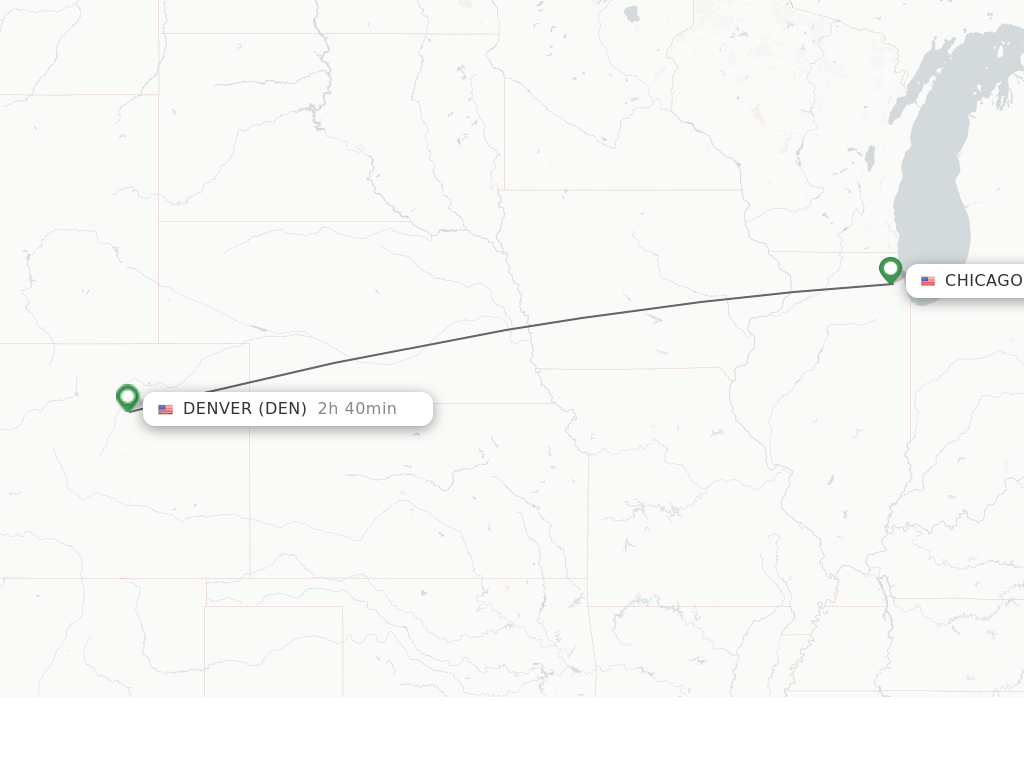
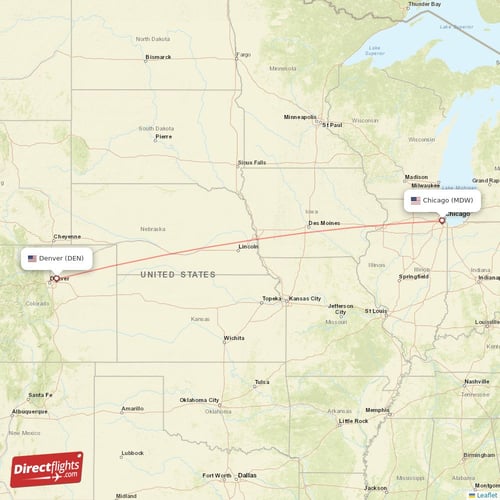
The stated average flight time of 2 hours and 30 minutes to 3 hours for a direct flight is a good baseline, but it’s important to understand the various elements that can impact your actual time in the air. This route covers an aerial distance of roughly 900 miles (1,450 kilometers) over the vast Great Plains, connecting the Midwest to the West.
Direct vs. Connecting Flights
The most significant factor in overall travel time is whether you choose a direct flight or one with layovers.
-
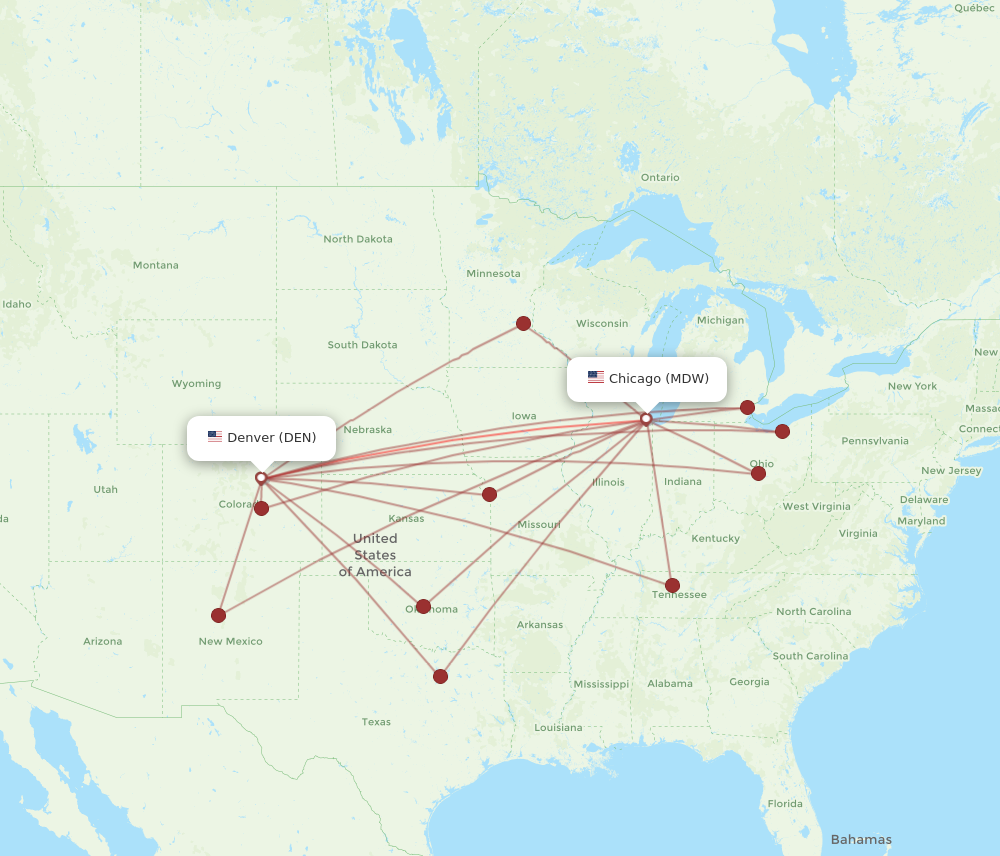
Direct Flights: As mentioned, these typically range from 2 hours and 30 minutes to 3 hours. This is the most efficient option for travelers prioritizing speed and convenience. Major airlines like United Airlines, American Airlines, Southwest Airlines, Frontier Airlines, Spirit Airlines, and Delta Air Lines all offer frequent direct services between Chicago and Denver. The popularity of the route ensures multiple daily departures, providing flexibility for travelers.
-
Connecting Flights: If you opt for a connecting flight, your travel time will naturally increase significantly. A single layover can add anywhere from 3 to 8+ hours to your journey, depending on the layover duration and the efficiency of the connection. While often cheaper, connecting flights are usually chosen out of necessity (e.g., direct flights are fully booked or significantly more expensive) or to visit an intermediate destination. For this particular route, direct flights are so prevalent and reasonably priced that connecting flights are generally less appealing unless there’s a specific reason for them.
Factors Influencing Flight Time
Beyond direct versus connecting, several other variables play a role in the precise duration of your flight:
-
Aircraft Type: Modern aircraft are designed for efficiency. Larger jets, often used on popular routes like Chicago to Denver, can cruise at higher speeds and altitudes, potentially shaving a few minutes off the flight compared to smaller regional jets. However, the difference is often marginal and rarely impacts the published schedule significantly.
-
Weather Conditions: This is one of the most unpredictable factors.
- Headwinds/Tailwinds: Flying eastbound (from Denver to Chicago), flights often benefit from prevailing westerly tailwinds, potentially reducing flight time. Conversely, westbound flights (from Chicago to Denver) might encounter headwinds, which can extend the flight by 15-30 minutes or more.
- Storms and Turbulence: Severe weather at either departure or arrival airport, or along the flight path, can lead to delays, diversions, or altered flight paths to avoid turbulence, all of which can increase travel time. Icing conditions can also necessitate de-icing procedures, causing delays on the ground.
-
Air Traffic Control (ATC) and Airspace Congestion: Both O’Hare International Airport (ORD) in Chicago and Denver International Airport (DEN) are major hubs, consistently ranking among the busiest airports globally.
- Departure Delays: Congestion on the ground at O’Hare, especially during peak hours or due to weather, can lead to extended taxi times or holding patterns before takeoff.
- Arrival Delays: Similarly, heavy air traffic around Denver can result in planes having to circle before landing, adding minutes to the journey. ATC manages this complex ballet of aircraft, but unforeseen events can cause ripple effects.
-
Time Zone Change: Travelers should also account for the time zone difference. Chicago operates on Central Time Zone, while Denver is on Mountain Time Zone. This means that upon arrival in Denver, you will “gain” an hour. For example, a flight departing Chicago at 10:00 AM Central Time and lasting 2 hours 45 minutes would arrive in Denver at approximately 12:45 PM Mountain Time. This time shift is crucial for planning onward travel or appointments.
Preparing for Your Journey: What to Expect at the Airports
Navigating two of the United States’ busiest airports requires some preparation. Understanding the layout and processes at both O’Hare and Denver International Airport can significantly reduce stress and ensure a smoother experience.
Navigating O’Hare International Airport (ORD)
O’Hare International Airport is one of the world’s largest and busiest airports, serving as a major hub for United Airlines and American Airlines. Its immense size and constant activity mean that travelers should arrive well in advance of their scheduled departure.
- Getting There: O’Hare is located about 17 miles northwest of Downtown Chicago. Travelers can reach it via the CTA Blue Line train (a cost-effective and efficient option from the city center), Metra commuter rail, taxi, rideshare services, or shuttle buses. If driving, factor in potential traffic delays, especially during rush hour. Midway International Airport is another Chicago airport, but most Denver flights depart from O’Hare.
- Check-in and Security: Allow ample time for check-in, especially if you’re checking bags. Security lines at O’Hare can be notoriously long, so consider programs like TSA PreCheck or Clear for expedited screening. Generally, arriving 2-3 hours before a domestic flight is recommended.
- Terminals and Gates: O’Hare has four terminals (1, 2, 3, and 5). Most domestic flights to Denver will depart from Terminals 1, 2, or 3. Use the Airport Transit System (ATS) to move between terminals if needed, though this is primarily for international transfers or parking. Always confirm your terminal and gate well in advance.
- Amenities: O’Hare offers a wide range of dining, shopping, and lounge options across all terminals, providing opportunities to relax, grab a meal, or do some last-minute shopping before your flight.
Arriving at Denver International Airport (DEN)
Denver International Airport is another major hub, recognized for its distinctive tent-peaked roof resembling the Rocky Mountains and its efficient operations. It serves as the primary hub for Frontier Airlines and Southwest Airlines in the region, and a significant operating base for United Airlines.
- Location and Transportation: Denver International Airport is located approximately 25 miles northeast of Downtown Denver. The A Line commuter train provides a direct and convenient link from the airport to Union Station in the heart of the city, taking about 37 minutes. Taxis, rideshare services, rental cars, and various shuttle services are also readily available.
- Baggage Claim and Ground Transportation: Once you land, follow signs for baggage claim. The main terminal, Jeppesen Terminal, handles all arrivals and departures, with three concourses (A, B, C) connected by an underground train. From baggage claim, you’ll easily find exits to ground transportation options.
- Altitude Adjustment: Remember that Denver is the “Mile High City,” meaning it sits at an elevation of approximately 5,280 feet (1,609 meters). Some travelers, especially those arriving from sea level, may experience mild effects of altitude sickness (headache, fatigue, shortness of breath). It’s advisable to stay hydrated, limit alcohol consumption, and take it easy on your first day to adjust.
Why Fly Between Chicago and Denver? A Look at Popularity and Purpose
The Chicago to Denver route consistently ranks among the busiest in the United States. This popularity is driven by a confluence of economic, cultural, and recreational factors, making it a critical aerial corridor connecting the Midwest to the Mountain West.
Business and Economic Ties
Both Chicago and Denver are significant economic powerhouses, albeit with different industry focuses.
- Chicago’s Financial and Corporate Hub: Chicago is a global financial center, home to major corporations, trading exchanges, and a thriving business sector that spans finance, manufacturing, healthcare, and technology. It attracts business travelers from across the nation and the world.
- Denver’s Growing Industries: Denver has rapidly emerged as a hub for technology, aerospace, clean energy, and cannabis industries. Its strategic location as the gateway to the Rocky Mountains also supports a robust tourism and outdoor recreation economy. Many companies have offices in both cities, leading to frequent inter-office travel. The Wall Street Journal and other business publications frequently highlight the strong economic growth in the Denver area, attracting entrepreneurs and established businesses alike.
- Conferences and Conventions: Both cities are popular destinations for conferences, trade shows, and conventions. Professionals often travel between the two for networking, industry events, and corporate meetings, making the direct flight route invaluable for business continuity and professional development.
Leisure and Tourism Opportunities
Beyond business, the route is equally vital for leisure travelers drawn to the distinct attractions of each city and their surrounding regions.
-
Chicago: Urban Culture and Architecture: Travelers from Denver flock to Chicago for its world-class museums like the Art Institute of Chicago, Field Museum, Shedd Aquarium, and Adler Planetarium, stunning architecture (including the iconic Willis Tower), vibrant arts scene, and renowned culinary landscape. Iconic landmarks like Millennium Park with its “Bean” sculpture (Cloud Gate) and the bustling Navy Pier offer endless entertainment. Shopping along the Magnificent Mile and exploring diverse neighborhoods like the Loop, Gold Coast, and River North provide a quintessential urban experience.
-
Denver and the Rocky Mountains: Outdoor Adventure and Scenery: For those seeking outdoor adventures, Denver is the perfect gateway. Tourists from Chicago use Denver as a launching pad for skiing in resorts like Vail and Aspen, hiking in the surrounding Front Range of the Rocky Mountains, or exploring national parks. Within the city itself, attractions like Red Rocks Park and Amphitheatre, the Denver Botanic Gardens, the Denver Art Museum, Union Station, and the pedestrian-friendly 16th Street Mall offer a diverse range of activities. Day trips to nearby Boulder, Golden, or Colorado Springs are also popular. The city’s thriving craft beer scene, innovative culinary landscape, and vibrant neighborhoods like RiNo Art District and LoDo Historic District further enhance its appeal.
-
Family Visits and Personal Connections: With large populations in both metropolitan areas, flights often facilitate visits between family members, friends, and college students attending universities in either Illinois or the State of Colorado.
Maximizing Your Travel Experience: Tips for the Chicago to Denver Route
To ensure your flight from Chicago to Denver is as comfortable and efficient as possible, consider these practical tips covering everything from booking to arrival.
Choosing the Right Airline and Time
- Airlines: Given the route’s popularity, you have a plethora of choices.
- Full-Service Carriers (United Airlines, American Airlines, Delta Air Lines): Often offer more amenities (e.g., in-flight entertainment, complimentary snacks/drinks, more legroom) and flexible booking options, but typically at a higher price point.
- Budget Carriers (Southwest Airlines, Frontier Airlines, Spirit Airlines): Generally offer lower base fares but charge extra for services like baggage, seat selection, and refreshments. Ideal for budget travelers or those traveling light.
Compare prices and included services carefully on travel aggregators and airline websites to find the best fit for your needs and budget.
- Timing Your Flight:
- Early Mornings/Late Evenings: These flights are often less prone to delays caused by accumulating air traffic throughout the day. However, they might also be peak business travel times.
- Mid-day: Can sometimes offer a sweet spot with fewer crowds, but may be more susceptible to slight delays from earlier flights.
- Weekends vs. Weekdays: Weekday flights, especially Tuesday, Wednesday, and Saturday, can sometimes be cheaper and less crowded than peak Monday/Friday business travel.
- Seasonal Considerations: Prices and availability will fluctuate based on peak seasons for tourism (e.g., ski season in Colorado, summer travel). Book well in advance for popular dates.
In-Flight Comfort and Entertainment
Even though it’s a relatively short flight, making it comfortable can enhance your overall travel experience.
- Stay Hydrated: The dry cabin air and Denver’s high altitude necessitate good hydration. Drink plenty of water before, during, and after your flight.
- Snacks and Drinks: While some airlines offer complimentary refreshments, especially on full-service carriers, bringing your own snacks can be a cost-effective and healthier option.
- Entertainment: Download movies, TV shows, podcasts, or e-books to your devices before you depart. Some airlines offer in-flight Wi-Fi and entertainment systems, but these can be hit-or-miss or come with a fee. A good book or magazine is always a reliable option.
- Comfort Essentials: A neck pillow, eye mask, and noise-canceling headphones can make a significant difference in comfort, allowing you to rest or enjoy your entertainment undisturbed. Dress in layers, as cabin temperatures can fluctuate.
Accommodation and Post-Flight Logistics in Denver
Once you land in Denver, planning your onward journey and accommodation is key.
- Accommodation in Denver: Denver offers a diverse range of accommodations to suit every budget and travel style.
- Luxury Stays: High-end hotels like Four Seasons Denver, The Ritz-Carlton, or Hyatt Regency Denver at Colorado Convention Center provide premium services and amenities, ideal for business travelers or luxury getaways.
- Mid-Range and Boutique Hotels: Chains like Marriott, Hilton, or independent boutique hotels in areas like LoDo Historic District or RiNo Art District offer comfortable stays with local flair.
- Budget-Friendly Options: Consider hotels slightly outside the city center, hostels, or vacation rentals for more economical choices.
- Long-term Stays: If your trip extends beyond a few days, serviced apartments or extended-stay hotels from brands like Loews Hotels provide home-like amenities.
Booking in advance, especially during peak seasons like ski season or major sporting events (Coors Field, Empower Field at Mile High, Ball Arena), is highly recommended to secure preferred rates and availability.
- Getting Around Denver: The city has an excellent public transportation system, RTD, which includes buses and light rail, connecting major attractions and neighborhoods. Renting a car is advisable if you plan to explore beyond the immediate urban area, especially for trips into the mountains to destinations like Boulder, Vail, Aspen, Golden, Colorado Springs or further afield to Grand Junction.
In conclusion, a direct flight from Chicago to Denver is a swift and convenient journey, typically lasting between 2 hours and 30 minutes to 3 hours. By understanding the factors that influence flight times, preparing for your airport experiences, and planning your post-arrival logistics, you can ensure a smooth and enjoyable transition from the urban dynamism of the Midwest to the captivating allure of the Rocky Mountains and the Mile High City. Happy travels!
LifeOutOfTheBox is a participant in the Amazon Services LLC Associates Program, an affiliate advertising program designed to provide a means for sites to earn advertising fees by advertising and linking to Amazon.com. Amazon, the Amazon logo, AmazonSupply, and the AmazonSupply logo are trademarks of Amazon.com, Inc. or its affiliates. As an Amazon Associate we earn affiliate commissions from qualifying purchases.