
Embarking on a journey from the bustling heart of the Midwest, Chicago, to the captivating land of the rising sun, Japan, is an adventure that many travelers dream of. While the thought of exploring Tokyo’s neon-lit streets, Kyoto’s serene temples, or Osaka’s culinary delights is exciting, one of the most common initial questions revolves around the practicalities of getting there: “How long is the flight from Chicago to Japan?” This comprehensive guide will break down everything you need to know about the flight duration, factors influencing travel time, what to expect on a long-haul journey, and how to make the most of your arrival in this incredible country.
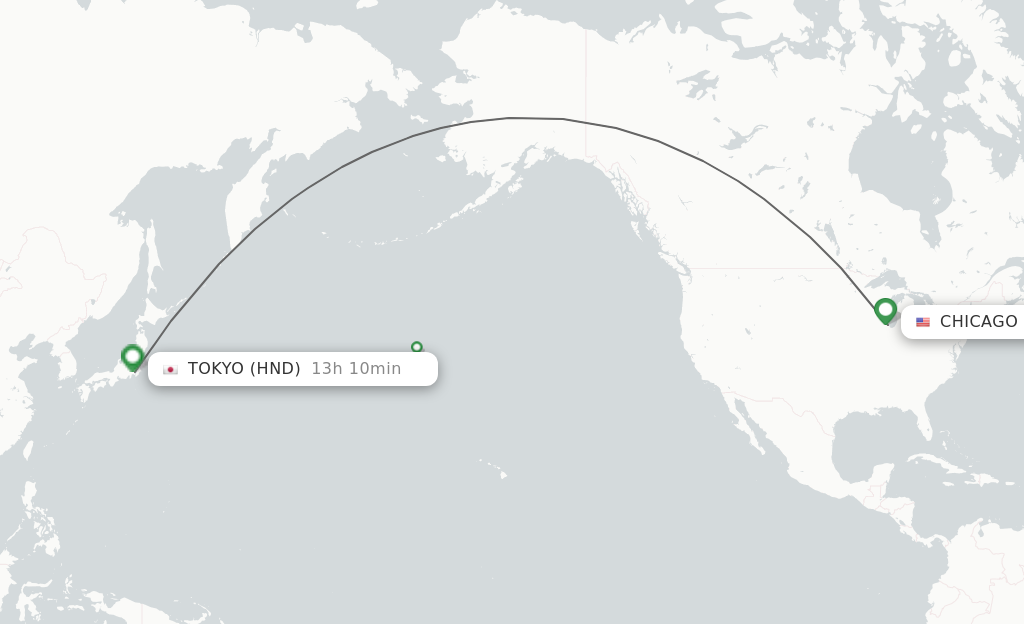
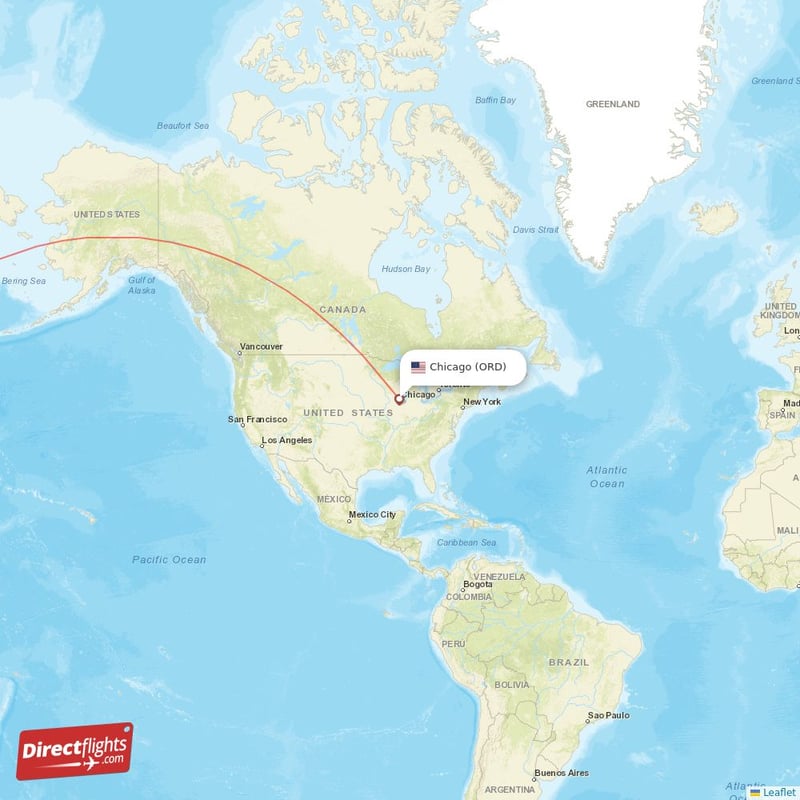
The flight from Chicago to Japan is a significant trans-Pacific journey, typically ranging from 12 to 14 hours for direct flights. However, this is just an average, and the exact duration can vary based on several crucial factors, including the specific departure and arrival airports, the airline, prevailing winds, and whether you opt for a direct or connecting flight. Understanding these elements is key to planning a smooth and enjoyable trip, ensuring that your travel experience is as comfortable and efficient as possible, setting the stage for an unforgettable exploration of Japan’s rich culture and breathtaking landscapes.
Understanding the Journey: Direct Flights vs. Connecting Routes
For travelers prioritizing speed and convenience, a direct flight is often the preferred choice. These non-stop journeys eliminate the need for layovers, making the overall travel time significantly shorter. However, connecting flights, while adding to the travel duration, can sometimes offer more flexibility in terms of pricing or airline choice.
Direct Flight Duration from Chicago to Japan
If you’re flying directly from Chicago to Japan, your journey will typically commence at O’Hare International Airport (ORD), one of the busiest hubs in the United States. The most common arrival airports in Japan are Narita International Airport (NRT) and Haneda Airport (HND), both serving the greater Tokyo metropolitan area.
A non-stop flight from Chicago (ORD) to Tokyo (NRT or HND) generally takes between 12 to 13 hours. For example, airlines like United Airlines, Japan Airlines (JAL), and All Nippon Airways (ANA) frequently operate direct routes between these cities. The slight variations in flight time can be attributed to factors such as:
- Tailwinds and Headwinds: Jet streams, powerful high-altitude winds, can either boost the aircraft’s speed (tailwinds) or slow it down (headwinds). Flights heading west across the Pacific often encounter headwinds, making the journey slightly longer, while eastbound flights benefit from tailwinds, shortening the return trip.
- Specific Flight Path: Air traffic control and weather conditions can necessitate minor adjustments to the flight path, influencing the total distance covered and thus the time.
- Aircraft Type: Different aircraft models have varying cruising speeds. While the difference might be marginal, it can still contribute to slight variations in flight duration.
- Destination City within Japan: While most direct flights land in Tokyo, a direct flight to another major city like Osaka (Kansai International Airport – KIX) might be marginally longer, though direct flights to Osaka from Chicago are less common than to Tokyo.
For instance, a direct flight from Chicago to Narita could be 12 hours and 30 minutes, while another on a different day or airline might clock in at 13 hours and 10 minutes. These are all considered within the typical direct flight window.
Connecting Flights and Layover Considerations
While direct flights offer efficiency, they can sometimes be more expensive or less frequent depending on your travel dates. This is where connecting flights come into play. Opting for a flight with one or more layovers will invariably extend your total travel time, but it can open up a wider range of airline options, potentially more competitive pricing, or even the opportunity to experience another city during a longer layover.
Common layover cities for flights from Chicago to Japan include major hubs on the West Coast of the United States such as Los Angeles (LAX), San Francisco (SFO), or Seattle (SEA). Some routes might also involve Canadian cities like Vancouver (YVR). The total travel time for connecting flights can vary dramatically:
- Short Layovers (1-3 hours): Even with efficient connections, a short layover will add at least 3-5 hours to your total journey, making it 15-18 hours or more. This accounts for taxiing, deplaning, navigating the airport, and boarding your next flight.
- Medium Layovers (4-8 hours): These can extend your journey to 18-24 hours. While longer, they can provide a chance to stretch your legs, grab a proper meal, or even relax in an airport lounge.
- Long Layovers (8+ hours / overnight): These can push your total travel time well over 24 hours, sometimes into two days. However, a strategic long layover in a city like San Francisco could be an opportunity for a mini-adventure, allowing you to briefly explore a new destination before continuing your main trip to Japan. This can transform the journey itself into part of your travel experience, aligning with a more expansive lifestyle approach to travel.
When booking connecting flights, consider the layover duration carefully. Too short, and you risk missing your connection; too long, and it can feel unnecessarily tedious unless you plan to explore the layover city. Always factor in potential delays at each leg of the journey.
Navigating the Long-Haul Experience from Chicago to Japan
A flight spanning 12-14 hours is a significant commitment. Preparing for a long-haul journey is essential to ensure comfort, minimize fatigue, and arrive in Japan feeling refreshed and ready to explore. This involves everything from smart packing to managing jet lag.
Pre-Flight Preparations for Maximum Comfort
The key to a successful long-haul flight often lies in the planning that happens before you even step foot in O’Hare International Airport.
- Booking Strategies: When booking your flight, consider seat selection. A window seat offers views and a wall to lean on, while an aisle seat provides easier access to restrooms and the ability to stretch your legs without disturbing others. Some airlines offer premium economy or extra-legroom seats, which can be a worthwhile investment for such a long journey, enhancing your overall accommodation experience in the air. Booking in advance, especially for peak travel seasons, can secure better prices and preferred seating.
- Packing Essentials for In-Flight Comfort: Your carry-on bag should be strategically packed. Essentials include:
- Comfort Items: A quality neck pillow, eye mask, and earplugs or noise-canceling headphones are indispensable for rest.
- Hydration and Snacks: A reusable water bottle (fill it after security), and healthy snacks like nuts, fruit, or protein bars can help you avoid dehydration and hunger, especially if airline meal times don’t align with your preferences.
- Entertainment: Load up your tablet or phone with movies, TV shows, podcasts, or e-books. While airlines offer in-flight entertainment, having your own backup ensures you’re never bored.
- Personal Care: Lip balm, moisturizer, a small toothbrush and toothpaste, and hand sanitizer can make a big difference in feeling fresh.
- Layered Clothing: Cabin temperatures can fluctuate, so dressing in layers allows you to adjust easily. Comfortable, loose-fitting clothes are paramount.
- Visa Requirements: For United States citizens, a visa is generally not required for short tourist stays (up to 90 days) in Japan. However, it’s always wise to check the latest entry requirements with the Japanese Embassy or consulate before your trip, as regulations can change.
In-Flight Wellness and Coping with Jet Lag
Once airborne, maintaining your well-being is crucial for arriving in Japan ready to embrace its wonders.
- Staying Hydrated: The dry cabin air can lead to dehydration. Drink plenty of water throughout the flight and limit caffeine and alcohol, which can exacerbate dehydration and disrupt sleep patterns.
- Movement and Stretching: Prolonged sitting increases the risk of deep vein thrombosis (DVT). Get up and walk around the cabin every few hours, and do simple stretches in your seat to keep blood circulating.
- Managing Sleep: While it can be challenging to sleep on a plane, try to adjust your sleep schedule to Japan’s time zone as much as possible, even before you leave Chicago. Utilize your eye mask and earplugs to create a dark, quiet environment conducive to rest.
- Combating Jet Lag: The time difference between Chicago and Japan is significant – typically 14 hours ahead (e.g., when it’s noon in Chicago, it’s 2 AM the next day in Tokyo). Jet lag is almost inevitable, but you can mitigate its effects:
- Adjust Gradually: A few days before your flight, try shifting your sleep and meal times closer to Japan’s schedule.
- On Arrival: As soon as you land, try to adapt to local time. Expose yourself to natural light during the day and avoid napping for too long. If you arrive in the morning, push through until evening to sleep.
- Stay Hydrated and Eat Well: Continue drinking plenty of water and eat regular, light meals. Avoid heavy foods that can make jet lag worse.
- Minimize Stimulants: Limit caffeine and alcohol for the first few days.
- Light Exercise: Gentle walks can help reset your body clock and boost energy levels.
By taking these steps, you can significantly reduce the impact of jet lag, allowing you to fully enjoy the local culture, food, and activities from the moment you step off the plane.
Your Japanese Adventure Awaits: Beyond the Flight
Once you’ve successfully navigated the trans-Pacific journey, the real adventure begins. Japan’s efficient infrastructure and welcoming culture make for a seamless transition from airport to exploration.
Arrival at Major Japanese Airports
Most international flights from the US arrive at either Narita International Airport (NRT) or Haneda Airport (HND) if your destination is Tokyo.
- Narita International Airport (NRT): Located further outside central Tokyo, Narita is well-connected by express trains like the Narita Express (N’EX) and the Keisei Skyliner. Both offer comfortable and efficient travel into various parts of the city, taking approximately 60-90 minutes depending on your final destination within Tokyo.
- Haneda Airport (HND): Closer to the city center, Haneda is often preferred for its convenience. It offers excellent access via the Keikyu Line and Tokyo Monorail, reaching central Tokyo in as little as 30-45 minutes.
For travelers heading to Osaka or Kyoto, Kansai International Airport (KIX) is the main gateway, with direct train services to both cities. It’s crucial to consider which airport best suits your itinerary when booking.
Exploring Japan’s Diverse Destinations
Japan offers an incredible array of destinations, catering to every type of traveler. From ancient traditions to futuristic cityscapes, your post-flight exploration options are endless.
- Tokyo: A vibrant metropolis that perfectly blends tradition with innovation. Explore the iconic Shibuya Crossing, marvel at the panoramic views from the Tokyo Skytree, immerse yourself in the fashion districts of Shinjuku and Ginza, or find tranquility at the Meiji Jingu Shrine. Tokyo is a landmark city in its own right, offering endless experiences for any lifestyle, from luxury travel to budget-friendly adventures.
- Kyoto: The ancient capital, renowned for its stunning temples, traditional gardens, and geisha districts. Visit the golden pavilion of Kinkaku-ji, walk through the torii gates of Fushimi Inari-taisha, or stroll through the bamboo groves of Arashiyama. Kyoto is a haven for those seeking deep cultural immersion and historical exploration.
- Osaka: Often dubbed Japan’s kitchen, Osaka is a foodie paradise. Indulge in street food along Dotonbori, visit the impressive Osaka Castle, or explore the vibrant nightlife. It’s a city known for its friendly atmosphere and lively entertainment.
- Beyond the Major Cities: Venture further to experience the natural beauty of Hokkaido, the solemn history of Hiroshima and Miyajima Island, or the subtropical wonders of Okinawa. Each region offers unique attractions and experiences that cater to different travel preferences.
Accommodation and Lifestyle in Japan
Japan offers an incredibly diverse range of accommodation options, suitable for every budget and travel style, from luxury hotels to unique cultural stays.
- Luxury and Boutique Hotels: In major cities like Tokyo and Kyoto, you’ll find world-class luxury hotels such as the Grand Hyatt Tokyo or Ritz-Carlton Kyoto, offering impeccable service, exquisite dining, and stunning city views. These often come with amenities like spa services, fitness centers, and concierge assistance for a truly indulgent lifestyle experience.
- Traditional Ryokans: For a truly authentic Japanese experience, staying in a Ryokan is a must. These traditional inns typically feature tatami mat rooms, futon beds, hot spring baths (onsen), and multi-course kaiseki dinners. It’s an immersive cultural accommodation, especially popular in scenic areas and historical towns.
- Capsule Hotels: A uniquely Japanese and budget-friendly option, capsule hotels provide compact, private sleeping pods with shared facilities. They are perfect for solo travelers or those seeking a novel experience without breaking the bank.
- Vacation Rentals and Apartments: For longer stays or family trips, private vacation rentals or serviced apartments offer more space and flexibility, often equipped with kitchens, allowing for a more localized lifestyle experience. Websites like Airbnb are popular platforms for finding such options.
When booking accommodation, especially during peak seasons like cherry blossom viewing (spring) or autumn foliage, it’s highly recommended to book well in advance. Consider the proximity to public transport, as Japan’s rail network is exceptionally efficient and will be your primary mode of transportation for sightseeing.
Navigating Japan is a delightful experience. From the polite and helpful locals to the incredibly clean and safe environment, every aspect of your journey will be enhanced. Embrace the local culture, savor the diverse food, and enjoy the seamless blend of ancient traditions and cutting-edge modernity that makes Japan such a compelling destination.
In conclusion, while the flight from Chicago to Japan is a lengthy one, typically 12-14 hours direct, with careful planning and an understanding of what to expect, it can be a comfortable and manageable part of your adventure. The unparalleled experiences awaiting you in Japan – from exploring iconic landmarks to immersing yourself in unique local culture – make every minute of the journey well worth it. Prepare wisely, embrace the journey, and get ready for an unforgettable trip to the Land of the Rising Sun.
LifeOutOfTheBox is a participant in the Amazon Services LLC Associates Program, an affiliate advertising program designed to provide a means for sites to earn advertising fees by advertising and linking to Amazon.com. Amazon, the Amazon logo, AmazonSupply, and the AmazonSupply logo are trademarks of Amazon.com, Inc. or its affiliates. As an Amazon Associate we earn affiliate commissions from qualifying purchases.