
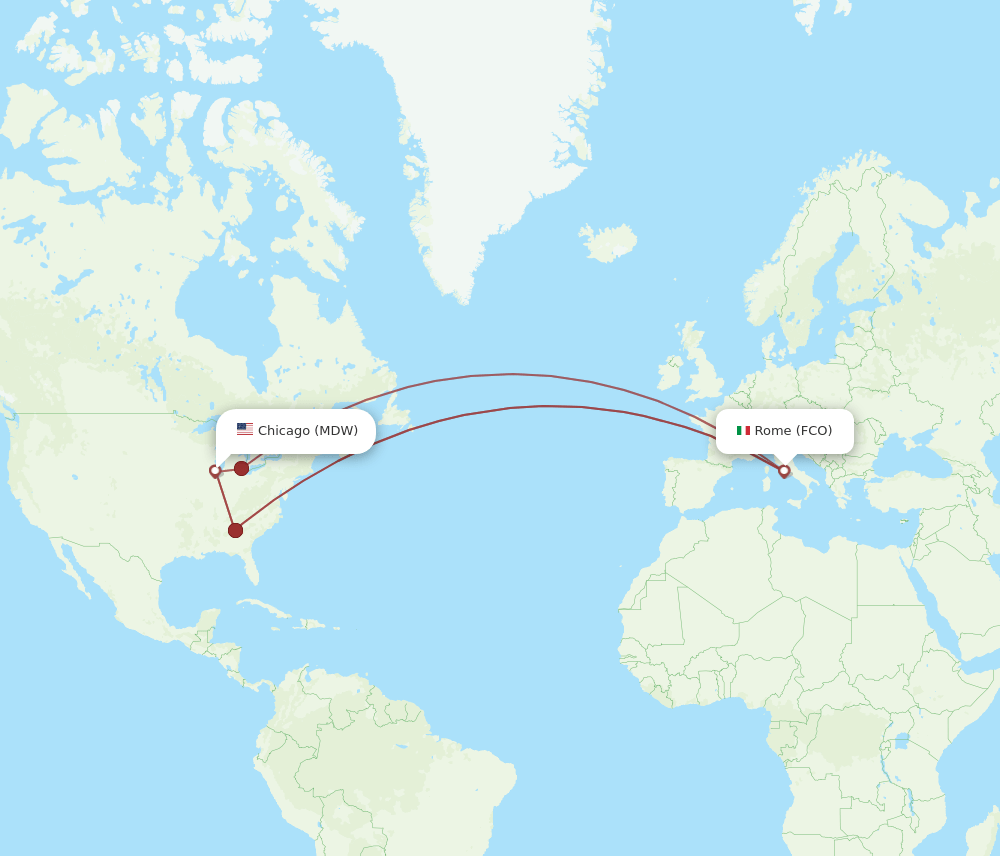
Embarking on a transatlantic journey from the vibrant heart of the United States, Chicago, to the ancient wonders of Rome, Italy, is an adventure many travelers dream of. The anticipation of exploring historic landmarks, indulging in exquisite cuisine, and immersing oneself in a rich culture begins long before takeoff. However, one of the most common and crucial questions for anyone planning this magnificent trip is: how long exactly is the flight? The answer, while seemingly straightforward, involves several factors that can influence your total travel time, from the type of flight you choose to the specific airlines and routes available. Generally, a direct, non-stop flight from Chicago to Rome typically spans between 8 hours and 30 minutes to 9 hours and 30 minutes. However, the vast majority of travelers will opt for or encounter connecting flights, which significantly extend the total travel duration.

Understanding Flight Duration: Factors at Play
The seemingly simple question of flight duration opens up a complex web of logistical considerations that impact your travel experience. Understanding these elements can help you make informed decisions when booking your trip and prepare adequately for the journey ahead. From the routing of your flight to the specific aircraft you’ll be traveling on, each detail contributes to the overall time you’ll spend in transit.
Non-Stop vs. Connecting Flights
The most significant differentiator in flight time is whether you choose a non-stop or a connecting flight.
A non-stop flight from Chicago O’Hare International Airport (ORD) to Rome Leonardo da Vinci-Fiumicino Airport (FCO) is the quickest option. Airlines like United Airlines and sometimes ITA Airways (formerly Alitalia) operate direct services that can get you to Rome in roughly 8 hours and 30 minutes to 9 hours and 30 minutes. These flights cut down on overall travel time by eliminating layovers, baggage transfers, and the hassle of navigating multiple airports. For those prioritizing speed and convenience, a direct flight is undoubtedly the premium choice, especially for business travelers or those with limited vacation time.
Connecting flights, on the other hand, are far more common and often more budget-friendly. These flights involve at least one stop, usually in a major European hub like London, Frankfurt, Paris, Amsterdam, or Dublin. The total travel time for a connecting flight can range anywhere from 12 hours to 20 hours or even more, depending on the length of the layover. A typical one-stop journey might see you spending 7-8 hours on the first leg to a European city, followed by a layover of 2-5 hours, and then a final 1-2 hour flight to Rome. While connecting flights add significant time to your journey, they can also offer an opportunity to stretch your legs, explore a different airport, or even briefly experience another city if you opt for a longer layover. Airlines such as American Airlines, Delta Air Lines, British Airways, Air France, and Lufthansa frequently offer these routes, providing a broader range of schedules and price points for travelers.
Aircraft Type and Airspace
The type of aircraft plays a subtle role in flight duration. Newer, more fuel-efficient planes like the Boeing 787 Dreamliner or Airbus A350 often have slightly faster cruising speeds and longer ranges, potentially shaving off a few minutes compared to older models. However, this difference is usually marginal for transatlantic routes. More significant is the impact of prevailing winds; eastbound flights (towards Rome) often benefit from favorable tailwinds, which can reduce flight time, while westbound return flights may face headwinds, lengthening the journey.
Airspace congestion and air traffic control restrictions can also lead to minor delays, particularly around busy international hubs. Airlines plan their routes carefully, factoring in weather patterns and airspace regulations, but unforeseen circumstances can always arise. Pilots often adjust their speed to account for these variables, ensuring a smooth and safe arrival, even if it means a slight deviation from the initially estimated flight time.
Time Zones and Layover Considerations
Crossing multiple time zones is an inherent part of any transatlantic flight. From Chicago (Central Time) to Rome (Central European Time), there’s a 7-hour time difference. This means that while your flight might take 9 hours, you’ll arrive much later in local time the following day, potentially affecting your initial plans upon arrival. For instance, a flight departing Chicago at 5:00 PM CST would land in Rome around 8:30 AM CET the next day, assuming a 9.5-hour flight.
When dealing with connecting flights, layover duration becomes a critical factor. Short layovers (1-2 hours) are efficient but carry the risk of missing your connection if the first flight is delayed. Longer layovers (4-6 hours or more) offer a buffer but significantly extend your overall travel time, which can be particularly taxing on long journeys. Savvy travelers often look for layovers that are long enough to comfortably transfer but not so lengthy as to become tiresome. Some even intentionally choose very long layovers (8+ hours) to briefly explore the connecting city, turning a layover into a mini-adventure. This strategy, however, requires careful planning regarding visa requirements and luggage.
Preparing for Your Transatlantic Journey
A long-haul flight demands more than just booking a ticket; it requires thoughtful preparation to ensure comfort, minimize stress, and set the stage for an enjoyable trip. From securing the best deals to packing essentials and mitigating the effects of jet lag, a well-planned approach can transform a potentially arduous journey into a manageable and even pleasant experience.
Booking Your Flight: Tips for Best Deals and Comfort
Finding the right flight involves balancing cost, convenience, and comfort. Generally, booking your flight several months in advance (3-6 months) tends to yield the best prices, especially for popular routes like Chicago to Rome. Flexibility with your travel dates, even by a day or two, can also unlock significant savings, as mid-week flights are often cheaper than weekend departures. Consider flying during the shoulder seasons (spring or fall) to avoid peak summer prices and crowds.
The choice of airline also impacts your experience. Major carriers offer varying levels of service, even in economy class. Research seat pitch, in-flight entertainment options, meal quality, and baggage allowances before booking. For enhanced comfort, consider upgrading your class of service. Premium Economy offers more legroom, wider seats, and improved meal service without the significant price tag of business class. Business Class and First Class provide lie-flat seats, gourmet dining, lounge access, and personalized service, transforming the long flight into a luxurious experience, aligning with a luxury travel lifestyle. These options are particularly appealing for those on a business trip or celebrating a special occasion. Loyalty programs and airline alliances can also offer perks like lounge access or upgrades, making accumulated miles a valuable asset.
What to Pack for a Long-Haul Flight
Packing smart for a long flight is crucial for your well-being. Start with comfortable clothing – loose layers are ideal, as cabin temperatures can fluctuate. Compression socks are highly recommended to prevent swelling and reduce the risk of deep vein thrombosis. Don’t forget a quality neck pillow, eye mask, and earplugs or noise-canceling headphones to aid sleep and block out disturbances.
In your carry-on, pack essential toiletries in travel-sized containers, including a toothbrush, toothpaste, moisturizer, and lip balm, to freshen up mid-flight. Hydration is key; bring an empty reusable water bottle to fill after security. Entertainment is vital to pass the time: download movies, TV shows, podcasts, or audiobooks on your devices, and pack a good book. Portable chargers or power banks are indispensable to keep your electronics powered throughout the journey. Finally, pack some healthy snacks, as airline meals might not always align with your preferences or dietary needs. A light blanket or shawl can also add an extra layer of warmth and comfort.
Managing Jet Lag: Strategies for Arrival
Jet lag is an inevitable consequence of crossing multiple time zones, but its effects can be mitigated with proactive strategies. Before your flight, try to gradually adjust your sleep schedule closer to Rome’s time zone. For instance, go to bed an hour earlier each night for a few days leading up to your trip.
During the flight, stay hydrated by drinking plenty of water and avoiding excessive alcohol and caffeine, which can exacerbate dehydration and disrupt sleep patterns. Try to sleep on the plane if it aligns with your destination’s night time, utilizing your eye mask and earplugs. Upon arrival, the most effective strategy is to immediately immerse yourself in the local time. Spend time outdoors in natural daylight, which helps reset your body’s circadian rhythm. Avoid napping for too long during the day, even if you feel tired, and try to stay awake until the local bedtime. Engage in light physical activity, like walking to explore your surroundings, but avoid strenuous exercise on your first day. Dining at local meal times also helps cue your body to the new schedule.
Arriving in Rome: Your Gateway to Italy
After a long journey, the moment of arrival in Rome is exhilarating. The “Eternal City” beckons with millennia of history, breathtaking architecture, and a vibrant contemporary culture. Knowing how to navigate the airports, where to find the best attractions, and selecting the perfect accommodation are crucial steps to ensuring a seamless and unforgettable start to your Italian adventure. Rome is not just a destination; it’s an experience that begins the moment you step off the plane.
Rome’s Airports and Transportation to the City
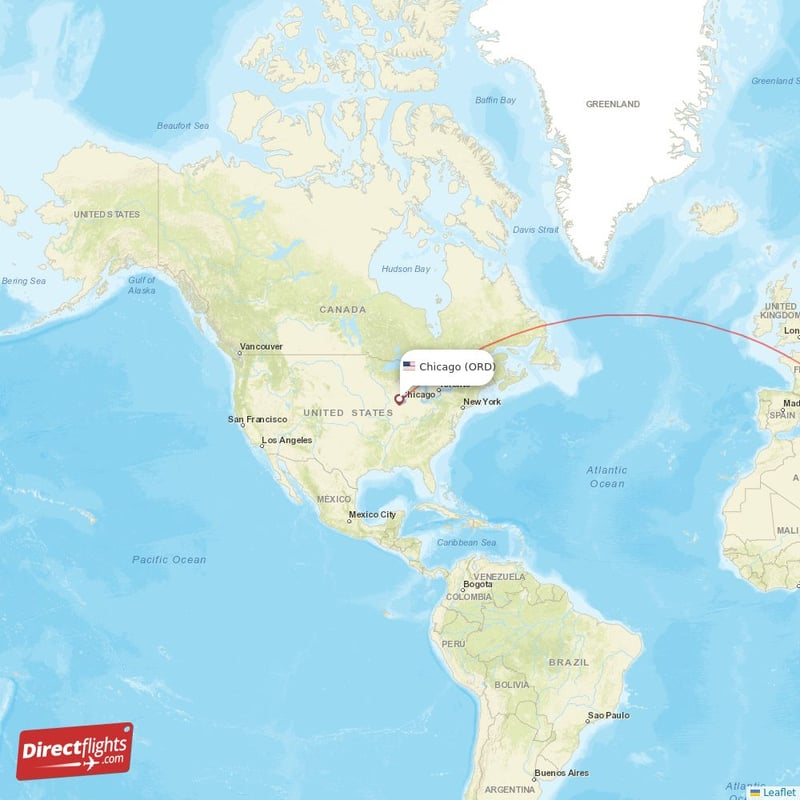
Rome is served by two main airports: Leonardo da Vinci-Fiumicino Airport (FCO) and Ciampino Airport (CIA). Most international flights from Chicago will arrive at the larger, primary hub, Fiumicino, located about 30 kilometers (19 miles) southwest of the city center.
From Fiumicino, you have several convenient transportation options to reach downtown Rome:
- Leonardo Express Train: This non-stop service connects Fiumicino Airport directly to Termini Station, Rome’s main railway hub, in approximately 32 minutes. Trains depart every 15-30 minutes, making it a fast and reliable option, perfect for solo travelers or those without excessive luggage.
- Regional FL1 Train: This train is a cheaper alternative but does not go to Termini Station. It stops at various stations like Trastevere, Ostiense, and Tiburtina, which might be convenient if your accommodation is near one of these stops.
- Airport Shuttle Buses: Several companies (Terravision, SIT Bus Shuttle, Tam Bus) offer direct bus services from Fiumicino Airport to Termini Station and other central locations. These are generally the most economical option, though travel time can vary depending on traffic (typically 45-60 minutes).
- Taxis: Official white taxis are available outside the arrival terminals. There is a fixed fare for trips between Fiumicino Airport and the city center (within the Aurelian Walls), making it a predictable option for groups or those with heavy luggage. Ensure you use only licensed taxis.
- Private Transfers: For ultimate convenience and a stress-free arrival, particularly for families or those with early morning/late night flights, pre-booked private car services are an excellent choice.
Ciampino Airport, located closer to the city center (about 12 kilometers / 7.5 miles southeast), primarily serves budget airlines. From Ciampino, shuttle buses (Terravision, SIT Bus Shuttle) are the most popular way to reach Termini Station, taking around 40 minutes. Taxis also operate on a fixed fare from Ciampino to Rome’s city center.
Top Attractions and Experiences in the Eternal City
Rome is a living museum, offering an unparalleled array of historical landmarks and cultural experiences. Your itinerary in the Eternal City will likely be packed, blending ancient wonders with vibrant modern life.
No visit to Rome is complete without seeing the iconic Colosseum, a monumental amphitheater that once hosted gladiatorial contests. Adjacent to it are the sprawling ruins of the Roman Forum and Palatine Hill, where you can wander through the heart of ancient Rome. Don’t forget to toss a coin into the magnificent Trevi Fountain to ensure your return to Rome, and marvel at the architectural genius of the Pantheon, an ancient Roman temple that is now a church.
Climb the elegant Spanish Steps that lead to the Trinità dei Monti church, and soak in the atmosphere of Piazza Navona, famous for its Baroque fountains, including Bernini’s Fountain of Four Rivers. A visit to Vatican City, the smallest independent state in the world, is also a must. Here, you can explore St. Peter’s Basilica, a masterpiece of Renaissance architecture, and be awe-struck by Michelangelo’s frescoes in the Sistine Chapel within the Vatican Museums.
Beyond the major landmarks, immerse yourself in Rome’s vibrant food culture. Enjoy authentic Roman pasta dishes like Cacio e Pepe or Carbonara, indulge in traditional gelato, and savor espresso at a local bar. Participate in a cooking class to learn the secrets of Italian cuisine, or take a food tour through neighborhoods like Trastevere to discover hidden culinary gems. Tourism in Rome is as much about the sensory experience of its flavors and sounds as it is about its historical sights.
Accommodation in Rome: Choosing Your Perfect Stay
Rome offers a vast array of accommodation options to suit every preference and budget, from opulent luxury hotels to charming boutique guesthouses and convenient apartment rentals. Your choice of neighborhood can significantly impact your experience, providing different atmospheres and access to attractions.
For those seeking an upscale lifestyle and prime location, the area around the Spanish Steps and Via Condotti is ideal, boasting prestigious hotels like the Hotel Eden or The St. Regis Rome. The historic center, encompassing areas near the Pantheon and Piazza Navona, is perfect for those who want to be within walking distance of many key sights, with options ranging from the elegant Grand Hotel de la Minerve to quaint bed & breakfasts.
The lively neighborhood of Trastevere, across the Tiber River, is famous for its narrow cobblestone streets, artisan shops, and vibrant nightlife, offering a more bohemian and local feel with numerous boutique hotels and apartment rentals. For a quieter, more residential stay with excellent metro connections, consider Prati, close to Vatican City. The Monti district, near the Colosseum and Roman Forum, combines ancient charm with trendy eateries and bars, providing a balanced experience.
For budget-conscious travelers or those looking for convenience near public transport, the area around Termini Station offers a high concentration of hotels such as Hotel Artemide, iQ Hotel Roma, and The Hive Hotel, providing easy access to both airports and Rome’s extensive public transportation network. Regardless of your choice, it’s advisable to book your accommodation well in advance, especially during peak travel seasons, to secure the best rates and availability. Reviews and comparisons on travel websites can help you find the perfect stay that aligns with your specific needs, whether you’re looking for suites, apartments, or villas.
Enhancing Your Roman Holiday: Lifestyle and Travel Tips
Making the most of your Roman holiday extends beyond simply visiting the major sights. It involves embracing the local lifestyle, navigating the city efficiently, and perhaps venturing beyond its immediate borders to explore more of Italy. Whether you’re traveling on a shoestring budget or indulging in a luxurious escape, these tips can help you tailor your experience to be truly unforgettable.
Luxury vs. Budget Travel in Rome
Rome can cater to a wide spectrum of travel budgets. For luxury travel, indulge in stays at five-star resorts, private tours of the Vatican or Colosseum, Michelin-starred dining experiences, and personal shopping excursions along Via Condotti. Consider exclusive experiences like hot air balloon rides over Tuscany or private yacht charters along the Amalfi Coast as part of an extended itinerary.
For budget travel, Rome still offers immense value. Opt for accommodation in guesthouses or hostels, utilize public transportation extensively, and enjoy inexpensive yet delicious street food like pizza al taglio or supplì. Many of Rome’s most iconic landmarks, such as the Trevi Fountain, Pantheon, and Spanish Steps, are free to visit. Look for free walking tours, pack picnics from local markets at Campo de’ Fiori, and take advantage of multi-attraction passes if they genuinely save you money. Regardless of your budget, focusing on authentic local culture and genuine interactions will enrich your trip.
Navigating Rome Like a Local
Getting around Rome is relatively easy, especially if you embrace walking. Many of the major attractions in the historic center are within comfortable walking distance of each other, allowing you to discover hidden gems and charming piazzas along the way.
For longer distances, Rome’s public transportation system includes buses, trams, and a metro (subway). The metro, with its three lines (A, B, and C), is the fastest way to cover significant distances, connecting Termini Station to the Vatican and Colosseum. Purchasing a multi-day pass (BIT or CIS tickets) can be cost-effective if you plan to use public transport frequently. Taxis are also readily available, but ensure they are licensed white cabs with meters. Ride-sharing apps like Free Now (MyTaxi) are also popular.
Learning a few basic Italian phrases (“Buongiorno,” “Grazie,” “Per favore,” “Scusi”) will go a long way in enhancing your interactions with locals. Be mindful of your belongings in crowded areas to avoid pickpocketing, particularly at popular tourist sites and on public transport. Always validate your public transport tickets to avoid fines.
Beyond Rome: Day Trips and Further Italian Exploration
While Rome offers an endless array of experiences, its central location in Italy makes it an excellent base for exploring other captivating regions. Day trips are a popular way to see more of the country without changing accommodation.
- Florence: A high-speed train can whisk you to the heart of Tuscany’s capital, Florence, in just over 1.5 hours. Explore Renaissance art, visit the Uffizi Gallery, see Michelangelo’s David, and marvel at the Duomo.
- Naples and Pompeii: Head south to Naples (about 1 hour by high-speed train) to savor authentic Neapolitan pizza, then continue to the ancient ruins of Pompeii, preserved by the eruption of Mount Vesuvius.
- Orvieto: A charming hilltop town in Umbria, easily reachable by train, known for its stunning Duomo and underground city.
- Tivoli: Just a short train or bus ride away, Tivoli is home to the UNESCO World Heritage Sites of Villa d’Este (famous for its gardens and fountains) and Hadrian’s Villa (the sprawling remains of an ancient Roman imperial complex).
For those with more time, consider extending your Italian adventure to include a few nights in Florence or even take a train north to the romantic canals of Venice. Italy’s efficient rail network makes multi-city travel a breeze, allowing you to craft comprehensive guides for an unforgettable Italian odyssey.
In conclusion, while the direct flight from Chicago to Rome is a manageable 8.5 to 9.5 hours, the entire travel experience encompasses much more. From navigating connecting flights and managing jet lag to choosing the perfect accommodation and exploring Rome’s countless landmarks, thorough planning ensures that every moment of your journey, both in the air and on the ground, contributes to an enriching and memorable travel adventure. The reward of stepping into the grandeur of Rome is undoubtedly worth every hour spent en route.
LifeOutOfTheBox is a participant in the Amazon Services LLC Associates Program, an affiliate advertising program designed to provide a means for sites to earn advertising fees by advertising and linking to Amazon.com. Amazon, the Amazon logo, AmazonSupply, and the AmazonSupply logo are trademarks of Amazon.com, Inc. or its affiliates. As an Amazon Associate we earn affiliate commissions from qualifying purchases.