
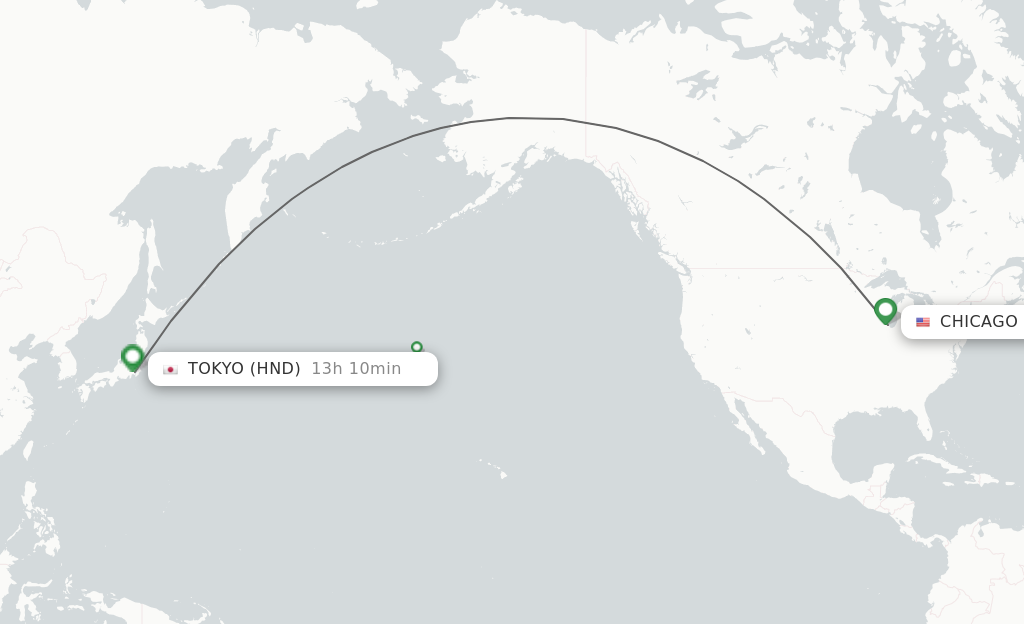
Embarking on a journey from the bustling heart of the American Midwest, Chicago, to the futuristic metropolis and cultural epicenter of Tokyo is an adventure that many dream of. As with any significant international travel, one of the first and most crucial questions for planning is: “How long will I actually be in the air?” The answer isn’t a simple fixed number; it’s a dynamic calculation influenced by a variety of factors, including direct versus connecting flights, specific routes, aircraft type, and even meteorological conditions. Typically, a direct flight from Chicago to Tokyo can range from approximately 12 to 13.5 hours, traversing the vast expanse of the Pacific Ocean. However, opting for a connecting flight will naturally extend this duration, sometimes significantly.
This comprehensive guide will delve into the intricacies of this long-haul journey, providing detailed insights into flight durations, the elements that shape them, and practical tips to ensure your transatlantic experience is as comfortable and enjoyable as possible. Whether you’re a seasoned globetrotter or planning your first major international excursion, understanding the dynamics of this flight is key to a smooth transition from the windy city’s urban sprawl to Tokyo’s vibrant cityscape. We’ll explore everything from the best ways to prepare for the long hours in the sky to what awaits you upon arrival in one of the world’s most captivating destinations, ensuring your trip is not just a flight, but the beginning of an unforgettable experience.
Unpacking the Flight Duration: Direct vs. Connecting Routes
The most significant factor determining your total travel time from Chicago to Tokyo is whether you opt for a non-stop service or a flight with one or more layovers. Each option presents its own set of advantages and considerations, impacting both your schedule and your overall travel lifestyle.
Non-Stop Flights: The Fastest Path
For travelers prioritizing speed and convenience, non-stop flights are undoubtedly the optimal choice. These direct services cut down on overall travel time by eliminating layovers, transfers, and the potential for delays at intermediate airports.
- Typical Duration: A non-stop flight from O’Hare International Airport (ORD) in Chicago to either Narita International Airport (NRT) or Haneda Airport (HND) in Tokyo typically clocks in at around 12 to 13.5 hours. The slight variation depends on the specific airline, route optimization, and prevailing wind conditions. Westbound flights (traveling from Chicago to Tokyo) generally take longer than eastbound flights due to flying against the prevailing jet stream.
- Major Airlines: Several reputable carriers offer direct routes, making this journey a comfortable option. Key players include Japan Airlines (JAL), All Nippon Airways (ANA), and United Airlines. These airlines often utilize modern long-haul aircraft designed for passenger comfort on extended journeys.
- Benefits: The primary benefit of a non-stop flight is the reduced travel time, meaning you arrive at your destination quicker and can begin your Tokyo adventure sooner. It also minimizes the stress associated with navigating unfamiliar airports during transfers and reduces the chances of missed connections or lost luggage. This makes it a popular choice for business stays and luxury travel where time is of the essence.
Connecting Flights: Exploring Other Options
While non-stop flights offer speed, connecting flights provide flexibility and can sometimes be a more budget-friendly travel option. They also offer an opportunity to break up a very long journey, which some travelers prefer.
- Typical Duration: Flights with one or more layovers can significantly extend your total travel time. Depending on the length of the layover and the number of stops, a connecting flight can take anywhere from 16 hours to 24+ hours. A single layover of 2-4 hours might add 4-6 hours to the overall trip compared to a direct flight.
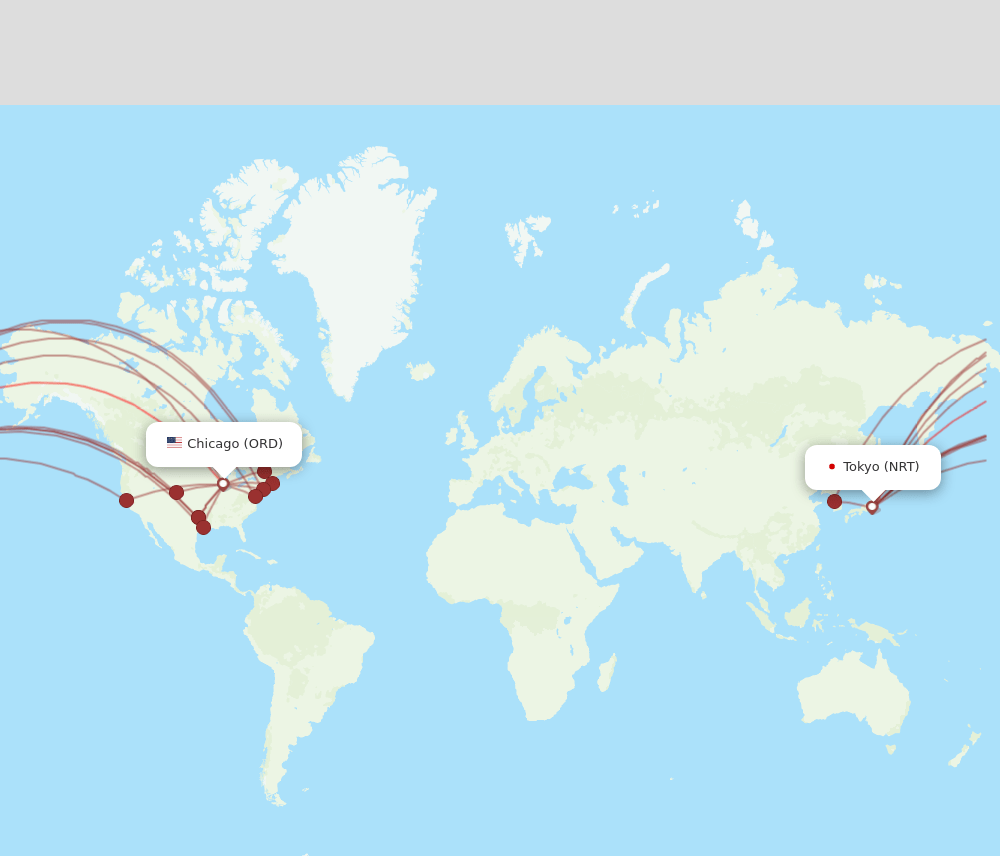
- Common Layover Cities: Most connecting flights from Chicago to Tokyo will involve a stop in a major hub city, often on the United States West Coast or in Canada. Popular layover cities include Los Angeles (LAX), San Francisco (SFO), Seattle (SEA), or Vancouver (YVR). Some routes might even connect through other major Asian hubs, though this is less common from Chicago directly to Tokyo.
- Pros: Connecting flights can often be more economical, making them attractive for budget travel or those who prefer to save on airfare. They also offer the chance to break up a very long flight, which can be beneficial for family trips or travelers who find extended periods in the air challenging. A longer layover could even present an opportunity for a mini-stopover experience, allowing you to briefly explore another city before continuing your journey to Japan.
- Cons: The most obvious drawback is the extended travel time. Additionally, connecting flights introduce more variables, such as potential delays at layover airports, security rescreening, and the added physical exertion of navigating larger terminals. Carefully checking connection times is essential to avoid unnecessarily long waits or overly tight transfers.
Factors Influencing Flight Time
Beyond the direct vs. connecting route choice, several other elements play a crucial role in determining the precise duration of your flight from Chicago to Tokyo. Understanding these factors can help set realistic expectations and even inform your travel planning.
Aircraft Type and Airspeed
The type of aircraft deployed for a long-haul flight significantly impacts its speed and efficiency. Modern wide-body jets are designed for long distances and high cruising speeds.
- Modern Long-Haul Aircraft: Airlines operating the Chicago to Tokyo route typically use advanced aircraft like the Boeing 787 Dreamliner, Boeing 777, or Airbus A350. These planes are built for fuel efficiency and sustained high speeds, usually cruising around 550-600 miles per hour (885-965 km/h).
- Impact on Duration: While the difference might seem marginal, the specific cruising speed and operational efficiency of a particular aircraft model can shave off or add a few minutes to an hour over a 12-13 hour journey. Newer aircraft often benefit from better aerodynamics and more powerful engines, allowing them to maintain optimal speeds more consistently.
Jet Streams and Wind Conditions
One of the most powerful natural forces affecting flight duration across the Pacific is the jet stream – strong, high-altitude winds that flow generally from west to east.
- Tailwinds vs. Headwinds: Flights traveling with the jet stream (eastbound, e.g., Tokyo to Chicago) experience a “tailwind” which effectively pushes the aircraft, reducing flight time. Conversely, flights traveling against the jet stream (westbound, e.g., Chicago to Tokyo) encounter a “headwind,” which acts as a resistance, increasing the flight duration.
- Seasonal Variations: The strength and position of jet streams vary seasonally. During winter months, jet streams tend to be stronger and shift further south, leading to more pronounced effects on flight times. This is why a westbound flight in winter might be slightly longer than the same flight during summer. Pilots and air traffic controllers account for these conditions when planning flight paths and estimating arrival times.
Route Optimization and Air Traffic Control
Airlines and air traffic control systems constantly work to optimize flight paths for efficiency, safety, and fuel consumption.
- Great-Circle Routes: Flights from Chicago to Tokyo typically follow “great-circle routes,” which are the shortest distance between two points on a sphere (the Earth). These routes often curve northwards, sometimes flying over parts of Canada and Alaska, before descending towards Japan.
- Dynamic Adjustments: Air traffic control (ATC) can necessitate minor deviations from planned routes due to weather systems, congested airspace, or military restrictions. While these adjustments are usually minor, they can collectively add to the flight time. The goal is always to find the most efficient and safe path at any given moment, balancing directness with prevailing conditions.
Departure and Arrival Airports
While both Narita and Haneda serve Tokyo, their slightly different geographical locations relative to Chicago can result in minor variations in flight duration.
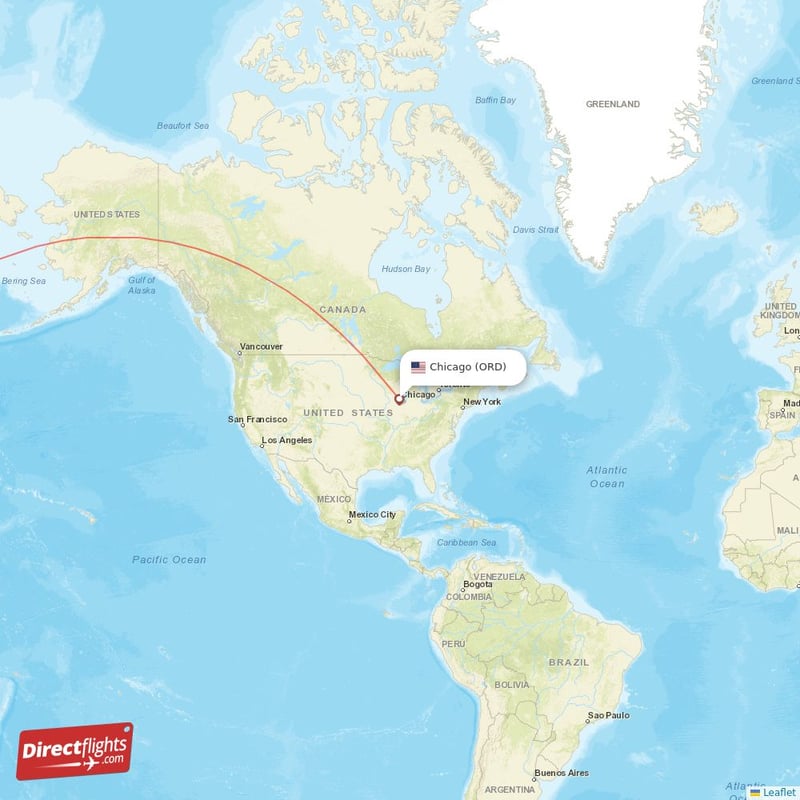
- Distance Variation: Haneda Airport is generally closer to central Tokyo and slightly closer geographically to Chicago than Narita International Airport. This marginal difference in distance can translate to a few minutes difference in flight time, although it’s often negligible compared to other factors. Airlines select which Tokyo airport to serve based on various operational factors, including available slots and passenger demand, rather than solely on the minute differences in flight duration.
Mastering the Long-Haul Journey: Tips for Comfort and Enjoyment
A 12-hour or longer flight can be daunting, but with proper preparation and strategies, it can be a comfortable and even enjoyable part of your travel experience. This is where proactive lifestyle choices meet practical travel tips.
Preparing for Your Flight
The journey begins long before you board the plane. Strategic planning can make all the difference.
- Booking Strategy: Begin your booking process well in advance, especially for direct flights to Tokyo, which can be popular. Utilize online comparison tools to find the best fares and itineraries. Consider flexibility with your travel dates to potentially find cheaper rates.
- Seat Selection: If possible, select your seat ahead of time. Aisle seats offer easier access to the lavatory and opportunities to stretch, while window seats provide a view and a wall to lean against for sleep strategies. Emergency exit rows or premium economy offer extra legroom, a valuable amenity for such a long journey, often worth the additional cost.
- Packing Essentials: Your carry-on bag should be your sanctuary. Include comfort items such as a travel pillow, eye mask, noise-canceling headphones, and compression socks to aid circulation. Don’t forget entertainment: loaded tablets with movies, e-readers, and puzzles. Pack essential toiletries and any medications you might need.
- Travel Insurance: Given the investment in a long-haul international flight and accommodation, securing comprehensive travel insurance is highly recommended. It provides peace of mind against unforeseen cancellations, medical emergencies, or lost luggage.
During the Flight: Staying Comfortable and Healthy
Once airborne, your focus shifts to maintaining well-being throughout the extensive flight.
- Hydration and Nutrition: The dry cabin air can lead to dehydration. Drink plenty of water throughout the flight and limit caffeine and alcohol. Pack healthy snacks like nuts, fruit, or protein bars to supplement airline meals and avoid unhealthy options.
- Movement and Stretching: Prolonged sitting can be detrimental. Get up and walk around the cabin every 2-3 hours if possible, and perform simple stretches in your seat to promote blood circulation and prevent deep vein thrombosis (DVT).
- Sleep Strategies and Managing Jet Lag: Adjust your sleep schedule to Tokyo time as soon as you board. Try to sleep when it’s nighttime in Tokyo. Utilize eye masks and earplugs. Upon arrival, expose yourself to natural light and try to stick to the local schedule to mitigate jet lag.
- In-flight Entertainment: Make the most of the airline’s in-flight entertainment system, or bring your own. A good movie or an engaging book can make hours fly by.
Arriving in Tokyo: First Steps and Accommodation
Congratulations! You’ve successfully navigated the long flight. Now, it’s time to immerse yourself in Tokyo.
- Navigating Narita or Haneda: Both Narita and Haneda offer excellent transportation links to central Tokyo. Options include the Narita Express (N’EX), Keisei Skyliner, limousine buses, and local trains. Plan your route in advance based on your accommodation location.
- Immediate Jet Lag Recovery Tips: Once you arrive, resist the urge to nap for too long during the day. Try to stay awake until local bedtime. Get outside and expose yourself to natural light to help reset your circadian rhythm. A light walk can also help.
- Accommodation Options in Tokyo: Tokyo boasts an incredible array of accommodation choices to suit every budget and lifestyle. From ultra-luxury resorts like the iconic Park Hyatt Tokyo in Shinjuku to boutique hotels in Ginza, and budget-friendly hotels or unique capsule hotels in Shibuya or Akihabara, there’s something for everyone. Use hotel comparison websites and read reviews to find the perfect stay. Consider the benefits of suites or apartments if traveling with family or planning a long-term stay.
Planning Your Tokyo Adventure: Making the Most of Your Trip
Once settled, the true tourism adventure begins. Tokyo is a city of endless discoveries, blending ancient traditions with futuristic innovations.
Must-Visit Landmarks and Attractions
Tokyo offers an astonishing array of attractions catering to every interest, showcasing its rich history and vibrant local culture.
- Iconic Cityscapes: Witness the mesmerizing chaos of Shibuya Crossing, a symbol of Tokyo’s energy. Ascend the Tokyo Skytree for breathtaking panoramic views of the sprawling city, extending on clear days to Mount Fuji.
- Historical and Cultural Sites: Immerse yourself in history at Senso-ji Temple in Asakusa, Tokyo’s oldest temple, and wander through the serene grounds of the Imperial Palace East Garden. Find tranquility at Meiji Jingu Shrine, a majestic Shinto shrine dedicated to Emperor Meiji and Empress Shoken, nestled within a lush forest.
- Unique Districts: Explore the quirky fashion and youth culture of Harajuku, or dive into the electronic wonderland of Akihabara, the hub for anime, manga, and gaming.
Culinary Delights
Tokyo’s food scene is legendary, from Michelin-starred restaurants to humble street stalls.
- Traditional Japanese Cuisine: Indulge in authentic sushi at Tsukiji Outer Market or Toyosu Market, savor rich bowls of ramen in countless eateries, and experience the convivial atmosphere of an izakaya (Japanese gastropub).
- Food Tours: Consider joining a food tour to discover hidden culinary gems and learn about Japanese food culture from a local expert.
Beyond Tokyo: Day Trips and Regional Exploration
For those with more time, Tokyo serves as an excellent base for exploring other parts of Japan.
- Natural Beauty: Take a day trip to Hakone for stunning views of Mount Fuji, relaxing hot springs, and scenic cruises on Lake Ashi.
- Cultural Hubs: With Japan’s efficient bullet train system, cities like Kyoto, with its ancient temples and geisha districts, are accessible for longer excursions, offering a different facet of Japanese heritage.
In conclusion, the flight from Chicago to Tokyo is a significant journey, typically spanning 12 to 13.5 hours for direct routes. While the duration is substantial, meticulous planning, understanding the various influencing factors, and embracing expert travel tips can transform it into a manageable and even enjoyable part of your overall adventure. From the moment you book your flight to the thrill of exploring Tokyo’s iconic landmarks and vibrant culture, every step contributes to an unforgettable experience that truly is life out of the box.
LifeOutOfTheBox is a participant in the Amazon Services LLC Associates Program, an affiliate advertising program designed to provide a means for sites to earn advertising fees by advertising and linking to Amazon.com. Amazon, the Amazon logo, AmazonSupply, and the AmazonSupply logo are trademarks of Amazon.com, Inc. or its affiliates. As an Amazon Associate we earn affiliate commissions from qualifying purchases.