
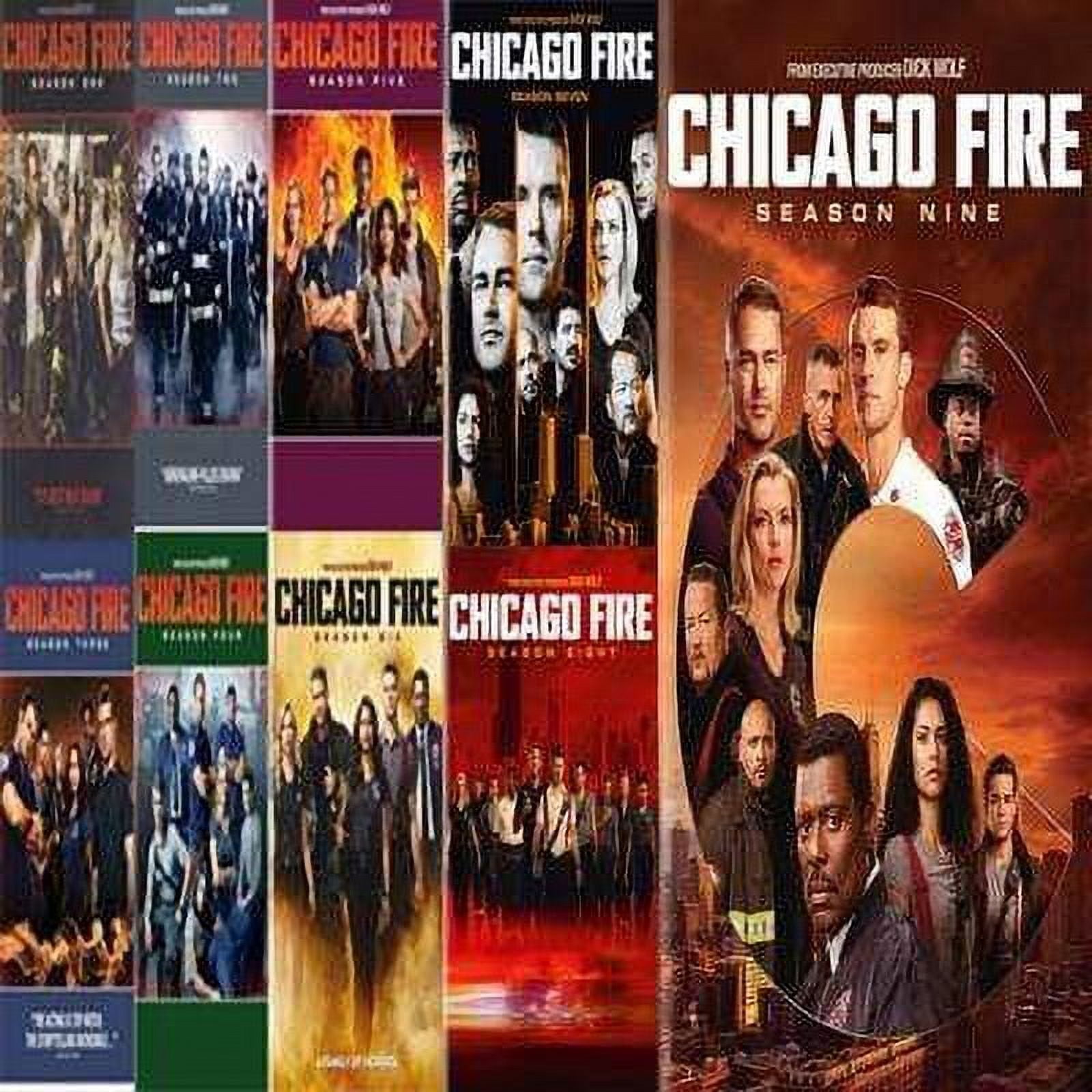
For fans of gripping drama, heroic storytelling, and the vibrant backdrop of a quintessential American city, the question “How many Chicago Fire seasons are there?” is a frequent one. As of its latest renewal, the beloved NBC series, part of Dick Wolf’s incredibly successful One Chicago franchise, currently boasts 12 seasons. This impressive run not only speaks to its enduring popularity but also to the timeless appeal of its setting: the dynamic metropolis of Chicago, Illinois, in the United States.
While the show centers on the professional and personal lives of firefighters and paramedics at Firehouse 51, its narrative is deeply interwoven with the city itself. For many viewers, Chicago Fire isn’t just a TV show; it’s an immersive experience that highlights the spirit, architecture, and distinct neighborhoods of the Windy City. This article delves into the show’s longevity, its impact on Chicago tourism, and how fans can transform their appreciation for the series into an unforgettable travel experience, exploring the real-life landmarks and embracing the unique Chicago lifestyle that brings the drama to life.
Beyond the Screen: Chicago Fire‘s Enduring Legacy and Filming Locations
The success of Chicago Fire and its sister shows (Chicago P.D., Chicago Med, and previously Chicago Justice) has created a television empire that extends far beyond entertainment. It has subtly but effectively positioned Chicago as a character in itself, drawing millions of eyes to its iconic skyline, bustling streets, and the everyday heroism that happens within its limits.
The Show’s Longevity and Cultural Impact
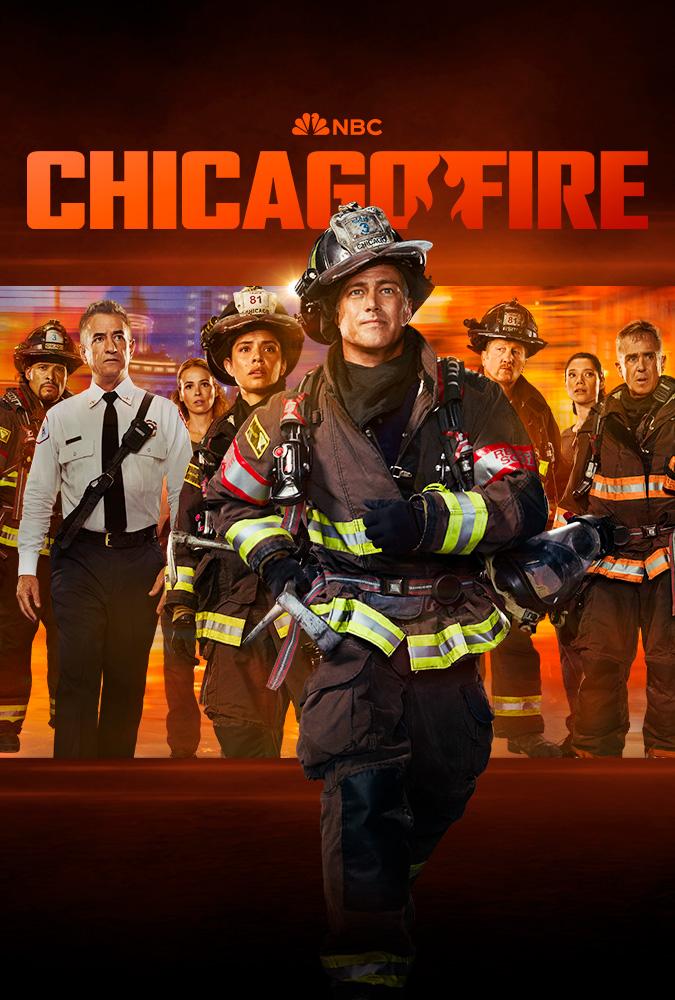
With 12 seasons under its belt, Chicago Fire has achieved a remarkable feat in today’s competitive television landscape. Premiering in 2012, it quickly captured audiences with its blend of high-octane rescue missions, intricate character development, and emotional depth. The show’s longevity can be attributed not only to its compelling storylines but also to its authenticity, often drawing inspiration from real-life emergency services and their experiences. The cast and crew have frequently expressed their gratitude for the cooperation of the Chicago Fire Department, which lends an air of credibility to the portrayal of the city’s brave first responders. This commitment to realism, coupled with heartfelt narratives, has fostered a dedicated global fanbase, many of whom dream of experiencing the city where their favorite heroes operate. The series has become synonymous with the city, contributing significantly to its contemporary cultural identity and even influencing perceptions of emergency services in urban environments across the United States.
Real-Life Chicago as a Star
One of the most compelling aspects of Chicago Fire is its heavy reliance on actual Chicago locations for filming. Unlike many productions that rely on soundstages and generic backdrops, Chicago Fire embraces the city’s stunning architecture, diverse neighborhoods, and unique urban fabric. From the majestic skyscrapers of the Loop to the historic charm of residential areas, the city provides an ever-changing and visually striking canvas for the show’s action. Viewers often feel a personal connection to the city as they recognize bridges spanning the Chicago River, familiar streetscapes, and the distinctive silhouette of the skyline. This authentic visual storytelling not only grounds the series in reality but also acts as an extended advertisement for Chicago as a world-class travel destination. It invites viewers to step out of their living rooms and into the very scenes they’ve watched unfold on screen, creating a unique form of fan tourism centered around exploring a fictional world within a very real and accessible city.
A Fan’s Guide to Exploring Chicago Fire‘s Iconic Landmarks
For dedicated fans, visiting Chicago offers a unique opportunity to walk in the footsteps of their beloved characters and see the iconic locations that define the show. This isn’t just about sightseeing; it’s about connecting with the heart and soul of the series on a deeper, more tangible level.
Visiting Firehouse 51: Engine Company 18
The most iconic and frequently visited location for Chicago Fire fans is undoubtedly Firehouse 51, the fictional home of Truck 81, Engine 51, Squad 3, Ambulance 61, and Battalion 25. In reality, this is the working fire station for Engine Company 18 and Ambulance 61 of the Chicago Fire Department, located in the Near West Side neighborhood at 1360 S. Blue Island Avenue.
While it is a popular spot for photos, it’s crucial for visitors to remember that this is a fully operational fire station. Firefighters and paramedics are on active duty, ready to respond to emergencies at a moment’s notice. Fans are encouraged to be respectful, keep a safe distance, and avoid disrupting their important work. While tours are not regularly offered due to operational demands, standing outside and admiring the historic architecture and knowing the real heroes within are often enough to thrill a true fan. Occasionally, when the crews are not busy, they might wave or briefly interact with visitors, but this should never be expected or demanded. The exterior, with its iconic red doors and classic brick façade, is instantly recognizable and provides a powerful link between the fictional world of the show and the brave reality of Chicago’s first responders.
Beyond the Firehouse: Other Recognizable Spots

Chicago Fire has utilized countless real-life locations across Chicago, turning the entire city into a potential filming set. A self-guided tour could easily include:
- Michigan Avenue and the Magnificent Mile: Many dramatic car chases, emergency responses, and establishing shots feature these grand boulevards with their impressive architecture and luxury shops. Walking along the Magnificent Mile gives a sense of the city’s upscale side, often contrasted with the grittier emergency scenes.
- Chicago River Bridges: The numerous drawbridges crossing the Chicago River are frequently featured, especially in scenes involving traffic or dramatic escapes. A boat tour on the Chicago River offers a fantastic perspective on these engineering marvels and the surrounding skyline, much of which you’ll have seen in the show.
- Millennium Park and Grant Park: These expansive public spaces, home to iconic landmarks like Cloud Gate (the “Bean”) and the Buckingham Fountain, often serve as backdrops for crowd scenes, character interactions, or as establishing shots of the city’s vibrant public life.
- The Loop and River North Architecture: The dense concentration of skyscrapers and historic buildings in these central districts provides a dramatic urban environment for many emergency calls. Fans can simply wander through these areas, looking up to appreciate the stunning architecture that forms the backdrop for much of the series’ action.
- Navy Pier: While perhaps less frequently featured in direct emergency scenarios, Navy Pier and its iconic Ferris wheel have appeared in establishing shots, offering panoramic views of Lake Michigan and the city. It represents a different, more recreational side of Chicago that characters might enjoy during their rare downtime.
Exploring these locations allows fans to connect the fictional world of Chicago Fire with the very real, tangible beauty and energy of Chicago, creating a unique itinerary that blends television fandom with authentic urban exploration.
Planning Your Chicago Fire-Inspired Trip: Travel, Accommodation, and Local Culture
Transforming your admiration for Chicago Fire into a full-fledged travel experience requires thoughtful planning. Beyond the filming locations, Chicago offers a wealth of attractions, culinary delights, and cultural experiences that will enrich any visit.
Curating Your Chicago Experience
When planning a trip to Chicago with a Chicago Fire theme, consider the best time to visit. Spring and fall offer pleasant weather, ideal for walking and outdoor exploration, while summer brings festivals and vibrant street life, though it can be quite hot. Winter, while cold, offers a festive atmosphere and fewer crowds for indoor attractions. Beyond the show’s landmarks, integrate general Chicago tourism highlights into your itinerary.
You might start your day with a visit to the Art Institute of Chicago, home to masterpieces from across centuries, followed by an architectural boat tour on the Chicago River, which offers unparalleled views of the city’s celebrated skyline. Include time to explore Millennium Park and capture a selfie with Cloud Gate. For those interested in marine life, the Shedd Aquarium is a must-see, while history buffs will appreciate the extensive collections at the Field Museum. Sports enthusiasts might catch a game at Wrigleyville or the United Center, depending on the season. Remember to wear comfortable shoes, as much of the city is best explored on foot, allowing you to absorb the atmosphere and stumble upon unexpected gems, just as the characters of Chicago Fire often navigate the city’s complex urban fabric.
Where to Stay: Hotels and Accommodation in the Windy City
Chicago offers an incredible array of hotels and accommodation options, catering to every budget and style. Choosing where to stay can significantly enhance your travel experience, especially if you want to be close to the iconic locations seen in Chicago Fire or other major attractions.
For a luxurious experience, consider hotels along the Magnificent Mile or in River North. The Four Seasons Hotel Chicago offers unparalleled service and stunning city views, epitomizing upscale travel. Similarly, The Langham Chicago, housed in a Mies van der Rohe-designed building, provides a sophisticated retreat. The Peninsula Chicago and the Waldorf Astoria Chicago also offer world-class amenities and prime locations, putting you in the heart of Chicago’s most vibrant districts.
If you’re looking for boutique hotels with unique character, areas like Fulton Market and the West Loop are burgeoning with trendy options, offering a blend of modern design and local charm. Hotels like the Thompson Chicago or Virgin Hotels Chicago provide a stylish and personalized stay. For those prioritizing convenience and a more business-oriented atmosphere, hotels within the Loop, such as the Kimpton Gray Hotel or the Hyatt Centric Chicago Magnificent Mile, place you steps away from major attractions, theaters, and public transport, ensuring easy access to all the city has to offer. Apartments and villas are also available for longer stays or those seeking a more home-like experience, offering kitchens and more space, which can be ideal for families or groups wanting to immerse themselves fully in the local Chicago lifestyle. Regardless of your preference, booking in advance, especially during peak seasons, is always recommended to secure the best rates and desired amenities.
Embracing Chicago’s Lifestyle and Culinary Scene
No trip to Chicago, Chicago Fire-themed or otherwise, is complete without diving into its legendary culinary scene and experiencing its unique lifestyle. The show often features characters unwinding at their beloved local bar, a reflection of Chicago’s strong neighborhood pub culture. While the fictional Molly’s Bar doesn’t have a direct real-life counterpart where the cast regularly films interior scenes, Chicago is brimming with friendly taverns and gastropubs that capture a similar spirit of community and camaraderie.
For foodies, the city is a paradise. You simply cannot visit Chicago without trying its famous deep-dish pizza. Iconic establishments like Lou Malnati’s, Giordano’s, or Gino’s East offer rich, cheesy slices that are a meal in themselves. Another essential Chicago delicacy is the Chicago-style hot dog, an all-beef frankfurter served on a poppy seed bun, “dragged through the garden” with a specific set of toppings including yellow mustard, chopped white onions, bright green sweet pickle relish, a dill pickle spear, tomato slices or wedges, pickled sport peppers, and a dash of celery salt – crucially, no ketchup. Portillo’s is a local favorite for this, along with its equally famous Italian beef sandwiches.
Beyond the classics, Chicago boasts a world-class dining scene, from Michelin-starred restaurants to diverse ethnic eateries in neighborhoods like Pilsen and Argyle Street. The city’s entertainment scene is equally vibrant, with a storied history in Blues and Jazz music. Catch a live performance at legendary venues like Kingston Mines or the Green Mill Cocktail Lounge for an authentic taste of Chicago’s soulful nightlife. This blend of delicious food, rich cultural experiences, and the palpable energy of a city that constantly reinvents itself is what truly captures the essence portrayed in Chicago Fire, making any visit a truly unforgettable journey into the heart of a resilient and captivating metropolis.
The enduring success of Chicago Fire over 12 seasons is a testament to its powerful storytelling and its profound connection to the city it calls home. For fans, this deep relationship offers an incredible opportunity to experience Chicago not just as a tourist, but as someone connecting with the narrative fabric of a beloved show. From visiting the real-life firehouse that inspires Firehouse 51 to exploring the architectural wonders and culinary delights, a trip to Chicago becomes an immersive adventure, blurring the lines between fiction and the captivating reality of the Windy City. So, pack your bags and prepare to experience the heroism, heart, and vibrant life that have made Chicago Fire a television phenomenon and Chicago an unforgettable destination.
LifeOutOfTheBox is a participant in the Amazon Services LLC Associates Program, an affiliate advertising program designed to provide a means for sites to earn advertising fees by advertising and linking to Amazon.com. Amazon, the Amazon logo, AmazonSupply, and the AmazonSupply logo are trademarks of Amazon.com, Inc. or its affiliates. As an Amazon Associate we earn affiliate commissions from qualifying purchases.