
For over a decade, Chicago Fire has captured the hearts of millions, not just with its gripping storylines and brave characters but also with its vibrant depiction of the city of Chicago itself. As fans eagerly anticipate Season 13, a common question emerges: “How many episodes will this new season bring?” While the precise episode count can sometimes fluctuate due to production schedules or industry events, the allure of Chicago Fire extends far beyond its episode numbers. It serves as a compelling gateway, inviting viewers to explore the rich culture, iconic landmarks, and dynamic lifestyle of the Windy City that forms the very backdrop of this beloved series.
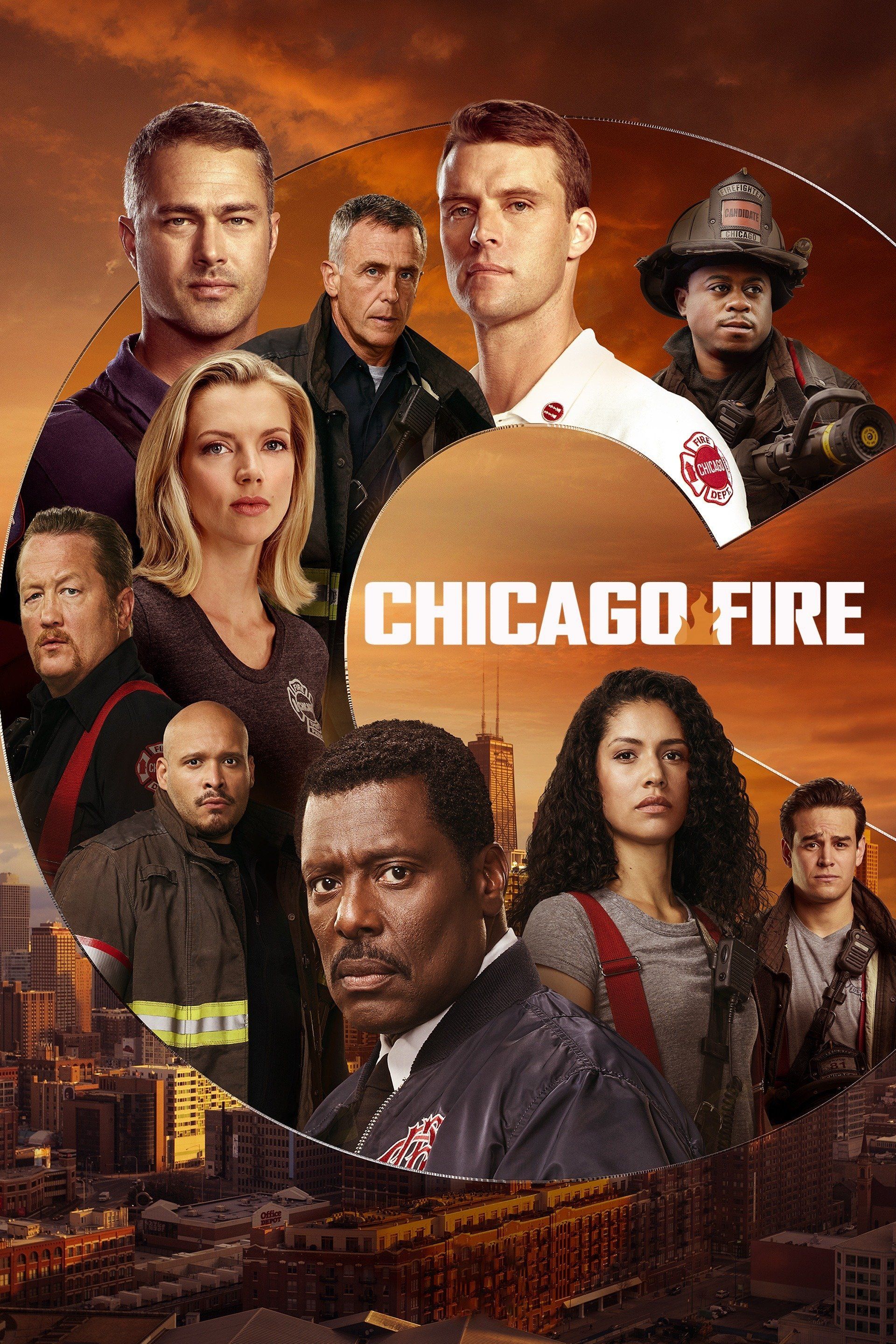
This article delves into the anticipated details of Season 13’s length, while simultaneously embarking on a comprehensive journey through Chicago for both avid fans and prospective travelers. From understanding the typical rhythm of television production to discovering the real-world locations that inspire the show, and ultimately planning an unforgettable visit, we’ll uncover how Chicago Fire can be your unexpected guide to one of America’s most captivating urban destinations. Prepare to explore how the drama on screen can translate into an exhilarating travel experience, revealing why Chicago is more than just a setting—it’s a character in its own right, waiting to be discovered.
Delving into Chicago Fire Season 13: More Than Just Episodes
The longevity of Chicago Fire is a testament to its compelling narrative and the strong connection audiences feel with Firehouse 51’s dedicated crew. Each season brings new challenges, heart-wrenching rescues, and character developments that keep viewers glued to their screens. As we look ahead to Season 13, the question of episode count is significant, as it often dictates the pace and scope of the season’s overarching plots.
The Anticipated Episode Count and Release Schedule
Historically, a full season of Chicago Fire, much like its sister shows Chicago P.D. and Chicago Med, has typically comprised between 22 to 24 episodes. This allows for a robust season arc, several standalone storylines, and ample time for character exploration. However, recent years have seen some deviations. For instance, Season 12 was significantly shorter, featuring only 13 episodes due to the impact of Hollywood’s dual writers’ and actors’ strikes.
For Season 13, the expectation among fans and industry insiders is a return to a more traditional episode count. Barring any unforeseen production delays, it is highly anticipated that Chicago Fire will deliver approximately 22 episodes. This number would allow the series to fully explore the aftermath of Season 12’s cliffhangers, introduce new characters and storylines, and maintain its customary pace of thrilling action and emotional depth. The show typically premieres in late September or early October, following the traditional Fall television schedule in the United States. Fans can usually expect weekly episodes, with a mid-season hiatus around the holidays, resuming in early spring.
The Authentic Charm of Chicago as a Character
Beyond the episode count and plot twists, a fundamental reason for Chicago Fire‘s enduring appeal is the city of Chicago itself. The show isn’t merely set in Chicago; it actively incorporates the city’s unique architecture, diverse neighborhoods, and resilient spirit into its narrative fabric. Chicago is far from a generic backdrop; it is a living, breathing character, influencing the atmosphere and authenticity of every scene.
From the iconic skyline shots that open each episode to the specific bridges and river views that frame critical moments, the city’s presence is undeniable. The series often highlights the hardworking, community-oriented nature of Chicagoans, mirroring the dedication of the city’s real-life first responders. Viewers get glimpses into various aspects of Chicago life, from bustling downtown streets to quieter residential areas, all contributing to the show’s realistic feel. This immersive depiction not only enriches the viewing experience but also subtly promotes Chicago as a destination, sparking curiosity about its history, culture, and the everyday lives of its inhabitants. It’s a prime example of how popular media can inadvertently fuel tourism, transforming a fictional setting into a desirable travel experience.
Experiencing Chicago Through the Lens of Firehouse 51
For many fans, the stories unfolding in Chicago Fire create a deep desire to experience the city firsthand. The show provides a unique lens through which to view Chicago, offering a blend of dramatic urban landscapes and intimate community settings. Venturing into the city with Chicago Fire in mind can transform a typical sightseeing trip into an immersive journey, allowing you to walk in the footsteps of your favorite characters and discover the real places that inspire the show.
Iconic Landmarks and Filming Locations
One of the most exciting aspects for a fan visiting Chicago is the opportunity to see the real-world inspirations and actual filming locations. The exterior shots of Firehouse 51 are famously filmed at Engine 18/Ladder 27 fire station located at 1360 S. Blue Island Ave in the Near West Side neighborhood. While interior scenes are shot on a soundstage, the exterior remains an accessible landmark for fans, often featuring show memorabilia. It’s a quintessential pilgrimage for anyone who has followed the series.
Beyond the firehouse, Chicago is home to countless recognizable landmarks that frequently grace the show’s establishing shots or serve as backdrops for dramatic rescues. The majestic Willis Tower (formerly Sears Tower), with its sky-high observation deck, offers unparalleled panoramic views of the city that mirror the sweeping aerial shots seen in the series. Millennium Park, home to the iconic Cloud Gate sculpture (affectionately known as “The Bean”), is a vibrant public space that showcases Chicago’s artistic side and often features in scenes depicting urban leisure.
The Magnificent Mile, a stretch of North Michigan Avenue, is renowned for its upscale shops, luxury hotels, and historic buildings, frequently appearing as a bustling urban thoroughfare. A boat tour on the Chicago River is also a must-do, providing unique perspectives of the city’s architectural marvels, many of which are visible in various episodes. These tours offer insights into the buildings’ history and design, giving context to the impressive urban environment depicted in Chicago Fire. Exploring these sites isn’t just about ticking off tourist boxes; it’s about connecting with the show on a tangible level, making the fictional world feel incredibly real.

Immersing in Chicago’s Rich Culture and Lifestyle
The lifestyle depicted in Chicago Fire often highlights a strong sense of community, resilience, and a love for local traditions. Visitors can immerse themselves in this unique Chicagoan spirit by indulging in the city’s world-famous culinary scene. No trip to Chicago is complete without trying its legendary deep-dish pizza from establishments like Lou Malnati’s or Giordano’s, or savoring an authentic Chicago-style hot dog from Portillo’s, often seen as casual dining staples for the show’s characters. These culinary experiences are more than just meals; they are a taste of local tradition and communal gatherings.
Chicago also boasts a rich cultural tapestry. The city is a birthplace of electric blues and a vibrant jazz hub. Visiting legendary clubs in neighborhoods like Bronzeville or Uptown can transport you to the heart of Chicago’s musical heritage, offering a glimpse into the soulful nights depicted in occasional character outings. The city’s museum campus, featuring world-class institutions like the Art Institute of Chicago, the Field Museum, and the Shedd Aquarium, provides enriching experiences for all ages, reflecting the diverse intellectual and artistic pursuits available to Chicagoans.
Sports culture is another defining aspect of Chicago life, passionately depicted through the city’s teams. Catching a Cubs game at historic Wrigley Field or a White Sox game at Guaranteed Rate Field offers a quintessential Chicago experience, full of camaraderie and local pride—a lifestyle often subtly mirrored in the teamwork and loyalty displayed by the Chicago Fire crew. Embracing these local activities allows travelers to move beyond surface-level tourism and truly live the Chicagoan lifestyle that the show so effectively portrays.
Planning Your Chicago Getaway: Accommodation and Travel Tips
After being inspired by the vivid portrayal of Chicago in Chicago Fire, the next logical step is to plan your visit. A successful trip hinges on thoughtful preparation, from selecting the perfect place to stay to understanding how to navigate this sprawling metropolis. Whether you’re seeking luxury, a budget-friendly option, or a unique experience, Chicago offers a diverse range of accommodations and transport options to suit every traveler.
Where to Stay: Hotels, Suites, and Unique Accommodations
Chicago boasts an extensive array of accommodation options, ensuring there’s something for every preference and budget. For those seeking a luxurious experience, the city is home to several world-renowned hotels that offer unparalleled amenities and service. Consider iconic establishments such as The Langham Chicago, known for its elegant design and prime location overlooking the Chicago River, or The Peninsula Chicago on the Magnificent Mile, offering exquisite dining and a tranquil urban oasis. These luxury resorts and hotels often provide suites with breathtaking skyline views, perfect for a special occasion or a lavish escape.
Boutique hotels are also plentiful, offering a more personalized and often trendy experience. The Thompson Chicago in Gold Coast provides a chic, modern stay, while Hotel Zachary, directly across from Wrigley Field, is ideal for sports enthusiasts looking to immerse themselves in the Wrigleyville atmosphere. For budget-conscious travelers, numerous mid-range and affordable hotels are available, particularly in the Loop and River North areas, offering comfortable stays without breaking the bank.
For longer stays or those desiring a more authentic local experience, vacation rentals such as apartments and villas through platforms like Airbnb or VRBO are excellent choices. These options allow travelers to cook their own meals, experience different neighborhoods, and enjoy amenities like multiple bedrooms, making them ideal for families or groups. Popular neighborhoods for accommodations include:
- The Loop: Central, close to major attractions, business district feel.
- River North: Lively, great for nightlife, dining, and art galleries.
- Magnificent Mile / Gold Coast: Upscale, shopping, and luxury hotels.
- Lincoln Park: Residential, charming, access to the park and zoo, a more local vibe.
- Fulton Market District: Trendy, known for its vibrant food scene and boutique hotels.
Choosing the right accommodation depends on your travel style and what you hope to experience in Chicago. Many hotels offer packages that include local attractions or dining experiences, adding value to your stay.
Navigating the City: Tips for Tourists
Getting around Chicago is relatively straightforward thanks to its efficient public transportation system and walkable downtown.
- Public Transportation: The Chicago Transit Authority (CTA) operates an extensive network of ‘L’ trains (elevated and subway lines) and buses, making it easy to reach most major attractions and neighborhoods. Purchasing a Ventra Card is recommended for seamless travel. The ‘L’ train system, with its distinctive elevated tracks, is an experience in itself, offering unique views of the city as you travel.
- Walking Tours & Boat Tours: Chicago is a fantastic city for walking, especially downtown and along the waterfront. Consider joining an architectural walking tour or, as mentioned, a Chicago River boat tour to truly appreciate the city’s impressive buildings and history.
- Best Time to Visit: The late spring (May-June) and early fall (September-October) offer pleasant weather, fewer crowds than peak summer, and a full calendar of events and festivals. Summers are vibrant and packed with outdoor activities but can be hot and humid. Winters are notoriously cold and snowy but can be magical with holiday lights and ice skating.
- Local Tips: Always be aware of your surroundings, especially in crowded tourist areas. While Chicago is generally safe for tourists, common sense precautions are always advisable. Don’t be afraid to ask locals for recommendations; Chicagoans are often proud of their city and happy to share their favorite spots. For Chicago Fire fans, seeking out local firehouses or engaging with local first responders (respectfully, of course) can offer unique insights into the real-life heroes that inspire the show. Many firehouses have small museums or memorials that honor their history.
By planning your accommodation carefully and utilizing Chicago’s excellent transport infrastructure, you can design a travel experience that beautifully complements your appreciation for Chicago Fire, turning a TV show fascination into a rich and unforgettable journey.

The Enduring Legacy of Chicago Fire and Its Urban Muse
Chicago Fire has consistently delivered high-stakes drama and compelling character arcs for over a decade, and Season 13 promises to continue this tradition, likely with a full complement of around 22 episodes. Yet, the show’s true enduring legacy extends beyond its narrative structure or the fate of its beloved characters. It lies in its powerful role as an ambassador for the city of Chicago itself.
By immersing viewers in the daily lives of firefighters and paramedics, the series showcases the resilience, community spirit, and vibrant energy that define the Windy City. It highlights not only the famous landmarks but also the everyday charm of its neighborhoods, the warmth of its people, and the authentic experiences that make Chicago a truly special place.
For fans, Chicago Fire offers more than just entertainment; it provides a unique blueprint for an unforgettable travel adventure. It inspires viewers to visit the real firehouses, walk the bustling streets, savor the iconic cuisine, and soak in the rich cultural tapestry that is uniquely Chicagoan. Whether you are drawn by the gripping narratives of Firehouse 51 or simply by the allure of a dynamic American city, Chicago stands ready to welcome you. So, as you settle in for Season 13, let the drama on screen fuel your wanderlust, transforming your armchair travel into a tangible journey to the heart of this incredible urban muse.
LifeOutOfTheBox is a participant in the Amazon Services LLC Associates Program, an affiliate advertising program designed to provide a means for sites to earn advertising fees by advertising and linking to Amazon.com. Amazon, the Amazon logo, AmazonSupply, and the AmazonSupply logo are trademarks of Amazon.com, Inc. or its affiliates. As an Amazon Associate we earn affiliate commissions from qualifying purchases.