
Chicago, the vibrant metropolis nestled along the shores of Lake Michigan in the heart of the Midwest United States, is renowned for its iconic architecture, world-class museums, deep-dish pizza, and a distinct, four-season climate. When considering a visit, especially during the colder months, a common question arises: “How much snow does Chicago actually get?” The answer is, quite a bit, but it’s also part of the city’s unique charm, transforming its urban landscape into a picturesque winter wonderland. For travelers looking to experience the full spectrum of Chicago’s appeal, understanding its snowy season is key to planning an unforgettable trip, from choosing the right accommodation to embracing the festive atmosphere.
Understanding Chicago’s Winter Climate: A Deep Dive into Snowfall
Chicago’s location in the Midwest, combined with the influence of Lake Michigan, creates a climate characterized by cold winters and significant snowfall. While the exact amount varies year to year, a general understanding of the city’s snowy tendencies is crucial for any potential visitor or resident.
The Annual Snowfall Average
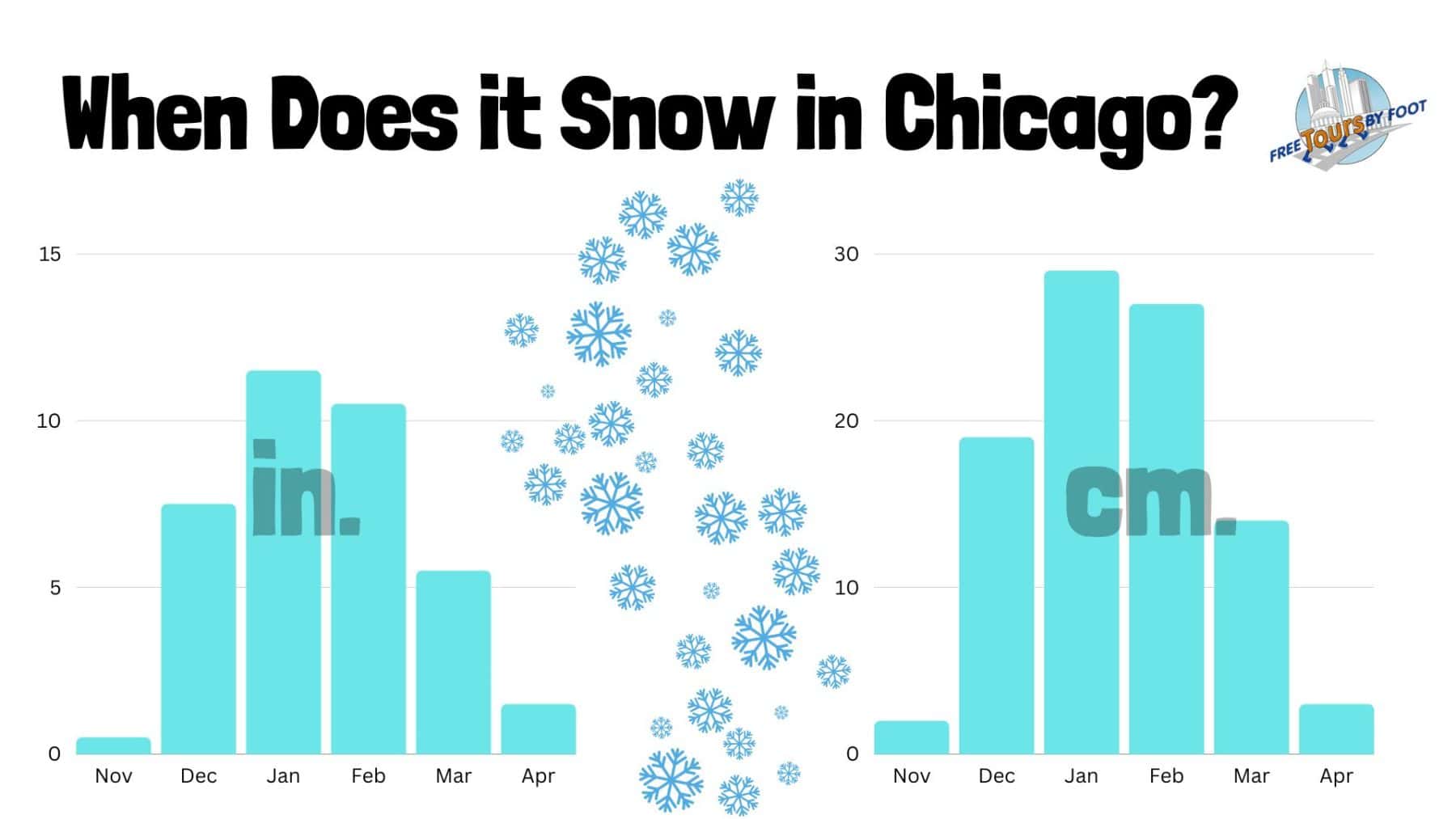
On average, Chicago receives approximately 38 inches (about 96.5 centimeters) of snow annually. This average, however, can be deceiving. Some years might see less than 20 inches, while others can experience well over 60 inches, painting the city in a thick, pristine white blanket. The fluctuating nature of snowfall is a hallmark of Chicago’s weather, influenced by factors like the Polar Vortex and lake-effect snow.
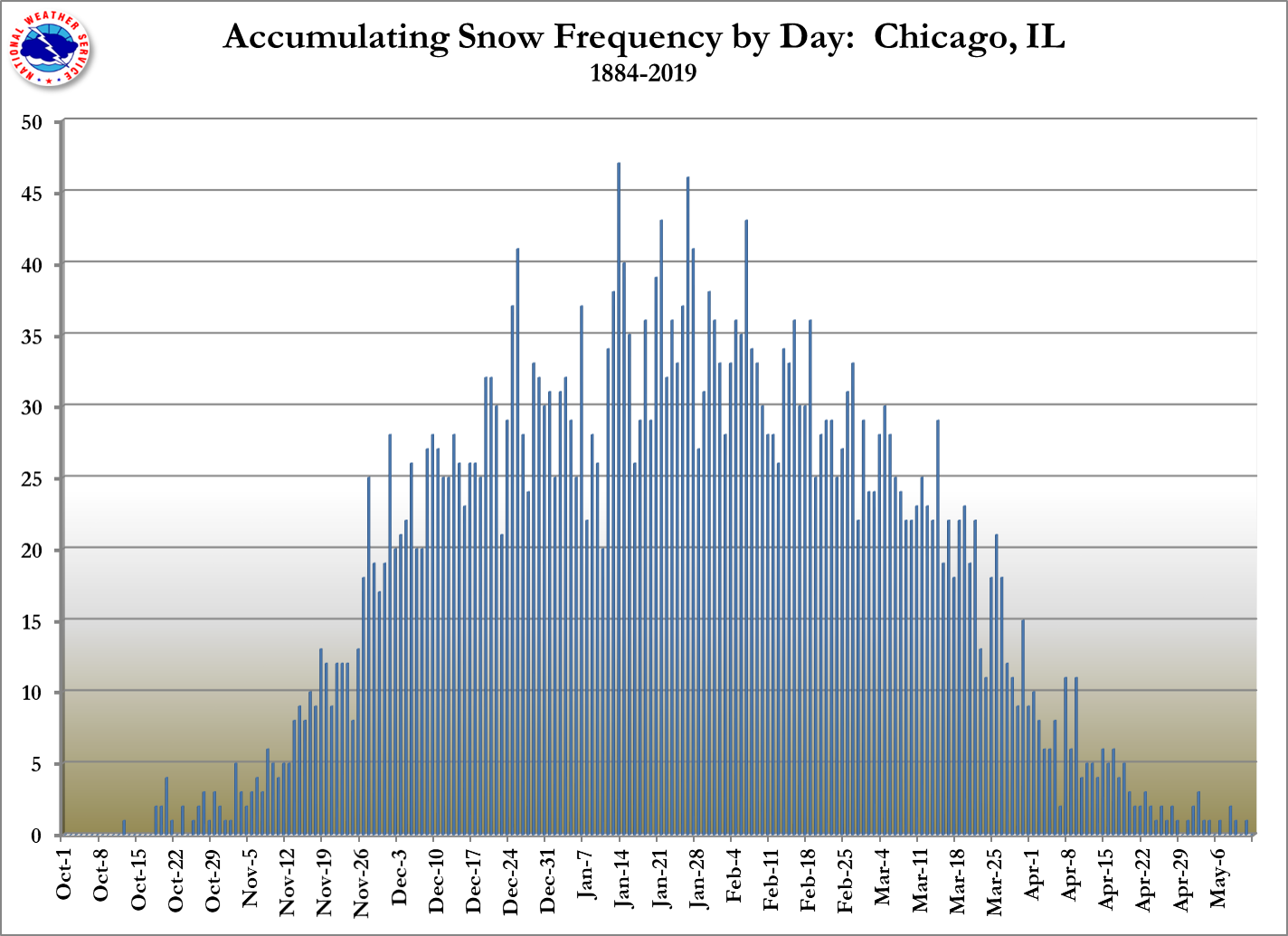
The first significant snowfall typically occurs in late November or early December, signaling the official start of winter. The snowiest months are usually January and February, when cold air masses from Canada frequently sweep across the region. March can still bring substantial snow, although it’s often wetter and signals the transition towards spring. By April, consistent snowfall is rare, giving way to the warmer temperatures of the burgeoning spring season.
Monthly Breakdown of Snow
To give you a clearer picture, here’s an approximate monthly breakdown of Chicago’s average snowfall:
- October: Trace amounts (very rare, usually light flurries).
- November: 2-4 inches (5-10 cm). Often the first measurable snow, setting the scene for holiday festivities.
- December: 8-10 inches (20-25 cm). A festive month, often with a white Christmas feel.
- January: 10-12 inches (25-30 cm). Typically the coldest and snowiest month.
- February: 8-10 inches (20-25 cm). Still very snowy, with potential for heavy storms.
- March: 4-6 inches (10-15 cm). Can vary greatly; some years see significant late-season storms, others very little.
- April: Trace amounts to 1 inch (2.5 cm). Snow is usually fleeting and quickly melts.
This distribution highlights that the peak snow season for Chicago travelers runs from December through March. During these months, visitors should be prepared for cold temperatures, icy conditions, and the potential for heavy snowfall that can impact travel plans.
Record-Breaking Snowfall Events
Chicago has certainly seen its share of memorable, record-breaking snow events. These historic blizzards are a testament to the city’s resilience and its deep connection to its winter identity. The most famous include:
- The Blizzard of 1967: A monumental storm that dumped 23 inches (58 cm) of snow in a single event, paralyzing the city for days.
- The Blizzard of 1979: Another severe event, bringing over 20 inches (51 cm) and contributing to significant civic challenges.
- The Groundhog Day Blizzard of 2011: This modern classic saw more than 20 inches (51 cm) blanket the city, turning Lake Shore Drive into a stranded car park, a truly dramatic scene for those who witnessed it.
These events, while disruptive, are also etched into the city’s folklore, showcasing the community spirit and the dramatic beauty that heavy snowfall can bring. While such extreme events are not an annual occurrence, they serve as a reminder of the power of Chicago’s winters and underscore the importance of preparation for winter travel.
Navigating Snowy Chicago: Travel and Tourism Tips
For visitors, the prospect of snow in Chicago can be both exciting and daunting. While a fresh snowfall can transform the city into a postcard-perfect scene, it also requires practical considerations for travel, accommodation, and general exploration. Chicago is exceptionally well-equipped to handle snow, with robust infrastructure and efficient city services, but being prepared will enhance your experience.
Transportation in the Snow
Getting around Chicago during a snowy period is typically manageable, thanks to the city’s extensive public transportation network.
- Public Transit: The CTA (Chicago Transit Authority) ‘L’ train system is largely unaffected by snow, as most of its tracks are elevated or underground. Buses can experience delays due to road conditions, but they continue to operate. Purchasing a Ventra card for easy tap-and-go access is highly recommended.
- Airports: O’Hare International Airport and Midway International Airport are major hubs and are adept at managing snow. However, heavy snowfall or blizzards can lead to flight delays or cancellations. Always check your flight status before heading to the airport.
- Driving: Renting a car in Chicago during winter is generally not advised for tourists, especially those unfamiliar with driving in snow. Parking can be challenging, and navigating snow-covered streets requires experience. Ridesharing services and taxis are available but may experience surge pricing and longer wait times during peak snow events.
- Walking: Be prepared for icy sidewalks and slush. Good waterproof boots with excellent traction are essential. The city does a good job of clearing main pedestrian areas, but side streets can be trickier.
Accommodation Choices for Winter Travelers
Selecting the right accommodation is key to a comfortable winter trip. Chicago boasts a phenomenal array of hotels, from luxurious resorts to cozy boutique stays and practical apartments, catering to every lifestyle and budget. When snow is a factor, consider amenities that enhance a cold-weather stay:
- Location: Hotels in the Loop, Magnificent Mile, or River North neighborhoods offer excellent access to public transportation, indoor attractions, and dining, minimizing your time exposed to the cold.
- Indoor Amenities: Look for hotels with heated indoor pools, spas, fitness centers, and excellent on-site dining options. These provide welcome retreats after a day of exploring. Hotels like The Langham Chicago or Peninsula Chicago offer opulent experiences with all the comforts. For those seeking modern luxury, Park Hyatt Chicago or Thompson Chicago provide sophisticated havens.
- Connectivity: Some hotels offer direct access to underground pedestrian tunnels or are located very close to ‘L’ stations, which can be a significant advantage on a blustery day.
- Long-term Stays: For those considering an extended visit, serviced apartments in areas like the West Loop or Gold Coast offer home-like comforts, often with fully equipped kitchens, perfect for weathering a snowy spell. Remember to compare booking options and read reviews to ensure the amenities meet your winter needs.
Embracing the Winter Wonderland: Activities and Attractions
Despite the cold and snow, Chicago remains a vibrant hub of activity in winter. In fact, many of its world-class attractions take on a special magic when dusted with snow or offer warm indoor escapes. Embracing the season means enjoying a blend of outdoor charm and indoor cultural richness, a hallmark of Chicago’s tourism appeal.
Iconic Chicago Sights in Winter
Seeing Chicago’s famous landmarks covered in snow is an experience in itself.
- Millennium Park: The iconic Cloud Gate, affectionately known as “The Bean,” gleams even more spectacularly against a snowy backdrop. The park also hosts a popular ice-skating rink, offering a quintessential winter activity.
- Magnificent Mile: Shopping along this famous stretch of North Michigan Avenue is transformed, especially during the holiday season when festive lights illuminate the snow-dusted streets.
- Observation Decks: For breathtaking panoramic views of a snow-covered city and Lake Michigan, visit the Skydeck at Willis Tower (formerly Sears Tower) or 360 Chicago at the former John Hancock Center.
- Grant Park: Known as “Chicago’s front yard,” it offers stunning vistas of the frozen lake and the city skyline, especially beautiful after a fresh snowfall.
- Navy Pier: While some outdoor attractions might be closed, the indoor areas of Navy Pier remain vibrant, and a stroll along the pier offers unique views of the frozen lake.
Festive Events and Activities
Winter brings a host of special events that celebrate the season, making Chicago a fantastic destination for holiday and early-year travel.
- Christkindlmarket: From late November through Christmas Eve, this authentic German outdoor market transforms Daley Plaza (and other locations) into a festive village, complete with hot spiced wine, traditional crafts, and delicious treats. It’s a truly magical experience.
- Holiday Lights: The city goes all out with holiday decorations. Lincoln Park ZooLights at the Lincoln Park Zoo is a free, dazzling display of millions of lights.
- Ice Skating: Beyond Millennium Park, other rinks pop up across the city, offering a fun way to enjoy the crisp winter air.
- New Year’s Eve Celebrations: Chicago hosts spectacular fireworks displays and events to ring in the New Year.
Dining and Indoor Attractions
When the temperatures drop, Chicago’s world-class indoor attractions provide warmth and endless entertainment, perfect for family trips, business stays, or solo exploration.
- Museums: The city’s museum campus is unparalleled. Immerse yourself in art at the Art Institute of Chicago, explore science at the Museum of Science and Industry, delve into natural history at the Field Museum, or marvel at marine life at the Shedd Aquarium. These institutions are perfect for spending entire snowy days.
- Theater and Live Music: Chicago’s theater scene is legendary, offering Broadway in Chicago productions, improv comedy at The Second City, and vibrant live music venues, especially in areas like Wrigleyville or River North.
- Culinary Delights: Winter is the perfect excuse to indulge in Chicago’s famous comfort food. Savor a hearty deep-dish pizza, enjoy a gourmet meal in a Michelin-starred restaurant, or warm up with a craft cocktail in a cozy speakeasy. The city’s diverse culinary landscape ensures there’s always something delicious to discover, from budget-friendly eats to luxury dining experiences.
Planning Your Snowy Chicago Getaway: Lifestyle and Practicalities
A winter trip to Chicago isn’t just about the snow; it’s about embracing a unique lifestyle experience. Whether you’re a luxury traveler or on a budget, a family or a business traveler, proper planning ensures maximum enjoyment and minimal discomfort.
What to Pack for a Chicago Winter
Layering is paramount when visiting Chicago in winter. The cold can be biting, especially with wind chill, but indoor spaces are often very warm.
- Outerwear: A heavy, waterproof, and windproof winter coat is non-negotiable. Look for one with insulation like down or synthetic fill.
- Layers: Thermal base layers (long johns, long-sleeved shirts), warm sweaters, and fleece jackets are essential.
- Footwear: Waterproof, insulated boots with good traction are a must for navigating snowy and icy sidewalks.
- Accessories: Don’t forget a warm hat that covers your ears, a thick scarf, and insulated gloves or mittens.
- Socks: Wool or thermal socks will keep your feet warm and dry.
Maximizing Your Winter Experience: Tips for Travelers
- Embrace the Beauty: A fresh snowfall transforms Chicago into a magical place. Don’t shy away from venturing out to see the landmarks dusted in white.
- Check Forecasts Regularly: Chicago’s weather can change quickly. Stay updated on forecasts to plan your daily activities and travel accordingly.
- Utilize Indoor Pathways: Many downtown buildings in the Loop are connected by pedways or ground-level passages, allowing you to walk considerable distances indoors.
- Stay Hydrated and Warm: Cold weather can be deceiving. Drink plenty of water and pop into cafes for hot beverages to stay warm.
- Flexibility with Travel: If you’re flying in or out during heavy snow, be prepared for potential delays or cancellations. Consider travel insurance that covers weather-related disruptions.
Ultimately, while Chicago does receive a significant amount of snow, it’s a city that doesn’t shut down in winter; rather, it adapts and thrives. The crisp air, the glistening snow, and the vibrant holiday spirit offer a unique perspective on this remarkable city. With the right preparation and a spirit of adventure, experiencing Chicago draped in its winter finery can be one of the most memorable travel experiences you’ll ever have, revealing a side of the city that is both beautiful and resilient. So, if you’re wondering how much snow Chicago gets, know that it gets enough to create an unforgettable winter adventure, perfectly blending urban exploration with the serene beauty of a snowy landscape.
LifeOutOfTheBox is a participant in the Amazon Services LLC Associates Program, an affiliate advertising program designed to provide a means for sites to earn advertising fees by advertising and linking to Amazon.com. Amazon, the Amazon logo, AmazonSupply, and the AmazonSupply logo are trademarks of Amazon.com, Inc. or its affiliates. As an Amazon Associate we earn affiliate commissions from qualifying purchases.