
In a world increasingly driven by visual content and global narratives, movies serve as powerful windows into different cultures, historical events, and stunning destinations. For many enthusiasts of travel and lifestyle, film isn’t just entertainment; it’s a source of inspiration, a virtual journey, and often, a critical lens through which to understand the very places we dream of visiting or have had the pleasure to explore. Whether you’re penning a travel blog inspired by a cinematic masterpiece set in Paris, writing an academic paper about the cultural impact of a film shot in Kyoto, or simply documenting your insights for a personal project, the need to properly cite your sources is paramount. This is where the Chicago Manual of Style (CMOS) comes into play, offering a clear and comprehensive framework for acknowledging the films that inform and enrich our understanding of the world.

While the primary focus of websites like Life Out of the Box often revolves around travel guides, hotel reviews, and tourism tips, the intersection with cultural content, including cinema, is undeniable. Films can introduce us to local cultures, inspire us to seek out specific landmarks, or even influence our choices in accommodation based on on-screen experiences. Therefore, understanding how to formally reference these cinematic works, particularly within the detailed guidelines of the Chicago style, becomes an invaluable skill. This guide will walk you through the specifics of citing movies in Chicago style, ensuring your references are impeccable, whether you’re referencing a classic Hollywood production or a modern documentary available on a streaming platform.
Understanding the Chicago Manual of Style
The Chicago Manual of Style, often referred to simply as “Chicago style” or CMOS, is one of the most widely respected and used style guides in the academic and publishing worlds, particularly within the humanities and social sciences. It offers two main documentation systems:
- Notes and Bibliography: This system is preferred in the humanities, history, and arts. It uses numbered footnotes or endnotes in the text to refer to sources, with a comprehensive bibliography at the end of the document providing full citation details. This is the system we will focus on for citing movies.
- Author-Date: This system is more common in the social sciences. It uses parenthetical in-text citations with the author’s last name and date of publication, followed by a reference list. While equally valid, it is less common for film citation than the Notes and Bibliography system, which allows for more descriptive detail in the notes.
The flexibility of Chicago style is one of its strengths, allowing for precise and detailed citations, which is particularly useful when dealing with complex media like films that involve various contributors (directors, producers, writers, studios, distributors, performers). When citing a movie, you’ll generally need to consider who directed it, who produced it, the production company, the release year, and how you accessed it (e.g., DVD, Blu-ray, streaming service). The goal is to provide enough information for your reader to easily locate the exact film you are referencing, perhaps even inspiring them to explore cinematic representations of Italy or Japan for their next trip.
Citing Movies in Notes (Footnotes/Endnotes)
In the Chicago Notes and Bibliography system, notes are your primary way to cite sources within the body of your text. A footnote appears at the bottom of the page where the reference occurs, while an endnote appears at the end of the entire document. For movies, the note entry provides a concise yet comprehensive snapshot of the film’s details.
Basic Note Entry for a Movie
A basic note for a film typically includes the film’s title, director, production company or distributor, year of release, and sometimes the format or specific access method. The format is designed to be readable and clear.
General Structure for a First Reference:
- Film Title, directed by Director’s First Name Last Name (Year; City of Production: Production Company/Distributor), Medium.
Let’s break this down with an example for a film that might inspire travel to Rome:
- Roman Holiday, directed by William Wyler (1953; Hollywood, CA: Paramount Pictures), DVD.
Subsequent References:
If you cite the same film multiple times, subsequent notes can be shortened. You typically only need the film title (or a shortened version) and, if ambiguity exists, the director’s last name.
- Roman Holiday.
If you’re discussing a specific scene or aspect of the film, you might include a timestamp if it’s relevant and accessible (e.g., from a DVD or streaming platform).
- Roman Holiday, directed by William Wyler (1953; Hollywood, CA: Paramount Pictures), DVD, 0:45:12.
Specific Scenarios for Notes
The Chicago Manual of Style provides flexibility for various scenarios, acknowledging that films come in many forms and are accessed through diverse channels.
Film Accessed via Streaming Service:
Many films are now primarily consumed through platforms like Netflix, Hulu, or Disney+. When citing these, it’s crucial to mention the streaming service, as specific versions or availability can vary.
- Lost in Translation, directed by Sofia Coppola (2003; Los Angeles, CA: Focus Features), streamed on Netflix.
Notice that the city of production and production company remain, as they are inherent to the film’s creation, followed by how it was accessed.
Documentaries or Educational Films:
Documentaries are often a rich source of information for travelers, offering deep dives into local culture, history, and nature.
When Citing a Specific Contributor (e.g., an Actor or Writer):
Sometimes your discussion focuses on the contribution of a particular individual to the film, such as an actor’s performance or a writer’s screenplay. In such cases, you can foreground their role in the citation.
- Audrey Hepburn, performance in Roman Holiday, directed by William Wyler (1953; Hollywood, CA: Paramount Pictures), DVD.
Television Series or Episodes:
While not strictly “movies,” TV series often function similarly and are cited using a comparable structure, especially when discussing travel-themed shows or limited series.
- “The Crown,” season 1, episode 1, “Wolferton Splash,” directed by Stephen Daldry (2016; London: Left Bank Pictures, Netflix), streamed on Netflix.
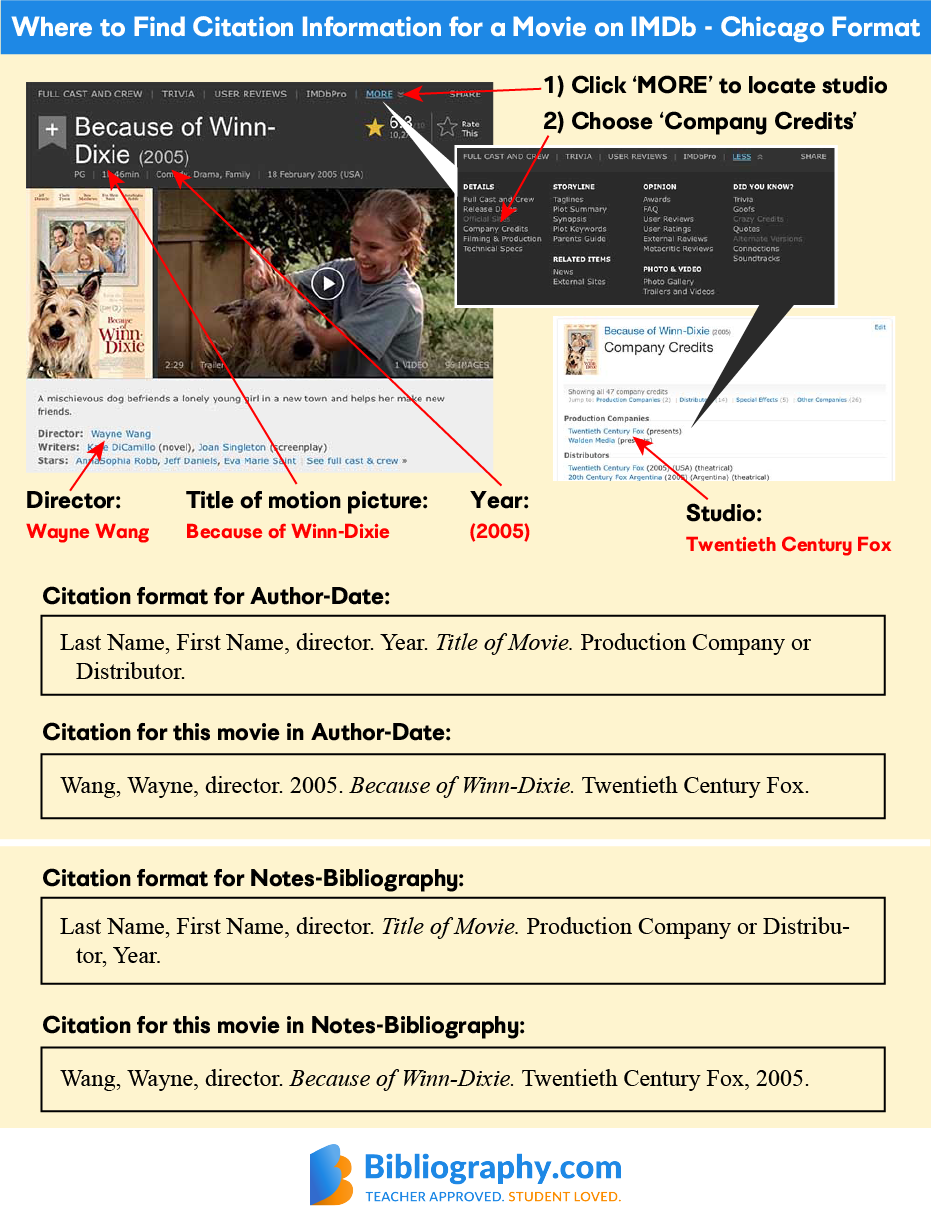
This detailed approach ensures that your readers can trace your sources precisely, whether they’re looking up a film that explores the vibrant streets of Tokyo or a historical drama set in the ancient Colosseum.
Building Your Bibliography Entry for Films
While notes provide in-text citations, the bibliography at the end of your document offers an alphabetized, comprehensive list of all sources used. For films, the bibliography entry is generally more detailed than the note, though it follows a similar logical structure. It provides all the necessary information for a reader to fully identify and potentially locate the source.
Basic Bibliographic Entry for a Movie
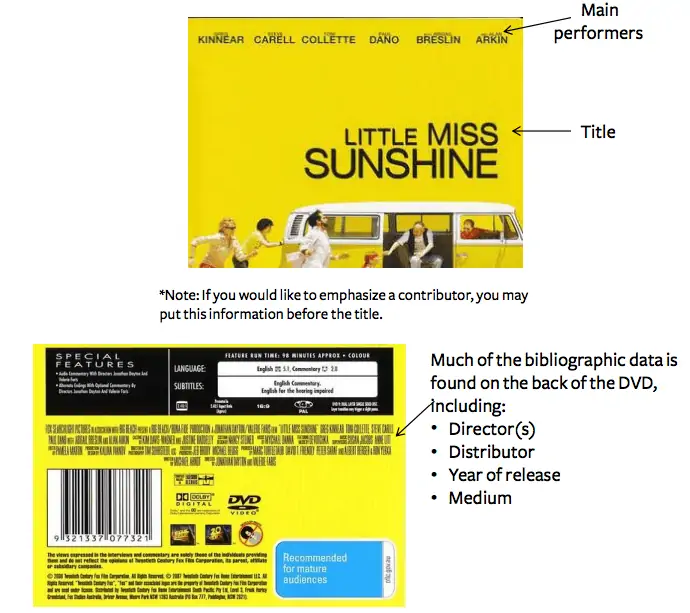
The bibliographic entry typically begins with the film title, followed by the director, production company, and year. The order of elements is slightly different from the note entry, prioritizing the title for alphabetical sorting.
General Structure for Bibliography Entry:
Film Title. Directed by First Name Last Name. City of Production: Production Company/Distributor, Year. Medium.
Example:
Roman Holiday. Directed by William Wyler. Hollywood, CA: Paramount Pictures, 1953. DVD.
Notice the key differences from the note:
- The title comes first and is not numbered.
- The director’s name is listed with the first name first (for clarity in this format, though some variations might reverse it for consistency with author names in other entries).
- No parentheses around the year.
- Punctuation changes (periods instead of commas).
Citing Streaming Services and Other Formats
Just as with notes, bibliographic entries need to reflect the specific way a film was accessed, particularly for modern formats. This is crucial for accuracy and for guiding readers to the correct version of a film, especially when considering the evolving landscape of digital media that might showcase luxury travel experiences or budget travel adventures.
Film Accessed via Streaming Service (Bibliography):
Lost in Translation. Directed by Sofia Coppola. Los Angeles, CA: Focus Features, 2003. Streamed on Netflix.
It’s also acceptable, especially for less commonly known films or if a specific URL is critical for access, to include a URL for streaming services. However, Chicago style generally discourages URLs for widely available content unless absolutely necessary, as they can become outdated.
Example with URL (if absolutely necessary):
Midnight in Paris. Directed by Woody Allen. Barcelona, Spain: Mediapro, 2011. Streamed on Hulu, https://www.hulu.com/watch/….
For Specific Formats (Blu-ray, Digital Download, etc.):
Planet Earth II. Directed by Fredi Devas. Bristol, England: BBC Earth, 2016. Blu-ray.
Anthologies or Collections:
If you’re citing a film that is part of a larger collection or box set, you would typically cite the individual film and then include details about the collection if relevant for retrieval.
The Red Shoes. Directed by Michael Powell and Emeric Pressburger. London: The Archers, 1948. Criterion Collection Blu-ray.
When constructing your bibliography, ensure that all entries are alphabetized by the film title (ignoring articles like “A,” “An,” or “The” at the beginning). This meticulous attention to detail ensures that your readers, whether they are fellow cinephiles or academic colleagues, can easily navigate your sources and discover the cinematic inspirations behind your discussions of travel experiences or cultural observations.
Why Proper Citation Matters (Even for the Globetrotter)
You might wonder why such rigorous citation rules, typically associated with academia, are relevant to someone passionate about travel and lifestyle. The answer lies in credibility, respect, and the enrichment of shared knowledge.
Firstly, Credibility and Authority: When you write about a film’s influence on your perception of a city like New York City, or how a documentary shaped your understanding of Japanese customs before your Tokyo trip, citing the film correctly lends authority to your claims. It shows that you’ve done your homework and are not just making unsubstantiated statements. For readers seeking reliable travel advice or cultural insights, this credibility is invaluable. They trust that the information you provide, whether about choosing the right suite or navigating a bustling market, is well-researched.
Secondly, Respect for Creators and Intellectual Property: Every film, from a blockbuster exploring the wonders of Australia to an indie flick depicting a quiet European village, is the result of immense creative effort, financial investment, and countless hours of work by directors, writers, actors, and production crews. Proper citation acknowledges their contribution and respects their intellectual property. It’s a way of saying “thank you” to the artists who have broadened our horizons, whether literally by inspiring us to visit the Eiffel Tower after seeing it on screen, or figuratively by deepening our appreciation for global narratives.
Thirdly, Facilitating Further Exploration: Imagine reading a captivating article about sustainable tourism in Costa Rica, and the author mentions a powerful documentary that inspired their journey. If the documentary is properly cited, you can easily find it, watch it, and deepen your own understanding. This applies universally: a well-cited movie in your article about Venice might lead a reader to watch it and further explore the city’s cinematic representations, enhancing their own travel planning or armchair adventures. It cultivates a community of informed and engaged enthusiasts who can follow your intellectual and cinematic breadcrumbs.
Finally, Clarity and Precision: Ambiguity can lead to confusion. There might be multiple films with similar titles, or different versions of the same film. A precise Chicago-style citation removes this ambiguity, ensuring your readers know exactly which cinematic work you are referring to. This precision is especially important when discussing nuances of film that might be relevant to particular attractions, historical events, or cultural phenomena depicted on screen. For instance, comparing the historical accuracy of a film set against the backdrop of the Statue of Liberty requires clear identification of the film itself.
In essence, mastering Chicago-style movie citation is not just an academic exercise; it’s a practice that enriches your writing, elevates your authority, and fosters a more respectful and informed dialogue about the powerful role of cinema in shaping our travel dreams and global understanding. So, the next time a film inspires your next adventure, whether it’s to a bustling metropolis like Chicago or a serene landscape in Canada, remember to give credit where credit is due, using the guidelines of the Chicago Manual of Style.
LifeOutOfTheBox is a participant in the Amazon Services LLC Associates Program, an affiliate advertising program designed to provide a means for sites to earn advertising fees by advertising and linking to Amazon.com. Amazon, the Amazon logo, AmazonSupply, and the AmazonSupply logo are trademarks of Amazon.com, Inc. or its affiliates. As an Amazon Associate we earn affiliate commissions from qualifying purchases.