
In the dynamic world of travel, tourism, and lifestyle, where experiences are shared, information is consumed, and dreams are inspired through countless online platforms, the importance of accurate and credible information cannot be overstated. Whether you’re crafting a captivating travel guide to Paris, reviewing a luxurious suite at The Ritz-Carlton in Kyoto, or delving into the rich history behind a landmark like the [Colosseum](https://lifeoutofthebox.com/colosseum in Rome, the digital landscape serves as a vast repository of knowledge. For content creators, researchers, and avid learners alike, knowing how to properly attribute information sourced from the web is not just an academic exercise; it’s a cornerstone of integrity, professionalism, and respect for intellectual property.
The Chicago Manual of Style (CMOS) offers a comprehensive framework for citation, widely respected across humanities, social sciences, and various professional fields. While often associated with print media, its guidelines are perfectly adaptable for the nuances of online sources. This guide will walk you through the essentials of citing websites using Chicago style, specifically tailored to the interests of those immersed in travel, hotels, tourism, accommodation, landmarks, and diverse lifestyle experiences. By mastering these citation techniques, you not only lend credibility to your work but also empower your audience to explore the original sources, deepening their understanding and trust in your content.
The Imperative of Citation in the Digital Travel Sphere
In an age saturated with user-generated content and easily accessible information, distinguishing credible sources from unreliable ones is crucial. For anyone involved in the travel and tourism industry, from independent bloggers to established review platforms, the ethical responsibility to cite sources accurately is paramount. It’s not merely about avoiding plagiarism; it’s about building a reputation for meticulousness and providing genuine value to your readers.
Elevating Credibility for Travel Blogs and Guides
Imagine you’re planning a trip to Thailand, reading a blog post that promises an authentic guide to street food in Bangkok. If the recommendations for the best pad Thai stall or a hidden floating market are presented without any indication of where the information came from—be it a local expert interview, an official tourism board’s report, or even a personal travelogue—the reader might question the veracity of the claims. Proper citation in such contexts transforms anecdotal advice into well-researched, authoritative content.
For instance, if you reference an official guide from the Tourism Authority of Thailand about sustainable travel practices in Chiang Mai, citing it properly not only strengthens your argument but also directs your readers to a trusted resource if they wish to delve deeper. Similarly, when discussing the historical significance of a landmark like the Eiffel Tower in Paris, referencing its official website or an academic historical society’s online article adds a layer of verifiable knowledge. This practice is essential for building trust, especially in areas like travel, where readers often make significant financial and time commitments based on the information they consume.
Navigating Plagiarism and Ensuring Accuracy in Travel Narratives
Plagiarism, whether intentional or accidental, can severely damage a content creator’s reputation. In the fast-paced world of online publishing, it’s easy to inadvertently use someone else’s unique phrasing or statistical data without proper attribution. For example, a compelling description of a unique amenity at a Four Seasons Hotels and Resorts property or an insightful review of a boutique Airbnb experience might originate from another source. Reproducing such details without acknowledging the original creator is a breach of intellectual property.
Chicago style provides the tools to correctly incorporate information from others into your own narrative, whether through direct quotes, paraphrasing, or summarizing. This not only protects you from accusations of plagiarism but also ensures the accuracy of the information you present. Misinformation in travel can lead to poor experiences for your audience, impacting their trips to destinations like London or New York City. By meticulously citing your sources, you affirm your commitment to factual reporting and contribute to a more reliable ecosystem of travel information.
Deciphering Chicago Style: Notes-Bibliography vs. Author-Date for Online Sources
The Chicago Manual of Style primarily offers two distinct citation systems: the Notes-Bibliography system (NB) and the Author-Date system (AD). The choice between them often depends on the discipline or the specific requirements of the publisher, but both are fully capable of handling online sources. Understanding each system’s structure is key to effective citation.
The Notes-Bibliography System for Comprehensive Travel Reporting
The Notes-Bibliography (NB) system is predominantly used in the humanities, including fields like history, literature, and the arts, making it particularly suitable for in-depth travel narratives, historical accounts of landmarks, or cultural explorations of destinations. This system uses footnotes or endnotes for citations within the text, with a comprehensive bibliography at the end of the document.
In-Text Citations (Footnotes/Endnotes):
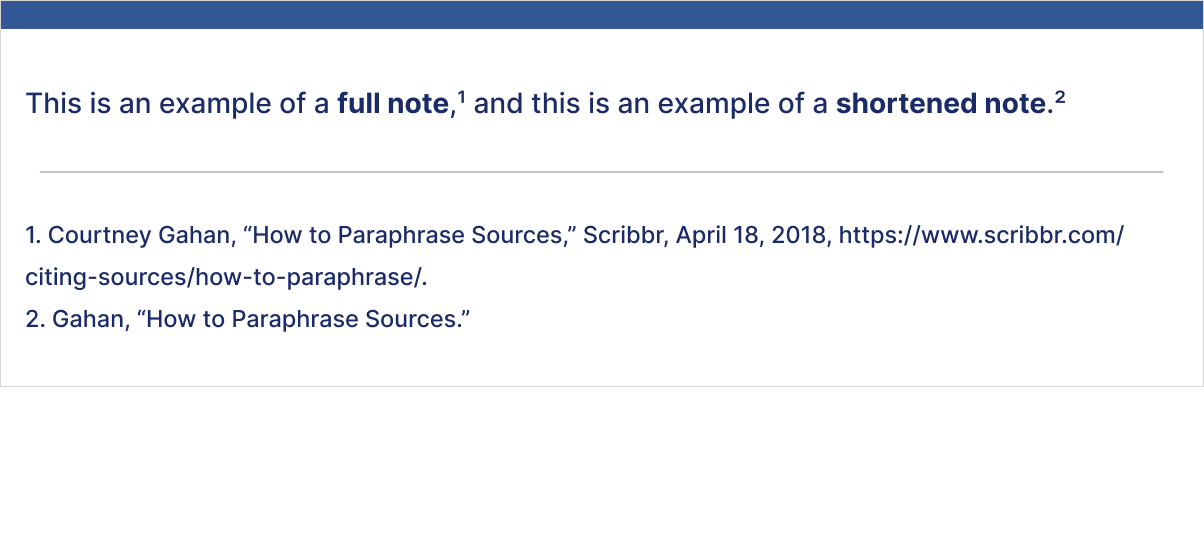
When you refer to a specific piece of information from a website, a superscript number is placed at the end of the sentence or clause containing the reference. This number corresponds to a note (footnote at the bottom of the page or endnote at the end of the chapter/article) that provides full bibliographic details the first time a source is cited, and a shortened version for subsequent citations.
Example Footnote (First Reference):
- Jane Doe, “Exploring Hidden Gems in Southern Italy,” Wanderlust Chronicles (blog), October 26, 2023, https://www.wanderlustchronicles.com/hidden-gems-southern-italy.
Example Footnote (Subsequent Reference):
- Doe, “Hidden Gems.”
Bibliography:
All sources cited in the notes are also listed alphabetically by author (or by title if no author is given) in a bibliography at the end of the document. This list provides complete bibliographic information for each source.
Example Bibliography Entry:
Doe, Jane. “Exploring Hidden Gems in Southern Italy.” Wanderlust Chronicles (blog). October 26, 2023. https://www.wanderlustchronicles.com/hidden-gems-southern-italy.
The NB system is excellent for travel writers who wish to maintain a fluid narrative flow without the interruption of parenthetical citations, providing detailed source information only when the reader chooses to consult the notes. This is especially useful when integrating historical facts about places like Machu Picchu or architectural details of Buckingham Palace into a travelogue.
Implementing the Author-Date System for Concise Travel Research
The Author-Date (AD) system is favored in the social sciences and some natural sciences. It’s ideal for more concise, direct citations, often seen in research papers comparing hotel amenities across different brands like Hilton Worldwide and Marriott International, or analyses of tourism trends. This system uses parenthetical citations within the text, including the author’s last name and the year of publication, corresponding to an alphabetical list of references at the end.
In-Text Citations (Parenthetical):
(Author Last Name Year)
If specific page numbers are relevant (less common for websites unless referring to a PDF), they are included: (Author Last Name Year, page number).
Example In-Text Citation:
Recent studies suggest a surge in eco-tourism to the Great Barrier Reef (Smith 2022).
References List:
All sources cited in the text are listed alphabetically by author (or by title if no author is given) in a “References” list (not “Bibliography”) at the end of the document.
Example References Entry:
Smith, John. 2022. “The Rise of Sustainable Tourism in Australia.” EcoTravel Insights, March 15, 2022. https://www.ecotravelinsights.com/sustainable-tourism-australia.
The AD system is straightforward and less intrusive for readers who are accustomed to quickly identifying the source’s author and publication year. This approach can be very effective for travel industry reports, statistical analyses of accommodation bookings from sites like Booking.com, or comparative reviews drawing on data from sources like TripAdvisor.
Essential Elements for Citing Websites in Chicago Style
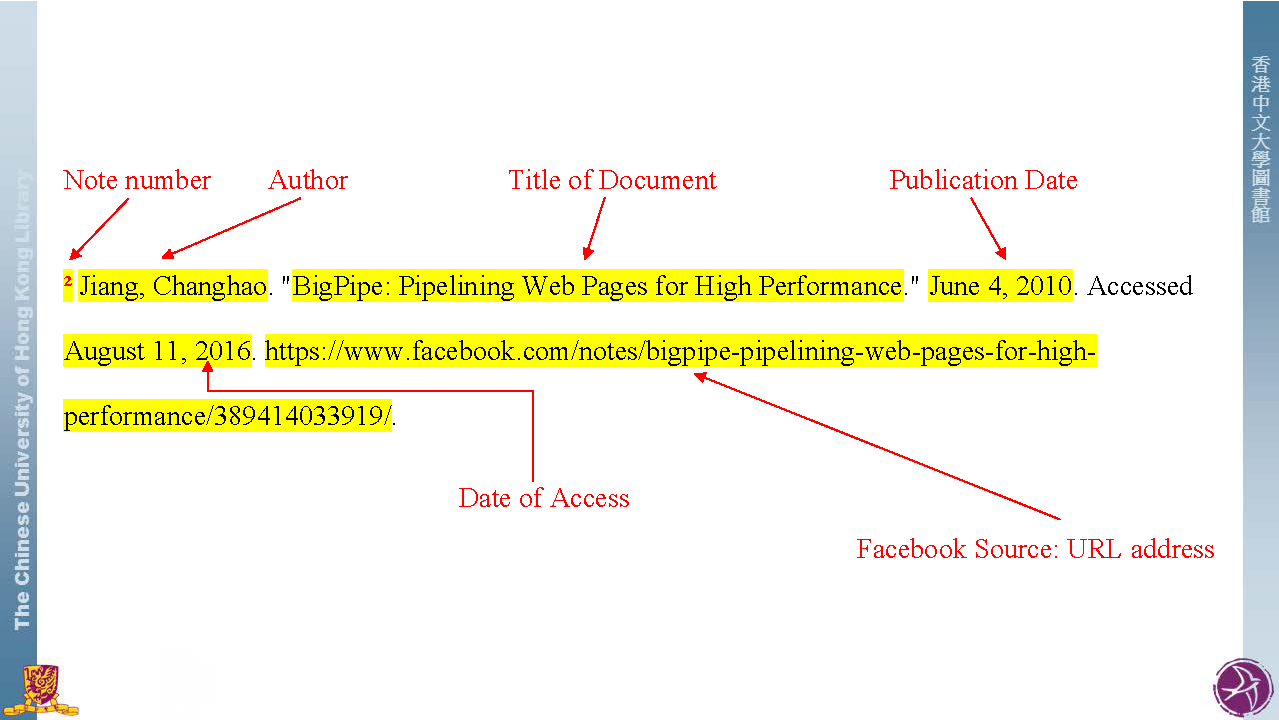
Regardless of whether you choose the Notes-Bibliography or Author-Date system, the core components required to cite a website remain largely consistent. The goal is to provide enough information for your reader to easily locate the original source.
Identifying Key Information: Author, Title, Website Name, and URL
1. Author/Organization:
Always try to identify the individual author or the organization responsible for the content. This could be a specific journalist, a travel expert, or a corporate entity like the official tourism board of Japan.
- Format: Last Name, First Name.
- If no individual author: Use the name of the sponsoring organization or the website name itself.
- If no author or organization: Begin the citation with the title of the page.
2. Title of the Page/Article:
This refers to the specific title of the webpage or article you are citing. It should be enclosed in quotation marks.
- Format: “Title of Page/Article.”
3. Title of the Website:
This is the overall name of the website hosting the content. It should be italicized.
- Format: Name of Website.
- For blogs, explicitly add “(blog)” after the website name if it’s not clear from the title. E.g., Global Gastronomy Guide (blog).
4. URL (Uniform Resource Locator):
The direct web address of the specific page you are citing. Always include the full URL.
- Format: https://www.example.com/full-path-to-article.
The Importance of Publication and Access Dates for Dynamic Online Content

Unlike static print sources, websites are inherently dynamic. Content can be updated, moved, or even deleted. Therefore, including dates is crucial for accuracy.
1. Publication or Last Modified Date:
Always look for a publication date or a “last updated” date on the webpage. This provides context for when the information was current.
- Format: Month Day, Year. (e.g., October 26, 2023)
- If only a year is available, use just the year.
2. Access Date (Optional but Recommended):
While Chicago style states that an access date is usually unnecessary unless no publication date is available, or if the content is likely to change significantly, it is highly recommended for online sources, especially in fields like travel where information about prices, availability of hotels like the Grand Hyatt Hotel, or opening hours of attractions can change rapidly.
- Format: Accessed Month Day, Year. (e.g., Accessed November 1, 2023.)
By including these elements, you create a robust citation that allows readers to easily verify your sources and understand the context of the information.
Crafting Citations: Practical Examples for Travel and Tourism Content
Let’s put these rules into practice with specific examples relevant to travel, accommodation, and lifestyle content.
Citing a Hotel or Accommodation Review Page
When you’re writing about the amenities of a particular resort or comparing different types of accommodation, you might draw information from review sites or official hotel pages.
Scenario: You’re referencing a detailed review of the Shangri-La Hotel in Singapore from a travel blog.
Notes-Bibliography Style:
- First Note:
- Emily Rodriguez, “A Luxurious Escape: Review of Shangri-La Hotel, Singapore,” Luxury Travel Insider (blog), September 10, 2023, https://www.luxurytravelinsider.com/shangri-la-singapore-review.
- Subsequent Note:
- Rodriguez, “Luxurious Escape.”
- Bibliography Entry:
Rodriguez, Emily. “A Luxurious Escape: Review of Shangri-La Hotel, Singapore.” Luxury Travel Insider (blog). September 10, 2023. https://www.luxurytravelinsider.com/shangri-la-singapore-review.
Author-Date Style:
- In-Text Citation:
(Shangri-La Hotel is noted for its exceptional service and lush gardens, particularly in recent reviews (Rodriguez 2023).) - References Entry:
Rodriguez, Emily. 2023. “A Luxurious Escape: Review of Shangri-La Hotel, Singapore.” Luxury Travel Insider (blog), September 10, 2023. https://www.luxurytravelinsider.com/shangri-la-singapore-review.
Referencing a Destination Guide or Tourism Board Website
Official tourism websites and comprehensive online destination guides are invaluable resources for factual information about attractions, local culture, and travel tips.
Scenario: You’re detailing the best time to visit Fushimi Inari-taisha in Kyoto using information from the official Kyoto City Tourism website.
Notes-Bibliography Style:
- First Note:
- Kyoto City Tourism Association, “Visiting Fushimi Inari-taisha Shrine: Best Times and Tips,” Kyoto Official Travel Guide, last modified June 15, 2023, https://kyoto.travel/en/fushimi-inari-shrine-tips.
- Subsequent Note:
- Kyoto City Tourism Association, “Visiting Fushimi Inari-taisha.”
- Bibliography Entry:
Kyoto City Tourism Association. “Visiting Fushimi Inari-taisha Shrine: Best Times and Tips.” Kyoto Official Travel Guide. Last modified June 15, 2023. https://kyoto.travel/en/fushimi-inari-shrine-tips.
Author-Date Style:
- In-Text Citation:
(For optimal experience, it is recommended to visit Fushimi Inari-taisha early in the morning to avoid crowds ( Kyoto City Tourism Association 2023).) - References Entry:
Kyoto City Tourism Association. 2023. “Visiting Fushimi Inari-taisha Shrine: Best Times and Tips.” Kyoto Official Travel Guide. Last modified June 15, 2023. https://kyoto.travel/en/fushimi-inari-shrine-tips.
Attributing Information from a Lifestyle Travel Blog
Whether it’s advice on budget travel, family trips, or luxury experiences, lifestyle blogs offer a wealth of personal insights and practical tips.
Scenario: You’re discussing effective strategies for budget travel in Europe, referencing an article from a popular lifestyle travel blog.
Notes-Bibliography Style:
- First Note:
- David Green, “Top 10 Tips for Budget Travel in Europe,” Thrifty Traveler Adventures (blog), April 3, 2023, https://thriftytraveleradventures.com/budget-travel-europe.
- Subsequent Note:
- Green, “Budget Travel.”
- Bibliography Entry:
Green, David. “Top 10 Tips for Budget Travel in Europe.” Thrifty Traveler Adventures (blog). April 3, 2023. https://thriftytraveleradventures.com/budget-travel-europe.
Author-Date Style:
- In-Text Citation:
(Utilizing hostels and cooking your own meals can significantly cut costs when traveling Europe (Green 2023).) - References Entry:
Green, David. 2023. “Top 10 Tips for Budget Travel in Europe.” Thrifty Traveler Adventures (blog), April 3, 2023. https://thriftytraveleradventures.com/budget-travel-europe.
Streamlining Your Citation Process: Tools and Best Practices
While manual citation is feasible, especially for smaller projects, managing numerous online sources for extensive articles or comprehensive guides can become cumbersome. Fortunately, several tools and practices can simplify the process, ensuring consistency and accuracy.
Leveraging Citation Management Software for Travel Writing
Citation management software can be a game-changer for anyone frequently dealing with online sources. These tools help you organize your research, generate citations in various styles (including Chicago), and even integrate with word processors.
- Zotero and Mendeley: These are popular free tools that allow you to collect, organize, cite, and share research sources. They often have browser extensions that can automatically capture citation information from webpages with a single click. When you’re researching the best hotels in Germany or historical facts about the Statue of Liberty from various online archives, these tools can save immense time.
- Commercial Options (e.g., EndNote): For professional researchers or large-scale projects, commercial software offers advanced features and robust support.
- Built-in Word Processor Tools: Many word processing applications, like Microsoft Word or Google Docs, include basic citation managers that can help generate bibliographies, though they might be less comprehensive than dedicated software.
By using such software, you can maintain a growing database of all the travel destinations, accommodation reviews, and cultural insights you’ve referenced. When writing about a Waldorf Astoria property or a unique local activity in France, you can easily retrieve and insert the correct citation, eliminating manual formatting errors.
Developing a Consistent Approach to Your Reference List
Beyond using tools, adopting a few best practices can significantly enhance the quality and manageability of your citations:
- Choose a System and Stick to It: Decide early whether you will use the Notes-Bibliography or Author-Date system for your article, blog, or series, and adhere to it rigorously. Mixing styles within a single piece of work is a common error and detracts from professionalism.
- Capture Information Immediately: As soon as you find a useful online source, capture all necessary citation information: author, title, website name, publication date, and URL. It’s much harder to track down this data later, especially for dynamic web pages.
- Be Mindful of Dynamic Content: Websites are prone to change. If you’re citing content that is particularly volatile (e.g., news articles, forum discussions, or real-time booking prices), consider adding an access date, even if not strictly required by Chicago, for maximum transparency.
- Review and Proofread: Before publishing, always review your notes/in-text citations and your bibliography/references list. Check for consistency in formatting, spelling errors, and missing information. A clean, accurate reference list reinforces your reputation for thoroughness.
- Understand “No Author”: When no individual author is listed, attribute the work to the organization or the website itself. If even that is unavailable, start with the title of the webpage. For instance, if you are citing a general fact about the United States from Wikipedia, you would list “Wikipedia” as the author if you are trying to attribute the encyclopedia as a whole, or just start with the specific article’s title.
Mastering Chicago style citation for websites may seem daunting at first, but with practice and the right tools, it becomes an integral part of producing high-quality content. For those in the vibrant fields of travel, hotels, tourism, accommodation, landmarks, and lifestyle, this skill is not just about academic rigor—it’s about enhancing credibility, fostering trust, and ensuring that your narratives are as robust and reliable as they are inspiring. By diligently citing your online sources, you contribute to a richer, more dependable global conversation about the world’s most exciting destinations and experiences.
LifeOutOfTheBox is a participant in the Amazon Services LLC Associates Program, an affiliate advertising program designed to provide a means for sites to earn advertising fees by advertising and linking to Amazon.com. Amazon, the Amazon logo, AmazonSupply, and the AmazonSupply logo are trademarks of Amazon.com, Inc. or its affiliates. As an Amazon Associate we earn affiliate commissions from qualifying purchases.