
Chicago, often dubbed the “Windy City,” stands as a monumental testament to urban dynamism, architectural prowess, and a vibrant cultural tapestry in the heart of the American Midwest. For many, the question of whether Chicago is a good place to live elicits a complex answer, varying greatly depending on individual priorities, lifestyle preferences, and professional aspirations. This comprehensive exploration delves into the multifaceted appeal and challenges of residing in this iconic metropolis, examining its offerings through the lens of travel, tourism, accommodation, landmarks, and lifestyle, providing insights for prospective residents and long-term visitors alike. From its world-class museums and breathtaking skyline to its diverse neighborhoods and thriving culinary scene, Chicago presents a compelling case for an enriching urban existence, albeit one that comes with its own set of considerations.
The Allure of Chicago: A City of Culture, Opportunity, and Unforgettable Experiences
Chicago’s reputation as a global city is well-earned, built on a foundation of innovation, resilience, and an unwavering commitment to art and culture. It’s a city that consistently ranks high on lists of top tourist destinations, and for good reason. Its extensive array of attractions and experiences translates directly into an exceptional quality of life for its residents, offering a constant source of engagement and discovery.
A Beacon of Arts and Culture
The cultural landscape of Chicago is extraordinarily rich and diverse, providing endless opportunities for enrichment and entertainment. The city is home to some of the nation’s most prestigious institutions, making it a magnet for art enthusiasts, history buffs, and performing arts aficionados. The Art Institute of Chicago houses a globally significant collection spanning centuries and continents, offering residents free entry on specific days or discounted memberships. Similarly, the Field Museum transports visitors through natural history, from towering dinosaur skeletons to ancient Egyptian artifacts, while the Shedd Aquarium captivates with its aquatic wonders, showcasing diverse marine life from around the globe. The Museum of Science and Industry, located in Hyde Park, offers interactive exhibits that appeal to all ages, igniting curiosity about technological and scientific advancements.
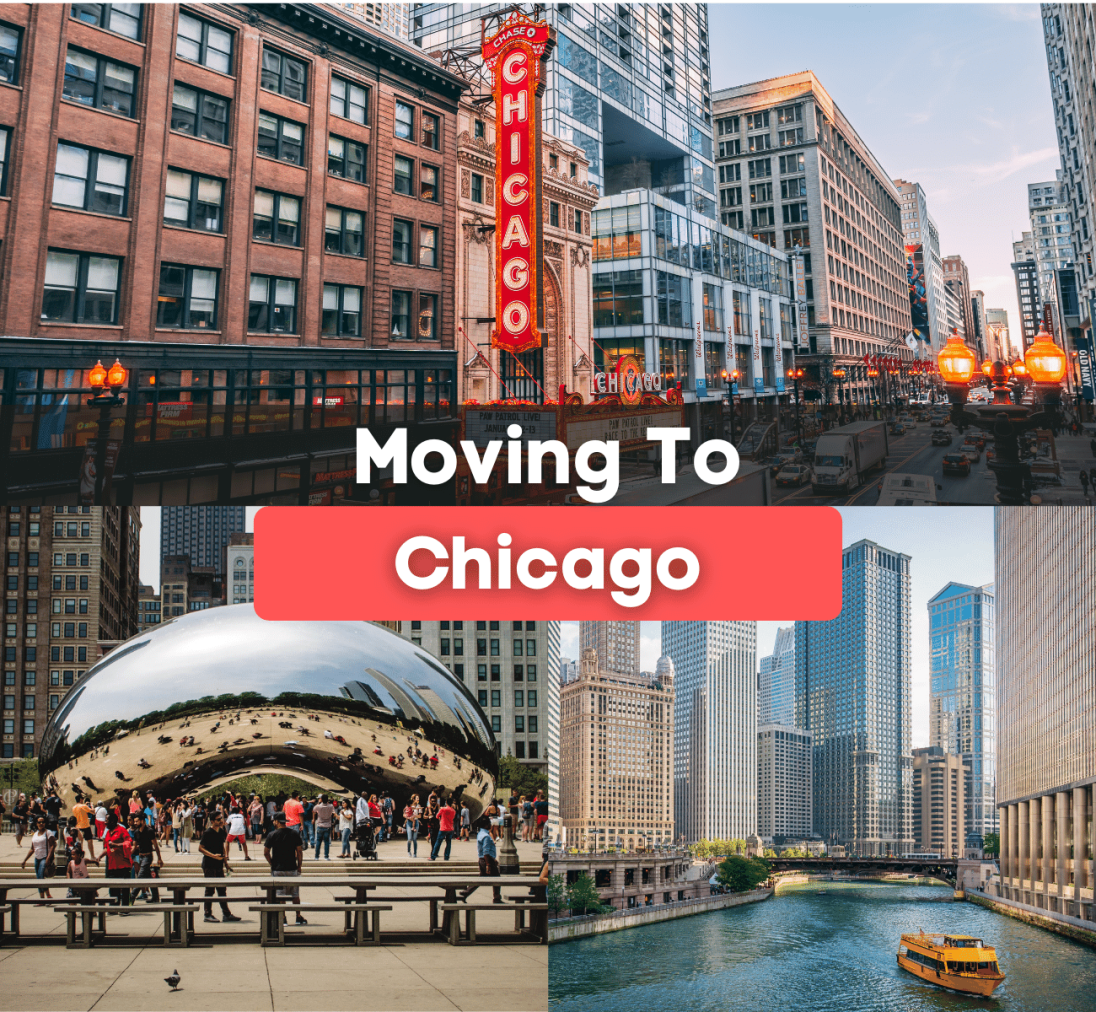
Beyond museums, Chicago’s performing arts scene is second to none. The historic Chicago Theatre, a landmark in itself, hosts a wide range of concerts and shows. Legendary improvisational comedy at The Second City has launched the careers of countless comedic stars, offering a unique entertainment experience that embodies the city’s creative spirit. World-renowned companies like the Steppenwolf Theatre Company and the Goodman Theatre deliver thought-provoking and innovative theatrical productions. The Lyric Opera of Chicago and the Chicago Symphony Orchestra provide world-class musical performances, attracting audiences from all walks of life. For music lovers, festivals like Lollapalooza transform Grant Park into a massive concert venue each summer, while countless smaller venues across neighborhoods cater to every musical taste imaginable.
Iconic Landmarks and Urban Green Spaces
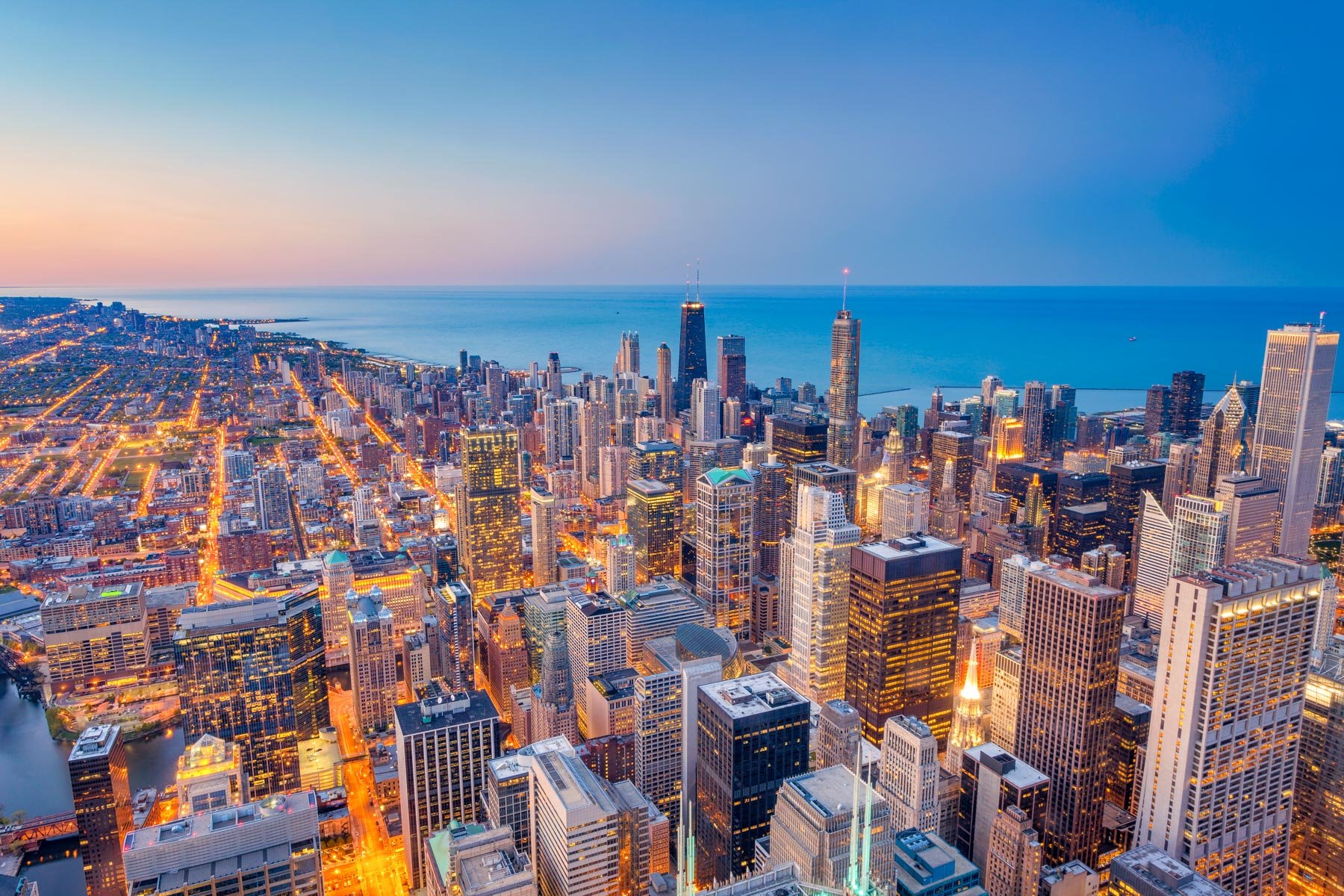
Chicago’s skyline is instantly recognizable, a masterpiece of modern architecture. Living here means being surrounded by architectural marvels and iconic landmarks that are not just tourist attractions but integral parts of daily life. The Willis Tower (formerly Sears Tower) offers unparalleled panoramic views from its Skydeck, a thrilling experience for residents and visitors alike. Similarly, the John Hancock Center (now 875 North Michigan Avenue) provides another spectacular vantage point.
Millennium Park, a vibrant urban park in the Loop, is home to the famous “Bean,” officially known as Cloud Gate, a public sculpture that has become synonymous with the city. The park also features the Jay Pritzker Pavilion, an outdoor concert venue designed by Frank Gehry, and the Crown Fountain, an interactive art piece where faces of Chicagoans periodically spit water. Adjacent to Millennium Park is Grant Park, often referred to as “Chicago’s front yard,” hosting various festivals and events throughout the year, including the magnificent Buckingham Fountain.
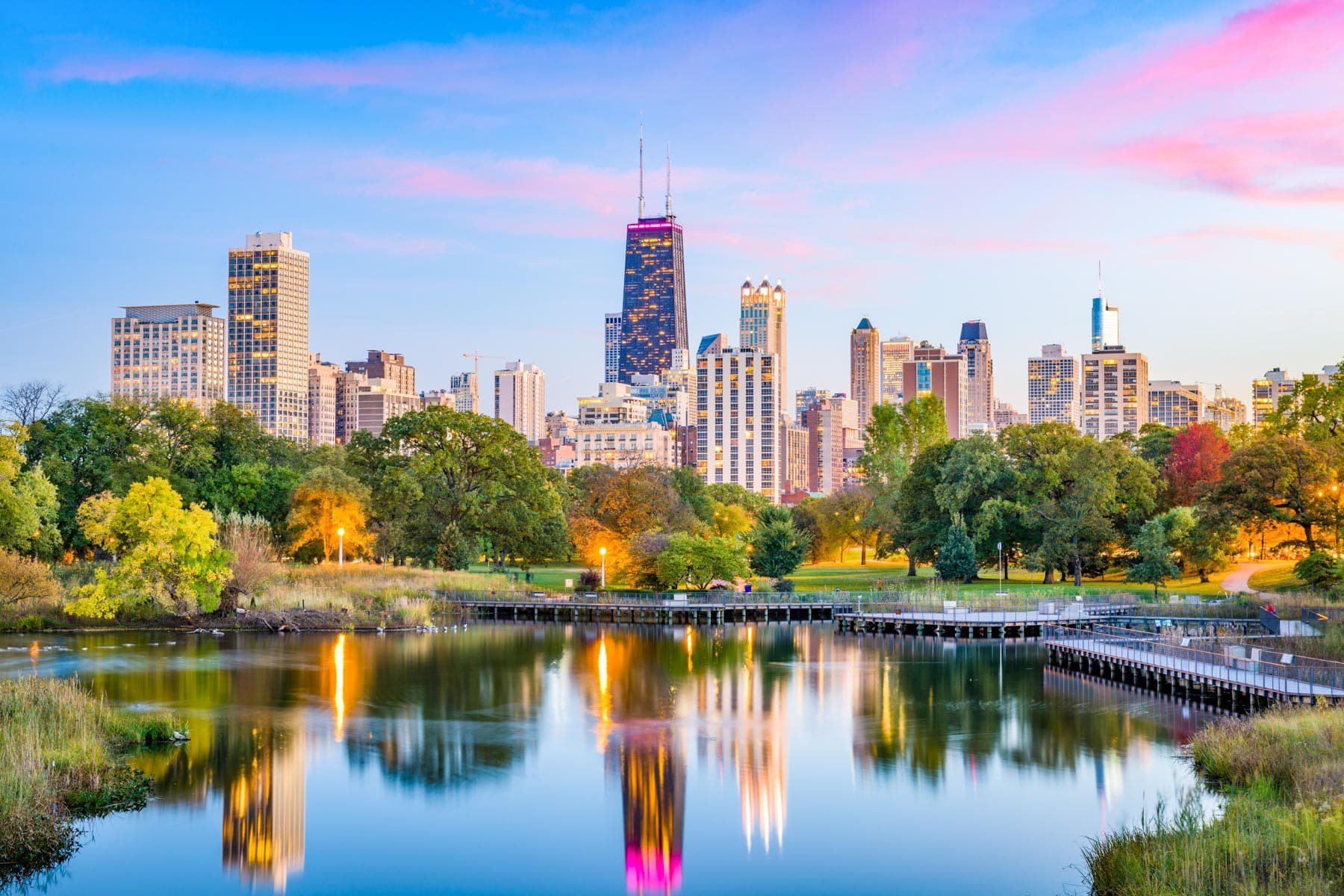
For those seeking nature within the city, Lincoln Park offers an expansive green oasis, complete with the free Lincoln Park Zoo, conservatory, and beautiful lakefront views. The entire lakefront, stretching for miles along Lake Michigan, is a continuous park system with bike paths, beaches, and recreational areas, providing residents with easy access to outdoor activities like jogging, cycling, and swimming. The Chicago Riverwalk has transformed the Chicago River into a lively promenade, dotted with restaurants, bars, and boat tours, offering a unique perspective on the city’s architecture. Navy Pier combines entertainment, dining, and scenic views of the skyline and Lake Michigan, serving as a bustling hub for family outings and events.
Navigating Life in the Windy City: Practicalities and Lifestyle Considerations
Beyond its captivating attractions, living in Chicago involves practical considerations that shape the daily experiences of its residents. These range from the cost of living and transportation to the unique character of its neighborhoods and its renowned culinary scene.
Cost of Living and Housing
Compared to other major global cities like New York City or San Francisco, the cost of living in Chicago can be surprisingly manageable, especially concerning housing. While certain prime neighborhoods like the Gold Coast or Streeterville command premium prices for luxury apartments and condominiums, many other vibrant areas offer more affordable options without sacrificing amenities or accessibility. Neighborhoods such as Logan Square, Wicker Park, Lincoln Park, and Hyde Park each present distinct characters and housing markets, from historic brownstones and spacious single-family homes to modern high-rises and converted lofts. The diversity in accommodation options caters to various budgets and preferences, making Chicago an attractive location for those seeking long-term stays or permanent residency. Understanding the nuances of the local real estate market is crucial for making informed decisions on booking accommodations, whether it’s an apartment for a long-term lease or a hotel suite for an extended visit. Hotels like The Langham Chicago, Peninsula Chicago, Thompson Chicago, the historic Palmer House Hilton, and the iconic Drake Hotel offer luxurious short-term stays, but for those considering a move, delving into residential rental markets is essential.
Transportation and Accessibility
Chicago boasts an extensive and efficient public transportation system, primarily operated by the Chicago Transit Authority (CTA). The “L” train, with its elevated tracks weaving through downtown and extending to various neighborhoods, provides rapid transit across the city. Its comprehensive bus network fills in the gaps, ensuring that most parts of Chicago are easily accessible without a car. For commuters traveling to surrounding suburbs, the Metra commuter rail system offers widespread service. This robust public transit infrastructure is a significant advantage, reducing the need for private vehicle ownership and mitigating traffic congestion, especially in the downtown core. For tourists, an Unlimited Ride CTA Pass is a popular choice for navigating the city’s attractions, embodying the ease of travel that residents also benefit from.
Culinary Delights and Dining Culture
The food scene in Chicago is legendary, ranging from iconic deep-dish pizza to Michelin-starred fine dining. Living in Chicago means having access to an incredibly diverse array of culinary experiences. Classic Chicago-style hot dogs, Italian beef sandwiches, and Garrett Popcorn Mix are local staples that every resident embraces. Beyond these beloved comfort foods, the city’s ethnic neighborhoods offer authentic tastes from around the world, from the vibrant Mexican eateries in Pilsen to the bustling Chinese restaurants in Chinatown and the diverse offerings in Devon Avenue‘s “Little India.” The Fulton Market District has transformed into a gastronomic hub, attracting renowned chefs and innovative restaurants, catering to a luxury travel lifestyle or a local foodie’s dream. The annual Taste of Chicago festival allows residents and visitors to sample an extensive selection of the city’s culinary offerings in one place, celebrating its rich food culture.
Embracing Chicago’s Diverse Tapestry: From Neighborhood Charms to Seasonal Splendor
Chicago’s appeal as a place to live is deeply intertwined with its distinct neighborhoods, each offering a unique character and sense of community. The city also experiences four distinct seasons, each bringing its own charm and challenges.
Neighborhoods: A Mosaic of Lifestyles
One of Chicago’s greatest strengths is its collection of diverse neighborhoods, each with its own identity, amenities, and community spirit.
- Lincoln Park and the Gold Coast offer upscale living, beautiful architecture, and proximity to the lakefront, ideal for families and those seeking a more refined lifestyle.
- Wicker Park and Logan Square** are known for their bohemian vibe, independent boutiques, thriving arts scenes, and eclectic dining, attracting a younger, more artistic demographic.
- River North is a bustling district famous for its art galleries, nightlife, and upscale restaurants, popular with young professionals and those who enjoy a vibrant urban pace.
- Hyde Park, home to the University of Chicago, offers a more intellectual and historic ambiance, with beautiful parks and a strong sense of community.
- Wrigleyville revolves around Wrigley Field, the historic home of the Chicago Cubs, creating an electric atmosphere for sports fans.
- The Loop, the central business district, provides a quintessential urban experience with towering skyscrapers, cultural institutions, and convenient access to public transit.
These neighborhoods contribute to the city’s overall livability, offering residents a choice of environments that cater to various lifestyles, whether it’s luxury travel experiences or budget travel options within the city. The emphasis on local culture and community activities within these districts makes Chicago feel like a collection of small towns within a grand metropolis.
Seasonal Dynamics: Embracing All Four Seasons
Chicago experiences the full spectrum of four distinct seasons, a characteristic that defines much of its lifestyle.
- Summers are glorious, with warm temperatures, abundant sunshine, and a packed calendar of outdoor festivals, concerts in Millennium Park, beach activities along Lake Michigan, and vibrant street life. The city truly comes alive, offering endless opportunities for outdoor enjoyment.
- Spring brings a refreshing transition, as the city sheds its winter coat and parks burst into bloom. It’s a time for renewed outdoor activities and enjoying milder weather.
- Fall is arguably the most beautiful season, with crisp air, stunning autumn foliage, and comfortable temperatures perfect for exploring the city’s parks and architecture.
- Winter, however, can be challenging, with cold temperatures, heavy snowfall, and icy conditions. While the festive holiday lights and ice skating in Millennium Park offer their own charm, the extended cold season requires a certain resilience and preparedness. For many, the vibrant indoor scene—museums, theaters, and cozy restaurants—becomes a sanctuary during the colder months, highlighting the importance of diverse attractions year-round. Despite the harsh winters, Chicagoans embrace the season with winter sports and events, demonstrating a hearty spirit.
Making Chicago Home: Economic Landscape, Safety, and Community Life
Beyond the aesthetic and cultural appeal, a significant part of “is Chicago a good place to live?” revolves around practical aspects like job opportunities, safety, and the overall sense of community.
Economic Opportunities and Job Market
Chicago is a major economic hub, boasting a diverse job market that spans various sectors. It is a global center for finance, technology, manufacturing, healthcare, and transportation. The city hosts numerous Fortune 500 companies and has a rapidly growing tech scene, often referred to as “Silicon Prairie.” Its strong economy attracts talent from across the United States and beyond, providing ample career growth opportunities. For business stays, Chicago offers a plethora of amenities, from high-end hotels with extensive meeting facilities to serviced apartments for longer corporate assignments. The robust job market is a critical factor for anyone considering a permanent move, underpinning the long-term viability of making Chicago home.
Safety and Community Engagement
Like any large city, Chicago faces challenges related to crime, which is often a significant concern for prospective residents. While certain areas have higher crime rates, many neighborhoods are safe and boast strong community bonds. The city and its residents actively engage in initiatives to improve safety and foster community development. Understanding the specific dynamics of different neighborhoods is key to making an informed decision about where to live. Many communities host neighborhood watch programs, local events, and active community associations that contribute to a sense of belonging and mutual support, enhancing the overall quality of life. The strong sense of local culture and pride in many Chicago neighborhoods often creates tight-knit communities, making it easier for newcomers to integrate and feel at home.
Quality of Life: A Balanced Perspective
Ultimately, whether Chicago is a good place to live depends on individual priorities. For those who thrive in a bustling urban environment, appreciate world-class culture and dining, value robust public transportation, and can tolerate distinct seasonal changes (including challenging winters), Chicago offers an incredibly rewarding experience. It’s a city that allows for a wide range of lifestyles, from luxury living in high-rise apartments overlooking Lake Michigan to more budget-friendly options in historically rich neighborhoods. The presence of renowned universities, numerous parks, and diverse recreational opportunities also makes it an attractive city for families.
In conclusion, Chicago is more than just a city of towering skyscrapers and deep-dish pizza; it is a dynamic, livable metropolis that continually evolves while preserving its rich history and distinct identity. Its blend of cultural sophistication, economic opportunity, and community spirit, coupled with its status as a major travel destination, creates a unique living environment. While it presents its own set of urban challenges, the myriad benefits and rich experiences available to its residents often far outweigh the drawbacks, cementing its reputation as one of the United States’ most compelling cities to call home.
LifeOutOfTheBox is a participant in the Amazon Services LLC Associates Program, an affiliate advertising program designed to provide a means for sites to earn advertising fees by advertising and linking to Amazon.com. Amazon, the Amazon logo, AmazonSupply, and the AmazonSupply logo are trademarks of Amazon.com, Inc. or its affiliates. As an Amazon Associate we earn affiliate commissions from qualifying purchases.