
For visitors and residents alike, navigating the urban labyrinth of parking in a major metropolis can be one of the most perplexing aspects of any trip or daily errand. When it comes to Chicago, a city renowned for its stunning architecture, vibrant culture, and world-class attractions, the question of parking, especially on a Sunday, often looms large. Sundays are synonymous with leisurely brunches, visits to museums, strolls through parks, and exploring charming neighborhoods. The prospect of free parking can significantly enhance these experiences, making a trip more enjoyable and budget-friendly. However, the reality of parking in the Windy City is rarely simple, particularly when it comes to the “free” aspect.
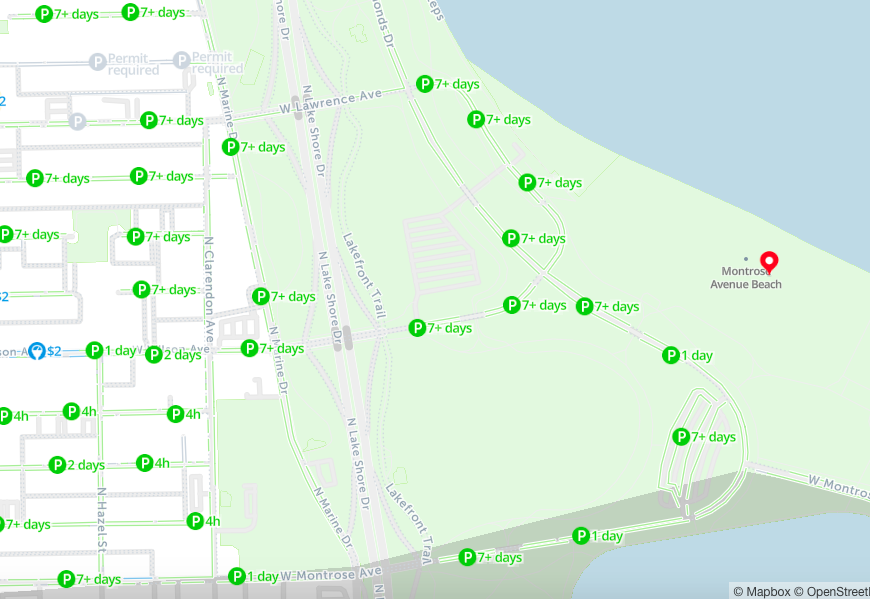
This comprehensive guide delves into the intricacies of Sunday parking in Chicago, offering insights for tourists planning their travel itineraries and locals seeking to maximize their weekend adventures. From understanding the nuances of metered spots to exploring hotel accommodation parking options and leveraging public transportation, we’ll equip you with the knowledge to make informed decisions and enjoy your Chicago Sunday without the added stress of parking woes.
Understanding Sunday Parking in Chicago
The allure of free parking on Sundays is a common assumption in many cities, often a relic of simpler times when Sunday commerce was limited, and urban centers were quieter. While Chicago does offer some reprieve on Sundays, it’s crucial to understand that “free” is not a blanket statement applying to all parking situations across the city. The rules are multifaceted and depend heavily on the specific location, type of parking, and any ongoing events.
The Metered Street Parking Maze
Historically, most metered street parking in Chicago was indeed free on Sundays. This was a welcome perk for anyone venturing into the Loop or other bustling areas for a Sunday outing. However, changes implemented over the years, largely due to the privatization of parking meters under Chicago Parking Meters LLC, have altered this landscape.
Today, many metered spots, especially in high-demand commercial districts like the Loop, River North, Streeterville, and areas around major attractions, do require payment on Sundays. The enforcement hours and rates can vary, so it is absolutely essential to check the signage on the block or the specific parking meter. Modern meters often have digital displays indicating payment requirements for all days of the week, including Sundays. Some areas might have reduced rates or shorter enforcement hours on Sundays compared to weekdays, but payment is still required.
Conversely, some metered spots in less congested neighborhoods, or those further away from central business districts and tourist hotspots, might still offer free parking on Sundays. The key takeaway here is: never assume it’s free. Always read the signs carefully to avoid a costly ticket.
Residential Permit Parking: A Local’s Domain
Chicago has numerous residential permit parking zones designed to prioritize parking for local residents. These zones are typically identified by signage indicating “Residential Parking Permit Only” with specific hours or days of enforcement. On Sundays, the rules for residential permit parking generally remain in effect. This means if you do not have a valid residential parking permit for that specific zone, you risk being ticketed or even towed, even on a Sunday.
For tourists or visitors staying in vacation rentals within a residential zone, this poses a significant challenge. Some gracious hosts might offer a temporary guest pass, but this is not a universal solution. It’s vital to inquire about parking arrangements if you’re staying in a residential area. Attempting to park in these zones without a permit, even for a short period, can quickly turn a budget-friendly trip into an expensive ordeal.
Private Lots and Garages: Predictability at a Price
For a more predictable and often safer parking experience, private parking lots and garages are abundant throughout Chicago. These facilities operate independently of city meters and typically charge fees 24/7, including Sundays. While they eliminate the guesswork of street parking rules, they come at a cost.
Prices for garages can vary widely based on location, duration, and demand. Parking near popular landmarks like Millennium Park, the Museum Campus, or the Magnificent Mile will invariably be more expensive than lots slightly further afield. Many garages offer discounted rates for advance booking online, which can be a savvy move for budget-conscious travelers. Websites and apps dedicated to parking often allow you to compare prices and reserve spots in advance, providing peace of mind. While not free, private garages offer guaranteed space and security, which can be invaluable for peace of mind, especially for families or those carrying luggage.
Event-Specific Restrictions and Tow Zones
Chicago is a city of events, hosting everything from street festivals and marathons to major sports games at Soldier Field or the United Center even on Sundays. During these times, temporary parking restrictions, tow zones, and street closures are common. These restrictions override standard parking rules and are strictly enforced.
Always be on the lookout for temporary signage, often bright orange, indicating “No Parking” or “Tow Zone” due to street cleaning, construction, or special events. Ignoring these signs, even on a Sunday, can result in your vehicle being towed, an incredibly inconvenient and expensive experience that can derail an entire day of your trip. Staying informed about local events through city websites or news outlets is a good practice, especially if you plan to drive into specific areas of the city on a Sunday.
Maximizing Your Chicago Sunday Experience: Parking for Tourists
For visitors, understanding Chicago’s parking landscape is crucial for a smooth and enjoyable tourism experience. The goal is to balance convenience with cost, ensuring that parking doesn’t overshadow the beauty and excitement of the city.
Strategic Parking Near Top Attractions
When visiting Chicago’s iconic landmarks and attractions, strategic parking can save both time and money.
- Museum Campus (Shedd Aquarium, Field Museum, Adler Planetarium): This area has several large parking garages. While expensive, they offer direct access to these world-class institutions. Consider arriving early on a Sunday to secure a spot before crowds gather.
- Millennium Park and Art Institute of Chicago: Underground garages beneath Grant Park offer ample parking and are conveniently located. Again, booking in advance online can often provide better rates.
- Navy Pier: Navy Pier has its own parking garages, which are often the most convenient option for visitors to this popular attraction, though rates can be premium.
- Magnificent Mile: Street parking here is almost always metered and often busy. Private garages in hotels or commercial buildings are plentiful but costly. For shopping excursions, consider parking a few blocks west or east and walking, or utilizing public transit.
A smart strategy involves parking slightly further away from the immediate vicinity of an attraction, where rates might be lower, and then walking or taking a short bus or train ride to your final destination. This can often be a more cost-effective and less stressful approach, allowing you to enjoy more of Chicago’s vibrant street life.
Accommodation Parking: What to Expect from Hotels and Rentals
When planning your accommodation in Chicago, parking is a significant factor to consider, especially if you’re traveling by car.
- Hotels: Most hotels in downtown Chicago, from luxury resorts to boutique hotels, offer parking facilities. These typically include valet parking, self-parking garages, or a combination of both. However, hotel parking is almost universally an additional charge, and it can be quite expensive, often ranging from $50 to $80 per night or even more. Some hotels might offer in-and-out privileges, while others charge per entry. Always confirm parking costs and policies directly with your hotel when booking, as this can significantly impact your overall travel budget.
- Vacation Rentals (e.g., Airbnb): For those opting for vacation rentals, parking situations vary widely. Some rentals, particularly those outside the central business district, might include a dedicated parking spot or offer street parking advice. Others, especially in dense residential areas, might not provide any parking, leaving guests to navigate residential permit zones or find paid garages. It’s imperative to clarify parking arrangements with your host before booking to avoid surprises.
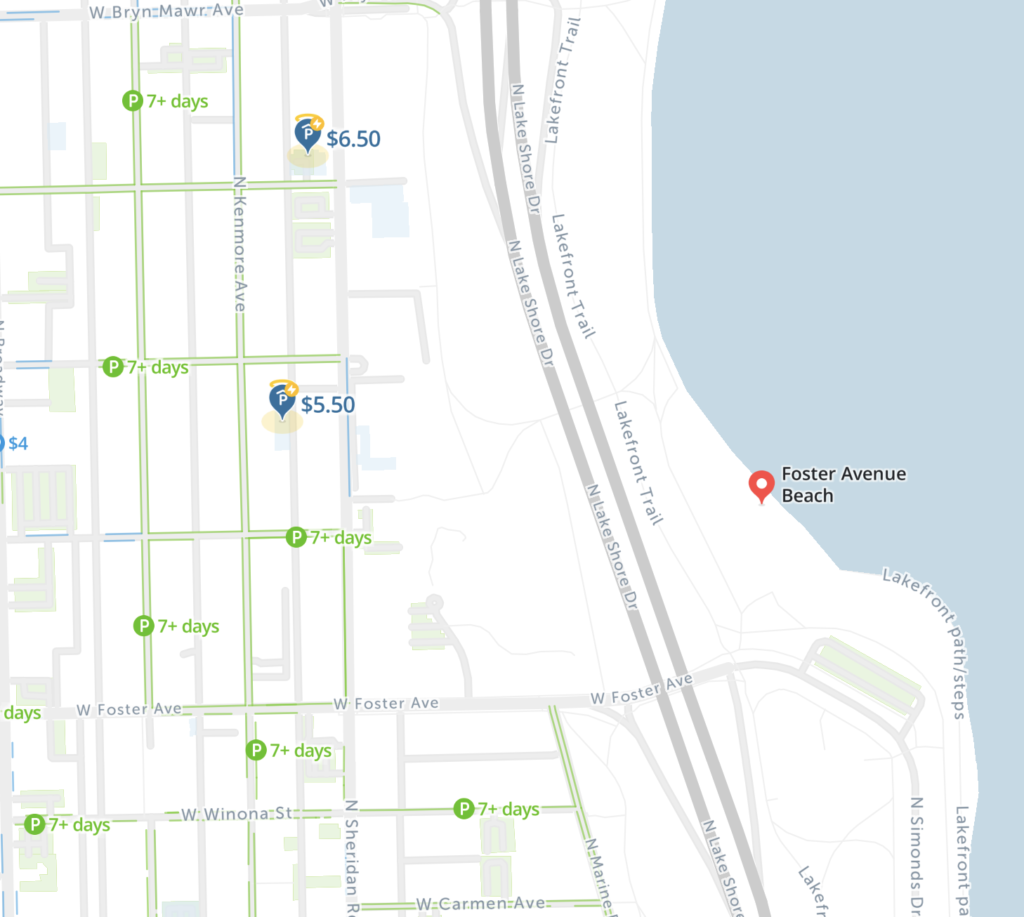
For many travelers, the high cost of hotel parking prompts them to consider alternative transport methods once they’ve arrived.
Embracing Chicago’s Public Transit System
For many, the most sensible approach to navigating Chicago on a Sunday, especially from a lifestyle and budget perspective, is to minimize driving and embrace the city’s excellent public transportation system. The Chicago Transit Authority (CTA) operates an extensive network of ‘L’ trains (elevated and subway lines) and buses that connect virtually every neighborhood and major attraction.
- Convenience: The CTA runs frequently, even on Sundays, making it an efficient way to get around without worrying about traffic, parking, or navigation. A Ventra card or contactless payment allows for easy access.
- Cost-Effectiveness: A single ride on the CTA is significantly cheaper than even a few hours of parking. Multi-day passes offer even greater value for tourists planning extensive sightseeing.
- Accessibility: Most major attractions, hotels, and vibrant districts are easily accessible via the ‘L’ train or bus lines. This allows you to visit Lincoln Park Zoo, explore the Gold Coast, or attend church in a specific neighborhood without the headache of finding and paying for parking.
Consider parking your car at a more affordable garage on the outskirts of downtown or near a Metra commuter rail station (if you’re coming from the suburbs of Illinois or beyond) and then taking public transit into the city center. This hybrid approach can offer the best of both worlds.
Insider Tips for Navigating Chicago Parking
Even with the complexities, a successful parking strategy in Chicago on a Sunday is achievable with the right tools and mindset.
Essential Apps and Digital Tools
Technology has made urban parking significantly easier. Several apps and websites can be invaluable for finding, comparing, and paying for parking in Chicago:
- ParkChicago: This is the official app for paying at city meters. It allows you to pay for parking, extend your time remotely (where permissible), and receive alerts before your meter expires. It’s a must-have if you plan on using metered street parking.
- SpotHero & ParkWhiz: These popular apps allow you to find, compare, and reserve parking spots in private garages and lots, often at discounted rates when booked in advance. They provide details on location, pricing, and availability, making it easy to plan your parking before you even arrive.
- Google Maps/Apple Maps: While not dedicated parking apps, they can show nearby parking garages and often provide estimated walking times from parking to your destination.
Utilizing these tools can dramatically reduce stress and potentially save you money by helping you find the best parking options available for your Sunday itinerary.
Avoiding Common Parking Pitfalls
- Read All Signs: This cannot be stressed enough. Chicago parking signs can be dense, with multiple restrictions listed. Take your time to read every line, noting days of the week, hours, and any special conditions (e.g., “No Parking Mon-Fri 7-9 AM & 4-6 PM,” implies weekends might be different, but still read the entire sign).
- Curb Color and Markings: Red curbs usually mean no parking at any time. Yellow curbs often indicate commercial loading zones. Double-check for fire hydrants, crosswalks, and alley entrances, as parking too close to these is illegal and will result in a ticket.
- Street Cleaning: Even on Sundays, if you’re in a zone with street cleaning, those rules typically apply. Check signage for specific days and hours.
- Don’t Block Driveways or Alleys: This seems obvious but is a common mistake in dense urban environments.
- Be Aware of Permit Zones: Reiterating, don’t assume residential permit zones are relaxed on Sundays.
A few extra minutes spent scrutinizing signs can save you hundreds of dollars in fines or towing fees, protecting your travel budget.
Exploring Neighborhoods: Beyond the Downtown Core
While downtown Chicago presents the most complex parking challenges, exploring the city’s diverse neighborhoods offers a different parking experience. Areas like Wicker Park, Lincoln Park, Andersonville, or Hyde Park might have more readily available street parking, some of which could indeed be free on Sundays. However, these are often still subject to residential permit restrictions or meter enforcement.
If your Sunday plans take you to a specific neighborhood, research its parking situation in advance. You might find that free street parking exists a few blocks away from the main commercial strips, requiring a short walk but offering significant savings compared to downtown options. This approach allows for a deeper dive into local culture and community life, often the heart of any memorable travel experience.
Balancing Budget and Convenience: A Traveler’s Dilemma
Ultimately, the decision of how to handle parking in Chicago on a Sunday boils down to a personal choice between cost and convenience, reflecting different travel lifestyles.
Cost-Effective Parking Strategies
For the budget traveler, minimizing parking expenses is paramount. This typically involves:
- Prioritizing Public Transit: Utilizing the CTA for the majority of your movements.
- Strategic Parking: Parking further out from high-demand areas in cheaper garages or searching diligently for those elusive free metered spots.
- Advance Booking: Using apps to pre-book garage spaces at discounted rates.
- Consider Rideshares/Taxis: For short distances or when carrying heavy items, a rideshare service might be cheaper than parking for several hours, especially if you can split the cost.
These strategies require a bit more planning and flexibility but can lead to significant savings, freeing up your budget for other attractions, dining experiences, or souvenirs.
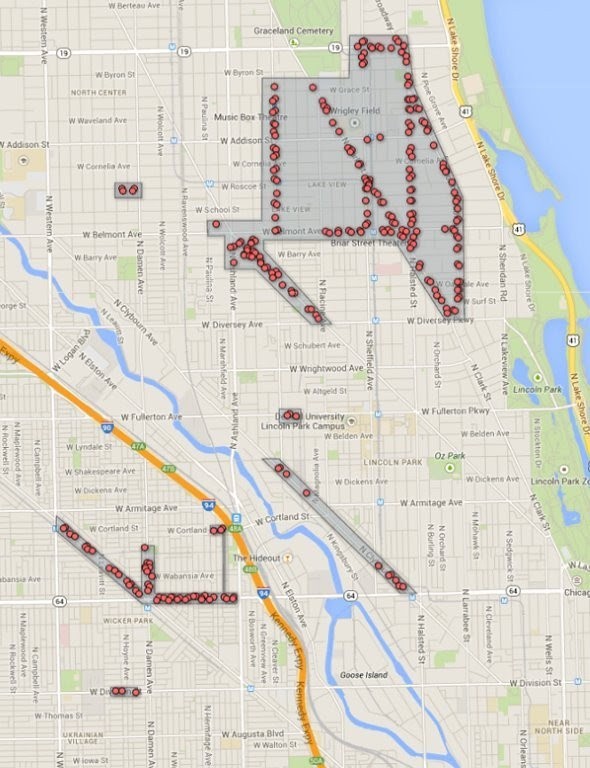
When to Splurge on Convenience
For others, especially those on a family trip with young children, business stays with tight schedules, or luxury travel experiences, convenience often outweighs cost. In these scenarios:
- Hotel Valet Parking: Despite the high cost, hotel valet offers unparalleled convenience, with your car readily available whenever you need it.
- Premium Garage Spots: Parking directly adjacent to your destination, even if expensive, saves time and eliminates the stress of searching.
- Rideshares/Taxis for All Trips: Forgoing a rental car entirely and relying solely on rideshares or taxis offers maximum convenience without the overhead of parking at all.
This approach prioritizes ease and time-saving, allowing for a more relaxed and seamless Chicago experience, especially when time is of the essence or physical mobility is a concern.
In conclusion, the question “Is parking free in Chicago on Sundays?” does not have a simple yes or no answer. While some remnants of free Sunday street parking persist, particularly in less commercial areas, the general trend, especially in popular tourist and business districts, leans towards paid parking. For an optimal Sunday in Chicago, it’s essential to plan ahead, read all signage, leverage technology, and consider the robust public transportation system. By doing so, you can ensure that your visit to this incredible city is marked by enjoyment and discovery, rather than parking frustration.
LifeOutOfTheBox is a participant in the Amazon Services LLC Associates Program, an affiliate advertising program designed to provide a means for sites to earn advertising fees by advertising and linking to Amazon.com. Amazon, the Amazon logo, AmazonSupply, and the AmazonSupply logo are trademarks of Amazon.com, Inc. or its affiliates. As an Amazon Associate we earn affiliate commissions from qualifying purchases.