
The question of whether the University of Chicago is Ivy League is a common one, frequently pondered by prospective students, academics, and those generally interested in elite higher education. While the institution undeniably stands among the world’s most prestigious universities, the simple answer to this query is no. The University of Chicago is not a member of the Ivy League. However, this straightforward fact belies a much more nuanced discussion about academic excellence, institutional identity, and the perception of prestige in American higher education.
To truly understand why the University of Chicago is often mistaken for an Ivy League school, and why its non-membership is largely irrelevant to its standing, we must delve into the origins and characteristics of the Ivy League itself, examine the unique strengths of UChicago, and explore how to experience this remarkable institution and its vibrant surroundings in the city of Chicago.
Unpacking the Ivy League Definition
The term “Ivy League” is often used colloquially to describe any highly selective, historically rich, and academically rigorous university. However, its true definition is much more specific and, in many ways, quite distinct from the broader perception.
What Exactly is the Ivy League?
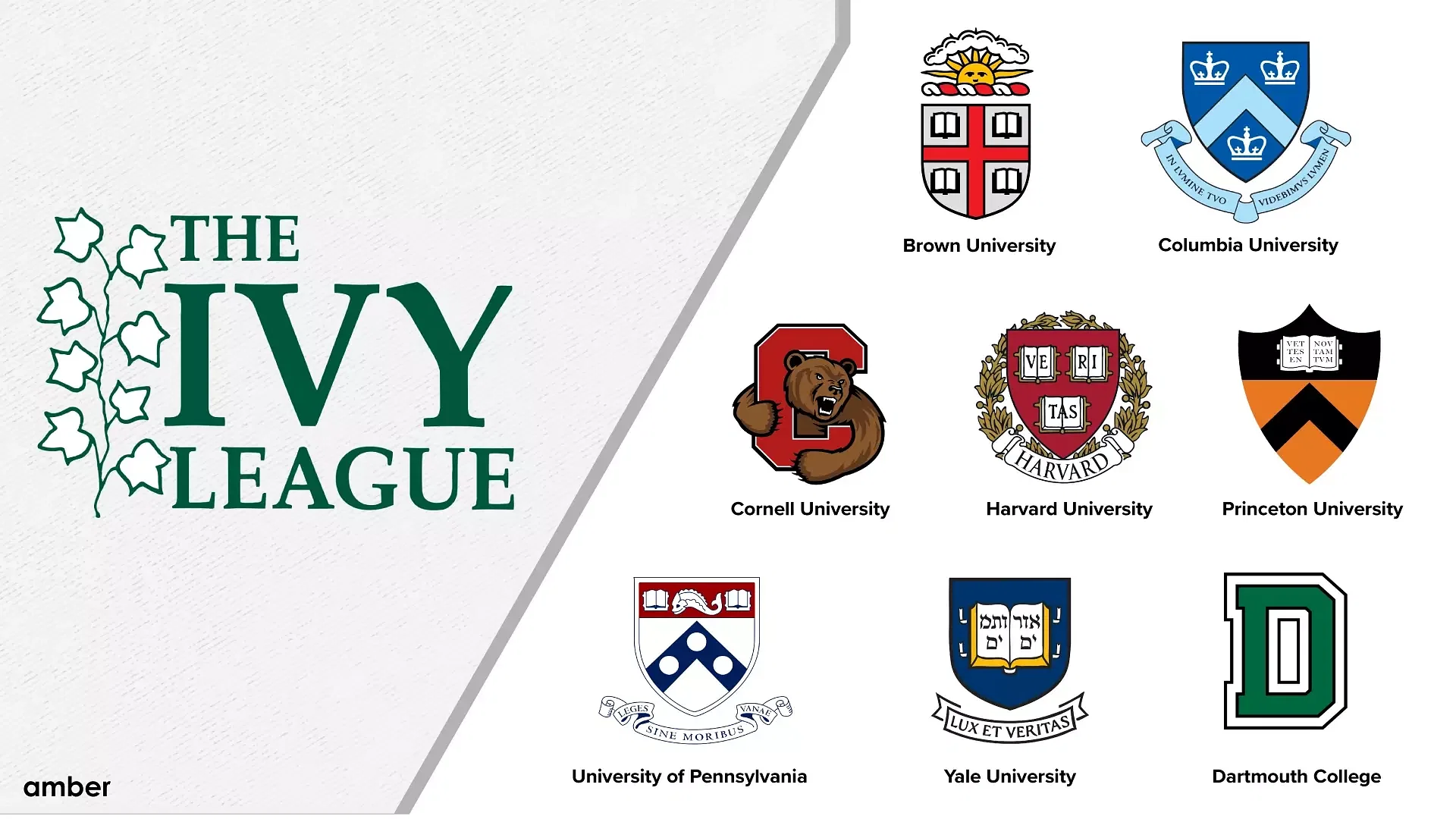
At its core, the Ivy League is an athletic conference comprising eight private universities in the Northeastern United States. These institutions are Brown University, Columbia University, Cornell University, Dartmouth College, Harvard University, the University of Pennsylvania, Princeton University, and Yale University. The conference was formally established in 1954, though the athletic rivalries and academic camaraderie among these schools date back much further, even to the colonial era for some.
Historically, these universities were among the oldest and most prominent institutions of higher learning in the country, attracting students from affluent backgrounds and serving as bastions of intellectual and social elite. Their prestige grew over centuries, associating the name “Ivy League” not just with competitive sports but also with unparalleled academic quality, extensive research opportunities, and a network of influential alumni. It’s this association that has cemented the term “Ivy League” in the public consciousness as a shorthand for top-tier education.
Beyond the Name: Shared Traits of Elite Institutions
While the Ivy League is technically an athletic conference, the widespread misapplication of the term stems from the common characteristics these schools share with other highly selective universities like the University of Chicago, Stanford University, MIT, and Duke University. These shared traits include:
- Exceptional Academic Rigor: All these institutions are known for their demanding curricula, high academic standards, and commitment to intellectual inquiry.
- Cutting-Edge Research: They are leading research universities, often at the forefront of scientific discovery, technological innovation, and advancements in the humanities and social sciences.
- Highly Selective Admissions: Gaining admission to any of these schools is incredibly competitive, with acceptance rates often in the single digits, attracting the brightest students globally.
- World-Class Faculty: They boast faculty rosters filled with Nobel laureates, MacArthur Fellows, Pulitzer Prize winners, and leaders in their respective fields.
- Robust Resources and Endowments: Substantial financial resources allow for state-of-the-art facilities, extensive libraries, diverse programs, and generous financial aid.
- Global Recognition and Prestige: A degree from these universities carries significant weight and recognition worldwide, opening doors to top graduate programs and career opportunities.
It’s within this context of shared excellence that the University of Chicago consistently finds itself ranked alongside, and often above, many Ivy League institutions, leading to the common confusion.
The University of Chicago: A Powerhouse in Its Own Right
Founded in 1890, the University of Chicago quickly established itself as a beacon of intellectual thought and groundbreaking research. Located in the vibrant Hyde Park neighborhood of Chicago, it has cultivated a unique identity centered on rigorous academic inquiry and a distinctive educational philosophy.
A Legacy of Academic Excellence and Innovation
The University of Chicago’s impact on the world of ideas is immense. It has been instrumental in the development of various academic disciplines and intellectual movements. The ” Chicago School of Economics ” (a distinct proper noun here due to its specific historical context) revolutionized economic thought, producing numerous Nobel laureates who reshaped our understanding of markets, monetary policy, and human behavior. Similarly, the ” Chicago School of Sociology ” pioneered urban sociology, ethnographic research, and symbolic interactionism.
Beyond economics and sociology, UChicago has been a hub for scientific breakthroughs. It was here, under the leadership of Enrico Fermi (another potential proper noun if detailed further, but I’ll stick to general proper nouns for now), that the first self-sustaining nuclear chain reaction was achieved, a pivotal moment in the history of science and the dawn of the atomic age. This legacy of pushing the boundaries of knowledge continues across all departments, from the physical sciences to the humanities. The university boasts a staggering number of Nobel laureates associated with its faculty, researchers, and alumni – a testament to its consistent production of world-changing intellect.
Distinctive Educational Philosophy
One of the defining characteristics of the University of Chicago is its profound commitment to intellectual inquiry and critical thinking, encapsulated in its famous “Core Curriculum.” This rigorous sequence of courses in the humanities, social sciences, physical sciences, and biological sciences ensures that all undergraduates receive a broad, liberal arts education, fostering intellectual depth and versatility. The emphasis is not just on memorizing facts but on engaging with foundational texts, debating complex ideas, and developing robust analytical skills.
The academic culture at UChicago is often described as intense, even famously so. Students are encouraged to challenge assumptions, engage in spirited debate, and pursue knowledge for its own sake. This environment attracts a specific type of student: intellectually curious, self-motivated, and eager to immerse themselves in a challenging academic journey. It’s a place where theoretical discussions are paramount, and the pursuit of fundamental understanding is celebrated.
Research Prowess and Global Impact
As a major research university, UChicago plays a significant role in advancing knowledge across a vast array of fields. Its faculty are leaders in their disciplines, contributing to scholarly journals, leading major research initiatives, and shaping public discourse. The university operates numerous research centers and institutes, collaborating with national laboratories like the Argonne National Laboratory and the Fermi National Accelerator Laboratory (Fermilab).
The global reach of UChicago extends through its international programs, research partnerships, and a network of accomplished alumni who hold influential positions in academia, government, business, and the arts worldwide. The institution’s commitment to tackling grand challenges, from climate change to social inequality, underscores its role as a globally recognized intellectual leader.
Comparing UChicago to the Ivy League
When comparing the University of Chicago to Ivy League institutions, it’s clear that while the formal designation differs, their standing in the landscape of elite education is remarkably similar.
Reputation and Selectivity: On Par with the Best
In terms of academic rankings, selectivity, and the intellectual caliber of its students and faculty, the University of Chicago consistently ranks alongside or above many Ivy League universities. Its acceptance rates are among the lowest in the nation, rivaling those of Harvard or Yale. Students admitted to UChicago often have profiles that would easily gain them entry to any of the Ivies, reflecting similar levels of academic achievement, extracurricular engagement, and intellectual promise.
Employers and graduate schools universally recognize the rigorous education provided by UChicago, viewing its graduates as exceptionally well-prepared for demanding careers and advanced studies. The university’s strong emphasis on critical thinking and analytical skills is highly valued in diverse fields, from finance and law to scientific research and public policy.
Differences in Culture and Location
While academic rigor is a common thread, there can be subtle differences in the institutional cultures and geographical settings that set UChicago apart from some Ivy League schools. Many Ivy League universities are situated in smaller, more traditional college towns (e.g., Princeton, Dartmouth), though some are in major cities (Columbia, Penn). The University of Chicago is distinctly urban, nestled within the sprawling metropolis of Chicago. This location offers students unparalleled access to urban resources, cultural institutions, internship opportunities, and a diverse city life, which can be a significant draw for many.
The student body at UChicago is often characterized by its intense intellectual curiosity, a passion for abstract thought, and sometimes a quirky, idiosyncratic charm. While Ivy League schools also attract highly intellectual students, the “UChicago intellectual” stereotype often highlights a particularly intense and debate-oriented academic environment.
Why the Distinction Matters (or Doesn’t) for Prospective Students
For prospective students, the question of whether UChicago is “Ivy League” is largely a matter of semantics. If one is seeking an institution defined by its top-tier academics, world-class faculty, groundbreaking research, and highly selective admissions, then the University of Chicago unequivocally fits the bill, standing shoulder-to-shoulder with the very best universities globally, including the Ivies.
The absence of the “Ivy League” label does not diminish its standing; rather, it highlights that excellence in American higher education extends far beyond the confines of a single athletic conference. What truly matters is finding the right fit – an institution whose academic philosophy, intellectual environment, and campus culture align with one’s personal and academic aspirations. For many, UChicago offers a unique and profoundly enriching experience that is distinct from, yet every bit as prestigious as, its Ivy League counterparts.
Experiencing the University of Chicago and Its Surroundings
Beyond its academic prestige, the University of Chicago campus and its surrounding Hyde Park neighborhood offer a rich tapestry of history, architecture, and cultural experiences for visitors, whether they are prospective students, proud parents, or simply tourists exploring one of America’s great cities. Integrating the university visit into a broader Chicago itinerary provides a fantastic travel experience, showcasing the best of education, culture, and urban exploration.
Exploring the Historic Campus and Hyde Park
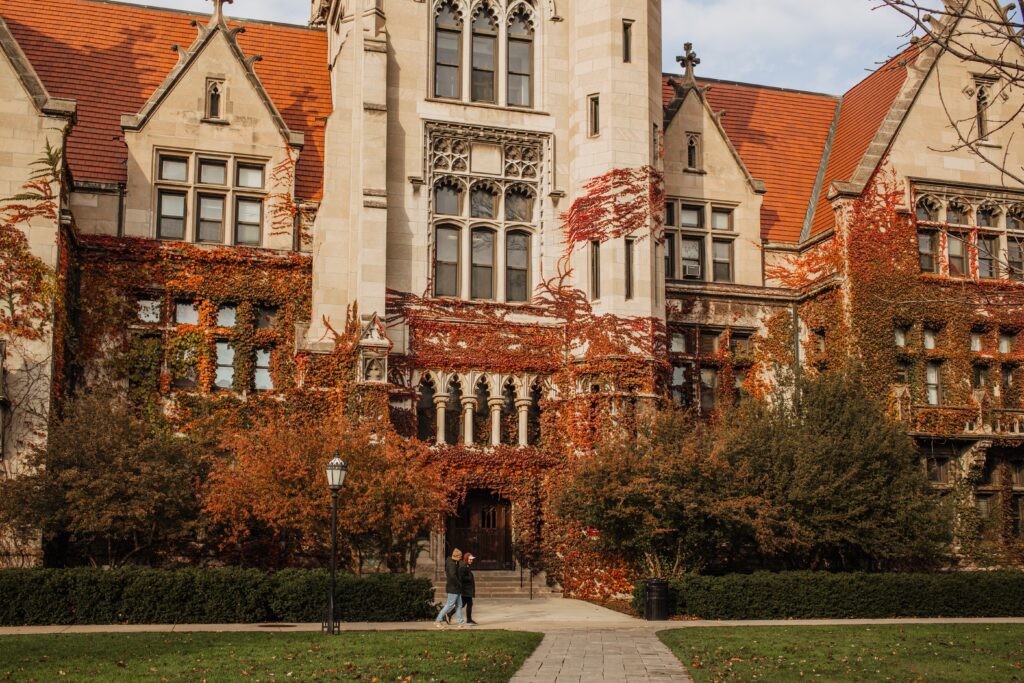
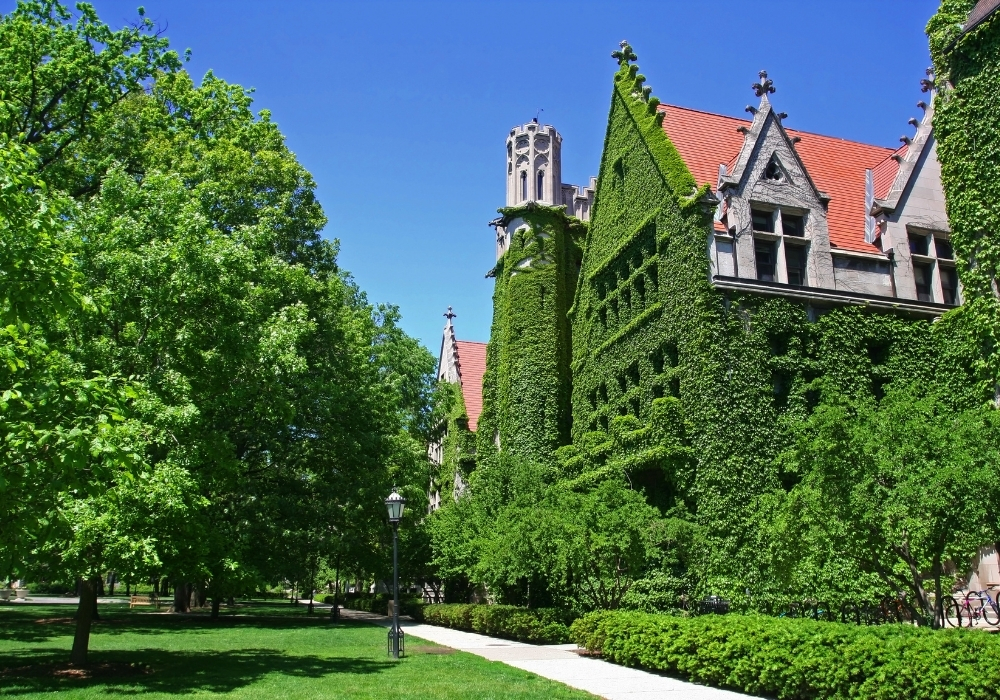
The University of Chicago campus itself is a destination. Renowned for its stunning Gothic architecture, often compared to the venerable universities of Oxford and Cambridge, it features iconic buildings like the majestic Rockefeller Chapel, the grand Harper Memorial Library, and the impressive Law School complex. A stroll through the quadrangles reveals intricate stonework, gargoyles, and serene courtyards, transporting visitors to a different era.
Within the Hyde Park neighborhood, visitors can explore:
- Museum of Science and Industry: Housed in the magnificent Palace of Fine Arts from the 1893 World’s Columbian Exposition, this museum is one of the largest science museums in the world, offering interactive exhibits that appeal to all ages.
- Robie House: A masterpiece of Frank Lloyd Wright’s Prairie style architecture, offering guided tours that delve into its innovative design and history.
- Jackson Park: Designed by Frederick Law Olmsted (another potential proper noun to link if the context allowed for a deeper dive), the landscape architect behind Central Park, this expansive park borders the university and offers scenic views of Lake Michigan, walking paths, and recreational areas.
- Obama Residence: While not open to the public, the former home of President Barack Obama and his family in Hyde Park is a notable landmark that draws visitors to the area, reflecting the neighborhood’s rich history.
Accommodations and Dining in and Around Campus
For those visiting the University of Chicago, Hyde Park offers a variety of accommodation options, from boutique hotels to more standard stays. The Sophy Hyde Park is a popular upscale choice, known for its stylish design and proximity to campus. Another convenient option is the Hyatt Place Chicago-South/University Medical Center, which provides comfortable rooms and easy access to university facilities. For those seeking more economical or long-term stays, various apartment rentals are available through platforms like Airbnb.
Dining in Hyde Park caters to diverse tastes, from casual student-friendly cafes to sophisticated restaurants. You can find everything from classic American fare to ethnic cuisine, ensuring a satisfying culinary experience during your visit. Many establishments offer a local flavor, reflecting the neighborhood’s diverse community.
Discovering the Wider City of Chicago
A visit to UChicago is incomplete without experiencing the dynamic city of Chicago itself. Just a short train or bus ride away, downtown Chicago offers world-class attractions:
- The Magnificent Mile: For luxury shopping, dining, and iconic skyscrapers.
- Art Institute of Chicago: One of the oldest and largest art museums in the United States, boasting an extraordinary collection spanning centuries and continents.
- Millennium Park: Home to the famous “Bean” sculpture (Cloud Gate), Jay Pritzker Pavilion, and beautiful gardens.
- Navy Pier: Offers family-friendly attractions, boat tours on Lake Michigan, and stunning city skyline views.
- Chicago Riverwalk: A vibrant pathway along the Chicago River, perfect for scenic walks, dining, and architectural boat tours that showcase the city’s legendary buildings.
- Culinary Scene: Chicago is a food lover’s paradise, famous for its deep-dish pizza, but also home to numerous Michelin-starred restaurants and a vibrant, diverse food scene. Exploring local eateries, from upscale dining to casual street food, is a highlight of any trip.
Whether you’re interested in historical landmarks, contemporary art, or simply soaking in the urban atmosphere, Chicago provides an endless array of activities, making it an ideal destination for various travel lifestyles, from luxury trips to family vacations.
Planning Your Visit: Tips for Prospective Students and Tourists
When planning a trip to the University of Chicago or the wider city, consider the following:
- Best Time to Visit: Spring and fall offer pleasant weather for exploring the campus and city. Summer is vibrant but can be hot, while winter is often very cold but can have festive charm.
- Transportation: Hyde Park is accessible via public transportation from downtown Chicago. The university also provides shuttle services for students and visitors.
- Campus Tours: Prospective students should book official campus tours and information sessions well in advance to get a comprehensive overview of academic programs and student life.
- Accommodation Booking: Hotels, especially those near campus, can fill up quickly during peak seasons (e.g., orientation, graduation, major sporting events). Booking in advance is highly recommended.
- Explore Local Culture: Don’t hesitate to venture beyond the main campus. Hyde Park has a rich history and a strong sense of community, with independent bookstores, coffee shops, and diverse cultural events.
In conclusion, while the University of Chicago is not formally part of the Ivy League, it undeniably belongs to the elite echelon of global universities. Its profound academic rigor, revolutionary research, and distinctive intellectual culture place it firmly among the world’s most prestigious institutions. For anyone seeking a top-tier education or an enriching travel experience in a dynamic urban setting, the University of Chicago and the city of Chicago offer an unparalleled journey of discovery. Its independent path has allowed it to cultivate a unique identity, one that continues to attract and shape some of the brightest minds from across the globe, solidifying its place as an academic titan in its own right.
LifeOutOfTheBox is a participant in the Amazon Services LLC Associates Program, an affiliate advertising program designed to provide a means for sites to earn advertising fees by advertising and linking to Amazon.com. Amazon, the Amazon logo, AmazonSupply, and the AmazonSupply logo are trademarks of Amazon.com, Inc. or its affiliates. As an Amazon Associate we earn affiliate commissions from qualifying purchases.