
The enduring allure of musical theatre captivates audiences worldwide, offering a unique blend of storytelling, music, and performance that transcends mere entertainment. Among the pantheon of classic productions, Chicago stands out as a timeless masterpiece, a sizzling satire on crime, media, and celebrity that has enchanted millions across generations. For travelers seeking an enriching cultural experience, immersing oneself in the world of Chicago can be the highlight of a trip, whether you’re planning a sophisticated New York City getaway to catch a Broadway show, or an elegant escape to London‘s West End. Understanding what makes this musical so special, from its historical roots to its vibrant themes, can help shape your travel itinerary, ensuring you not only witness a spectacular performance but also craft a memorable journey around it.

At its heart, Chicago is more than just a musical; it’s a commentary on society’s obsession with sensationalism, a darkly comedic look at the justice system, and a celebration of powerful female characters fighting for their place in a man’s world. Its iconic score, sharp wit, and distinctive choreographic style have cemented its place in theatrical history, making it a must-see for anyone interested in arts, culture, and a dose of rebellious charm. Whether you’re a seasoned theatre-goer or planning your first cultural tourism adventure, delving into the world of Chicago promises an unforgettable experience that can be seamlessly integrated into a broader travel and lifestyle exploration.
The Allure of the Roaring Twenties: Setting the Scene in Chicago
The musical Chicago transports its audience back to the decadent and dangerous world of the 1920s, an era defined by jazz, flappers, speakeasies, and a burgeoning media culture. While the story unfolds against the backdrop of the city of Chicago itself, the geographical setting is more than just a stage; it’s a character, steeped in history and a certain gritty glamour that perfectly complements the narrative. Often referred to as “The Windy City,” Chicago in the 1920s was a hub of industrial growth, cultural innovation, and, notoriously, organized crime. This vibrant atmosphere provides the perfect canvas for a story that satirizes the public’s fascination with criminals who become celebrities.
The story of Chicago is actually inspired by real-life crimes and the subsequent media frenzy that gripped the city in the early 20th century. Journalist Maurine Dallas Watkins, who covered the sensational murder trials for the Chicago Tribune, later wrote a play based on her experiences. This play eventually became the source material for the musical created by John Kander, Fred Ebb, and Bob Fosse. The musical perfectly captures the era’s cynicism and the burgeoning concept of “trial by media,” where public opinion and press manipulation often trumped actual justice. The costume design, music, and choreography all echo the distinct aesthetic of the Roaring Twenties, from the slinky flapper dresses to the bold, sensual jazz movements that Bob Fosse’s choreography made famous.
For those planning a travel itinerary that incorporates a visit to Chicago itself, exploring the city’s rich history and architectural landmarks can provide an even deeper appreciation for the musical’s setting. While the show is typically seen on Broadway or the West End, understanding the real city’s character adds another layer to the performance. You could consider a stay at a luxurious Chicago hotel like The Langham, Chicago to fully immerse yourself in the city’s sophisticated side, perhaps enjoying a classic cocktail in a jazz-inspired lounge to truly channel the spirit of the era. This integration of the musical’s context with real-world tourism opportunities elevates a simple theatre outing into a comprehensive cultural exploration, fulfilling aspects of both travel and lifestyle interests.
A Tale of Crime, Celebrity, and Justice: The Plot of Chicago
At its core, Chicago unravels a darkly humorous narrative centered around two ambitious murderesses, Roxie Hart and Velma Kelly, who find themselves incarcerated in 1920s Chicago’s Cook County Jail. The musical masterfully blends a compelling plot with sharp social commentary, exploring themes of ambition, corruption, and the manipulative power of the media.
Roxie Hart’s Desperate Bid for Stardom
The story begins with Roxie Hart, a naive but cunning chorus girl, who murders her lover, Fred Casely, after he threatens to leave her. Initially distraught, Roxie quickly realizes that her crime, if sensational enough, could be her ticket to fame. Inspired by the notoriety of other female murderers, she concocts a tale of self-defense, claiming Fred was a burglar. She leverages her situation, and with the help of the charismatic and notoriously successful lawyer, Billy Flynn, Roxie aims to become the city’s next media darling. Her journey from obscure chorus girl to celebrated criminal is a biting satire on the public’s thirst for scandal and the ease with which infamy can be mistaken for celebrity. Roxie’s character perfectly embodies the show’s critique of the American Dream, where even murder can be repackaged as a path to stardom. Her ambition drives much of the narrative, as she constantly manipulates those around her – her husband Amos, her lawyer Billy, and the press – to keep herself in the spotlight.
Velma Kelly and the Battle for the Spotlight
Roxie’s aspirations immediately clash with Velma Kelly, a vaudeville star who is already imprisoned for murdering her sister and husband after discovering them together. Velma is the reigning “media darling” of Cook County Jail, expertly managing her image and anticipating an acquittal that will allow her to return to the stage even more famous than before. Her signature song, “All That Jazz,” sets the tone for the entire musical – a blend of seductive glamour and underlying darkness. Velma sees Roxie as a direct threat to her celebrity and carefully crafted narrative. The rivalry between Roxie and Velma forms the comedic and dramatic backbone of Chicago. They constantly vie for the attention of the press, the public, and most importantly, their shared lawyer, Billy Flynn. This fierce competition highlights the fleeting nature of fame and how quickly public favor can shift, turning yesterday’s sensation into tomorrow’s forgotten headline. Velma’s struggle to reclaim her spotlight is a poignant reflection of an artist’s desperation to remain relevant, even in the most dire circumstances.
Billy Flynn: The Master Manipulator
Central to both Roxie and Velma’s hopes for freedom is Billy Flynn, a slick, charismatic, and morally ambiguous lawyer renowned for never losing a case involving a female client. Billy doesn’t practice law as much as he performs it; he orchestrates public opinion through carefully crafted stories, manipulating the press and public sentiment to secure acquittals for his clients. He charges exorbitant fees, but his results speak for themselves. His iconic number, “Razzle Dazzle,” perfectly encapsulates his philosophy: confuse them, blind them with spectacle, and they’ll never see the truth. Billy uses the media as his personal stage, turning trials into theatrical productions. He coaches his clients on how to present themselves, spinning tales of woe and innocence, effectively turning them into tragic figures rather than cold-blooded killers. His character is the ultimate critique of a justice system that can be swayed by performance and public relations, rather than facts and evidence. Through Billy, the musical critiques the commodification of justice and the entertainment value placed on human suffering.
The plot of Chicago is a masterful tapestry of individual ambition, societal critique, and unforgettable musical numbers. It’s a show that leaves audiences not only entertained but also pondering deeper questions about fame, justice, and the power of perception.
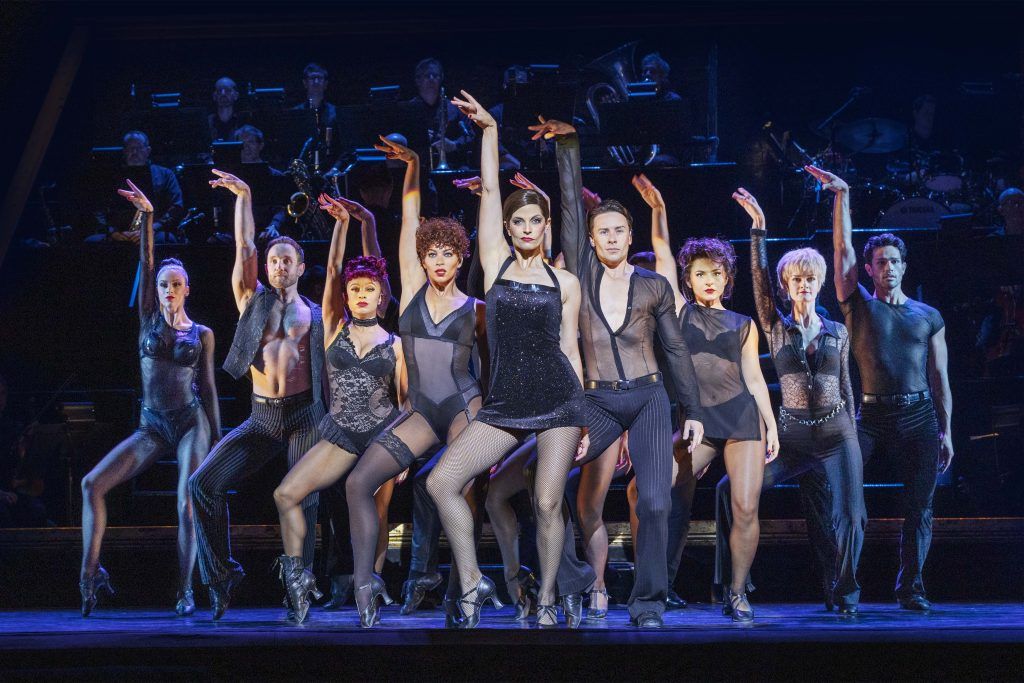
The Legacy and Impact: From Broadway to the Silver Screen
The musical Chicago has enjoyed an extraordinary journey, from its initial Broadway debut in 1975 to its highly successful revival in 1996, becoming one of the longest-running shows in Broadway history. Its global reach extends to numerous international productions, including a prominent presence on London’s West End, as well as productions in cities like Paris, Sydney, and beyond. This enduring popularity speaks volumes about its timeless themes and powerful execution. The original production, directed and choreographed by the legendary Bob Fosse, was nominated for several Tony Awards. The 1996 revival, however, resonated even more deeply with audiences and critics, earning multiple Tony Awards, including Best Revival of a Musical, and cementing its status as a theatrical phenomenon. On the West End, it has also garnered critical acclaim and Laurence Olivier Awards, proving its universal appeal.
The musical’s influence wasn’t confined to the stage. In 2002, Chicago made a triumphant leap to the big screen, directed by Rob Marshall. The film adaptation, starring Renée Zellweger as Roxie Hart, Catherine Zeta-Jones as Velma Kelly, and Richard Gere as Billy Flynn, was a critical and commercial success. It garnered six Academy Awards, including Best Picture, making it the first musical to win the top Oscar in 34 years. It also received numerous Golden Globe awards, further solidifying its cultural impact. The film introduced Chicago‘s iconic songs and storyline to an even wider global audience, ensuring its legacy for future generations. The movie brilliantly translated Bob Fosse’s distinctive choreographic style and the musical’s satirical edge, cementing its status as a modern classic.
Experiencing Chicago live, whether on Broadway or the West End, is an integral part of a rich cultural tourism experience. For lifestyle enthusiasts, attending such a celebrated production can be a highlight of a trip, combining the thrill of live performance with the prestige of visiting world-renowned theatre districts. It speaks to a taste for refined entertainment and a desire to engage with cultural touchstones. Many travelers plan entire itineraries around seeing a particular show, turning a simple night at the theatre into a luxurious getaway or a meticulously planned budget travel adventure.
Planning Your Theatrical Getaway: Experiencing Chicago Live
A trip to see Chicago is not just about the two hours in the theatre; it’s an opportunity to craft an entire travel experience. Whether you opt for the glitz of Broadway or the charm of the West End, planning your visit carefully can enhance your overall enjoyment and transform a simple show into an unforgettable cultural tourism adventure.
Choosing Your Destination: New York City or London’s West End?
The decision between seeing Chicago in New York City or London often depends on your broader travel plans and preferences. Broadway, located in the heart of Manhattan near Times Square, offers an unparalleled energy and the chance to experience American theatrical history firsthand. The current Broadway revival of Chicago has primarily played at the Ambassador Theatre and Shubert Theatre over its long run. A trip to New York City allows for exploring iconic landmarks like Central Park, Rockefeller Center, and the Museum of Modern Art, alongside world-class dining and shopping.
Alternatively, London’s West End offers a distinctly British theatrical experience, with its historic theatres nestled in vibrant areas like Soho and Covent Garden. While Chicago has had runs at several West End venues, including the Phoenix Theatre and the Theatre Royal Drury Lane, the experience is consistently thrilling. London boasts its own array of famous landmarks such as Big Ben and The Shard, alongside a rich tapestry of history and diverse cultural offerings. Both destinations provide an exceptional backdrop for a theatrical escape, catering to different tastes in urban exploration and cultural immersion. For those considering a more extensive international travel itinerary, extending your journey to other cultural hubs like Los Angeles or Las Vegas, which also host touring productions of Chicago, could be an option.
Finding the Perfect Accommodation
Your choice of accommodation can significantly influence your overall travel experience. For a luxurious theatrical getaway, consider high-end hotels that offer proximity to the theatre district, exceptional amenities, and concierge services. In New York City, a stay at a landmark hotel like The Plaza Hotel or the Grand Hyatt Hotel can elevate your trip into a truly opulent experience, complete with fine dining and easy access to Broadway shows. In London, the historic elegance of The Ritz London or an upscale resort from InterContinental Hotels & Resorts offers similar levels of prestige and comfort.
For those on a budget travel plan, there are numerous excellent options, from boutique hotels and serviced apartments to well-regarded chains like Marriott International, Hilton Worldwide, Travelodge, and Premier Inn that provide comfortable and convenient stays without breaking the bank. Many travelers also opt for long-term stay accommodation options like rental apartments for a more immersive local experience, especially if their trip extends beyond a few days. Utilizing online booking platforms and reading detailed reviews can help you compare prices and amenities to find the perfect fit for your lifestyle and budget. Whether you seek suites with breathtaking city views or a cozy apartment in a vibrant neighborhood, careful planning ensures your accommodation complements your theatrical adventure perfectly.
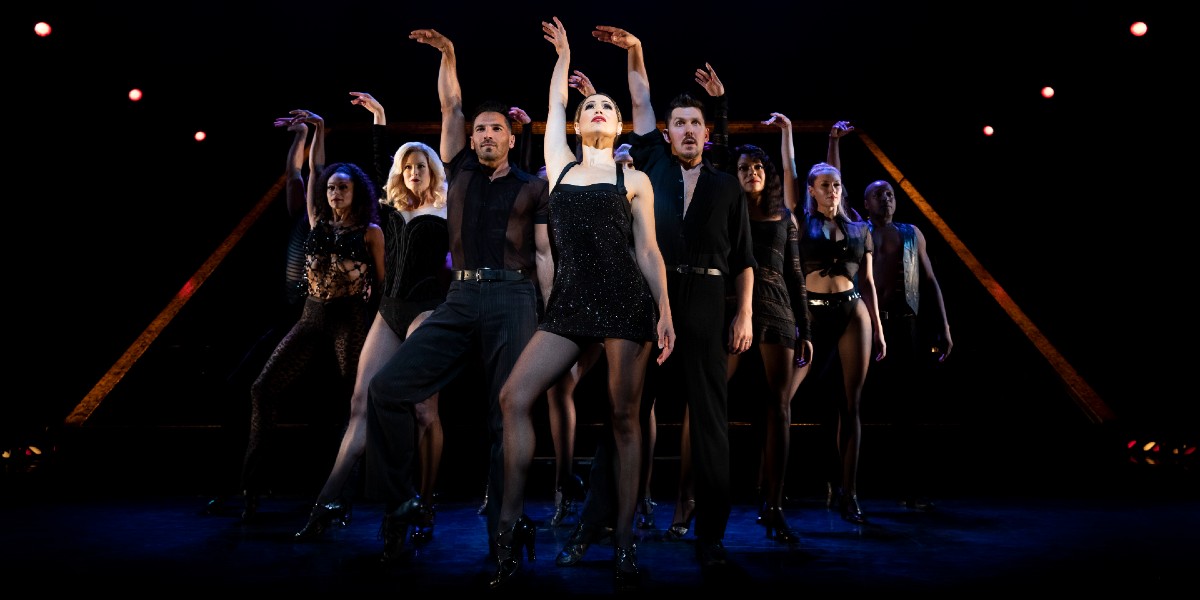
Beyond the Show: Maximizing Your Cultural Tourism Experience
Seeing Chicago is just one component of a holistic cultural tourism experience. To truly maximize your trip, consider integrating other elements of local culture, food, and activities. Before the show, indulge in a pre-theatre dinner at a renowned restaurant – perhaps a Michelin-starred establishment in New York City or a classic British pub meal in London. Many restaurants in theatre districts offer special pre-show menus designed for theatre-goers, ensuring you make it to your seats on time. After the curtain call, explore the vibrant nightlife, whether it’s a sophisticated cocktail bar in Manhattan or a historic pub in London’s Covent Garden, to discuss the performance and soak in the city’s atmosphere.
During your stay, take time to explore the city’s other attractions. In New York City, this might mean a stroll through Central Park, visiting a museum, or taking a ferry ride to see the Statue of Liberty. In London, explore the historic Tower of London, visit the British Museum, or enjoy a ride on the London Eye. Such activities not only enrich your travel experience but also provide context to the cultural tapestry from which shows like Chicago emerge. For business stays, weaving in a theatrical experience can offer a welcome break and cultural enrichment. Even family trips, if the content is deemed appropriate, can benefit from integrating a celebrated musical into their itinerary, broadening horizons and creating shared memories. Maximizing your cultural tourism means embracing all aspects of your chosen destination, making your visit a truly comprehensive and unforgettable adventure.
Chicago is a musical that continues to resonate with audiences because of its brilliant blend of razor-sharp satire, iconic music, and electrifying choreography. Its story of crime, celebrity, and corruption in the Roaring Twenties remains remarkably relevant today, offering both dazzling entertainment and thought-provoking social commentary. Whether you’re drawn to its historical context, its unforgettable characters, or its enduring legacy, experiencing Chicago live is more than just attending a show – it’s an immersive cultural event. By thoughtfully planning your travel, selecting the right accommodation, and integrating other tourism and lifestyle elements into your trip, you can transform a theatre outing into a comprehensive and truly memorable adventure, celebrating the very best of live entertainment and global exploration.
LifeOutOfTheBox is a participant in the Amazon Services LLC Associates Program, an affiliate advertising program designed to provide a means for sites to earn advertising fees by advertising and linking to Amazon.com. Amazon, the Amazon logo, AmazonSupply, and the AmazonSupply logo are trademarks of Amazon.com, Inc. or its affiliates. As an Amazon Associate we earn affiliate commissions from qualifying purchases.