
Chicago, the bustling metropolis nestled on the shores of Lake Michigan in the United States, is renowned for many things: its towering architecture, vibrant arts scene, delectable deep-dish pizza, and its truly distinctive, four-season weather. Understanding Chicago’s climate is not just about packing the right clothes; it’s fundamental to planning an unforgettable trip, whether you’re seeking a luxury escape, a budget-friendly adventure, a family vacation, or a crucial business stay. From scorching summers to icy winters, and everything in between, the Windy City’s weather profoundly shapes the travel experiences, available activities, and even the ideal accommodation choices for visitors. This comprehensive guide will delve into the nuances of Chicago’s weather patterns throughout the year, offering insights into how each season impacts tourism, hotels, landmarks, and lifestyle, ensuring you’re perfectly prepared for your journey to Illinois.
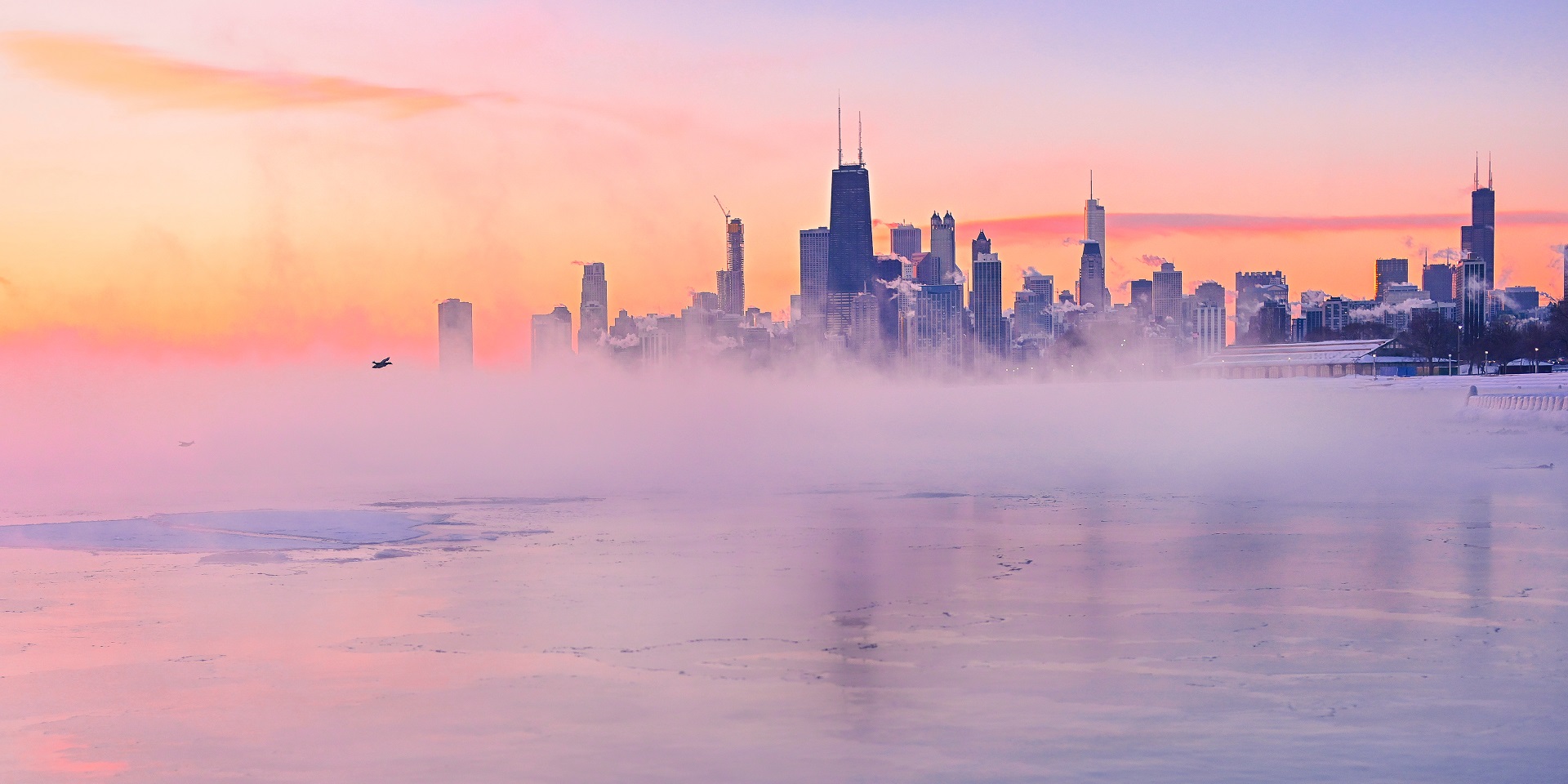
Navigating Chicago’s Four Distinct Seasons
Chicago’s geographical location gives it a humid continental climate, characterized by warm to hot, often humid summers, and cold, snowy, and windy winters. The transitional seasons of spring and autumn offer a delightful, albeit sometimes unpredictable, blend of weather. Each season brings its own charm and challenges, dictating the best times to visit certain attractions, indulge in specific activities, or secure the most suitable accommodations.
Embracing the Joys of Chicago Spring (March – May)
As the remnants of winter begin to recede, Chicago slowly awakens to the promise of spring. March can still feel quite wintry, with lingering cold temperatures and the possibility of late snowfalls. However, by April, temperatures typically range from the 40s to 60s Fahrenheit (4-15°C), bringing milder days and more frequent rainfall. May is generally the most pleasant spring month, with average temperatures climbing into the 50s and 70s Fahrenheit (10-20°C), though sudden temperature drops and thunderstorms are not uncommon.
Travel and Tourism: Spring is a time of renewal. Outdoor patios begin to reopen, city parks like Lincoln Park burst into bloom, and the city’s vibrant street life gradually returns. Boat tours along the Chicago River and Lake Michigan typically resume in late April or early May, offering stunning architectural views under increasingly pleasant skies. It’s an excellent time for exploring neighborhoods on foot, visiting the Lincoln Park Zoo without the summer crowds, or catching a baseball game at Wrigley Field in Wrigleyville.
Accommodation and Lifestyle: Spring is often considered a shoulder season, meaning you can frequently find better deals on hotels compared to the peak summer months. It’s an ideal time for budget travelers looking to experience Chicago before the rush. Family trips can enjoy a balance of indoor and outdoor activities, with museums like the Art Institute of Chicago or the Field Museum providing excellent rainy-day alternatives. Business travelers will find fewer tourist crowds, potentially making commutes smoother. When packing, think layers: a light jacket, sweaters, waterproof outerwear, and comfortable walking shoes are essential for navigating the unpredictable spring weather.
Sizzling Summer in the Windy City (June – August)
Chicago truly shines in the summer months. From June to August, the city basks in warm to hot temperatures, frequently reaching into the 80s and sometimes 90s Fahrenheit (27-32°C and above). Humidity can be high, and while sunshine is abundant, afternoon thunderstorms are common, often providing a dramatic, albeit brief, respite from the heat. The long daylight hours and generally pleasant evenings make this the most popular time to visit.
Travel and Tourism: Summer is prime festival season in Chicago. From the colossal music festival Lollapalooza in Grant Park to the renowned Taste of Chicago, there’s always an event or outdoor activity happening. The city’s beaches, such as North Avenue Beach, become bustling hubs for sunbathing, swimming, and beach volleyball. A visit to Navy Pier for carnival rides and fireworks is a quintessential summer experience. Architecture boat tours are at their peak, offering unparalleled views of the city’s iconic skyscrapers like the Willis Tower and the John Hancock Center from the water. Evenings are perfect for outdoor dining along the Chicago Riverwalk or enjoying rooftop bars with panoramic city views. Landmarks like Cloud Gate (The Bean) and Buckingham Fountain in Grant Park are best enjoyed under the summer sun.
Hotels and Accommodation: As the peak tourist season, summer sees the highest hotel prices and demand. Booking well in advance is crucial, especially for popular properties like the Hyatt Regency Chicago or the historic Palmer House Hilton. Hotels with excellent air conditioning, and amenities like outdoor or indoor pools, become highly desirable for cooling off after a day of sightseeing. For luxury travelers, resorts and suites offering concierge services to navigate the busy city are invaluable. Budget travelers might consider booking apartments or villas further from the city center and utilizing Chicago’s efficient public transport.
The Golden Hues of Chicago Autumn (September – November)
Autumn in Chicago is often regarded as one of the most beautiful times to visit. September typically extends the warmth of summer, with pleasant temperatures in the 60s and 70s Fahrenheit (15-20°C). As October progresses, the air becomes crisp, and the surrounding parks and boulevards transform into a spectacular canvas of red, orange, and gold foliage. Temperatures generally range from the 40s to 60s Fahrenheit (4-15°C). November ushers in colder weather, often dipping into the 30s and 40s Fahrenheit (0-10°C), with the first hints of winter snow possible, especially later in the month.

Travel and Tourism: The fall colors provide a stunning backdrop for exploring Chicago’s architecture and natural spaces. Scenic walks through Lincoln Park or along the Lakefront Trail are particularly enjoyable. Fall festivals celebrating harvest and local produce abound. It’s an ideal time for food tours, savoring the city’s renowned culinary scene, from fine dining to cozy neighborhood eateries. The cooler temperatures make it comfortable for longer strolls along the Magnificent Mile for shopping.
Lifestyle and Accommodation: Autumn is another excellent shoulder season, particularly in September and early October, offering a pleasant balance of good weather and fewer crowds than summer. This can translate into better accommodation rates at upscale properties like The Peninsula Chicago or the Langham Chicago. It’s a popular time for romantic getaways, with couples enjoying cozy dinners and scenic strolls. Family trips can still enjoy outdoor activities, transitioning to indoor attractions as the weather cools. Packing should include layers, a medium-weight jacket, and comfortable, water-resistant shoes.
Winter Wonderland or Chilly Challenge? (December – February)
Chicago’s winters are legendary for their cold temperatures, heavy snowfall, and biting winds, truly earning the city its “Windy City” moniker. Average temperatures often hover in the 20s and 30s Fahrenheit (-5 to 0°C), frequently dipping into single digits or below zero (-18°C) during cold snaps. Snowfall can be significant, and the wind chill factor can make it feel much colder. While challenging, winter also transforms Chicago into a magical, festive wonderland.
Travel and Tourism: Don’t let the cold deter you; winter in Chicago offers a unique array of experiences. The city embraces the season with outdoor ice skating rinks in Millennium Park (with the iconic Cloud Gate as a backdrop) and Maggie Daley Park. The German-inspired Christkindlmarket is a beloved holiday tradition, offering festive food, drinks, and artisan crafts. This is the perfect season to explore Chicago’s world-class indoor attractions: spend hours at the Art Institute of Chicago, marvel at ancient artifacts at the Field Museum, discover marine life at the Shedd Aquarium, or explore science and technology at the Museum of Science and Industry. Broadway shows, live music venues, and a thriving culinary scene provide warmth and entertainment.
Hotels and Accommodation: Winter can be a great time for budget travel, as hotel prices tend to drop significantly outside of the holiday season. Many luxury hotels, such as the Waldorf Astoria Chicago or Thompson Chicago, offer attractive packages, including spa treatments, fine dining, and cozy amenities perfect for escaping the cold. Look for accommodations with heated indoor pools, warm lobbies, and easy access to public transportation or the Pedway, Chicago’s underground tunnel system connecting various buildings. For business stays, the city remains fully operational, and indoor conference facilities are plentiful. Packing warm clothing is paramount: heavy coats, hats, gloves, scarves, and waterproof, insulated boots are non-negotiable.
Beyond the Forecast: Planning Your Chicago Trip by Season
Regardless of when you choose to visit, a well-planned itinerary and appropriate preparation will ensure a delightful Chicago experience. Understanding the general weather patterns allows you to tailor your activities and expectations, making the most of what this dynamic city has to offer.
Packing Essentials for Every Chicago Climate
The key to enjoying Chicago’s diverse weather is smart packing.
- Spring and Fall: Layers are your best friend. Include t-shirts, long-sleeved shirts, sweaters, a medium-weight jacket, and a waterproof or water-resistant outer layer. Comfortable walking shoes are a must, and consider a pair that can handle a bit of rain.
- Summer: Light clothing, shorts, t-shirts, and breathable fabrics are essential. Don’t forget swimwear for the beaches, sunscreen, a hat, and sunglasses. A light jacket or sweater for air-conditioned indoor spaces or cooler evenings can be useful.
- Winter: This is where you need to go all out. A heavy, insulated, and waterproof winter coat is crucial. Pack thermal layers, sweaters, warm hats, gloves or mittens, scarves, and waterproof, insulated boots with good grip.
- Year-round: An umbrella is always a good idea, as are comfortable walking shoes for exploring the city’s vast attractions.
Maximizing Your Chicago Experience: Seasonal Activities & Tips
To truly maximize your experience, align your interests with the season.
- Outdoor Enthusiasts: Aim for summer for beach days, cycling along the Lakefront Trail, kayaking on the Chicago River, and attending outdoor festivals. Spring and early autumn offer pleasant weather for architectural walking tours, park visits, and boat cruises.
- Culture Vultures: Chicago’s museums, theaters, and art galleries are exceptional year-round, making them perfect for chilly winter days or rainy spring afternoons. Consider the winter months for fewer crowds at major institutions like the Shedd Aquarium or the Museum of Science and Industry.
- Foodies: Every season brings unique culinary delights. Summer allows for vibrant outdoor dining and rooftop bars, while fall and winter provide opportunities to savor hearty comfort food and explore the city’s diverse indoor dining scene, perhaps at a luxury hotel like Sofitel Chicago Magnificent Mile.
- Family Trips: Summer offers endless outdoor fun, but winter provides magical holiday experiences and ample indoor activities suitable for all ages. Spring and fall are quieter, allowing for a more relaxed pace.
- Business Stays: Business travelers will find Chicago accommodating year-round, with numerous convention centers and excellent hotel options like the Godfrey Hotel Chicago offering business amenities. While summer can be busy with tourists, the city’s professional rhythm remains constant.

Accommodation Choices Tailored to Chicago’s Weather
Your choice of accommodation can significantly impact your comfort, particularly in extreme weather.
- Summer: Prioritize hotels with air conditioning. Proximity to outdoor attractions or a hotel with a pool can be a major plus. Consider booking well in advance to secure desirable locations.
- Winter: Look for hotels that offer warmth, comfort, and perhaps an indoor pool or a cozy bar/lounge. Hotels connected to the Pedway system can be invaluable, allowing you to navigate several blocks downtown without stepping outside. Many luxury hotels offer extensive indoor amenities, like spas and high-end restaurants, providing a self-contained retreat from the cold.
- Spring and Fall: These transitional seasons offer more flexibility. You can often find great deals, and many hotels provide comfortable environments suitable for both mild days and sudden changes in weather. Consider apartments for longer stays to truly experience local life as the seasons shift.
In conclusion, Chicago’s weather is as dynamic and captivating as the city itself. While it demands respect and preparation, each season unveils a different facet of the Windy City’s charm, offering unique experiences for every type of traveler. By understanding what to expect from the skies above Lake Michigan, you can plan a trip that not only navigates the climate but celebrates it, creating memories that will last a lifetime. So pack smart, embrace the elements, and prepare to be enchanted by Chicago, come rain, shine, or snow.
LifeOutOfTheBox is a participant in the Amazon Services LLC Associates Program, an affiliate advertising program designed to provide a means for sites to earn advertising fees by advertising and linking to Amazon.com. Amazon, the Amazon logo, AmazonSupply, and the AmazonSupply logo are trademarks of Amazon.com, Inc. or its affiliates. As an Amazon Associate we earn affiliate commissions from qualifying purchases.