
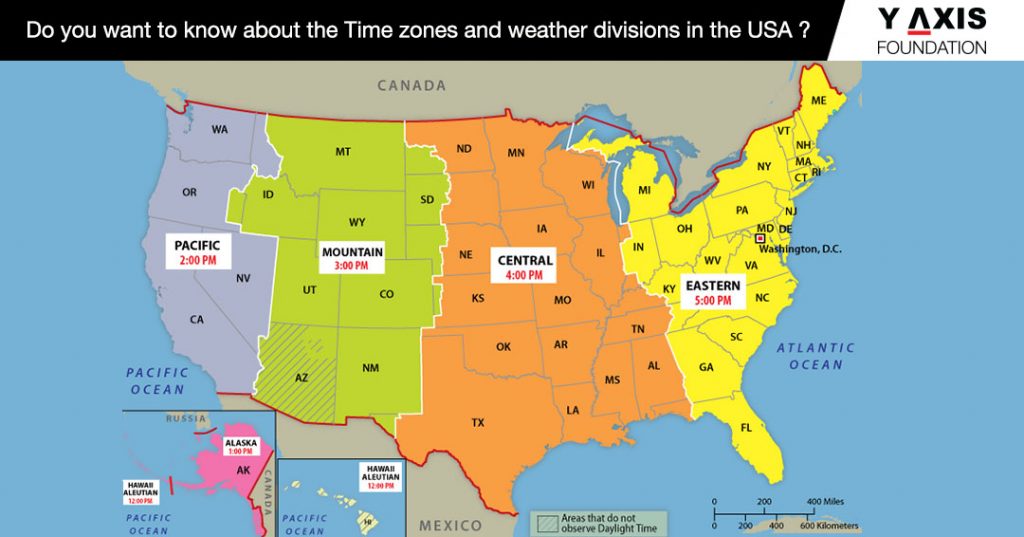
For any traveler planning a visit to the dynamic metropolis of Chicago, knowing the local time isn’t just a matter of curiosity; it’s a fundamental aspect of seamless travel planning. Whether you’re coordinating flight schedules, booking dinner reservations, or simply trying to call loved ones back home, understanding the current time zone is paramount. So, what time is it in Chicago? Chicago, Illinois, operates on Central Time (CT). This means it observes Central Standard Time (CST) during the fall and winter months, which is UTC-6, and switches to Central Daylight Time (CDT) during spring and summer, which is UTC-5. This shift for Daylight Saving Time typically occurs on the second Sunday in March, when clocks spring forward, and reverts on the first Sunday in November, when they fall back.

This seemingly simple detail sets the stage for how you’ll experience one of America’s greatest cities. From the moment your plane touches down at O’Hare International Airport (ORD) or Midway International Airport (MDW), your internal clock will begin to sync with the rhythm of Chicago. Understanding this time context allows you to better plan your itinerary, ensuring you maximize every precious minute exploring its world-class attractions, indulging in its legendary culinary scene, and immersing yourself in its vibrant culture. This article will not only clarify Chicago’s time zone but also provide an extensive guide on how to leverage this knowledge to craft an unforgettable travel experience, covering everything from top landmarks and accommodation options to local tips and lifestyle insights, all designed to help you make the most of your time in the Windy City.
Navigating Chicago’s Central Time Zone: Planning Your Visit
Effective time zone management is the cornerstone of any successful trip, especially when traveling across different time zones. For Chicago, understanding Central Time (CT) is the first step in optimizing your visit.
Understanding Central Time (CT)
Chicago’s adherence to Central Time means it is typically one hour behind Eastern Time (ET) and two hours ahead of Mountain Time (MT), and three hours ahead of Pacific Time (PT). This time difference is crucial for business travelers scheduling meetings with colleagues on the coasts, or for families coordinating video calls with relatives. During Daylight Saving Time, which spans roughly from March to November, Chicago moves to CDT (UTC-5), aligning its active hours with longer daylight periods, which is a boon for tourism and outdoor activities. Travelers arriving from time zones further east or west should consider the potential for jet lag and build in some buffer time upon arrival to adjust. Hydration, light activity, and exposure to natural light can help mitigate the effects and ensure you’re ready to explore.
Optimizing Your Arrival and Departure
When booking flights, consider the arrival time in relation to your energy levels and planned activities. An afternoon arrival might allow for a relaxed check-in and an early dinner, easing you into the city’s pace. For departures, factor in travel time to the airport, especially during peak traffic hours, to avoid rushing. Both O’Hare International Airport and Midway International Airport are well-connected to downtown Chicago via the CTA “L” train, offering an efficient and often faster alternative to taxis or ride-shares, particularly during rush hour. Knowing the time of day and potential traffic patterns can significantly impact your journey to and from the airport, ensuring a stress-free start and end to your trip.
Best Seasons to Experience Chicago
While Chicago offers unique charms year-round, the season you choose greatly influences your experience. Summer (June to August) is undeniably popular, with warm weather perfect for lakefront activities, outdoor festivals, and architecture boat tours along the Chicago River. However, it’s also peak tourist season, meaning higher prices for flights and accommodations, and larger crowds at popular attractions. Spring (April to May) and Fall (September to October) offer a delightful balance: pleasant temperatures, fewer tourists, and vibrant natural beauty, especially the changing leaves in the parks during autumn. These shoulder seasons are often ideal for exploring without the intense heat or the biting cold. Winter (November to March) transforms Chicago into a festive wonderland, complete with holiday markets, ice skating, and cozy indoor attractions like world-class museums. While temperatures can drop significantly, the city’s festive spirit and fewer crowds offer a different, equally enchanting experience, often with better deals on hotels. No matter the season, Chicago always has something captivating to offer, but aligning your visit with the season that best suits your interests can elevate your trip.
Making the Most of Every Hour: Iconic Landmarks and Attractions
With its stunning skyline, rich history, and vibrant cultural scene, Chicago offers an incredible array of landmarks and attractions. Efficient time management means prioritizing what you want to see and planning your days logically.
Architectural Marvels and City Views
Chicago is renowned as a birthplace of modern architecture, and exploring its buildings is a must. A visit to the Willis Tower (formerly Sears Tower) and its Skydeck Chicago offers breathtaking panoramic views, including the famous Ledge glass boxes. Another iconic skyscraper, the John Hancock Center, now known as 875 North Michigan Avenue, boasts the 360 Chicago Observation Deck and its unique “TILT” experience. For an even deeper appreciation of the city’s architectural heritage, embark on an Architecture Boat Tour along the Chicago River. These tours provide unparalleled perspectives on structures like the Tribune Tower, Wrigley Building, and the Marina City “corn cob” towers, guided by expert docents who bring the city’s history to life. The Magnificent Mile, a stretch of North Michigan Avenue, is not only a premier shopping destination but also an architectural gallery itself, lined with stunning buildings.
World-Class Museums and Cultural Hubs
Chicago’s commitment to arts and culture is evident in its exceptional museums. The Art Institute of Chicago, consistently ranked among the best in the world, houses an encyclopedic collection spanning centuries and cultures, including masterpieces by impressionists and post-impressionists. On the picturesque Museum Campus, you’ll find three other gems: the Field Museum of Natural History, home to “Sue,” the most complete Tyrannosaurus rex skeleton ever found; the Shedd Aquarium, one of the largest indoor aquariums globally; and the Adler Planetarium, offering stunning views of the city skyline and immersive space exhibits. Each museum could easily fill half a day, so plan accordingly, perhaps focusing on one or two if time is limited.
Lakeside Leisure and Green Spaces
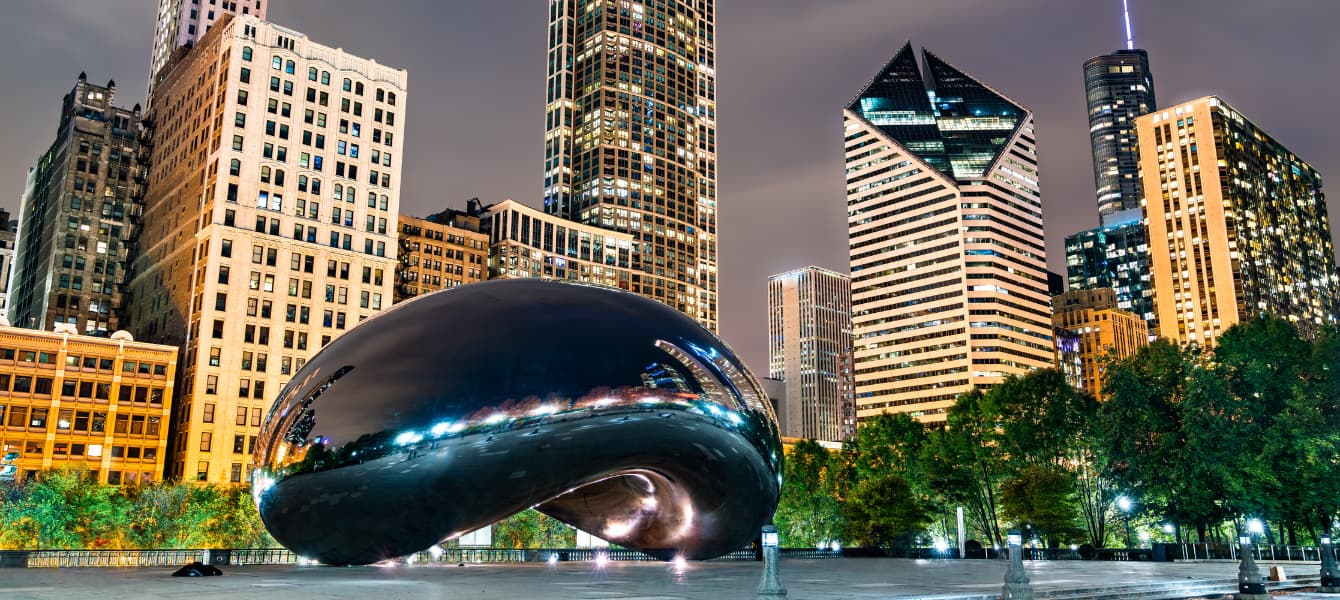
For a dose of relaxation and natural beauty, Chicago’s numerous parks and its expansive lakefront are perfect. Millennium Park is a contemporary masterpiece, famous for Anish Kapoor’s Cloud Gate sculpture (affectionately known as “The Bean”), the Crown Fountain, and the Jay Pritzker Pavilion. Adjacent to it is Grant Park, often referred to as “Chicago’s front yard,” home to Buckingham Fountain and numerous festivals. A stroll along the Chicago Riverwalk provides stunning views of the cityscape from a different perspective, with ample opportunities for dining and recreation. Further north, Lincoln Park offers lush green spaces, a charming free zoo (Lincoln Park Zoo), and beautiful views of Lake Michigan. Navy Pier, a historic landmark extending into Lake Michigan, combines entertainment, dining, and family-friendly attractions like the Centennial Wheel, offering another perspective of the skyline and lake.
A Taste of Chicago: Culinary Delights and Vibrant Nightlife
No trip to Chicago is complete without indulging in its legendary food scene and experiencing its lively entertainment options. From iconic comfort food to Michelin-starred dining, Chicago caters to every palate and preference.
From Deep Dish to Fine Dining
The quintessential Chicago culinary experience begins with deep-dish pizza. Establishments like Lou Malnati’s, Giordano’s, and Pequod’s Pizza are local institutions, each offering their unique take on this cheesy, saucy masterpiece. Be prepared for a wait, especially during peak dinner hours, as it’s a dish meant to be savored. Another must-try is the Chicago-style hot dog – an all-beef frankfurter “dragged through the garden” with mustard, chopped white onions, bright green sweet pickle relish, a dill pickle spear, tomato slices or wedges, pickled sport peppers, and a dash of celery salt, all nestled in a poppy seed bun (and never, ever ketchup!). Beyond these classics, Chicago boasts an impressive roster of fine dining establishments, including multiple Michelin-starred restaurants. Alinea, a multi-sensory culinary journey, is a global icon, while restaurants like Smyth and Oriole push gastronomic boundaries. The city also excels in diverse cuisines, from vibrant Mexican food in Pilsen to authentic dim sum in Chinatown. Exploring Chicago’s neighborhoods like Wicker Park or Fulton Market will reveal trendy eateries and bustling food halls that reflect the city’s innovative spirit.
The Rhythms of Chicago: Music and Entertainment
As the birthplace of electric blues and a significant hub for jazz, Chicago’s nightlife pulses with live music. Historic blues clubs like Kingston Mines and Buddy Guy’s Legends offer authentic performances late into the night. For jazz enthusiasts, Andy’s Jazz Club and the Green Mill Cocktail Lounge, a Prohibition-era speakeasy, provide intimate settings for world-class acts. Beyond music, Chicago has a thriving theater scene, with numerous venues in the Theater District showcasing Broadway productions, improv comedy (notably at The Second City), and cutting-edge local performances. Sports fans can catch a game with legendary teams like the Chicago Cubs at Wrigley Field, the Chicago White Sox at Guaranteed Rate Field, or the Chicago Bulls and Chicago Blackhawks at the United Center. Whether you prefer a quiet cocktail lounge, a raucous dive bar, or an evening of cultural enrichment, Chicago offers an unparalleled variety of entertainment options to fill your evenings.
Where to Stay: Accommodation Options for Every Traveler
Choosing the right accommodation is key to a comfortable and convenient Chicago experience. The city offers a vast spectrum of options, from opulent luxury hotels to cozy boutique stays and practical extended-stay apartments.
Luxury Stays and Boutique Experiences
For travelers seeking unparalleled service and lavish amenities, Chicago boasts an impressive collection of five-star hotels. The Peninsula Chicago, known for its elegant design and world-class spa, offers breathtaking views of the city. The Four Seasons Hotel Chicago, perched atop the 900 North Michigan Shops, provides a luxurious retreat with impeccable service. Another standout is The Langham Chicago, housed in a landmark Mies van der Rohe building overlooking the Chicago River, renowned for its sophisticated ambiance and Michelin-starred dining. For those who prefer a more personalized touch, Chicago’s boutique hotels offer unique charm and character. Hotel EMC2, part of Marriott’s Autograph Collection, combines art and science in a distinctive setting near the Magnificent Mile. The Thompson Chicago in the Gold Coast neighborhood offers stylish interiors and a vibrant social scene, while the Virgin Hotels Chicago, located in the Loop, provides a playful and modern experience.
Family-Friendly and Business Accommodations
Families traveling with children will find numerous hotels offering spacious suites, connecting rooms, and amenities tailored for younger guests. Many properties near Millennium Park or Navy Pier are ideal for easy access to family-friendly attractions. Resorts and hotels with pools, like the Embassy Suites Chicago Downtown Magnificent Mile, are often popular choices. For business travelers, proximity to the Loop financial district and convention centers is key. Hotels like the Hyatt Regency Chicago, Marriott Marquis Chicago, or the Hilton Chicago offer extensive meeting facilities, business centers, and convenient access to public transportation. Many also provide executive lounges and amenities suited for productive stays. Beyond traditional hotels, serviced apartments and extended-stay options like those offered by Residence Inn or Homewood Suites are excellent for longer trips or for those who prefer the comforts of home, including a full kitchen and separate living areas. Platforms like Airbnb also provide a wide range of apartment and villa rentals, offering a more localized experience in various Chicago neighborhoods.
Smart Booking Strategies
To secure the best rates and ideal accommodations, booking in advance, especially during peak seasons or major events, is highly recommended. Utilizing comparison websites and checking official hotel sites for exclusive deals can help travelers find competitive prices. Consider signing up for hotel loyalty programs to accrue points and unlock member-only rates. Flexibility with travel dates can also lead to significant savings; mid-week stays are often less expensive than weekends. Reading recent reviews is crucial for understanding the current condition, service quality, and true value of a property. Lastly, always factor in location—while a hotel might be cheaper further out, the cost and time spent on transportation can quickly negate any initial savings. Choosing accommodation near your primary interests or a convenient CTA “L” station can greatly enhance your overall travel experience.
Beyond the Clock: Embracing the Chicago Lifestyle
Beyond the landmarks and culinary delights, truly experiencing Chicago means embracing its lifestyle, from efficient transportation to unique shopping and budget-friendly exploration.
Getting Around: Efficient Transportation
Chicago’s public transportation system, operated by the CTA, is extensive and efficient, making it easy to navigate the city without a car. The iconic “L” train system, with its elevated tracks crisscrossing the Loop, connects major attractions, neighborhoods, and both airports. Buses fill in the gaps, providing comprehensive coverage. Purchasing a Ventra Card is the most convenient way to pay for fares, offering unlimited rides for a set period, which is ideal for tourists. For shorter distances, walking is often the best way to soak in the city’s architecture and ambiance, especially in areas like the Magnificent Mile, Riverwalk, and Millennium Park. Taxis and rideshare services (Uber, Lyft) are readily available for convenience, particularly late at night or when carrying luggage. In warmer months, bike-sharing services offer a scenic way to explore the lakefront trails and various neighborhoods.
Shopping and Local Experiences
From high-end fashion to quirky boutiques, Chicago’s shopping scene is as diverse as its neighborhoods. The Magnificent Mile is a world-renowned destination for luxury brands and flagship stores, including the iconic Macy’s on State Street (formerly Marshall Field’s). Beyond the glamour, neighborhoods like Wicker Park and Bucktown offer independent boutiques, vintage shops, and art galleries, perfect for finding unique souvenirs or stylish treasures. To truly immerse yourself in the local culture, seek out neighborhood farmers’ markets, street festivals (especially during summer), and local art fairs. Exploring areas like Andersonville with its Swedish heritage, or the vibrant Latin culture of Little Village and Pilsen, provides a deeper understanding of Chicago’s diverse fabric. Engaging with locals at a neighborhood pub or attending a community event can offer authentic insights into daily life beyond the typical tourist circuit.
Budget-Friendly Exploration
While Chicago can certainly accommodate a luxury trip, it’s also highly accessible for budget-conscious travelers. Many of the city’s best attractions are free or low-cost. Millennium Park, Grant Park, the Chicago Riverwalk, and the Lincoln Park Zoo offer hours of free entertainment. Many museums, like the Art Institute of Chicago, offer free admission days or reduced rates at specific times, so check their websites in advance. Taking advantage of the CTA for transportation is far more economical than taxis or rideshares. For dining, explore casual eateries in diverse neighborhoods, grab a Chicago-style hot dog from a street vendor, or visit a local market for picnic supplies. Look for hotel deals during the off-season (winter) or mid-week stays. Chicago also has a range of hostels and budget-friendly hotels, especially outside the immediate downtown core. With smart planning, it’s entirely possible to enjoy an enriching and memorable trip to Chicago without breaking the bank, proving that this magnificent city truly offers something for everyone, at any time of day, and on any budget.
LifeOutOfTheBox is a participant in the Amazon Services LLC Associates Program, an affiliate advertising program designed to provide a means for sites to earn advertising fees by advertising and linking to Amazon.com. Amazon, the Amazon logo, AmazonSupply, and the AmazonSupply logo are trademarks of Amazon.com, Inc. or its affiliates. As an Amazon Associate we earn affiliate commissions from qualifying purchases.