
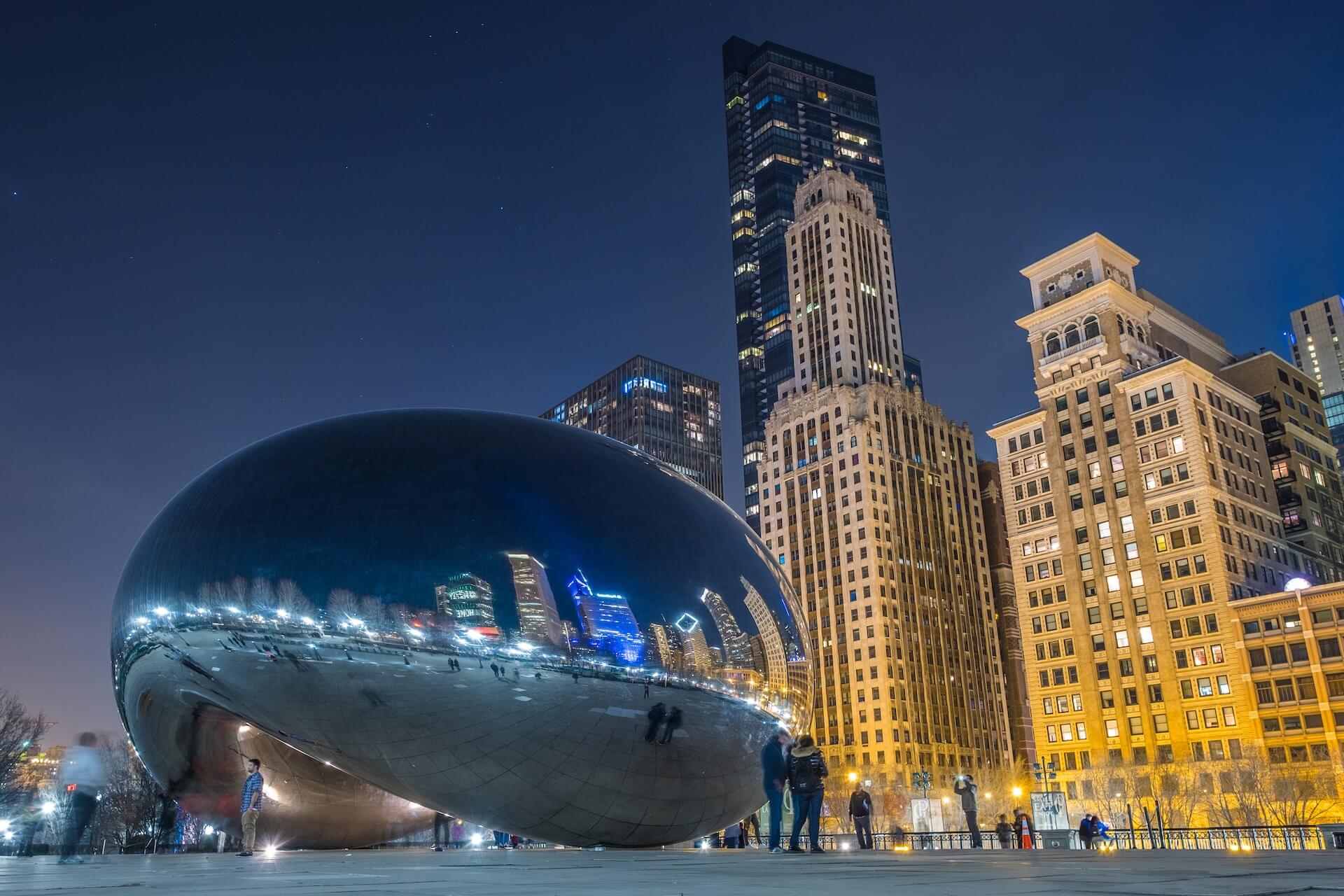
Few urban landmarks capture the imagination quite like Cloud Gate, affectionately known worldwide as “The Bean”. This iconic sculpture, nestled within the vibrant expanse of Millennium Park in downtown Chicago, has become an indispensable symbol of the city’s modern architectural prowess and its commitment to public art. Its highly reflective surface mirrors the stunning Chicago skyline, the ever-changing sky, and the myriad of visitors who gather around it, creating a dynamic, interactive experience that shifts with every glance.
But for all its contemporary allure, many visitors and admirers often ponder the origins of this monumental artwork: When exactly was The Bean built? The answer isn’t a single, simple date, but rather a fascinating journey of artistic vision, complex engineering, and meticulous craftsmanship that unfolded over several years in the early 21st century. Its construction marked a pivotal moment in Millennium Park’s ambitious development, solidifying Chicago’s reputation as a global hub for innovative design and unforgettable attractions. This article delves into the timeline of The Bean’s creation, explores its profound cultural impact, and provides essential tips for anyone planning to experience this marvel firsthand.
Unveiling the Enigmatic “Bean”: A Timeline of Construction
The story of Cloud Gate’s construction is one of bold artistic ambition married with groundbreaking engineering. It wasn’t merely built; it was meticulously fabricated and assembled, piece by gleaming piece, to achieve its seamless, reflective glory. The process spanned several years, involving an international team dedicated to realizing a truly unique public art piece.
Conception and Vision: Anish Kapoor’s Masterpiece
The genesis of The Bean lies in the vision of acclaimed British artist Anish Kapoor. Tasked with creating a centerpiece for the new Millennium Park, Kapoor envisioned a sculpture that would be both monumental and ethereal, reflecting its surroundings without being merely a passive mirror. He drew inspiration from the properties of liquid mercury, aiming for a form that felt fluid and alive, despite being crafted from solid metal. His concept for Cloud Gate involved a massive, bean-shaped structure, approximately 66 feet long, 33 feet high, and 42 feet wide, weighing an astounding 110 tons. The challenge was to create a seamless, highly polished surface that would distort and reflect the city, the sky, and its viewers in a captivating, ever-changing dance. This audacious design immediately set a high bar for the engineering and fabrication teams who would bring it to life, pushing the boundaries of what was thought possible for public art.
The Engineering Marvel: Bringing the Vision to Life
The actual construction and assembly of The Bean was a complex, multi-stage process that began in 2004. The sculpture was fabricated in 168 separate stainless steel plates, each precisely cut and shaped using computer-aided design, by Performance Structures, Inc. in Oakland, California. These plates were then transported by truck to Chicago. The most critical and challenging phase involved welding these plates together on-site, a process that demanded unprecedented precision to create a perfectly smooth, uninterrupted surface without visible seams. Highly skilled welders worked tirelessly, often in challenging conditions, to join the plates, followed by an equally rigorous polishing process. The exterior surface alone required thousands of hours of grinding and polishing by hand to achieve its signature mirror-like finish.
The initial public unveiling of The Bean occurred in July 2004, coinciding with the grand opening of Millennium Park. However, at this point, the sculpture was not yet complete. The seams were still visible, and the final stages of polishing were ongoing. For the next two years, workers continued the painstaking task of buffing the entire surface to achieve Kapoor’s vision of a truly seamless, reflective “liquid mercury” form. The sculpture was officially dedicated and fully completed in May 2006, marking the culmination of years of design, fabrication, and painstaking finishing work. So, while you could see parts of it in 2004, it truly “became” The Bean as we know it today in 2006.
More Than Just a Sculpture: The Cultural and Urban Impact
Since its official completion, Cloud Gate has transcended its status as a mere art installation. It has become a vibrant, living landmark, deeply intertwined with the identity of Chicago and a source of endless fascination for millions. Its presence in Millennium Park has reshaped the urban landscape, creating a dynamic public space that encourages interaction, contemplation, and appreciation for contemporary art. The sculpture’s unique ability to reflect and distort its environment makes it an ever-changing spectacle, ensuring that no two visits are ever quite the same. This blend of artistry and accessibility has cemented its place not just in art history, but in the hearts of both Chicagoans and global travelers.
A Symbol of Modern Chicago
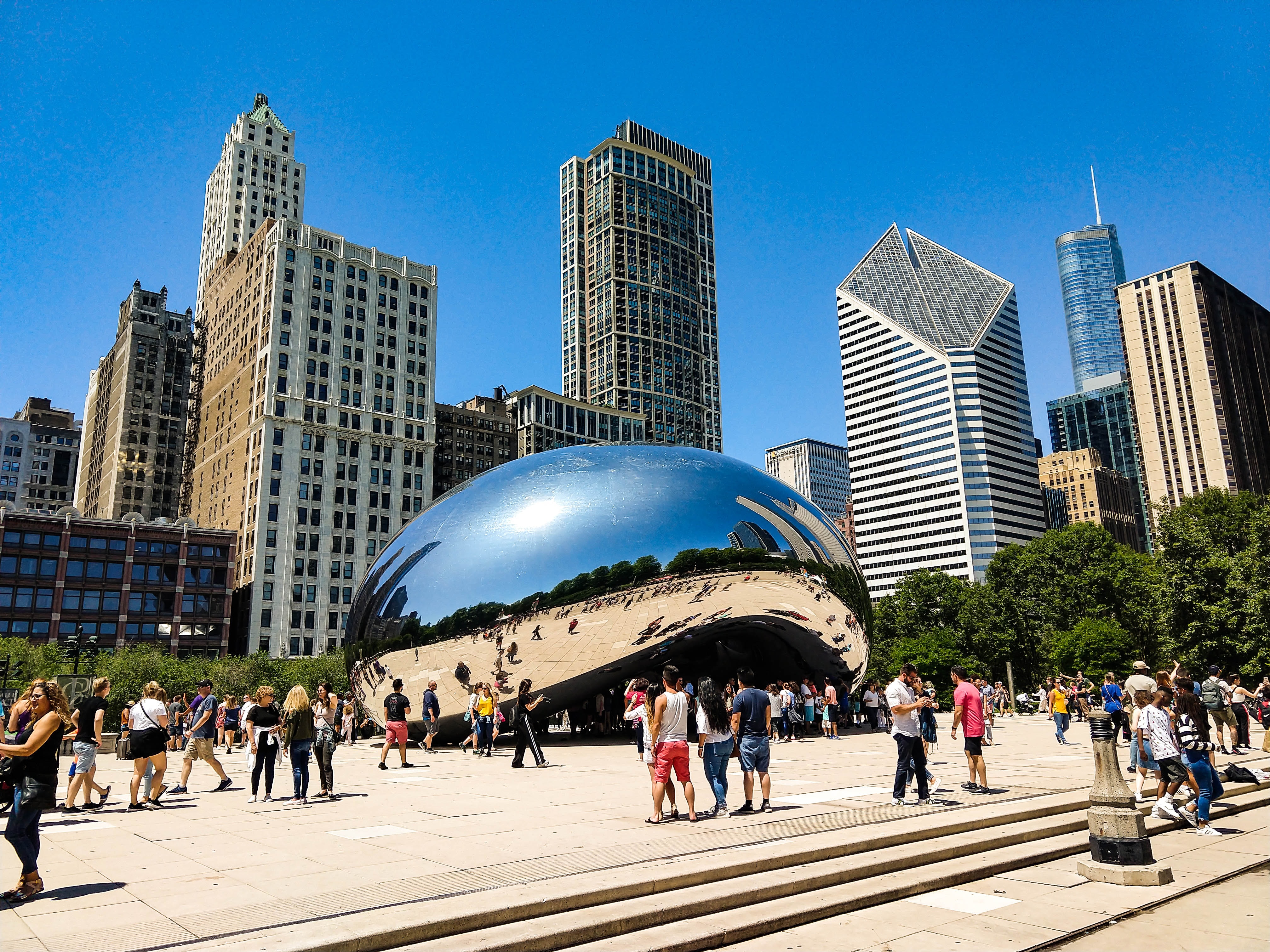
The Bean quickly became an undisputed icon of modern Chicago, instantly recognizable around the world. It stands as a testament to the city’s forward-thinking approach to urban development and its willingness to embrace bold, contemporary art in public spaces. Unlike many traditional monuments, Cloud Gate doesn’t commemorate a person or event; rather, it celebrates the spirit of Chicago itself – a city of reflection, innovation, and constant motion. Its sleek, futuristic design perfectly complements the surrounding modernist architecture, seamlessly integrating art into the urban fabric. The sculpture has become a prominent feature in countless postcards, travel guides, and social media posts, significantly boosting Chicago’s profile as a premier tourist destination and a vibrant cultural hub. Its unique blend of artistic vision and engineering marvel has positioned it as one of the most photographed attractions globally.
An Interactive Experience for Visitors
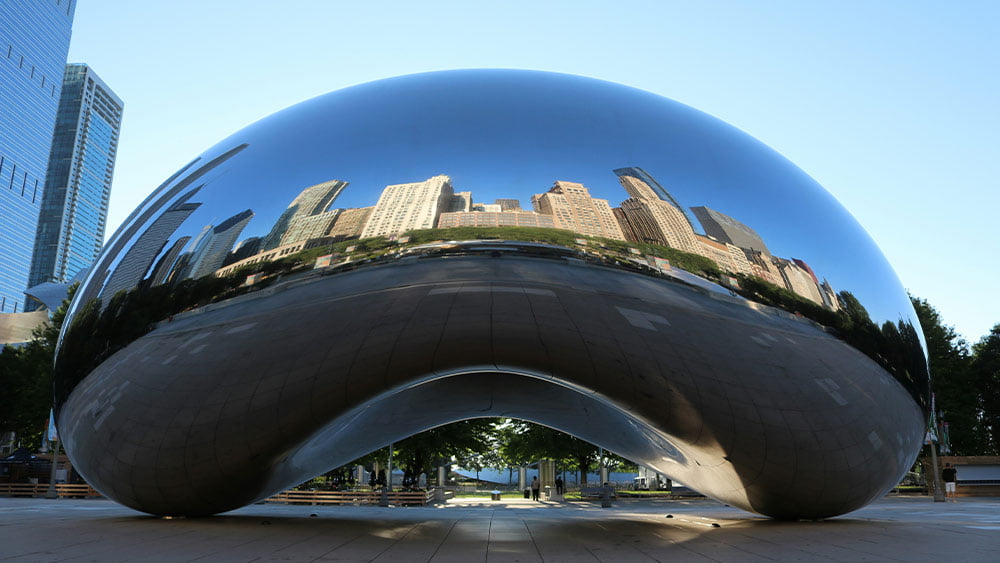
What truly sets The Bean apart is its remarkable interactive nature. It’s not a sculpture to simply be observed from a distance; it invites engagement. Visitors are encouraged to walk around it, touch its cool surface, and even step underneath its central arch, a concave area known as the “omphalos” (Greek for “navel”). This interior space creates an extraordinary kaleidoscope effect, distorting reflections of the city skyline and the people gathered, offering a dizzying, immersive experience. Photographers are particularly drawn to its reflective qualities, using its surface to capture unique perspectives of the city and surreal self-portraits. For families, it’s a source of playful wonder, as children marvel at their stretched and warped reflections. This direct, personal interaction transforms a viewing into an experience, making Cloud Gate a truly dynamic piece of public art that fosters a connection between the artwork, its environment, and its audience.
Planning Your Visit to See The Bean in Chicago
Experiencing The Bean in person is a quintessential Chicago activity, offering a memorable encounter with public art, architecture, and urban life. To make the most of your visit, it’s helpful to consider the best times to go, what else to see nearby, and where to find the ideal accommodation that suits your travel style and budget. Millennium Park itself is a treasure trove of attractions, making a trip to see Cloud Gate part of a broader, enriching Chicago itinerary. Whether you’re a first-time visitor or a returning enthusiast, strategic planning enhances the experience, allowing you to immerse yourself fully in the city’s vibrant offerings.
Best Time to Visit and What to Expect
Millennium Park is open year-round, and access to The Bean is free. However, the best time to visit can depend on your priorities. To avoid the largest crowds, particularly during peak tourist season (summer) or holidays, consider arriving early in the morning (shortly after sunrise) or later in the evening. At these times, the light conditions are also often most favorable for photography, offering soft hues or dramatic reflections of the city lights. During the day, especially mid-afternoon, the area can be bustling with people, creating a lively atmosphere but potentially making it harder to get unobstructed photos or moments of quiet contemplation. Expect to spend at least 30 minutes to an hour admiring The Bean and exploring its immediate surroundings.
Beyond The Bean, Millennium Park offers a wealth of other attractions within easy walking distance. Don’t miss the interactive Crown Fountain, a pair of 50-foot glass block towers featuring video images of Chicago residents spouting water, which is particularly delightful for families in warmer months. The stunning Jay Pritzker Pavilion, an outdoor concert venue designed by Frank Gehry, is a marvel in itself, often hosting free concerts and events. For a serene escape, wander through the beautiful Lurie Garden, an urban oasis providing a vibrant contrast to the steel and glass. Just across the street, the world-renowned Art Institute of Chicago beckons art lovers, while Maggie Daley Park offers active recreation options for all ages, including a popular climbing wall and play areas.
Where to Stay: Accommodation Options for Every Lifestyle
Chicago boasts an impressive array of hotels and accommodations, catering to every preference, from luxury travelers seeking opulent experiences to budget-conscious adventurers. Staying near Millennium Park or in the Loop puts you within easy walking distance of The Bean and many other major attractions, making it ideal for efficient sightseeing.
For those seeking a lavish stay, The Langham Chicago, housed in a Mies van der Rohe building, offers unparalleled elegance and river views. The Waldorf Astoria Chicago provides a sophisticated, residential feel in the upscale Gold Coast neighborhood, while Thompson Chicago combines boutique charm with a lively atmosphere. Mid-range options like Hotel Julian offer stylish comfort with excellent city access, and Virgin Hotels Chicago provides a unique, tech-savvy experience right in the Loop. For budget-conscious travelers or those planning a longer stay, consider apartments or guesthouses a short public transit ride away from downtown, which often provide more space and local charm. Whatever your lifestyle or travel budget, Chicago’s diverse accommodation landscape ensures a comfortable and convenient base for your exploration.
Exploring Chicago: Beyond The Bean
While The Bean is undoubtedly a highlight, Chicago offers a universe of experiences that extend far beyond Millennium Park. A visit to the city is incomplete without embarking on one of its renowned architectural boat tours, which provide a unique perspective on Chicago’s world-famous skyline and its historical significance. Immerse yourself in culture at museums like the Field Museum (natural history), Shedd Aquarium (aquatic life), or the aforementioned Art Institute of Chicago (fine art), all conveniently located within the Museum Campus.
For shopping enthusiasts, a stroll down the Magnificent Mile offers a plethora of high-end boutiques and department stores. Adrenaline seekers can brave the Skydeck at the Willis Tower (formerly Sears Tower) for breathtaking panoramic views from 1,353 feet up. And, of course, no trip to Chicago is complete without indulging in its legendary culinary scene, from classic deep-dish pizza to Michelin-starred dining and diverse ethnic cuisines found in its vibrant neighborhoods. Each of these attractions and experiences contributes to Chicago’s allure, making it a destination that caters to every type of traveler, ensuring a rich and memorable journey for all who visit.
In conclusion, The Bean was primarily built and underwent its intricate finishing touches between 2004 and 2006, with its grand public dedication occurring in May 2006. This period cemented its place not just as a striking piece of public art, but as an enduring symbol of Chicago’s artistic ambition and innovative spirit. Its creation story is as captivating as its reflective surface, inviting visitors to ponder the intersection of art, engineering, and urban life. A visit to Cloud Gate is more than just seeing a sculpture; it’s an immersive experience that reflects the vibrant energy and cultural richness of Chicago itself, encouraging all who encounter it to look at the world – and themselves – in a new, distorted, and wonderfully captivating way.
LifeOutOfTheBox is a participant in the Amazon Services LLC Associates Program, an affiliate advertising program designed to provide a means for sites to earn advertising fees by advertising and linking to Amazon.com. Amazon, the Amazon logo, AmazonSupply, and the AmazonSupply logo are trademarks of Amazon.com, Inc. or its affiliates. As an Amazon Associate we earn affiliate commissions from qualifying purchases.