
Chicago, a city synonymous with breathtaking architecture, world-class museums, and a vibrant cultural scene, often finds itself overshadowed by a persistent, troubling narrative: its reputation for violence. For many contemplating travel to this magnificent metropolis, the question, “Why is Chicago so violent?” looms large. While headlines can paint a grim picture, understanding the nuances of crime in the city is crucial for both residents and potential visitors planning their next urban adventure. This article delves into the multifaceted reasons behind Chicago’s violence, offering context that often gets lost in sensationalized reports, and providing a balanced perspective for those looking to experience the best of the Windy City in safety and style.

The truth is, like any major urban center in the United States, Chicago faces significant challenges. However, the violence is not a monolithic entity that permeates every street corner. It’s often concentrated in specific neighborhoods, driven by complex socioeconomic factors, historical disparities, and systemic issues that have plagued large cities for decades. By examining these underlying causes, we can gain a clearer understanding of the situation and separate fact from fear, empowering travelers to confidently explore Chicago’s incredible attractions and diverse lifestyle offerings.
Understanding Chicago’s Complex Landscape of Violence
To address the question of why Chicago experiences high rates of violence, particularly gun violence, one must look beyond superficial explanations and delve into the deep-seated issues that create such an environment. It’s a tapestry woven from historical injustices, economic struggles, and the enduring presence of illegal firearms.
The Socioeconomic Roots and Historical Context
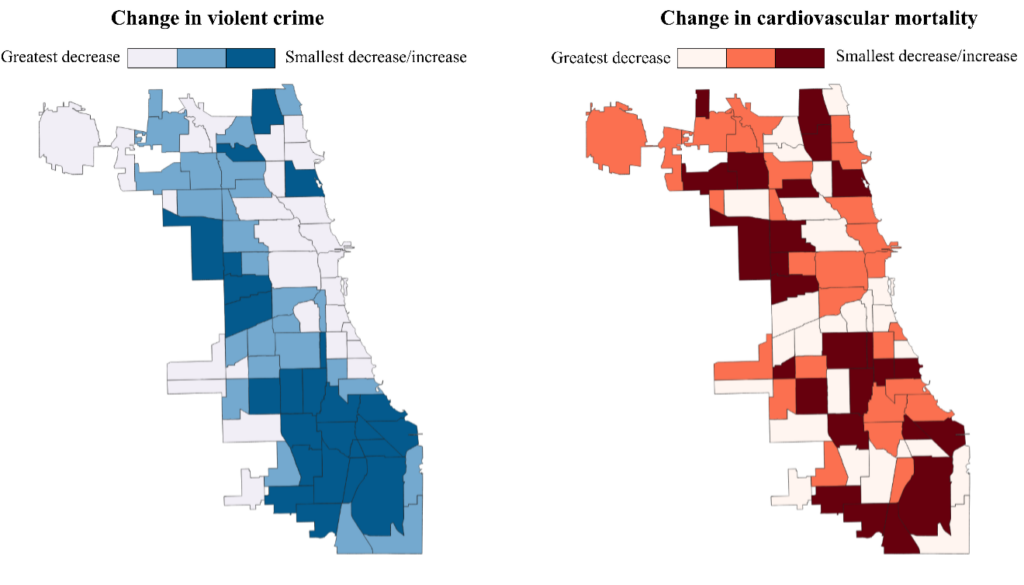
The roots of violence in Chicago are deeply intertwined with its socioeconomic history. Decades of segregation, redlining, and discriminatory housing policies have created a profound spatial inequality that persists to this day. Neighborhoods predominantly inhabited by African Americans, particularly on the South Side and West Side, have historically suffered from a lack of investment, leading to entrenched poverty, underfunded schools, and limited access to opportunities.
When essential social structures crumble, communities become vulnerable. High unemployment rates, food deserts, inadequate healthcare, and a scarcity of educational and recreational programs for youth create fertile ground for despair and illicit economies. Generations of families in these areas have faced systemic disenfranchisement, leading to a cycle of poverty and hopelessness that contributes significantly to social unrest and crime. The loss of manufacturing jobs, which once provided a stable ladder to the middle class for many, further exacerbated economic hardship in these communities, leaving many individuals with few viable alternatives for economic survival. This historical context is not an excuse for violence, but a critical lens through which to understand its origins.
The Role of Gangs and Gun Violence
A significant portion of Chicago’s violence is attributed to gang-related conflicts and the pervasive availability of firearms. While national statistics often lump all homicides together, a substantial percentage in Chicago stem from disputes between rival street gangs, often over territory, drug markets, or personal vendettas. These conflicts frequently escalate rapidly due to the ease of access to firearms.
Illinois has relatively strict gun laws compared to some neighboring states, but the problem of illegal firearms flowing into the city from less regulated areas is a persistent challenge. The “iron pipeline” of guns smuggled from states like Indiana and Wisconsin fuels the illicit gun market in Chicago, making it difficult for local law enforcement to curb the supply. Furthermore, the fragmented nature of street gangs, often operating in smaller, loosely affiliated factions, makes traditional policing strategies complex. These groups are often composed of young men who have grown up in environments where violence is a daily reality, and carrying a weapon is perceived as a necessity for self-protection.
Geographical Disparity: Where Violence Concentrates
Perhaps the most crucial aspect for travelers to understand is that Chicago’s violence is not evenly distributed across its vast urban landscape. While the overall homicide rate might seem high, it is heavily concentrated in specific neighborhoods, primarily on the South Side and West Side, such as Englewood, Austin, and West Garfield Park. These areas are rarely, if ever, frequented by tourists.
The vibrant downtown areas, including the Loop, River North, Streeterville, and the Magnificent Mile, which host the vast majority of attractions, hotels, and tourist activities, maintain a very low crime rate, comparable to or even safer than similar districts in other major cities like New York City or Los Angeles. Tourists visiting landmarks like Millennium Park, the Art Institute of Chicago, or Navy Pier are generally safe. Understanding this geographical disparity is key to having a realistic and informed perspective on safety in Chicago.
Chicago Beyond the Headlines: A Vibrant Urban Experience
Despite the challenges of violence in certain areas, Chicago remains one of the most exciting and dynamic cities in the world. Its resilience, cultural richness, and endless attractions make it a premier destination for travelers seeking diverse experiences, from luxury getaways to budget-friendly adventures.
Iconic Landmarks and World-Class Attractions
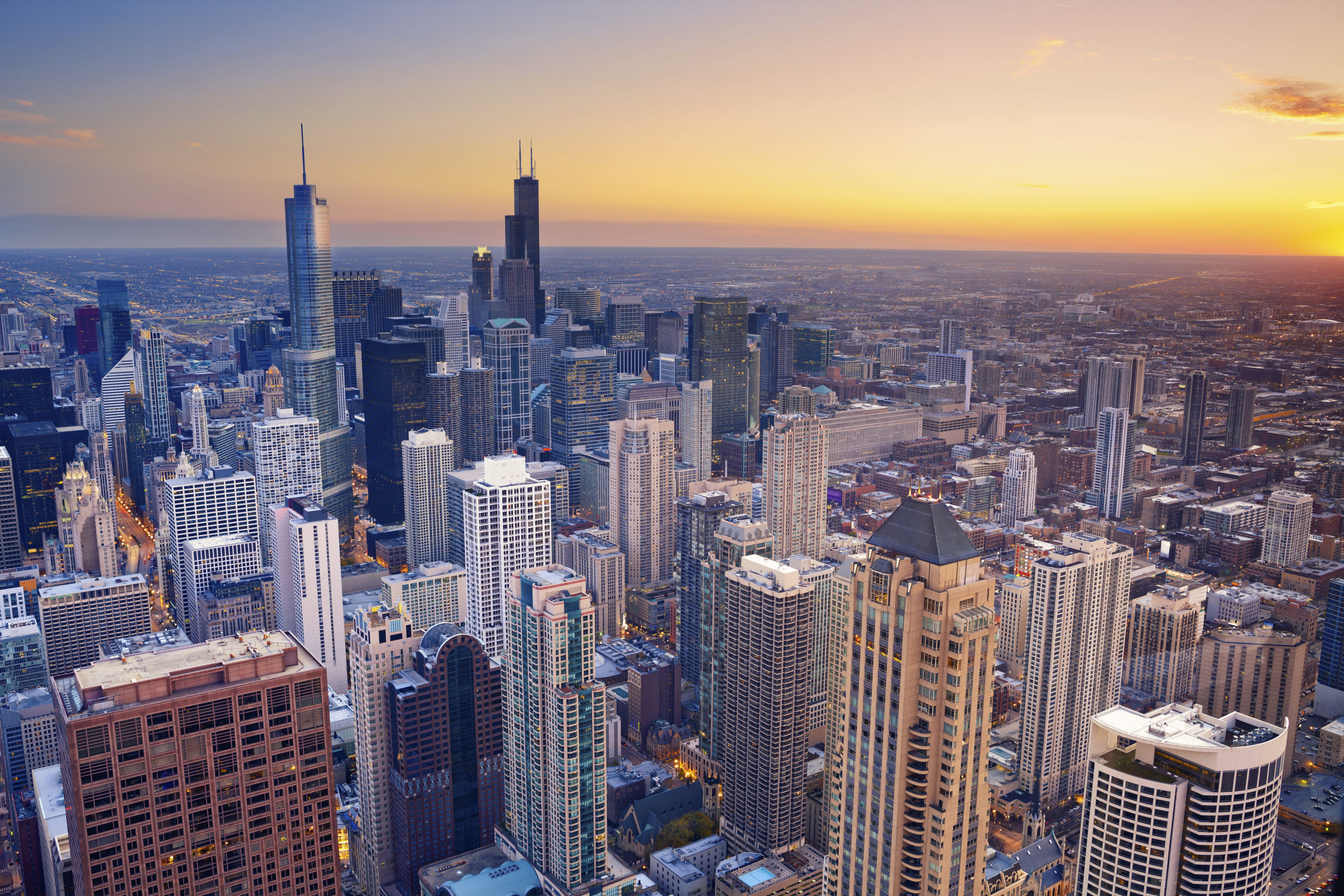
Chicago boasts an unparalleled collection of landmarks and attractions that draw millions of visitors annually. The city’s iconic skyline, punctuated by architectural marvels like the Willis Tower and the John Hancock Center, offers breathtaking views and captivating history. A boat tour on the Chicago River, led by experts from The Chicago Architecture Center, is an essential experience for any visitor, showcasing the city’s architectural heritage.
Millennium Park is home to the world-famous Cloud Gate, affectionately known as “The Bean,” a public art installation that has become a symbol of the city. Adjacent to it, Grant Park hosts numerous festivals and events throughout the year, from Lollapalooza to the Taste of Chicago. Culture enthusiasts can spend days exploring the renowned institutions clustered around Museum Campus, including the Field Museum, Shedd Aquarium, and Museum of Science and Industry in Hyde Park.
For families, the free Lincoln Park Zoo offers an engaging experience, while Navy Pier provides entertainment, dining, and unparalleled views of Lake Michigan. Sports fans can catch a Chicago Cubs game at historic Wrigley Field in Wrigleyville or support the Chicago White Sox at Guaranteed Rate Field, or cheer on the Chicago Bulls and Chicago Blackhawks at the United Center.
A Culinary Capital and Diverse Cultural Hub
Chicago’s food scene is a destination in itself, catering to every palate and budget. From Michelin-starred restaurants to iconic local eateries, the city offers a culinary journey unlike any other. Of course, no visit to Chicago is complete without indulging in a classic Deep Dish Pizza from establishments like Lou Malnati’s or Giordano’s. The city is also a melting pot of international cuisines, reflecting its diverse population. Neighborhoods like Pilsen offer authentic Mexican flavors, while Chinatown is a haven for Asian delicacies.
Beyond food, Chicago is a cultural powerhouse. It’s the birthplace of house music and a historic center for jazz and blues, with legendary venues scattered across the city. The annual Chicago Blues Festival and Chicago Jazz Festival are free events that draw music lovers from around the globe. The theater scene is robust, home to world-renowned companies like Steppenwolf Theatre Company, Goodman Theatre, and the comedic institution The Second City, which has launched the careers of countless comedic legends. Throughout the year, various festivals celebrate diverse cultures, arts, and traditions, including the festive Christkindlmarket during the holiday season.
Accommodation and Lifestyle for Every Traveler
As a major tourism and business destination, Chicago offers an extensive range of accommodation options. For luxury travelers, hotels like The Peninsula Chicago, Four Seasons Hotel Chicago, and Waldorf Astoria Chicago on the Magnificent Mile or in the Gold Coast provide unparalleled service and amenities. Mid-range options like the Hyatt Regency Chicago or numerous boutique hotels cater to those seeking comfort and style without the top-tier price tag. Budget travelers will find plenty of hostels, extended-stay apartments, and affordable hotels, especially when booking in advance or considering locations slightly outside the immediate downtown core but still well-connected by public transport.
The city’s diverse neighborhoods also offer unique lifestyle experiences. Lincoln Park offers leafy streets and upscale boutiques, while Wicker Park and Bucktown are known for their bohemian vibe, independent shops, and vibrant nightlife. For business travelers, proximity to convention centers like McCormick Place or commercial hubs like the Merchandise Mart is key, with numerous business-friendly hotels offering comprehensive amenities. Whether one is seeking a romantic getaway, a family trip filled with educational experiences, or a dynamic business stay, Chicago provides an accommodation and lifestyle to match.
Navigating Chicago Safely: Tips for Visitors
While the city’s overall crime statistics might seem daunting, it’s important for visitors to understand that the areas they are likely to explore are generally safe. However, like any large urban environment, practicing smart travel habits is always advisable.
Staying Informed and Aware
The best defense for any traveler is awareness. Before visiting, familiarize yourself with the neighborhoods you plan to explore. Reputable travel guides and online resources can help identify popular tourist areas and provide up-to-date safety information. While exploring, pay attention to your surroundings, especially at night or in less crowded areas. Use well-lit and populated streets, and avoid walking alone after dark if possible.
Utilize public transportation, such as the ‘L’ train and bus system, which is efficient and generally safe, especially within the downtown core and to major attractions. Ride-sharing services are also widely available. Keep valuables out of sight, and avoid displaying large sums of cash or expensive jewelry, as this can make you a target for petty theft, which is a concern in any major city. The Chicago Police Department is highly visible in tourist areas, further enhancing safety for visitors.
Enjoying the City’s Safe Havens
For the vast majority of tourists, Chicago’s primary attractions are concentrated in well-patrolled and economically vibrant areas. These include:
- The Loop and Magnificent Mile: Home to major hotels, shopping, dining, and famous landmarks. These areas are bustling with activity day and night.
- River North and Streeterville: Known for art galleries, upscale restaurants, and luxury accommodations.
- Lincoln Park: A beautiful residential area with parks, the free zoo, and charming boutiques.
- Hyde Park: Home to the University of Chicago and several museums, with a distinct academic and cultural atmosphere. It’s also the former stomping ground of Barack Obama.
These neighborhoods offer a safe and enjoyable experience for travelers. Embrace guided tours, especially those focusing on specific interests like food or history. Many hotels offer concierge services that can provide personalized safety advice and recommendations. By taking sensible precautions and staying within the city’s well-trafficked and tourist-friendly zones, visitors can fully immerse themselves in the wonders of Chicago without undue concern.
The Ongoing Efforts Towards a Safer Chicago
It is also important to acknowledge that Chicago is not complacent about its violence problem. Numerous initiatives are underway, involving city government, community organizations, and law enforcement, all striving to create a safer environment for everyone. These efforts include:
- Community-based Violence Prevention Programs: Many grassroots organizations work directly in affected neighborhoods, offering mentorship, conflict resolution, job training, and support services to at-risk youth and families. These programs aim to address the root causes of violence by providing alternatives and fostering community resilience.
- Targeted Law Enforcement Strategies: The Chicago Police Department employs data-driven strategies to identify and disrupt gang activity and illegal gun trafficking. They often collaborate with federal agencies to tackle interstate gun smuggling.
- Investment in Disinvested Neighborhoods: There’s a growing recognition that economic development and social investment are key to long-term safety. Initiatives focus on bringing jobs, improving schools, and enhancing public spaces in historically neglected areas.
- Gun Violence Research and Advocacy: Chicago is also a hub for research into the causes and prevention of gun violence, with local and national organizations advocating for stronger gun control measures and evidence-based interventions.
In conclusion, while the question “Why is Chicago so violent?” points to a real and complex problem, it’s vital to view it through a nuanced lens. The violence, though tragic, is largely confined to specific areas and driven by deep-seated socioeconomic issues. For travelers, [Chicago](https://lifeoutofthebox.com/chicago] remains an exceptionally safe and rewarding destination, offering an incredible array of attractions, world-class dining, diverse cultural experiences, and luxurious accommodation options. By understanding the context and practicing sensible urban travel habits, visitors can confidently explore this magnificent city and discover why it continues to be a top choice for travelers from around the globe. Chicago’s spirit of resilience and innovation ensures that its vibrant heart continues to beat strong, welcoming all who wish to experience its unique charm.
LifeOutOfTheBox is a participant in the Amazon Services LLC Associates Program, an affiliate advertising program designed to provide a means for sites to earn advertising fees by advertising and linking to Amazon.com. Amazon, the Amazon logo, AmazonSupply, and the AmazonSupply logo are trademarks of Amazon.com, Inc. or its affiliates. As an Amazon Associate we earn affiliate commissions from qualifying purchases.