
For many, the mention of Colorado immediately conjures images of majestic peaks, pristine ski slopes, vibrant cities, and endless outdoor adventures. It’s a destination that consistently ranks high on lists for travel, relocation, and quality of life within the United States. From the bustling urban charm of Denver to the serene, snow-capped beauty of Aspen and Vail, the Centennial State offers a diverse tapestry of experiences that appeal to every type of traveler and resident. However, beneath the allure of its breathtaking landscapes and thriving culture lies a practical consideration for anyone planning a visit, a prolonged stay, or even contemplating making Colorado their permanent home: its tax structure.

When budgeting for a trip, assessing the cost of living, or evaluating potential business ventures, understanding a state’s tax policies is paramount. It’s a fundamental piece of information that can significantly influence financial planning, whether you’re eyeing a luxury travel experience at the St. Regis Aspen Resort or a budget-friendly family adventure exploring Rocky Mountain National Park. One of the most common questions that arises is concerning state income tax. So, to answer directly: Yes, Colorado does have a state income tax. But to truly understand its implications, especially for those interested in travel, tourism, accommodation, and lifestyle choices, it’s crucial to delve deeper into the specifics of this tax and other financial considerations.
Unpacking Colorado’s Income Tax System
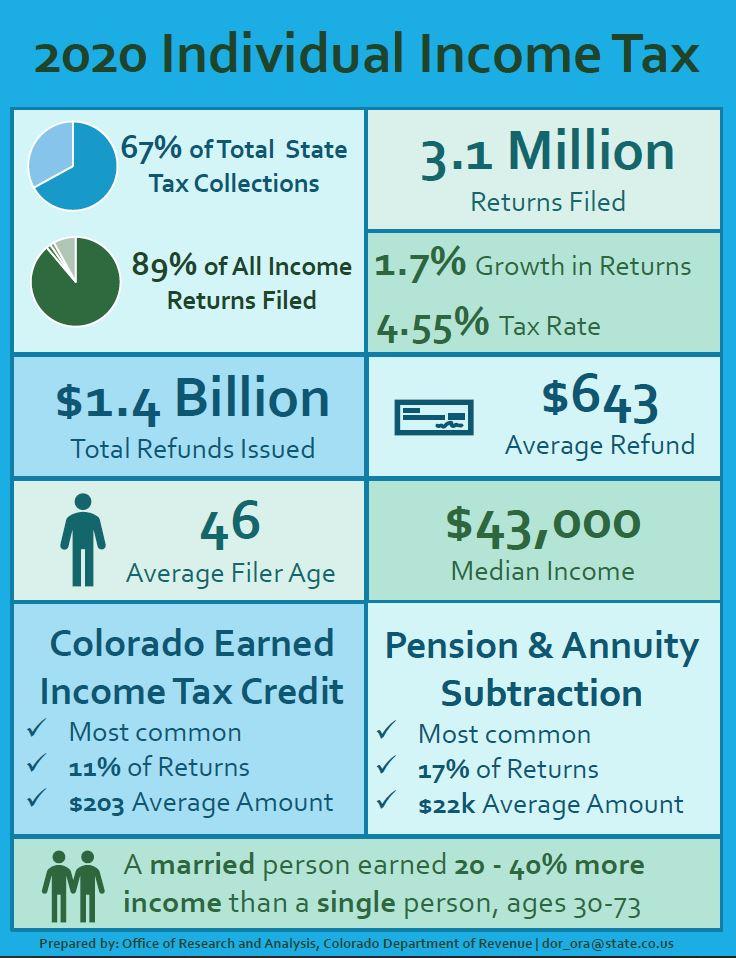
Colorado employs a flat-rate state income tax, which sets it apart from many other states that utilize a progressive income tax system. This means that regardless of your income level, provided you are subject to Colorado state income tax, you will pay the same percentage of your taxable income. This uniform approach simplifies the tax landscape for both residents and non-residents earning income within the state.
The Flat Rate Explained
As of recent years, Colorado’s flat income tax rate has been around 4.40%, though it can fluctuate slightly due to legislative changes and voter-approved initiatives. This rate applies to an individual’s or corporation’s federal taxable income, with certain modifications and deductions allowed under state law. For travelers, this primarily becomes relevant if they earn income within the state, such as through contract work, temporary employment, or generating income from a business operation located in Colorado. However, even if you are simply visiting, understanding this fundamental aspect of the state’s finances provides context for the economic environment that supports its tourism infrastructure and public services.
For permanent residents, this flat rate is a significant factor in personal financial planning. It contrasts sharply with states that have multiple tax brackets, where higher earners pay a larger percentage of their income in taxes. This can make Colorado an attractive option for high-income earners looking to minimize their state tax burden, contributing to its appeal as a destination for luxury travel and high-net-worth individuals seeking a balanced lifestyle.
Other State-Level Taxes to Consider
While the income tax is a primary concern, it’s not the only tax visitors and residents will encounter in Colorado. Understanding the broader tax picture is essential for comprehensive budgeting, whether for a weekend getaway or a long-term relocation.
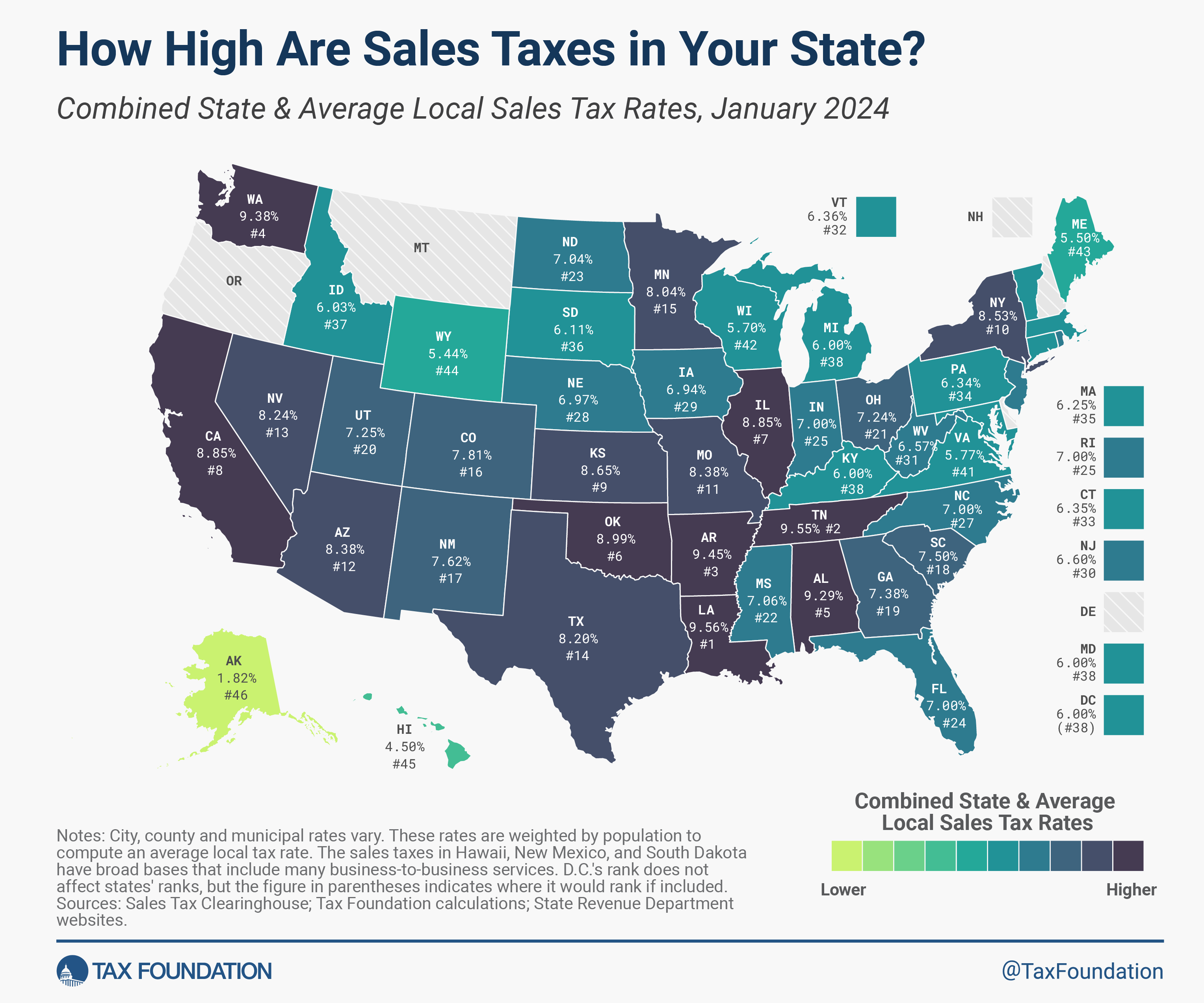
- Sales Tax: Colorado has a state sales tax rate, but this is often combined with local sales taxes imposed by cities, counties, and special districts. This means that the total sales tax you pay on purchases—from souvenirs in Boulder to ski gear in Breckenridge—can vary significantly depending on your location. For example, a purchase in Denver will likely incur a different combined sales tax rate than one in Grand Junction. This is a crucial detail for travelers budgeting for shopping and dining experiences.
- Lodging Tax: Hotels, resorts, and short-term rental accommodations are subject to specific lodging taxes, which are often a combination of state, county, and municipal levies. These taxes are added to the room rate and can significantly impact the final cost of your stay. When booking a Hyatt Regency Denver suite or a charming Durango cabin, always inquire about the total cost including all taxes and fees to avoid surprises. This directly relates to the “Accommodation” aspect of travel planning, where understanding the full price is key for comparison and budgeting.
- Property Tax: For those considering a longer stay, investing in vacation properties, or relocating, property taxes are a major consideration. Colorado’s property tax system is complex, with rates varying widely by county and municipality. Unlike income tax, property taxes are not flat and are assessed on the actual value of the property, with different assessment rates for residential and commercial properties. This impacts the cost of living and the potential return on investment for rental properties, a critical factor for long-term stay planning or real estate ventures.
- Gasoline Tax: Like most states, Colorado levies a tax on gasoline. This is a minor but consistent cost for road-trippers exploring scenic byways or driving to various attractions like Garden of the Gods or Mesa Verde National Park.
The Colorado Department of Revenue is the primary source for the most up-to-date information on all these tax rates and regulations. Consulting their official resources is always recommended for precise planning.
Implications for Travelers and Tourists
Understanding Colorado’s tax structure isn’t just for residents; it holds significant implications for every traveler, shaping their budget and influencing their overall experience. From choosing a destination to booking an accommodation, taxes play an unseen but vital role.
Budgeting for Your Colorado Adventure
When planning your itinerary, whether it’s an exhilarating ski trip to Vail Ski Resort or a hiking expedition in the Rocky Mountains, factoring in local taxes is non-negotiable for accurate budgeting.
- Accommodation Costs: As mentioned, lodging taxes can add a notable percentage to your hotel or vacation rental bill. High-demand areas like Aspen, Telluride, or Steamboat Springs might have higher base rates, and when combined with local lodging taxes, the final price can be substantially higher than the advertised nightly rate. Always check the total price, including all taxes and fees, before confirming your booking. This is particularly relevant when comparing options like a luxurious suite at The Broadmoor versus a more modest cabin rental.
- Dining and Shopping: The varying sales tax rates across different municipalities mean that a meal or a shopping spree in one city might cost slightly more or less than in another. While the difference might seem small per transaction, it can accumulate over a multi-day trip. Budget-conscious travelers should keep this in mind when planning their expenses for food, souvenirs, and activities.
- Activities and Attractions: Many paid attractions, tours, and services are also subject to sales tax. Whether you’re buying tickets for a concert at Red Rocks Amphitheatre or a lift pass at Aspen Snowmass, taxes will be included in the final price.
Tourism Infrastructure and Tax Revenue
It’s worth noting that the taxes collected from tourists and residents contribute significantly to the funding of public services and infrastructure that directly enhance the travel experience. Income tax, sales tax, and lodging tax revenues support:
- Road Maintenance: Essential for accessing remote natural landmarks and navigating cities.
- Public Parks and Recreation Areas: Many of Colorado’s most beloved attractions, like Great Sand Dunes National Park and Preserve, benefit from state and local funding that is partially fueled by tax revenues.
- Emergency Services: Ensuring safety for adventurers exploring areas like Mount Elbert.
- Cultural Programs and Festivals: Contributing to the vibrant local culture that draws visitors.
So, while taxes add to your travel expenses, they also play a role in maintaining the high quality of life and the exceptional tourism experiences that Colorado is famous for. It’s a cyclical relationship where tourism revenue helps fund the very amenities that attract more tourists.
Lifestyle and Relocation Considerations
For those captivated by Colorado’s charm and considering a more permanent move or an extended stay, the state’s tax environment becomes an even more critical component of their lifestyle planning. The implications extend beyond just income tax, touching upon property ownership, retirement, and overall cost of living.
Understanding the Cost of Living Beyond Taxes
While the flat income tax can be appealing, it’s essential to view it within the broader context of Colorado’s cost of living. The state, particularly its popular Front Range cities like Denver and Boulder, and mountain towns like Gunnison, has seen a significant increase in housing costs.
- Housing Market: High demand for housing, both for purchase and rent, means that accommodation expenses often constitute the largest portion of a resident’s budget. While property taxes can be lower than in some other states, the high home values can still result in substantial annual tax bills. Potential residents should research property tax rates in their target cities (e.g., Fort Collins versus Colorado Springs) and factor these into their financial projections.
- Healthcare and Services: The cost of healthcare, utilities, and other daily services also contributes to the overall cost of living. While not directly taxed, these expenses are part of the financial landscape that shapes a resident’s lifestyle.
Retirement and Tax Benefits
Colorado is also a popular destination for retirees, and its tax policies offer some benefits for seniors.
- Retirement Income Exclusions: The state provides an income tax subtraction for certain types of retirement income, such as pensions, annuities, and IRA distributions, up to a certain amount, depending on the taxpayer’s age. This can make Colorado an attractive state for those planning their post-working life, aligning with a “Budget Travel” or “Long-term Stay” lifestyle focus for older adults.
- Property Tax Homestead Exemptions: For qualifying seniors and disabled veterans, there are homestead exemptions available that can reduce their property tax burden, further enhancing the state’s appeal for long-term residency.
These specific provisions demonstrate Colorado’s effort to create a balanced tax environment that supports various demographics, from young professionals to retirees, and caters to diverse lifestyle needs.
Planning Your Colorado Visit: Beyond Taxes
While understanding Colorado’s income tax and other financial considerations is crucial, it’s equally important to embrace the incredible experiences the state offers. Financial planning sets the foundation, but the true magic lies in the destinations, attractions, and cultural experiences.
Choosing Your Destination
Colorado’s geography is incredibly varied, offering a different vibe in each region:
- Mountain Escapes: For skiing, snowboarding, and alpine adventures, towns like Breckenridge, Vail, and Aspen are world-renowned. Here, you’ll find luxurious resorts like the Four Seasons Resort Vail and endless outdoor activities.
- Urban Explorations: Denver offers a vibrant arts scene, diverse culinary experiences, and easy access to the foothills. Colorado Springs provides stunning natural beauty coupled with a strong military presence and historical sites.
- Natural Wonders: Visit Maroon Bells for iconic photography, explore ancient cliff dwellings at Mesa Verde National Park, or witness the surreal landscapes of Great Sand Dunes National Park and Preserve. These landmarks offer unparalleled experiences, often with minimal entry fees, but require planning for travel and accommodation.
Accommodation Choices
From charming boutique hotels to expansive resorts, vacation rentals, and campsites, Colorado provides an accommodation option for every preference and budget.
- Hotels and Resorts: Whether you seek lavish amenities, family-friendly resorts, or business-oriented suites, you’ll find a wide array. Remember to account for lodging taxes when comparing prices.
- Vacation Rentals: Platforms offering apartments, villas, and cabins are popular, especially for longer stays or larger groups. These often provide a more local experience and can be cost-effective, though cleaning fees and local taxes still apply.
- Camping and Glamping: For nature enthusiasts, Colorado’s numerous state and national parks offer fantastic camping opportunities, ranging from rustic sites to luxurious glamping experiences. This aligns perfectly with budget travel while immersing in nature.
Local Culture and Experiences
Beyond the tax implications and logistical planning, engaging with Colorado’s local culture is what truly enriches any trip. From farm-to-table dining experiences in Boulder to craft breweries in Fort Collins and Western heritage in Durango, the state offers a unique blend of experiences. Attending local festivals, exploring historical landmarks, or simply enjoying the culinary scene provides deeper insights into the spirit of Colorado.
Conclusion
So, does Colorado have a state income tax? Yes, it does, and it operates under a flat-rate system, which is a distinctive feature within the United States. This flat tax, alongside other local sales, lodging, and property taxes, forms the financial backbone of the state, supporting the infrastructure and services that make Colorado such a compelling destination for travelers, tourists, and residents alike.
For visitors, understanding these taxes is key to accurate budgeting, ensuring that your travel plans, from booking accommodations to enjoying local attractions, remain on track. For those considering a longer stay or relocation, the flat income tax, coupled with specific retirement income exclusions, presents an interesting financial landscape that can be highly advantageous depending on individual circumstances.
Ultimately, while the financial considerations are important, they are merely part of the larger picture. Colorado’s allure lies in its unparalleled natural beauty, vibrant cities, diverse cultural offerings, and a lifestyle that champions outdoor adventure and a high quality of life. By being informed about the state’s tax environment, you can better plan your journey, make sound financial decisions, and fully immerse yourself in all the incredible experiences that the Centennial State has to offer. Whether you’re planning a quick getaway or envisioning a new chapter, Colorado promises an unforgettable adventure, made even better with a clear understanding of its financial framework.
LifeOutOfTheBox is a participant in the Amazon Services LLC Associates Program, an affiliate advertising program designed to provide a means for sites to earn advertising fees by advertising and linking to Amazon.com. Amazon, the Amazon logo, AmazonSupply, and the AmazonSupply logo are trademarks of Amazon.com, Inc. or its affiliates. As an Amazon Associate we earn affiliate commissions from qualifying purchases.