
Colorado, a state synonymous with majestic peaks, endless outdoor adventure, and vibrant urban centers like Denver, often conjures images of pristine snowcaps and sun-drenched hiking trails. Many travelers planning a visit focus on the spectacular Rocky Mountains and the high-altitude experiences they offer. However, a question that sometimes surprises visitors, especially those unfamiliar with the state’s diverse geography, is: “Does Colorado have tornadoes?” The short answer is unequivocally yes. While not as frequently or intensely as its neighbors further east, Colorado certainly experiences these powerful meteorological phenomena.
Understanding the unique atmospheric conditions that lead to tornadoes in the Centennial State is crucial for any traveler, enabling them to plan a safe and enjoyable trip. This isn’t a call for alarm, but rather an invitation to informed travel planning, ensuring your focus remains on experiencing Colorado’s unparalleled beauty, from its world-class ski resorts to its thriving culinary scenes and historical landmarks. By delving into where, when, and why these storms occur, and what precautions to take, visitors can confidently explore every corner of this magnificent state, ready for any weather surprise it might present.
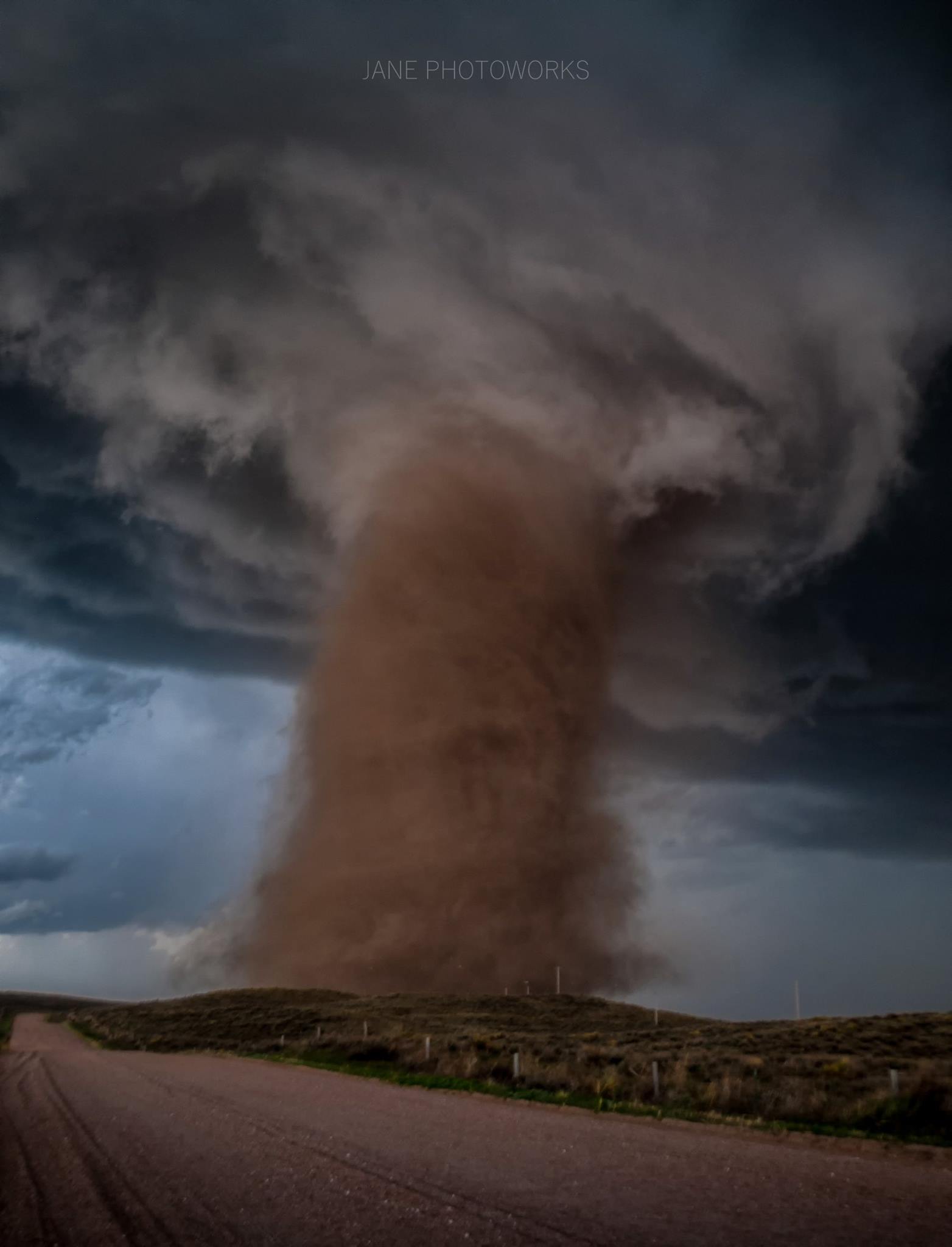
Unraveling the Myth: Tornadoes on the Eastern Plains of Colorado
The popular perception of Colorado is often limited to its towering mountains. Yet, roughly the eastern third of the state lies squarely within the Great Plains, a vast expanse of relatively flat land that stretches across the heartland of the United States. It is precisely this geographical juxtaposition – the dramatic elevation change from plains to mountains – that creates the unique conditions conducive to tornado formation. The phrase “Tornado Alley” typically brings to mind states like Oklahoma or Kansas, but a lesser-known extension of this storm-prone region reaches into eastern Colorado and parts of Wyoming and Nebraska.
For travelers, this means that while your Vail ski trip or Rocky Mountain National Park hike is unlikely to be impacted by a tornado, road trips across the Eastern Plains or stays in cities nestled at the edge of the mountains, such as Greeley or Fort Morgan, necessitate a degree of weather awareness, particularly during certain times of the year. This distinction is vital for understanding the true nature of weather risks in Colorado, allowing visitors to appreciate the state’s diverse landscapes while remaining prepared.
Where and When: Understanding Colorado’s Tornado Alley
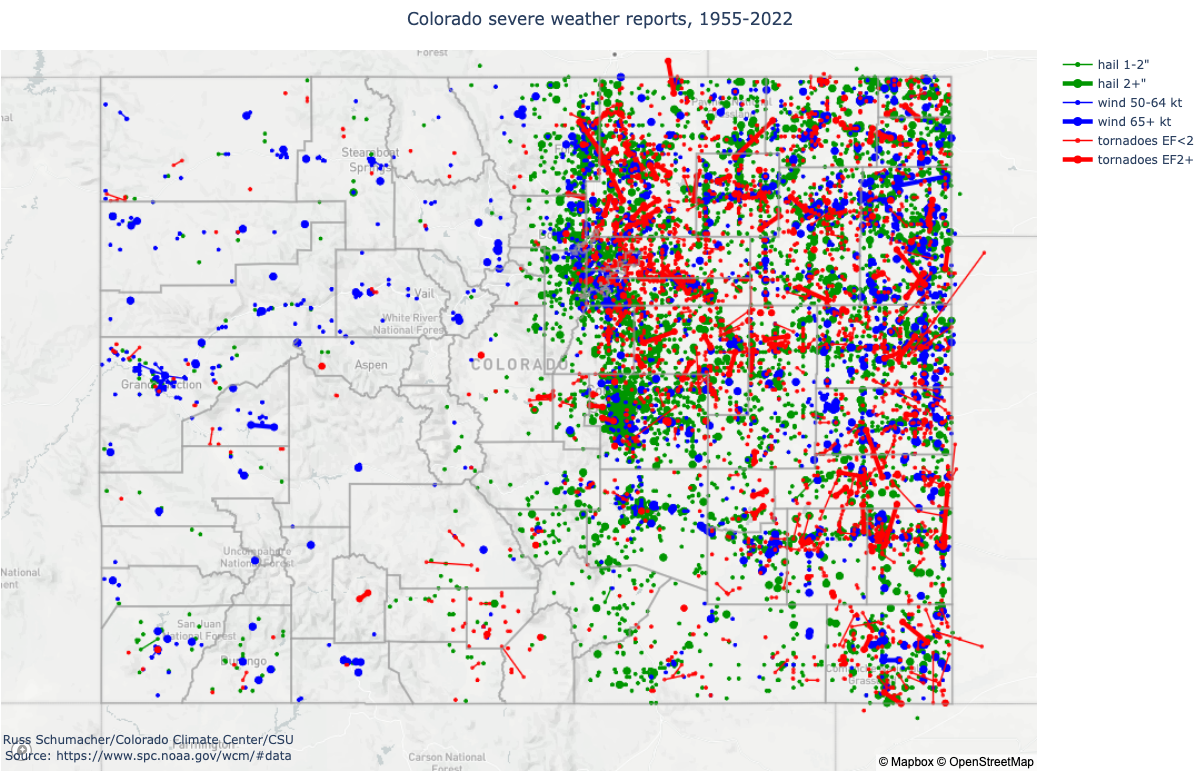
The majority of Colorado’s tornadoes occur on the Eastern Plains, east of the Front Range of the Rocky Mountains. This area, characterized by rolling prairie and agricultural land, is less densely populated than the urban corridor running along the Front Range from Fort Collins to Pueblo. The meteorological setup involves several key ingredients: moisture from the Gulf of Mexico flowing northward, often colliding with a dry, stable air mass originating from the high desert plateau to the west. This boundary, known as a dry line, along with strong upper-level winds and atmospheric instability, creates a perfect breeding ground for severe thunderstorms, some of which can spin off tornadoes.
Timing is crucial when discussing Colorado tornadoes:
- Season: The primary tornado season in Colorado runs from late Spring through early Summer, typically from May to July. This aligns with a popular travel period for outdoor activities, making awareness especially important.
- Time of Day: Most tornadoes tend to form in the late afternoon and early evening, between 3:00 PM and 9:00 PM, when the sun’s heating has maximized atmospheric instability.
While cities like Denver and Colorado Springs are on the western edge of this susceptible zone, they can still experience tornadoes, though less frequently than areas further east. The immediate protection offered by the rising terrain of the Front Range generally disrupts the atmospheric conditions needed for widespread, powerful tornado outbreaks.
The Dynamics of a Colorado Tornado
Compared to the widespread, long-track tornadoes often seen in the central Tornado Alley states like Oklahoma and Kansas, Colorado tornadoes are generally weaker and shorter-lived. The majority fall into the EF0 or EF1 categories on the EF scale, causing minor to moderate damage. However, this doesn’t mean the state is immune to more powerful storms. The EF3 tornado that struck Windsor, Colorado, in 2008, causing significant damage and injuries, serves as a stark reminder that severe events are possible.
Despite their lower average intensity, the sheer number of tornadoes reported annually in Colorado can be surprising. The state often ranks among the top ten in the United States for the total number of tornadoes reported, largely due to the many weaker, short-lived landspout tornadoes that form in the non-supercell thunderstorms over the Eastern Plains. These are less organized but still dangerous. For travelers, understanding this nuance means recognizing that while the risk of a catastrophic event is relatively low, being prepared for any severe weather is a fundamental aspect of responsible tourism in Colorado.
Planning Your Trip: Weather Preparedness for Travelers in Colorado
Travel to Colorado is an experience of breathtaking natural beauty, whether you’re skiing in Aspen, exploring Garden of the Gods, or hiking near Estes Park. The occasional threat of tornadoes, while real, should not deter your plans. Instead, it should empower you with the knowledge to travel wisely. Preparedness isn’t about fear; it’s about common sense, especially when venturing into unfamiliar environments. For those planning a vacation, particularly during the Spring and Summer months, integrating weather awareness into your travel itinerary is a small effort for significant peace of mind. This proactive approach allows you to fully immerse yourself in Colorado’s vibrant lifestyle and diverse attractions.
Essential Safety Tips for Visitors
Staying safe during severe weather in Colorado is largely about staying informed and knowing what to do. Here are key tips for visitors:

- Monitor Forecasts Regularly: Before and during your trip, keep an eye on weather forecasts, especially if you plan to travel across or stay in the Eastern Plains. Reliable sources include local news, weather apps like AccuWeather or The Weather Channel, and the National Weather Service website. Consider bringing a NOAA Weather Radio if you’re venturing into remote areas.
- Understand Watches vs. Warnings:
- Tornado Watch: Means conditions are favorable for tornadoes to develop in or near the watch area. This is the time to review your safety plan and stay alert.
- Tornado Warning: Means a tornado has been sighted or indicated by radar. This requires immediate action and seeking shelter.
- Know Where to Shelter:
- In a Building: Seek shelter in a basement, storm cellar, or an interior room on the lowest floor of a sturdy building, away from windows. If you’re in a large facility like a convention center or a resort, follow their emergency procedures.
- In a Vehicle: Never try to outrun a tornado in a car, especially in urban or congested areas. If possible, drive to the closest sturdy shelter. If there’s no shelter nearby, pull over, get out of the car, and lie down in a ditch or low-lying area, covering your head with your arms.
- Outdoors: If caught outdoors with no immediate shelter, lie down in a ditch or a sturdy culvert, protecting your head.
- Avoid Storm Chasing: While fascinating, professional storm chasing is extremely dangerous and should never be attempted by tourists. Focus on safety, not spectacle.
- Emergency Contact Info: Have local emergency numbers, your accommodation’s contact, and family/friend contacts readily available.
Choosing Your Accommodation Wisely
Your choice of accommodation can significantly impact your safety and peace of mind during severe weather. When booking hotels, especially in areas like Denver, Boulder, Colorado Springs, or the towns further east, consider:
- Hotel Emergency Plans: Reputable hotels, such as the Hyatt Regency Denver at Colorado Convention Center, will have established emergency procedures for guests. Don’t hesitate to ask reception upon check-in about their severe weather plan, where the designated shelter areas are, and how they communicate warnings to guests.
- Basements and Interior Rooms: Inquire if the hotel has a basement or designated interior shelter areas. If not, understand which parts of the building are safest (e.g., interior hallways, bathrooms, or lower-level rooms away from exterior walls and windows).
- Rental Properties (Airbnb/VRBO): If staying in an Airbnb or VRBO, ask the host about severe weather protocols, nearest shelters, and if the property has a basement or sturdy interior room. Research the local area beforehand for public shelters.
- Smaller Towns: In smaller towns like Limon or Burlington, public shelters (often schools or community centers) may be designated. Familiarize yourself with these options upon arrival.
By considering these factors, travelers can ensure their chosen accommodation provides not just comfort and amenities, but also a reliable plan for unexpected weather events.
Beyond the Front Range: Exploring Colorado’s Diverse Landscapes Safely
Colorado’s appeal lies in its incredible diversity. From the bustling urban energy of Denver to the tranquil solitude of its wilderness areas, there’s an adventure for every traveler. Understanding the regional differences in tornado risk allows for more targeted planning, ensuring that while you remain mindful of potential weather, you don’t let it overshadow the vast array of experiences the state has to offer. Whether you’re a luxury traveler seeking exclusive resorts, a budget-conscious adventurer, or planning a family trip, Colorado’s wonders are accessible with informed preparation.
Mountain Adventures vs. Plains Exploration
It’s important to differentiate travel risks based on your chosen destination within Colorado:
- Mountain Destinations: If your itinerary focuses on the higher elevations, such as skiing in Aspen, snowboarding in Breckenridge, hiking in Rocky Mountain National Park, exploring the scenic beauty of Telluride, or visiting Mesa Verde National Park, the risk of encountering a tornado is negligible. The mountainous terrain inherently disrupts the atmospheric conditions required for tornado formation. Here, concerns shift to other weather-related issues like sudden snowstorms (even in Spring), lightning during Summer thunderstorms, or flash floods in canyon areas.
- Eastern Plains and Front Range Edge: If your travels take you to the vast, open expanses of the Eastern Plains – perhaps to explore the Pawnee National Grassland, visit historic sites in Greeley or Fort Morgan, or if your route from Denver International Airport involves significant driving eastward – then heightened tornado awareness is warranted, particularly during the May-July season. These areas offer unique insights into Colorado’s agricultural heritage and wide-open landscapes, but they demand a more proactive approach to weather monitoring. Even cities like Colorado Springs, at the base of Pikes Peak, occasionally experience tornado warnings due to their proximity to the plains.
Colorado’s All-Season Appeal: A Broader Perspective
Tornadoes are just one facet of Colorado’s dynamic weather patterns. The state is renowned for its “four seasons in a day” reputation, particularly in the mountains. Travelers should also be aware of:
- Winter Blizzards: Especially in the mountains, sudden and severe snowstorms can impact travel and road closures from Winter through Spring.
- Wildfires: A growing concern, particularly in dry Summer and Autumn months, wildfires can affect air quality and necessitate evacuations.
- Flash Floods: Heavy Summer thunderstorms can cause dangerous flash floods in canyons and burn scars.
Despite these varied weather challenges, Colorado remains a premier travel destination year-round. From the adrenaline rush of whitewater rafting to the serenity of stargazing in Great Sand Dunes National Park and Preserve, the state offers experiences that cater to every lifestyle. By being informed about the potential for tornadoes and other weather events, travelers can confidently pursue their desired adventures, whether that involves a luxurious stay at a mountain resort or a rugged backpacking trip.
The Colorado Experience: Where Natural Wonders and Preparedness Converge
In conclusion, the answer to “Does Colorado have tornadoes?” is a resounding yes, though with important geographical and seasonal caveats. For most travelers focusing on the iconic mountain towns and vast wilderness areas, the risk is minimal. However, those venturing into or traveling through the Eastern Plains, particularly during the late Spring and early Summer months, should exercise a reasonable level of weather awareness and preparedness.
Colorado is a state that embraces its natural environment in all its forms, from the gentle whisper of a breeze through an Aspen grove to the dramatic grandeur of a thunderstorm rolling across the prairie. The beauty of travel here lies in both the predictable splendor of its landscapes and the unpredictable marvels of its weather. By understanding the dynamics of Colorado’s unique climate, equipping yourself with basic safety knowledge, and making informed choices about your accommodation and itinerary, you can ensure that your visit is not just memorable for its attractions, but also for its seamless safety and preparedness.
So, pack your bags, consult your weather apps, and prepare to be enchanted by Colorado. From its vibrant cities to its serene natural parks, its world-class hotels to its hidden local gems, the state offers an unparalleled travel experience. The slight chance of encountering a tornado becomes merely another interesting fact about this diverse state, rather than a deterrent, allowing you to fully enjoy the rich tapestry of culture, adventure, and breathtaking scenery that Colorado proudly presents to the world. Journey on, confidently and wisely, into the heart of the Centennial State.
LifeOutOfTheBox is a participant in the Amazon Services LLC Associates Program, an affiliate advertising program designed to provide a means for sites to earn advertising fees by advertising and linking to Amazon.com. Amazon, the Amazon logo, AmazonSupply, and the AmazonSupply logo are trademarks of Amazon.com, Inc. or its affiliates. As an Amazon Associate we earn affiliate commissions from qualifying purchases.