
The question of whether a state maintains the death penalty is a complex one, deeply intertwined with legal history, public sentiment, and the evolving understanding of justice. For travelers, residents, or anyone interested in the legal and social fabric of the United States (https://lifeoutofthebox.com/united-states), understanding these aspects can provide a deeper appreciation of a region’s values and governance. Colorado (https://lifeoutofthebox.com/colorado), a state known for its majestic Rocky Mountains (https://lifeoutofthebox.com/rocky-mountains), vibrant cities like Denver (https://lifeoutofthebox.com/denver), and progressive policies, has a particularly compelling history regarding capital punishment, culminating in its abolition in recent years. This article delves into Colorado’s journey with the death penalty, exploring its past application, the pivotal decision to repeal it, and the lasting implications for the state’s legal and social landscape.

For many years, the death penalty was a recognized form of punishment in Colorado for the most heinous crimes. However, like many other states across the United States, Colorado witnessed a significant shift in its legislative and judicial approach to capital punishment throughout the late 20th and early 21st centuries. The debate surrounding its efficacy, fairness, and ethical implications gained considerable momentum, reflecting broader societal discussions about criminal justice reform. The story of the death penalty in Colorado is not merely a legal chronicle; it’s a narrative that illustrates the dynamic interplay between justice, morality, and public policy, offering insights into the state’s identity and its commitment to evolving principles of governance.
A Historical Perspective: Colorado’s Journey with Capital Punishment
Colorado‘s history with capital punishment dates back to its territorial days, predating its statehood in 1876. As with many Western territories, the death penalty was seen as a necessary tool for maintaining order and justice in a burgeoning frontier. Over the decades, its application evolved, mirroring changes in legal standards and societal norms across the United States. Understanding this historical trajectory is crucial to grasping the significance of its eventual repeal.
Early Laws and Landmark Cases
From its earliest days, Colorado statutes prescribed the death penalty for capital offenses, primarily murder. Executions were carried out by hanging initially, later transitioning to the gas chamber in the mid-20th century, and eventually lethal injection. The state’s history is dotted with numerous executions, each case drawing varying degrees of public attention and debate.
One of the earliest significant periods of reform came in the late 19th and early 20th centuries. There was a brief period of abolition between 1897 and 1901, demonstrating that skepticism towards capital punishment is not a modern phenomenon in Colorado. This early attempt at repeal, though short-lived, signals an enduring thread of critical examination within the state’s legal and political discourse.
Throughout the 20th century, Colorado faced similar challenges to other states regarding the implementation of the death penalty. Concerns about racial bias, the quality of legal representation for indigent defendants, and the possibility of executing innocent individuals were persistent. The landmark United States Supreme Court (https://lifeoutofthebox.com/united-states-supreme-court) ruling in Furman v. Georgia in 1972 temporarily halted executions nationwide, including in Colorado, by finding that existing death penalty statutes were unconstitutional due to their arbitrary application. This decision led to a complete overhaul of capital sentencing laws in many states.
Colorado responded by enacting new statutes designed to address the concerns raised by Furman, aiming to create a more consistent and less arbitrary system. These new laws typically involved bifurcated trials (a guilt phase and a sentencing phase) and specific aggravating circumstances that juries had to find beyond a reasonable doubt to impose a death sentence. Despite these reforms, the application of capital punishment in Colorado remained relatively infrequent compared to some other states, and the debate surrounding its morality and fairness never truly subsided. Notable cases, such as that of Nathan Dunlap (https://lifeoutofthebox.com/nathan-dunlap), who was convicted of murdering four employees at a Chuck E. Cheese restaurant in Aurora (https://lifeoutofthebox.com/aurora) in 1993, brought the issue to the forefront, particularly when Governor John Hickenlooper issued a temporary reprieve in 2013, sparking renewed public discussion.
Shifting Tides: Repeal Efforts and Stays
The journey towards repeal was a protracted one, marked by increasing legislative efforts and evolving public opinion. Over several decades, bills to abolish the death penalty were regularly introduced in the Colorado General Assembly (https://lifeoutofthebox.com/colorado-general-assembly), reflecting a growing discomfort among lawmakers and a segment of the populace with its continued use. Arguments against capital punishment in Colorado often centered on several key points: the high cost associated with death penalty cases (due to extensive appeals), the irreversible nature of the punishment in the face of potential wrongful convictions, and the ethical concerns surrounding state-sanctioned killing.
One significant turning point came with the increasing number of states abolishing the death penalty. As states like New Jersey (https://lifeoutofthebox.com/new-jersey), New Mexico (https://lifeoutofthebox.com/new-mexico), Illinois (https://lifeoutofthebox.com/illinois), Connecticut (https://lifeoutofthebox.com/connecticut), and Maryland (https://lifeoutofthebox.com/maryland) moved away from capital punishment, it created a ripple effect, prompting other states, including Colorado, to re-evaluate their own positions. The national trend indicated a clear shift away from the death penalty, especially in states without consistently high execution rates.
The legislative efforts in Colorado gained significant momentum in the late 2010s. Advocates highlighted the racial disparities in sentencing, noting that defendants of color were disproportionately represented on death row. They also emphasized the financial burden on taxpayers, arguing that the funds spent on death penalty litigation could be better used for crime prevention, victim support, or other aspects of the criminal justice system. The moral argument against the state’s power to take a life, irrespective of the crime committed, also resonated deeply with many lawmakers and citizens.
In the years leading up to the final repeal, there were several instances where governors issued stays of execution, effectively halting the process without commuting sentences. These actions, while not outright abolitions, signaled an executive branch reluctance to proceed with executions, adding another layer to the ongoing debate. Such actions reflected the deep moral and ethical dilemmas that the death penalty presented to leaders, further contributing to the momentum for legislative change. The cumulative effect of these various factors — legislative attempts, changing public opinion, legal challenges, and executive actions — set the stage for the definitive legislative action that would ultimately abolish capital punishment in Colorado.
The Repeal of the Death Penalty in Colorado
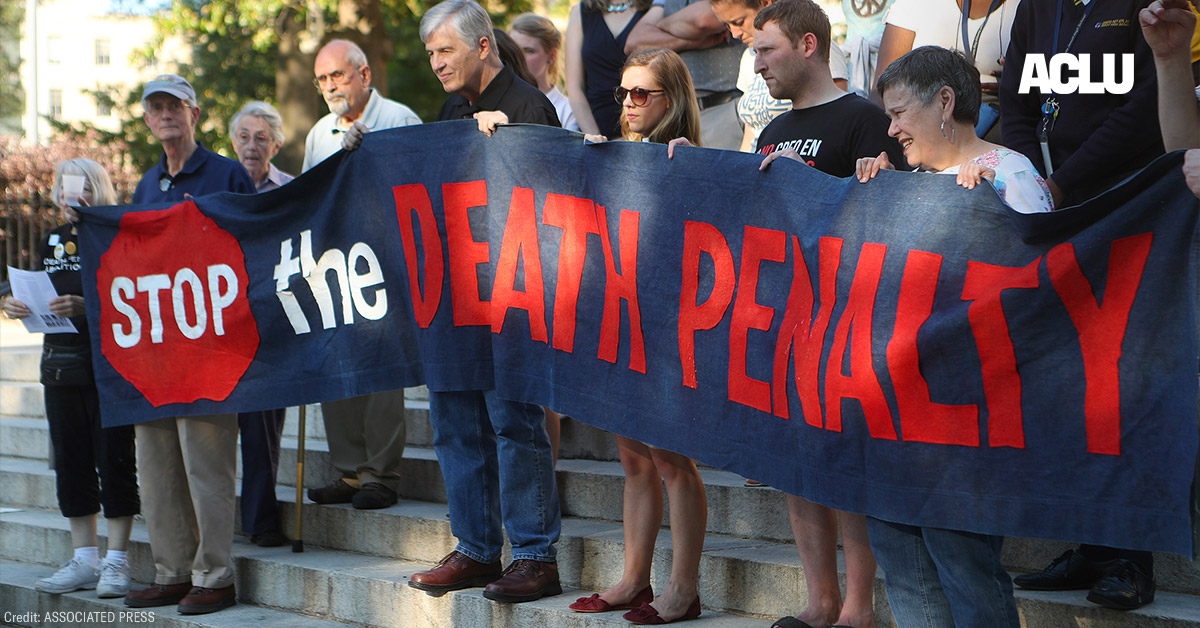
The year 2020 marked a historic legislative achievement in Colorado, solidifying its position among states that have chosen to abolish capital punishment. This decision was the culmination of decades of debate, advocacy, and political maneuvering, reflecting a significant shift in the state’s approach to criminal justice.
The Legislative Process and Key Arguments

The formal repeal of the death penalty in Colorado was achieved through Senate Bill 20-100 (https://lifeoutofthebox.com/senate-bill-20-100), which passed both chambers of the Colorado General Assembly in early 2020. The bill was subsequently signed into law by Governor Jared Polis (https://lifeoutofthebox.com/governor-jared-polis) on March 23, 2020. This legislative victory for abolitionists was the result of persistent efforts, as similar bills had failed to pass in previous legislative sessions.
The key arguments that ultimately swayed enough lawmakers to support the repeal were multifaceted:
- Cost: Proponents of repeal frequently cited the exorbitant costs associated with death penalty cases. The extensive legal proceedings, including mandatory appeals, specialized legal representation, and prolonged incarceration on death row, were found to be significantly more expensive than life imprisonment. Studies from organizations like the Legislative Council Staff (https://lifeoutofthebox.com/legislative-council-staff) in Colorado consistently highlighted these financial burdens on taxpayers.
- Risk of Executing the Innocent: The irreversible nature of the death penalty was a powerful argument. The possibility, however remote, of executing an innocent person was deemed an unacceptable risk. With advancements in forensic science and numerous exonerations across the United States, the fallibility of the justice system became a central concern.
- Racial and Socioeconomic Bias: Data consistently showed that the death penalty was disproportionately applied based on race, particularly when victims were white, and socioeconomic status. Critics argued that the system was inherently biased, leading to unequal justice, which violated fundamental principles of fairness.
- Ineffectiveness as a Deterrent: Many studies have concluded that the death penalty does not act as a more effective deterrent to crime than life imprisonment. This argument undermined one of the primary justifications for its existence.
- Moral and Ethical Concerns: A fundamental moral objection to the state taking a human life, regardless of the crime, resonated with many. This ethical stance aligned Colorado with a growing number of countries worldwide that have abolished capital punishment.
The legislative debate was intense, with strong arguments from both sides. Supporters of the death penalty often emphasized retribution for heinous crimes and the concept of justice for victims and their families. However, the accumulation of evidence and changing societal values ultimately led to the bill’s passage.
Commutations and Remaining Sentences
A critical aspect of Senate Bill 20-100 was its provision for the commutation of sentences for the three individuals who were on Colorado’s death row at the time of the repeal. These individuals were Nathan Dunlap, Robert Ray (https://lifeoutofthebox.com/robert-ray), and Erick Mejia (https://lifeoutofthebox.com/erick-mejia). Upon signing the bill, Governor Jared Polis commuted their death sentences to life imprisonment without the possibility of parole.
This action ensured that while capital punishment was abolished for future crimes, those who had been sentenced to death under the previous law would not face execution. Instead, they would serve the harshest alternative punishment available in Colorado – life in prison without the chance of release. The Governor stated that the commutations were an essential step to ensure “equal justice” and avoid the “arbitrary administration of justice,” preventing a situation where individuals convicted of similar crimes might face vastly different outcomes depending on when their cases were tried or appealed.
The repeal and subsequent commutations effectively ended the era of capital punishment in Colorado, bringing closure to a long-standing and often contentious debate within the state. This decision cemented Colorado‘s place among the 22 states that have abolished the death penalty, signifying a profound shift in its criminal justice philosophy.
Implications for the Modern State of Colorado
The abolition of the death penalty in Colorado represents more than just a change in legal statute; it reflects and reinforces the state’s broader identity and progressive stance on a variety of social and justice issues. For residents, visitors, and those considering Colorado as a destination for travel or lifestyle, this legislative shift carries significant meaning.
Legal Landscape and Public Perception
With the repeal of the death penalty, Colorado’s legal landscape has fundamentally changed. The maximum penalty for first-degree murder is now life imprisonment without the possibility of parole. This ensures that individuals convicted of the most serious crimes are still held accountable and removed from society, but without the state resorting to capital punishment. District Attorneys (https://lifeoutofthebox.com/district-attorneys) and prosecutors in Colorado now operate within this framework, focusing on securing convictions that lead to lifelong incarceration for capital offenses.
The decision has largely been integrated into the state’s legal system, and while the debate around capital punishment may continue in broader national discourse, for Colorado, the legislative chapter is closed. This provides a clearer, more consistent approach to sentencing for extreme crimes, removing the complexities and often lengthy, costly appeals processes associated with death penalty cases.
Public perception, while initially divided on the issue, has largely moved towards acceptance of the repeal. Surveys over the years have shown a gradual decline in support for the death penalty across the United States, particularly as alternatives like life without parole become more widely understood and accepted. For Colorado, a state that often prides itself on innovation and progressive policies, the repeal aligns with its self-image as a forward-thinking jurisdiction. It signals a commitment to a criminal justice system that, while firm, prioritizes rehabilitation, fairness, and the avoidance of irreversible errors. This can enhance the state’s reputation as one that values human rights and operates with a modern understanding of justice, potentially influencing perceptions among businesses and individuals looking to relocate or invest in the state.
Colorado’s Progressive Stance and its Lifestyle
Colorado has increasingly been recognized for its progressive policies, ranging from environmental protection and renewable energy initiatives to cannabis legalization and robust LGBTQ+ rights. The abolition of the death penalty fits squarely within this progressive narrative, reinforcing Colorado‘s identity as a state that is willing to critically examine established norms and enact reforms based on evolving ethical standards, economic considerations, and principles of fairness.
This progressive stance contributes to the overall “lifestyle” appeal of Colorado. For many, a state’s legal and social policies are integral to its attractiveness as a place to live, work, or visit. Individuals and families who value social justice, human rights, and a modern approach to governance may find Colorado‘s position on capital punishment particularly appealing. It suggests a society that is engaged in thoughtful civic discourse and committed to continually improving its institutions.
From a tourism perspective, while the death penalty itself isn’t a direct draw, a state’s overall reputation for being forward-thinking, safe, and just can subtly influence perceptions. Travelers often look for destinations that reflect their own values or offer a sense of modernity and openness. Colorado‘s decision reinforces its image as a welcoming and progressive place, complementing its natural beauty and outdoor attractions. It projects an image of a state that is not just physically stunning but also thoughtfully governed, contributing to its overall brand as a desirable destination for both short-term visits and long-term residency.
In conclusion, Colorado‘s journey with the death penalty is a testament to its dynamic legal and social environment. The repeal in 2020 marked a definitive end to capital punishment in the state, driven by a complex interplay of ethical concerns, financial realities, and a commitment to justice reform. This decision not only reshaped Colorado‘s legal landscape but also reinforced its identity as a progressive state, offering a compelling example of how a community can evolve its understanding of punishment and justice. For anyone considering Colorado, this aspect of its recent history provides valuable context to its modern ethos and the values it upholds.
LifeOutOfTheBox is a participant in the Amazon Services LLC Associates Program, an affiliate advertising program designed to provide a means for sites to earn advertising fees by advertising and linking to Amazon.com. Amazon, the Amazon logo, AmazonSupply, and the AmazonSupply logo are trademarks of Amazon.com, Inc. or its affiliates. As an Amazon Associate we earn affiliate commissions from qualifying purchases.