
Florida, often celebrated as the Sunshine State, beckons millions of visitors each year with its pristine beaches, vibrant cities, and world-class attractions. From the magical theme parks of Orlando to the Art Deco splendor of Miami, and the tranquil beauty of the Florida Keys, the state offers a diverse tapestry of experiences. For both residents and prospective travelers, understanding the local landscape extends beyond attractions and accommodations to include important aspects of public policy, particularly healthcare access. One question that often arises, especially for those planning an extended stay or considering Florida for specific needs, is about the legality of abortion. Navigating healthcare laws, particularly on sensitive topics, is crucial for anyone visiting or relocating to a new area within the United States. This comprehensive guide aims to clarify the current legal status of abortion in Florida, providing essential information for travelers and highlighting how these considerations can intersect with travel planning and lifestyle choices in the state.
Understanding Florida’s Legal Landscape Regarding Abortion
The legal status of abortion in the United States has undergone significant shifts in recent years, particularly following the Supreme Court’s decision in Dobbs v. Jackson Women’s Health Organization in June 2022, which overturned Roe v. Wade. This ruling eliminated the federal constitutional right to abortion, returning the authority to regulate or ban the procedure to individual states. Consequently, the legal framework for abortion varies significantly from state to state, making it imperative for anyone traveling or residing in Florida to understand its specific laws.
The Current Legal Framework in Florida
As of early 2024, abortion remains legal in Florida, but with significant restrictions that have been enacted and challenged over time. The primary legislative focus has been on gestational limits, mandatory waiting periods, and parental consent requirements for minors.
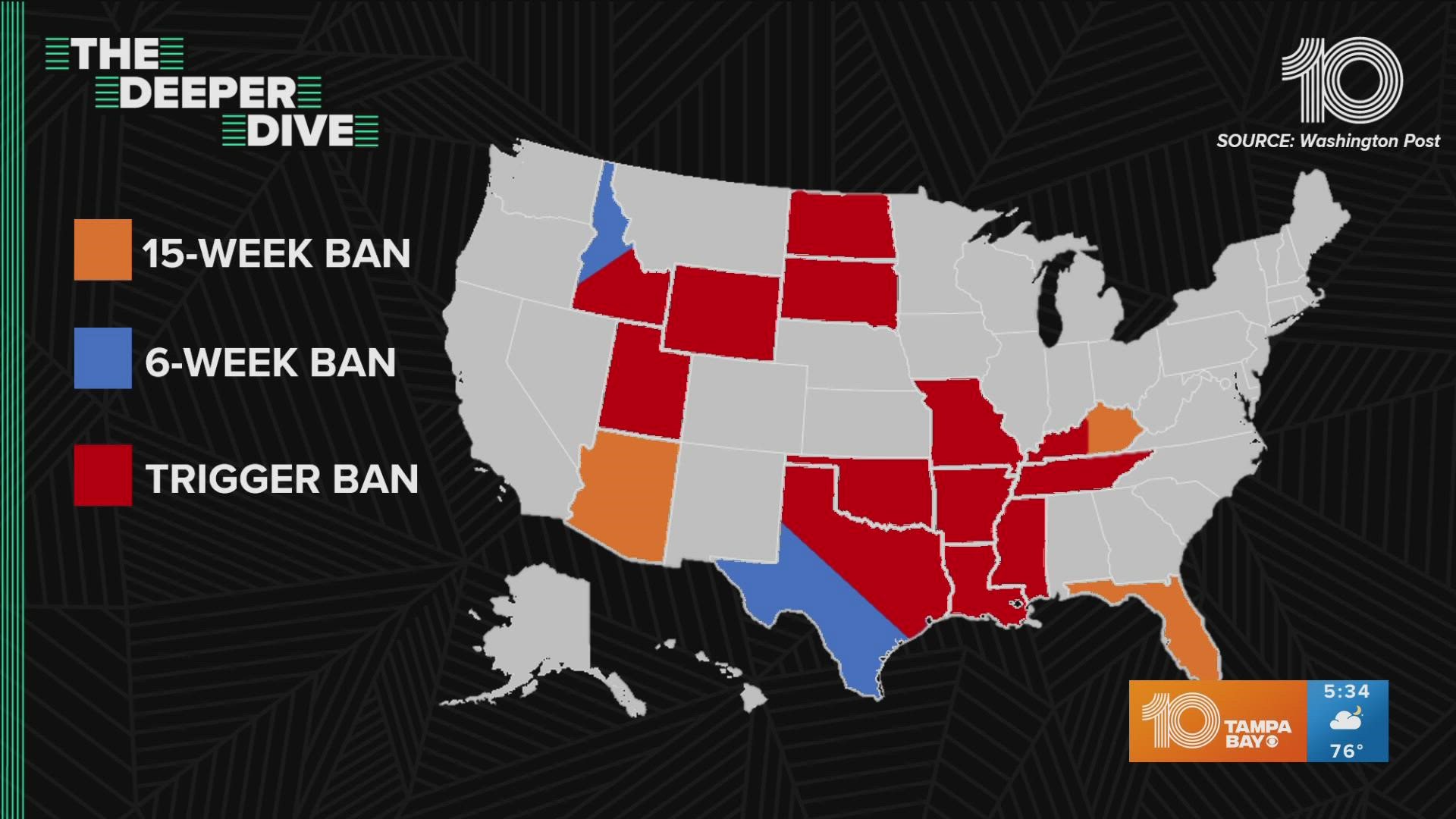
Historically, Florida had a 15-week abortion ban with limited exceptions. However, in April 2024, the Florida Supreme Court upheld this 15-week ban. Simultaneously, it allowed a new, more restrictive law to take effect. This new law prohibits most abortions after six weeks of gestation. This six-week ban is particularly stringent, as many individuals may not even be aware of their pregnancy by that point, often before typical signs or symptoms appear.
Key provisions of Florida’s abortion laws include:
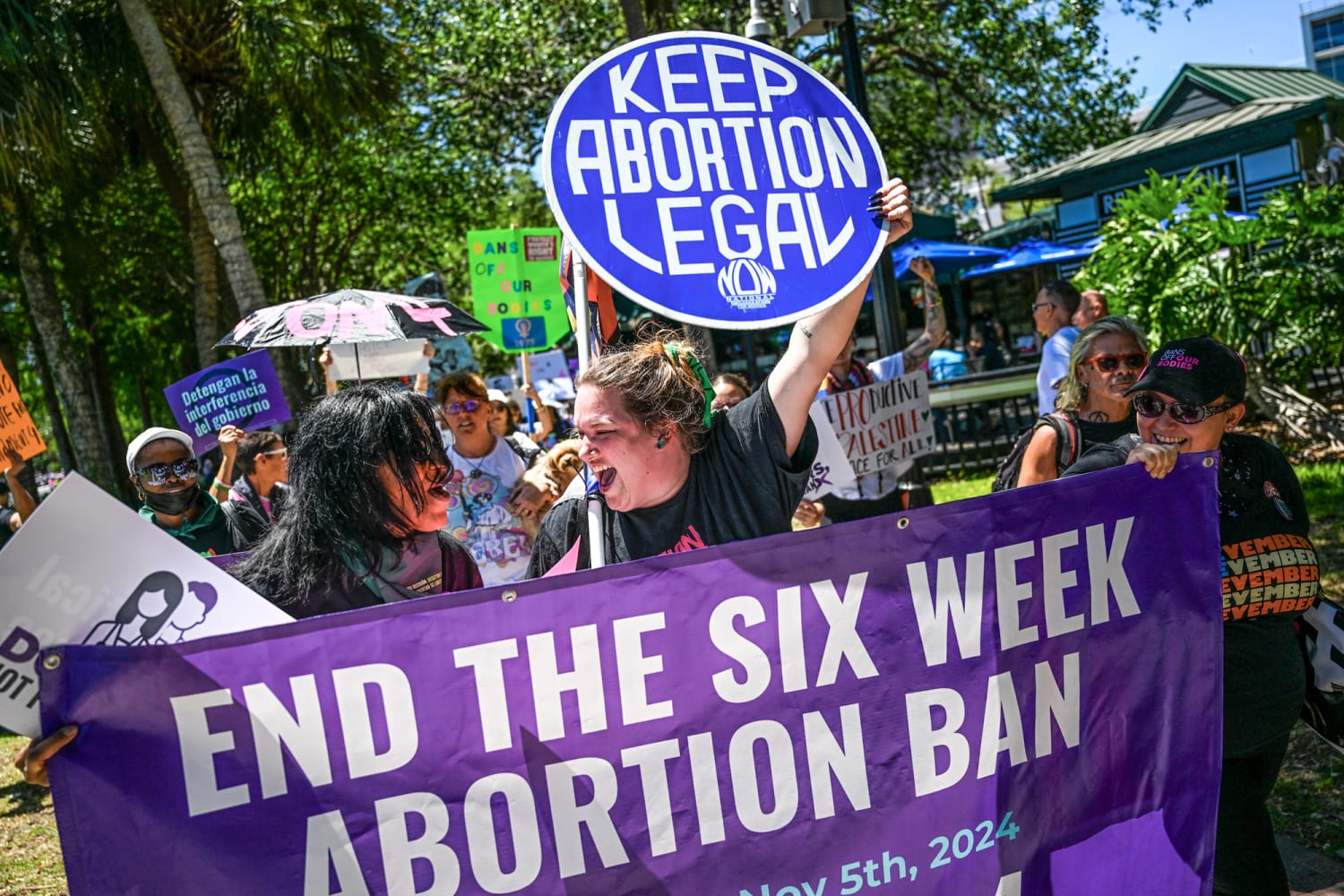
- Gestational Limit: The most significant restriction is the six-week gestational limit. This means that, with very few exceptions, abortions are not permitted in Florida once embryonic cardiac activity can be detected, which typically occurs around six weeks of pregnancy.
- Exceptions: There are narrow exceptions to the six-week ban. These generally include cases where the abortion is necessary to save the pregnant person’s life or to prevent serious bodily injury. There are also exceptions for pregnancies resulting from rape, incest, or human trafficking, but these are subject to strict requirements, including proof (such as a police report or court order), and are only permitted up to 15 weeks of gestation.
- Mandatory Waiting Period: Florida requires a mandatory 24-hour waiting period between the initial consultation and the abortion procedure. This means an individual must make two separate trips to a clinic, often on consecutive days, to receive care. This requirement can pose significant logistical challenges for travelers, especially those on a tight schedule or with limited accommodation options.
- Parental Consent: For minors seeking an abortion, Florida law generally requires parental consent. However, a judicial bypass option is available, allowing a minor to seek approval from a judge without parental notification or consent if they can demonstrate maturity and capability to make the decision.
These laws are enforced across the entire state, from the northern border near Jacksonville down to the southernmost point in Key West. Visitors should be aware that these regulations apply regardless of their state of residence or origin. The legal landscape is subject to ongoing legislative efforts and judicial challenges, making it a dynamic area that may evolve further. Travelers seeking up-to-date information should consult reliable legal resources or healthcare providers directly.
Implications for Travelers and Visitors to Florida
For individuals planning a trip to Florida, understanding the state’s abortion laws can be a critical part of their trip planning, especially if healthcare access is a potential concern. This applies not only to those specifically seeking abortion services but also to anyone who might experience an unexpected medical situation during their stay.
Accessing Care While Visiting Florida
The stringent six-week gestational limit and the mandatory waiting period present significant hurdles for anyone traveling to Florida with the intent of accessing abortion services, or for those who may unexpectedly need them.
- Time Sensitivity: The six-week window is exceptionally narrow. For travelers, this means that by the time they recognize a pregnancy, confirm it, and arrange travel and appointments, they may already be beyond the legal limit. This necessitates extremely rapid decision-making and logistical planning.
- Logistical Challenges for Out-of-State Visitors: The 24-hour waiting period means that an out-of-state visitor would need to plan for at least two days in Florida for the procedure itself, not accounting for travel time to and from the clinic. This impacts accommodation needs, travel costs, and overall itinerary. For someone flying into Miami International Airport or Orlando International Airport, for example, this means securing a hotel for at least two nights in the vicinity of a clinic, which adds to the financial and time commitment of the trip.
- Residency Requirements: Importantly, Florida’s abortion laws apply to all individuals within the state’s borders, regardless of their residency status. There is no specific residency requirement to receive an abortion in Florida, meaning out-of-state visitors are subject to the same gestational limits and procedural requirements as Florida residents.
- Finding Reputable Clinics: For those needing care, identifying legitimate and licensed healthcare providers is essential. Resources like the National Abortion Federation (NAF) hotline or Planned Parenthood can offer assistance in locating verified clinics. It’s crucial to avoid deceptive crisis pregnancy centers that do not offer abortion services but may present themselves as such.
Planning Your Trip: What to Consider
For travelers, especially women of reproductive age, incorporating an understanding of Florida’s healthcare laws into travel planning can be a prudent step.
- Travel Insurance: While general travel insurance typically covers unforeseen medical emergencies, specific coverage for elective procedures like abortion, or even pregnancy-related complications, can vary widely. Travelers should thoroughly review policy details or consult with providers if this is a concern.
- Duration of Stay and Flexibility: For any trip that might involve potential healthcare needs, planning a flexible itinerary or a longer duration of stay can be beneficial. This allows for unexpected appointments or the mandatory waiting periods required by law.
- Logistical Support: If traveling alone, consider having a support network or emergency contacts readily available. Knowing the location of hospitals, urgent care centers, and transportation options in your chosen destination city, whether it’s Tampa, Fort Lauderdale, or Jacksonville, is always wise.
- Contraception Access: For those seeking to prevent unintended pregnancies, access to contraception in Florida remains generally straightforward, with various pharmacies and healthcare providers offering options. However, travelers should plan to bring an adequate supply of their preferred contraception.
Healthcare Resources and Support in Florida
Even with strict regulations, legitimate healthcare providers and support organizations operate within Florida to assist individuals in understanding their options and accessing legal care.
Finding Reputable Healthcare Providers
Identifying licensed and accredited clinics is paramount. Organizations such as Planned Parenthood, local health departments, and private medical practices may offer reproductive health services, including abortion, within the legal parameters. When searching online, look for clinics that are transparent about their services, licensed professionals, and adherence to state laws. Contacting clinics directly to inquire about their services, gestational limits, waiting periods, and any specific requirements for out-of-state patients is always advisable. For example, clinics in larger metropolitan areas like Miami, Orlando, or Tampa often have more resources and experience assisting a diverse patient population, including travelers.
Navigating Legal Resources and Rights
Given the complexity and evolving nature of abortion laws, understanding one’s rights and available legal resources is crucial.
- Legal Aid Organizations: Several non-profit organizations offer legal assistance or referrals to individuals navigating reproductive healthcare laws. These groups can provide confidential advice on specific situations, particularly regarding parental consent laws or judicial bypass for minors.
- Advocacy Groups: Organizations dedicated to reproductive rights often provide up-to-date information on legal changes and can be a valuable source for understanding the current landscape in Florida.
- Hotlines and Online Resources: National hotlines and websites provide confidential information and referrals to clinics and support services. These can be particularly helpful for travelers who are unfamiliar with local resources.
It is always recommended to verify information with multiple reliable sources, as laws can change rapidly. Consulting a medical professional or a legal expert directly is the best way to obtain personalized and accurate advice.
Beyond Healthcare: General Travel Considerations for Florida
While understanding healthcare laws is essential, it’s just one aspect of planning a memorable trip to Florida. The state offers an incredible array of attractions and experiences that cater to every type of traveler.
Exploring Florida’s Diverse Attractions
Florida is renowned for its diverse offerings, promising a fulfilling travel experience whether you’re seeking adventure, relaxation, or cultural immersion.
- Theme Parks and Entertainment: Orlando is the undisputed capital of theme parks, home to the iconic Walt Disney World Resort and Universal Studios Florida. These complexes offer days of entertainment for families and thrill-seekers alike. Other notable parks include Busch Gardens Tampa Bay with its thrilling rides and African-themed animal encounters.
- Beaches and Coastal Wonders: With hundreds of miles of coastline, Florida boasts some of the world’s most beautiful beaches. From the lively atmosphere of South Beach in Miami to the serene shores of the Gulf Coast near Sarasota or the historic charm of Amelia Island on the Atlantic Coast, there’s a beach for every preference. The Florida Keys offer unique diving and snorkeling experiences among vibrant coral reefs.
- Natural Beauty and Wildlife: Beyond the beaches, Florida is home to incredible natural landscapes. The vast Everglades National Park provides opportunities for airboat tours and wildlife viewing, particularly alligators and various bird species. The clear springs throughout central Florida are perfect for swimming, snorkeling, and kayaking.
- History and Culture: Delve into Florida’s rich history by visiting St. Augustine, the nation’s oldest continuously inhabited European-established settlement, with its charming Historic St. Augustine district and Castillo de San Marcos. In cities like Miami and Tampa, you can explore vibrant Cuban and Latin American influences, sample diverse cuisine, and experience dynamic arts scenes. Don’t forget the space exploration history at the Kennedy Space Center Visitor Complex.
Accommodation Options for Every Traveler
Florida’s tourism infrastructure is highly developed, offering a vast array of accommodation options to suit every budget, preference, and travel style.
- Luxury Resorts: For those seeking an indulgent experience, Florida boasts world-class luxury resorts, such as The Breakers Palm Beach, or properties under brands like Ritz-Carlton and Hyatt Regency scattered across destinations like Palm Beach, Orlando, and the Panhandle. These resorts often feature exquisite dining, spa services, and direct beach access.
- Boutique Hotels and Charming Inns: In historic districts like St. Augustine or vibrant neighborhoods like Miami’s South Beach, you’ll find unique boutique hotels and cozy bed-and-breakfasts offering personalized service and local character.
- Family-Friendly Resorts: Near Orlando’s theme parks, numerous resorts cater specifically to families, with expansive pools, kid-friendly activities, and suites designed for larger groups. Major chains like Marriott International offer many such options.
- Budget-Friendly Stays: Florida also provides ample budget-friendly hotels and motels, particularly along major highways and in smaller towns, ensuring that travel is accessible to a wide range of budgets.
- Vacation Rentals: For longer stays, group travel, or those desiring a home-away-from-home experience, vacation rentals (apartments, villas, and houses) are widely available, especially in popular tourist destinations like Orlando, the Florida Keys, and coastal cities of Miami-Dade County.
Choosing the right accommodation depends on your itinerary and priorities. Many travelers prioritize proximity to attractions, while others seek tranquil escapes or specific amenities like pet-friendly options or fully equipped kitchens. Online booking platforms, reviews, and comparison sites can help travelers find the perfect place to stay.
In conclusion, while Florida remains a premier travel destination, it is crucial for visitors to be informed about the state’s legal framework, especially concerning sensitive issues like abortion. The current laws impose significant restrictions, including a six-week gestational limit and a mandatory 24-hour waiting period, which can profoundly impact individuals needing access to reproductive healthcare. Understanding these regulations, alongside planning for travel, accommodation, and general exploration of the state’s many wonders, ensures a more informed and prepared experience for all who journey to the Sunshine State. The capital city of Tallahassee, home to the Florida State Capitol, is where many of these laws are debated and passed, reflecting the ongoing legislative landscape of the state.
LifeOutOfTheBox is a participant in the Amazon Services LLC Associates Program, an affiliate advertising program designed to provide a means for sites to earn advertising fees by advertising and linking to Amazon.com. Amazon, the Amazon logo, AmazonSupply, and the AmazonSupply logo are trademarks of Amazon.com, Inc. or its affiliates. As an Amazon Associate we earn affiliate commissions from qualifying purchases.