
Embarking on a journey through the majestic Rocky Mountains of Colorado promises an unforgettable experience, whether you’re seeking the thrills of world-class skiing or the serene beauty of alpine summers. For many, the adventure begins in the bustling capital city of Denver and leads them westward to the iconic resort town of Vail. Understanding the distance and travel intricacies between these two pivotal Colorado destinations is crucial for planning a seamless and enjoyable trip. While the exact mileage and travel time can vary based on conditions, a general understanding empowers travelers to make informed decisions about their itinerary, transportation, and overall experience.
The Distance and Primary Routes
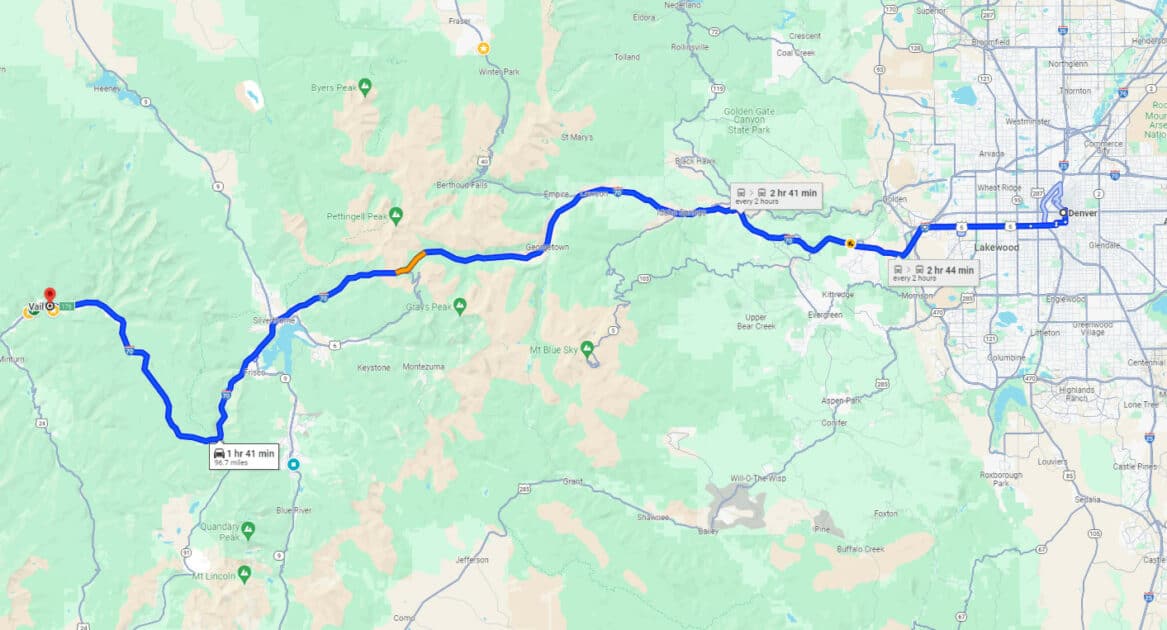
The direct distance between Denver and Vail is approximately 97 miles (156 kilometers) as the crow flies. However, since few travelers possess the ability to fly directly over mountain peaks, the practical travel distance by road is slightly longer. The primary route is a scenic and well-maintained highway, albeit one that winds through some of the most impressive terrain in the continental United States.
Driving the I-70 Corridor
The most common and arguably the most direct way to get from Denver to Vail is by car, traversing Interstate 70 (I-70) westbound. This iconic stretch of highway is a vital artery for Colorado travel, connecting the state’s urban core with its renowned mountain resorts. The driving distance along I-70 is roughly 100 to 120 miles (161 to 193 kilometers), depending on your specific starting point in Denver and your destination within Vail Village or Lionshead Village.
Under ideal conditions, with no traffic and clear roads, the drive typically takes between 1.5 to 2 hours. However, ideal conditions are often a luxury, especially during peak travel times. The journey involves a significant ascent into the Rocky Mountains, including passing through the historic Eisenhower Tunnel, which at 11,158 feet (3,401 meters) above sea level, is one of the highest vehicular tunnels in the world. This section of I-70 is known for its stunning vistas, but also for its potential for congestion, especially during winter weekends, major holidays, and adverse weather events. Travelers should account for potential delays, which can sometimes extend the trip to 3, 4, or even 5 hours during heavy traffic or snowstorms. Staying informed about current road conditions via resources like Colorado Department of Transportation (CDOT) is highly recommended.
Alternative Transportation Options
While driving is the most popular choice, several other transportation methods offer convenient ways to travel between Denver and Vail, catering to different preferences and budgets.
Shuttle Services: Numerous shuttle companies operate daily routes between Denver International Airport (DIA) and Vail. These shared-ride services offer a cost-effective and stress-free option, particularly for those who prefer not to drive in mountain conditions or who don’t want to deal with parking in Vail. Shuttles typically take between 2.5 to 4 hours, factoring in multiple stops and airport pick-up/drop-off logistics. This option aligns well with travelers looking for structured “Travel Guides” and “Experiences” that handle the details.
Private Car Services: For those seeking a more luxurious or personalized experience, private car services are readily available. These services offer direct, door-to-door transportation in comfortable vehicles, often SUVs equipped for mountain roads. While more expensive, they provide flexibility, privacy, and speed, making them ideal for “Luxury Travel” or “Business Stays.” Travel time is similar to driving yourself under good conditions, approximately 2 to 2.5 hours.
Bus Services: Public bus transportation, such as Bustang, offers an economical option from Denver’s Union Station to various points in the Vail Valley. This is a budget-friendly choice that allows travelers to enjoy the scenery without the stress of driving. The journey duration is comparable to shuttle services, often around 3 hours, depending on stops.
Flying: Although less common due to the relatively short distance, it is possible to fly from Denver International Airport (DIA) to Eagle County Regional Airport (EGE), which serves the Vail and Beaver Creek areas. This short flight takes around 30-40 minutes. However, travelers must factor in the time spent commuting to and from DIA, airport security, and then a 30-minute shuttle or taxi ride from EGE to Vail. For “Luxury Travel” or for those arriving from distant international locations who prioritize speed above all else, this might be a viable, albeit more expensive and complex, option.
Planning Your Journey: Best Times and Considerations
The journey from Denver to Vail is not just about covering distance; it’s about navigating a dynamic mountain environment. Effective planning, particularly regarding the time of year and day, can significantly enhance your travel experience.
Seasonal Impact on Travel
Winter (November to April): This is Vail’s peak season, drawing skiers and snowboarders from around the globe. While the snow-covered landscapes are breathtaking, winter travel comes with challenges. Snowstorms can lead to hazardous driving conditions, slow traffic, and even temporary road closures on I-70, especially around mountain passes and the Eisenhower Tunnel. Traction laws (requiring 4WD/AWD or snow tires/chains) are often in effect. Weekends, particularly Friday evenings and Saturday mornings for westbound travel, and Sunday afternoons for eastbound return, see the heaviest traffic. Planning to travel mid-week or during off-peak hours (early morning or late evening) can dramatically reduce travel time and stress.
Summer (June to September): Summer in Colorado offers clear skies and pleasant temperatures, making for a much easier drive. The lush green mountains and blooming wildflowers create a picturesque backdrop. While traffic is generally lighter than in winter, weekends can still see increased volumes, especially with events and festivals in both Vail and Denver. Summer is ideal for “Nature” enthusiasts looking to enjoy hiking and outdoor activities without the concerns of winter weather.
Spring and Fall (May, October): These shoulder seasons can be unpredictable. May might still see late-season snow in the mountains, while October can bring the first significant snowfall. However, these months also offer some of the most beautiful scenery, especially during fall foliage season, and typically lighter crowds and lower accommodation prices, appealing to “Budget Travel” seekers. Travelers should always be prepared for changing weather conditions, carrying emergency supplies, and checking forecasts.
Tips for a Smooth Trip
Regardless of your chosen mode of transport, a few tips can make your journey more enjoyable:
- Check Road Conditions: Always consult CDOT’s cotrip.org or use navigation apps with real-time traffic updates before departing, especially in winter.
- Fuel Up: Gas stations are less frequent in the mountains, so fill your tank before leaving Denver.
- Stay Hydrated: The high altitude can affect some travelers. Drink plenty of water.
- Pack Layers: Mountain weather can change rapidly. Dress in layers to adapt to varying temperatures.
- Altitude Sickness: Be aware of symptoms of altitude sickness, especially if coming from sea level. Take it easy the first day, avoid alcohol, and hydrate.
- Enjoy the Scenery: Don’t rush. The drive itself is part of the Colorado experience, with stunning views of peaks, valleys, and the Colorado River along the way.
- Consider Tolls: While I-70 itself doesn’t have tolls to Vail, there are sometimes optional express lanes closer to Denver that can reduce congestion during peak hours.
Why Make the Trip? Attractions and Experiences
The journey from Denver to Vail is undertaken for a myriad of reasons, each destination offering a distinct array of attractions, activities, and experiences. For tourists, it’s often the lure of adventure, luxury, or a deep dive into Colorado’s unique lifestyle.
Exploring Vail: A Winter Wonderland and Summer Escape
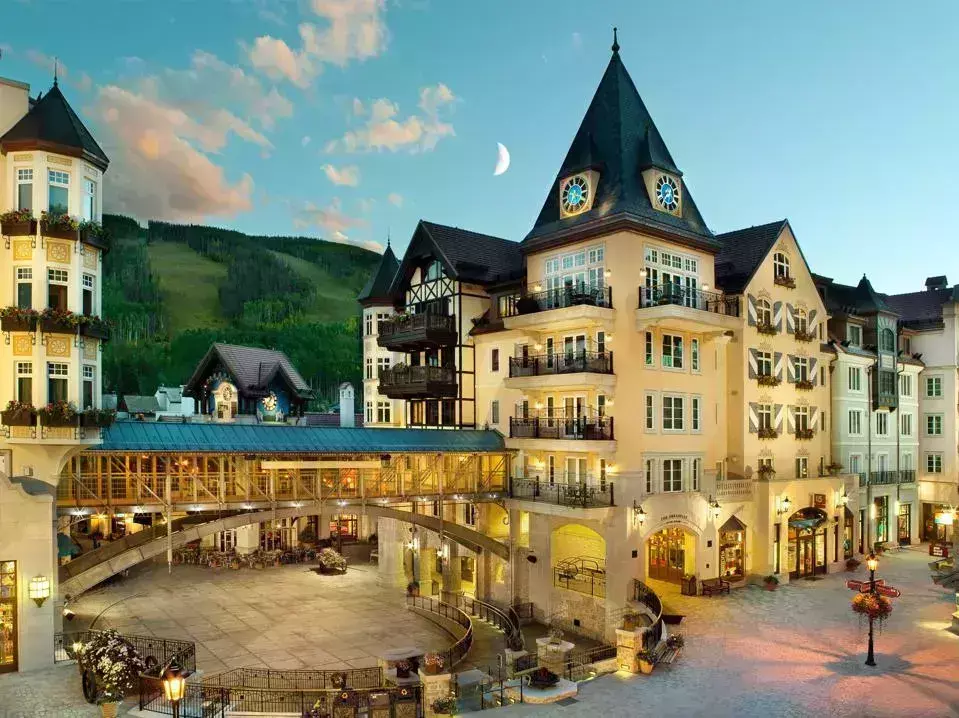
Vail is synonymous with world-class skiing and snowboarding. Vail Mountain boasts over 5,300 acres of skiable terrain, including the legendary Back Bowls and Blue Sky Basin, attracting visitors who seek unparalleled winter sports “Experiences.” The resort offers extensive amenities, from ski schools to luxurious dining and retail in its charming European-inspired villages, Vail Village, Lionshead Village, and Golden Peak. These areas are designed for pedestrian exploration, featuring heated cobblestone streets, art galleries, and upscale boutiques.
Beyond the slopes, Vail transforms into a vibrant summer destination. Visitors can enjoy hiking and biking trails, fly-fishing on Gore Creek, golfing on championship courses, and white-water rafting on the Colorado River. The Betty Ford Alpine Gardens, the highest botanical garden in North America, offers a serene escape, while Epic Discovery on Vail Mountain provides summer adventure parks with zip lines and alpine coasters. Cultural attractions, such as the Colorado Snowsports Museum and Hall of Fame, provide insight into the region’s rich history, including the legacy of the 10th Mountain Division. Vail’s commitment to “Local Culture” and “Nature” makes it a compelling year-round destination.
Denver’s Urban Charms and Mountain Gateways
As the starting point for many mountain adventures, Denver itself is a destination worth exploring, boasting a blend of urban sophistication and outdoor accessibility. The city offers a thriving arts scene, with institutions like the Denver Art Museum and numerous galleries in the RiNo Art District. Its culinary landscape is diverse, ranging from farm-to-table restaurants to craft breweries, appealing to those interested in “Food” and local “Lifestyle.”
Denver’s Landmarks include the historic Union Station, a beautifully restored transportation hub, and the iconic Red Rocks Amphitheatre, a natural geological wonder and world-renowned concert venue just a short drive from downtown. For families, the Denver Zoo and Denver Museum of Nature & Science offer engaging activities. As a gateway to the mountains, Denver provides easy access to nearby destinations for day trips or extended stays, such as Rocky Mountain National Park, Boulder, and Idaho Springs. For travelers, Denver serves as an essential hub for connecting flights and serves as an ideal base for exploring a broader range of “Attractions” before heading to Vail.
Accommodation and Lifestyle in Vail and Denver
Whether you’re visiting Vail for its pristine slopes or Denver for its vibrant city life, finding the right “Accommodation” is key to a comfortable and memorable trip. Both destinations offer a spectrum of lodging options, from opulent resorts to budget-friendly hotels and cozy vacation rentals.
Finding Your Perfect Stay in Vail
Vail is renowned for its luxury “Hotels” and “Resorts,” catering to travelers seeking premium amenities and services. Properties like the Four Seasons Resort and Residences Vail, The Sebastian Vail, and the Grand Hyatt Vail offer ski-in/ski-out access, world-class spas, fine dining, and personalized concierge services, epitomizing “Luxury Travel.” Many resorts feature spacious “Suites” and “Villas” ideal for families or longer stays, complete with gourmet kitchens and fireplaces.
For those on a “Budget Travel” plan, or seeking a more independent experience, Vail also provides a range of condominium rentals and “Apartments,” particularly in areas slightly outside the main villages. These options often come with kitchen facilities, making them suitable for longer stays and self-catering, helping manage costs. “Accommodation” booking platforms and comparison sites are essential tools for finding the best deals and reading “Reviews” to ensure a quality stay. Early booking, especially for peak winter season, is highly advisable due to high demand and limited availability. The overall “Lifestyle” in Vail revolves around outdoor pursuits, health, wellness, and an appreciation for upscale comfort.
Denver’s Diverse Lodging Options
Denver offers a broader and more diverse range of “Accommodation” types, reflecting its status as a major metropolitan area and travel hub. Downtown Denver features numerous upscale hotels perfect for “Business Stays” or luxury “Tourism,” such as The Ritz-Carlton, Denver, Hotel Clio, a Luxury Collection Hotel, Denver Cherry Creek, and the Hyatt Regency Denver at Colorado Convention Center. These establishments often boast excellent “Amenities” like fitness centers, rooftop pools, and renowned restaurants.
Outside the city center, and in neighborhoods like LoDo (Lower Downtown), Capitol Hill, or Cherry Creek, travelers can find boutique hotels, charming bed and breakfasts, and numerous vacation rentals that cater to various tastes and price points. For “Budget Travel,” there are plenty of mid-range hotel chains and hostels, particularly near DIA or along major transit corridors. Denver’s vibrant “Lifestyle” means there are accommodations to match every personality, from historic buildings to modern, artistic spaces. Proximity to public transportation, attractions, or specific districts can be a key factor when making a “Booking.”

Beyond the Journey: Making the Most of Your Colorado Adventure
The distance between Denver and Vail is more than just miles; it represents a transition from urban vibrancy to alpine splendor. While the journey itself can be part of the adventure, the ultimate goal is to immerse yourself in the unique offerings of each destination. Whether you’re planning a thrilling ski trip, a serene mountain escape, or a comprehensive tour of Colorado’s highlights, understanding the nuances of this route is paramount.
Consider extending your trip to explore other nearby mountain towns like Breckenridge, Copper Mountain, or Aspen, each offering its own distinct charm and attractions. The I-70 corridor is dotted with these “Destinations,” providing endless opportunities for “Travel” and “Experiences.” By planning thoughtfully, staying informed about conditions, and embracing the spirit of adventure, your trip from Denver to Vail will undoubtedly be a highlight of your Colorado exploration, seamlessly blending the convenience of modern travel with the raw beauty of the Rocky Mountains.
LifeOutOfTheBox is a participant in the Amazon Services LLC Associates Program, an affiliate advertising program designed to provide a means for sites to earn advertising fees by advertising and linking to Amazon.com. Amazon, the Amazon logo, AmazonSupply, and the AmazonSupply logo are trademarks of Amazon.com, Inc. or its affiliates. As an Amazon Associate we earn affiliate commissions from qualifying purchases.