
Embarking on a journey from the mile-high city of Denver, Colorado, to the sun-drenched shores of Hawaii is a dream for many, promising a transition from majestic mountains to pristine beaches. One of the most common questions for prospective travelers is, naturally, “How long is the flight?” While the allure of the Aloha State is undeniable, its remote location in the Pacific means a significant amount of travel time.
Generally, a direct flight from Denver to Hawaii typically ranges from 7 to 8 hours. This timeframe, however, is merely an estimate, as several crucial factors can influence the actual duration of your airborne adventure. From the specific island you choose to the presence of layovers and even prevailing wind conditions, understanding these variables is key to planning a seamless and enjoyable trip. This comprehensive guide will delve into the intricacies of flying from Denver to Hawaii, offering insights into flight times, preparation tips, and what to expect upon your arrival in this captivating island paradise. We’ll also weave in valuable information on travel planning, accommodation choices, and local culture, aligning with the diverse interests of the discerning traveler.

Understanding Your Flight Path: Denver to the Aloha State
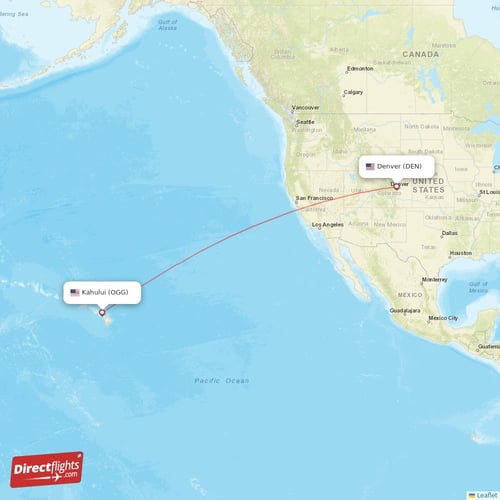
The journey from Denver International Airport (DIA) to the Hawaiian Islands covers an impressive distance of approximately 3,300 to 3,500 miles, depending on your final destination. This significant expanse necessitates a considerable amount of time in the air, making it one of the longer domestic flights within the United States.
Direct Flights: The Fastest Route
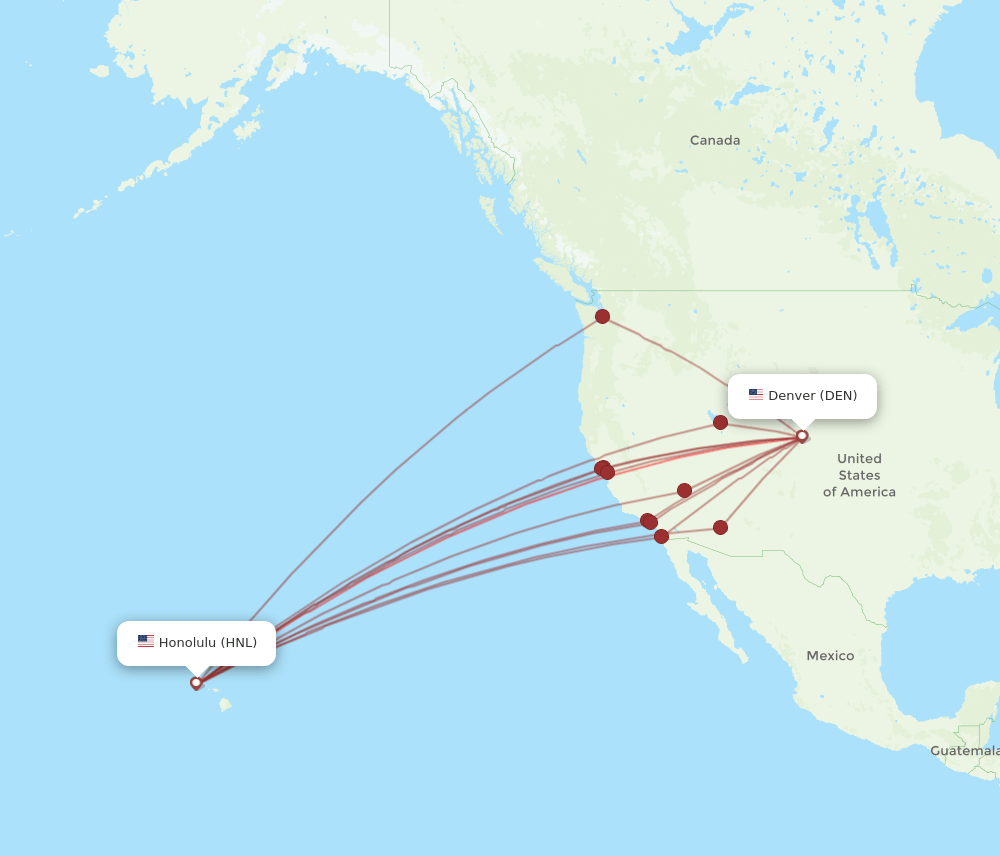
For travelers prioritizing efficiency and minimal travel time, direct flights are the optimal choice. Several major airlines offer non-stop service from Denver to key Hawaiian islands. For instance, a direct flight from Denver to Honolulu, Oahu (via Daniel K. Inouye International Airport – HNL), is usually around 7 hours and 15 minutes to 7 hours and 45 minutes. If your destination is Maui (Kahului Airport – OGG) or the Big Island (Kona International Airport – KOA), direct flights might shave off a few minutes, typically falling within the 7-hour to 7-hour and 30-minute range. These direct options are a testament to modern aviation, allowing passengers to quickly transition from the Rocky Mountains to tropical serenity without the hassle of intermediate stops. Major carriers like United Airlines, Southwest Airlines, and Hawaiian Airlines frequently operate these non-stop routes, making it convenient for travelers to find suitable schedules and competitive fares.
Flights with Layovers: Adding Time and Options
While direct flights are convenient, sometimes a flight with a layover is unavoidable, either due to schedule constraints, preferred airlines, or potentially lower fares. A flight with one layover can extend your total travel time significantly. Depending on the duration of the stopover and the efficiency of the connection, a flight from Denver to Hawaii with a layover can take anywhere from 9 to 15 hours or even more. Common layover cities for flights to Hawaii include major West Coast hubs such as Los Angeles, San Francisco, Phoenix, or Seattle.
Choosing a flight with a layover can sometimes offer advantages beyond just price. It can provide an opportunity to stretch your legs, grab a meal, or even briefly explore another city if the layover is substantial enough to warrant a quick venture outside the airport. For those who find long flights challenging, a planned break can make the overall journey more manageable. When booking, always scrutinize the layover duration; a short connection might mean a frantic rush between gates, while an overly long one can add unnecessary waiting time.
Key Factors Influencing Flight Duration
Beyond the direct vs. layover distinction, several other factors play a role in the precise timing of your flight to Hawaii:
- Specific Hawaiian Island: As mentioned, flights to Oahu (HNL) are generally the longest direct routes from Denver, given its position as the westernmost major island. Flights to Maui (OGG) or the Big Island (KOA or Hilo International Airport – ITO) might be slightly shorter. If your ultimate destination is a smaller island like Kauai (Lihue Airport – LIH), Molokai, or Lanai, you will almost certainly require an inter-island connection, adding at least an hour or two (including transfer time) to your journey.
- Airline and Aircraft: Different airlines operate various types of aircraft, each with distinct cruising speeds. While the difference might only be marginal, it can contribute to slight variations in flight times. Furthermore, individual airlines may schedule their flights with varying buffer times, influencing the quoted duration.
- Wind Conditions: One of the most significant, yet often overlooked, factors is the jet stream. Flights from the mainland United States to Hawaii are often assisted by tailwinds, which can reduce flight times. Conversely, return flights often face headwinds, which can extend the journey by 30 minutes to an hour or even more. This is why a flight to Hawaii might be 7.5 hours, while the flight back to Denver could be 8 to 8.5 hours.
Preparing for Your Journey: Making the Most of Your Flight Time
A flight of 7+ hours is a significant commitment, but with a little preparation, it can be a comfortable and even enjoyable part of your travel experience. Thinking about your well-being during the flight is a crucial aspect of overall travel planning and contributes to a positive lifestyle approach to travel.
In-Flight Comfort and Entertainment
To ensure a pleasant journey, prioritize comfort. Dress in loose, breathable layers as cabin temperatures can fluctuate. Compression socks can be beneficial for circulation on long flights. Stay hydrated by drinking plenty of water and limiting caffeine and alcohol. Many airlines flying to Hawaii offer in-flight entertainment systems with a wide selection of movies, TV shows, and music. However, it’s always wise to come prepared with your own entertainment options. Download movies, podcasts, or e-books onto your devices. A good pair of noise-canceling headphones can be a game-changer, allowing you to create your personal oasis amidst the cabin hum. Don’t forget a portable charger for your devices! For those interested in digital detox, consider bringing a journal, a sketchbook, or a good old-fashioned paperback novel.
Essential Packing Tips for the Long Haul
Strategic packing extends beyond your checked luggage and influences your comfort during the flight itself. Your carry-on bag should be a carefully curated survival kit. Include travel-sized toiletries like hand sanitizer, lip balm, and moisturizer to combat dry cabin air. A small pillow and blanket can provide extra comfort, even if the airline offers them. Snacks are also essential, especially if you have dietary restrictions or simply prefer your own options over airline fare. Pack an extra change of clothes in your carry-on, just in case your checked luggage is delayed or lost – a small contingency that can save a lot of stress. Remember to pack any essential medications in your carry-on, along with copies of important documents. This meticulous approach to packing aligns with smart travel tips for any extended journey.
Navigating Time Zones and Jet Lag
Traveling from Denver to Hawaii involves a significant time zone change, which can lead to jet lag. Colorado observes Mountain Time (MT), while Hawaii observes Hawaii Standard Time (HST). During Daylight Saving Time, Hawaii is 4 hours behind Denver; outside of Daylight Saving, it’s 3 hours behind. This means that if you depart Denver at 9:00 AM MT, you’ll arrive in Hawaii roughly between 1:15 PM and 2:00 PM HST, essentially gaining time on your arrival day.
To minimize jet lag, try to adjust your sleep schedule a day or two before your flight. Once on the plane, try to sleep during what would be nighttime in Hawaii. Upon arrival, immediately immerse yourself in the local time. Get outside in the natural light, even if you feel tired, and try to stay awake until the local bedtime. Avoid heavy meals and excessive alcohol on your first day. Embracing the rhythm of your destination from the moment you land is key to a swift adjustment and ensures you can fully enjoy the attractions and experiences without being hampered by fatigue.
Arriving in Paradise: What Awaits You in Hawaii
After a journey across the Pacific, the moment your plane descends into the lush, vibrant landscape of Hawaii is truly unforgettable. The warm air, the fragrant plumeria, and the sound of “Aloha” greet you, signaling the beginning of an extraordinary adventure.
Choosing Your Hawaiian Island
Hawaii isn’t just one destination; it’s an archipelago of distinct islands, each offering its own unique charm and array of experiences.
- Oahu: The Gathering Place – Home to Honolulu and the iconic Waikiki Beach, Oahu offers a bustling mix of urban sophistication, world-class surfing on the North Shore, and historical significance at Pearl Harbor. It’s perfect for first-time visitors seeking a diverse range of activities.
- Maui: The Valley Isle – Known for its stunning beaches, the scenic Road to Hana, and the majestic sunrise views from Haleakala National Park, Maui is ideal for those seeking a blend of adventure and relaxation. Popular areas like Ka’anapali and Wailea boast luxurious resorts.
- Kauai: The Garden Isle – With its dramatic cliffs of the Na Pali Coast, the vast Waimea Canyon, and lush rainforests, Kauai is a haven for nature lovers, hikers, and those desiring a more serene, untouched Hawaiian experience. Poipu offers beautiful beaches and resorts.
- Big Island: The Orchid Isle (or Island of Hawaii) – The largest island offers an incredible diversity of landscapes, from volcanic deserts in Hawaii Volcanoes National Park to snow-capped peaks of Mauna Kea. It’s perfect for adventurers and those interested in geology and stargazing. The Kona side is famous for coffee and sunny beaches.
Your choice of island will significantly shape your Hawaiian adventure, influencing everything from the type of activities you can enjoy to the overall pace of your trip, catering to different lifestyle preferences such as luxury travel or adventure travel.
Unforgettable Experiences and Landmarks
Regardless of which island you choose, Hawaii abounds with world-renowned landmarks and unique tourism experiences. In Oahu, hiking to the summit of Diamond Head offers panoramic views of Waikiki, while a visit to the USS Arizona Memorial at Pearl Harbor is a poignant historical journey. Snorkeling in the protected waters of Hanauma Bay is a marine wonderland. On Maui, driving the Road to Hana is an iconic adventure, leading to waterfalls and black sand beaches. Kauai’s Na Pali Coast is best explored by helicopter or boat for truly breathtaking views of its towering emerald cliffs. The Big Island offers the chance to witness active volcanoes at Hawaii Volcanoes National Park or stargaze from the heights of Mauna Kea. Each island presents countless opportunities for unforgettable memories, from surfing lessons and traditional luau to whale watching and exploring lush botanical gardens.
Accommodation Options: From Resorts to Villas
Hawaii offers a vast spectrum of accommodation options to suit every budget and travel style. For those seeking luxury travel and all-inclusive amenities, world-class resorts like the Four Seasons Resort Maui at Wailea, the Grand Hyatt Kauai Resort & Spa, or the historic The Royal Hawaiian in Waikiki provide unparalleled service, exquisite dining, and stunning beachfront locations. Families might prefer resorts with extensive kids’ programs and facilities, such as Aulani, A Disney Resort & Spa on Oahu, or the sprawling Hilton Hawaiian Village Waikiki Beach Resort.
For a more intimate or long-term stay, vacation rentals, private villas, or apartments offer flexibility and a home-away-from-home feel, often equipped with kitchens and multiple bedrooms, ideal for family trips or groups. Budget travelers can find charming boutique hotels, guesthouses, or hostels, especially outside the main resort areas. When booking your accommodation, consider the proximity to the attractions you wish to visit and read reviews carefully to find the perfect fit for your Hawaiian escape.
Embracing Hawaiian Culture and Cuisine
Tourism in Hawaii is deeply intertwined with its rich and vibrant local culture. Beyond the beaches, take the time to immerse yourself in the traditions of the islands. Attend a traditional luau to experience hula dancing, Hawaiian music, and a feast of local delicacies like kalua pig, poi, and fresh seafood. Visit cultural centers, explore ancient temples (heiau), and learn about the history of surfing, which originated here. The local cuisine is a delightful fusion of Polynesian, Asian, and American influences. Don’t miss trying fresh poke bowls, shave ice, malasadas, and plate lunches. Engage with locals, learn a few Hawaiian phrases like “mahalo” (thank you) and “aloha,” and respect the ‘aina (land). This cultural immersion enriches your entire journey, transforming a simple vacation into a profound and meaningful experience.
Planning Your Perfect Hawaiian Getaway from Denver
Successfully planning a trip from Denver to Hawaii involves more than just booking a flight; it requires thoughtful consideration of various elements to ensure a memorable adventure.
Budgeting for Your Trip
Hawaii is renowned for being a relatively expensive destination, but with smart planning, it can be accessible for various budgets. Flight costs from Denver can vary widely based on the season, how far in advance you book, and whether you opt for direct or connecting flights. Accommodation will likely be your largest expense after flights. Consider whether you prefer a luxurious resort, a mid-range hotel, or a more budget-friendly vacation rental.
Factor in costs for transportation (rental car, shuttles, public transit), dining (eating out can add up, so consider self-catering for some meals), and activities (snorkeling tours, luau, surfing lessons). Creating a detailed budget beforehand will help you manage your finances and prevent any unwelcome surprises. Look for package deals that combine flights and hotels, which can often offer significant savings.
Best Time to Visit
The “best” time to visit Hawaii largely depends on your priorities. The peak seasons are typically from mid-December through March (winter) and June through August (summer). During these times, prices for flights and accommodation are usually higher, and attractions are more crowded. However, winter offers the best whale watching opportunities, and summer provides consistently sunny weather ideal for beach activities.
The shoulder seasons, April to May and September to November, often present a sweet spot. The weather is still excellent, crowds are thinner, and prices tend to be more reasonable. These periods are ideal for travelers seeking a balance between good weather and fewer tourists, making it easier to enjoy the destinations and attractions at a more relaxed pace. Weather-wise, Hawaii enjoys a consistently mild, tropical climate year-round, with daytime temperatures generally ranging from 75-85°F (24-29°C), so there’s truly no “bad” time to visit.
Creating Your Itinerary
A well-planned itinerary is crucial for maximizing your time in Hawaii after your long flight from Denver. Start by deciding which island(s) you wish to visit and allocate sufficient time for each – trying to cram too many islands into a short trip can lead to more travel time and less relaxation. Research the attractions, activities, and restaurants that interest you most.
Consider creating a daily schedule that balances sightseeing with leisure time. Book popular tours, accommodations, and rental cars well in advance, especially during peak season. Remember to build in flexibility for spontaneous adventures or simply relaxing on the beach. Whether you’re planning a family trip, a romantic getaway, or a solo adventure, a thoughtful itinerary ensures a smooth and fulfilling Hawaiian experience. Don’t forget to factor in travel time between islands if you’re island-hopping, as these inter-island flights can add an extra half-day to your travel.
The journey from Denver, Colorado, to Hawaii is a significant one, typically spanning 7 to 8 hours on a direct flight. While the flight duration might seem substantial, the anticipation of arriving in such a magnificent destination makes every minute worthwhile. By understanding the factors influencing flight times, preparing adequately for your journey, and planning your Hawaiian adventure with care, you can transform the long flight into a comfortable prelude to an unforgettable travel experience. From the moment you depart the high plains of Colorado to your first breath of the warm, humid air in the Aloha State, this trip promises a profound change of scenery and an abundance of cherished memories. Safe travels to paradise!
LifeOutOfTheBox is a participant in the Amazon Services LLC Associates Program, an affiliate advertising program designed to provide a means for sites to earn advertising fees by advertising and linking to Amazon.com. Amazon, the Amazon logo, AmazonSupply, and the AmazonSupply logo are trademarks of Amazon.com, Inc. or its affiliates. As an Amazon Associate we earn affiliate commissions from qualifying purchases.