
Navigating the complexities of disability benefits can be a daunting process, particularly when faced with health challenges that already impact daily life. For residents of Colorado, understanding the specific pathways to applying for disability is a crucial step towards securing financial stability and access to necessary medical care. This comprehensive guide aims to demystify the application process, offering clear, step-by-step instructions and insights into what to expect when seeking disability benefits within the Centennial State. While the journey can be long and challenging, being well-informed significantly increases the chances of a successful outcome, allowing individuals to focus on their well-being within the diverse and vibrant communities of Colorado.
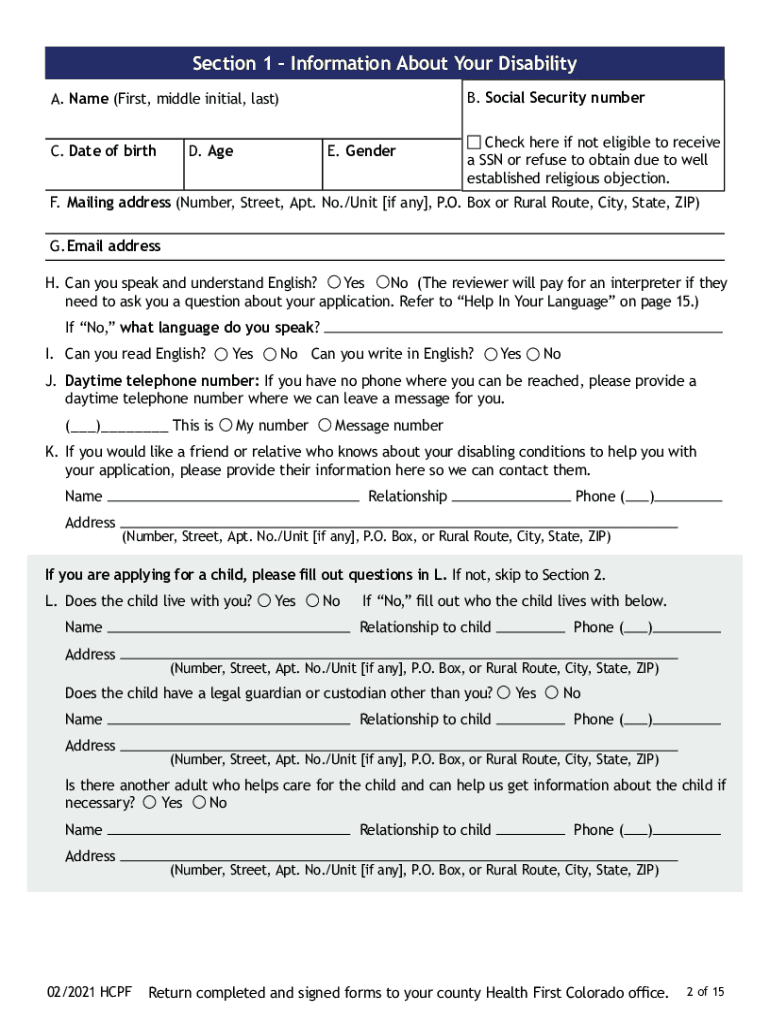
The United States offers two primary federal disability benefit programs, both administered by the Social Security Administration (SSA): Social Security Disability Insurance (SSDI) and Supplemental Security Income (SSI). Although both programs provide financial assistance to individuals unable to work due to a severe medical condition, they differ significantly in their eligibility criteria and funding mechanisms. Understanding these distinctions is the first critical step for any applicant in Colorado.
Understanding Disability Benefits in Colorado
Securing disability benefits in Colorado means engaging with the federal system, primarily through the Social Security Administration. These programs are designed to provide a financial safety net for those who, through no fault of their own, are no longer able to engage in “substantial gainful activity” due to a medical impairment. The definition of disability used by the SSA is stringent: you must have a medical condition that prevents you from doing any substantial work and is expected to last at least a year or result in death. It’s not enough to be unable to perform your previous job; the SSA must determine you cannot do any other type of work either, considering your age, education, and work experience.
Social Security Disability Insurance (SSDI)
SSDI is a program for individuals who have worked and paid Social Security taxes for a sufficient period. Think of it as an insurance policy you’ve paid into throughout your working life. Your eligibility for SSDI is tied directly to your work history. Specifically, you accumulate “work credits” based on your earnings. In most cases, you need 40 credits, with 20 of them earned in the last 10 years ending with the year your disability began. The number of credits required can vary slightly depending on your age at the time of disability onset.
The monthly benefit amount under SSDI is determined by your average lifetime earnings covered by Social Security. This means that individuals with higher earnings over their career will generally receive a higher monthly benefit. Importantly, after receiving SSDI benefits for 24 months, beneficiaries typically become eligible for Medicare, the federal health insurance program for people 65 or older, and certain younger people with disabilities. This access to healthcare coverage is often as vital as the financial assistance itself for many individuals in Colorado dealing with long-term health issues. Dependents, such as minor children or a spouse caring for a disabled child, may also be eligible for benefits under your work record.
Supplemental Security Income (SSI)
In contrast, Supplemental Security Income (SSI) is a needs-based program designed to help aged, blind, and disabled people who have little or no income and resources. Unlike SSDI, eligibility for SSI does not depend on your work history or contributions to Social Security. Instead, it is a means-tested program, meaning your income and assets must fall below certain limits to qualify.
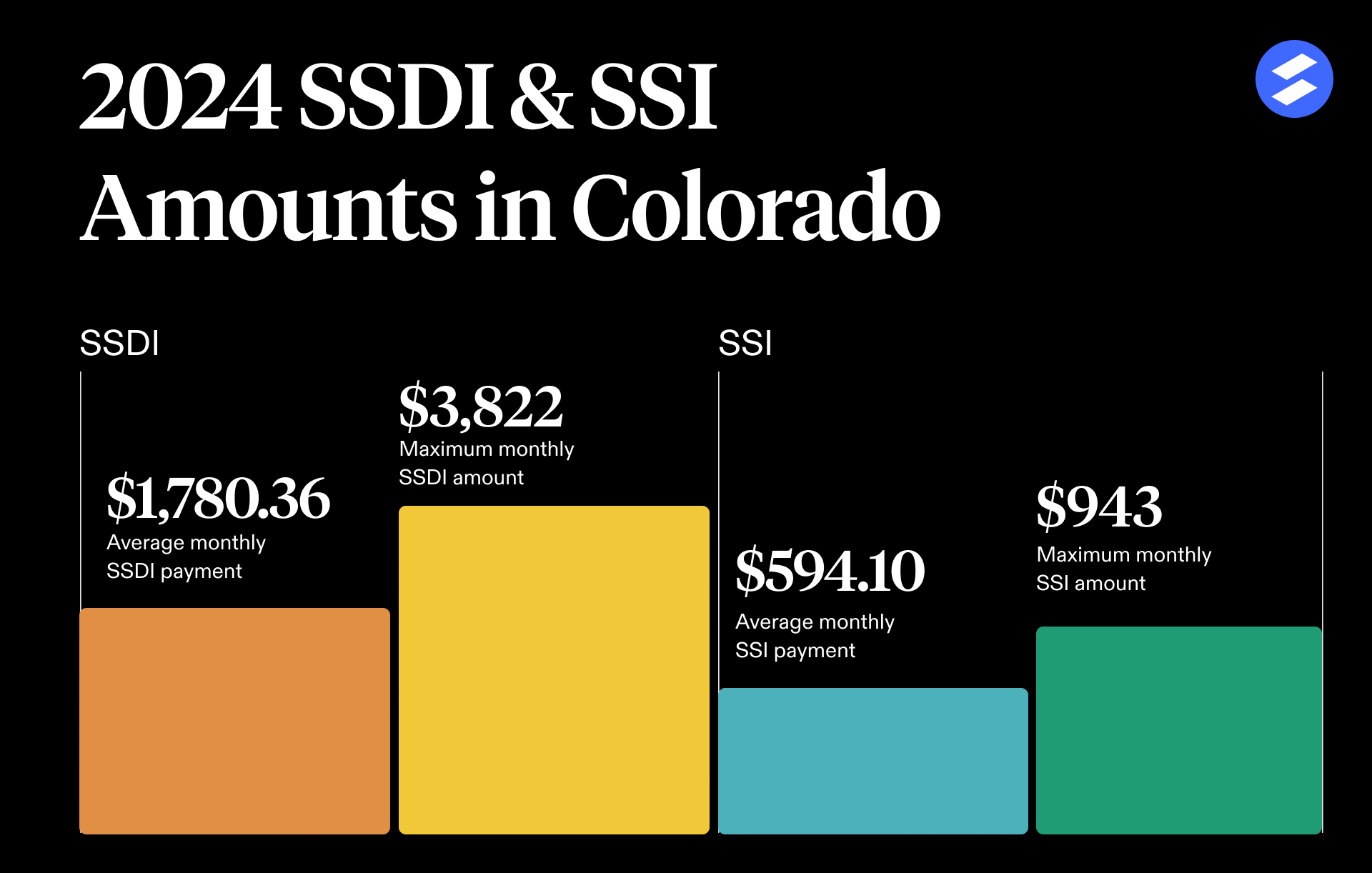
For 2024, the federal SSI monthly benefit is capped, and this amount is reduced by any “countable” income you receive. The resource limit for individuals is typically $2,000, and for couples, it is $3,000. Countable resources include cash, bank accounts, stocks, and other assets, though some assets like your primary residence and one vehicle are usually excluded. For Colorado residents, receiving SSI often automatically qualifies them for Medicaid, the state and federal program that provides health coverage to low-income individuals. This immediate access to healthcare is a significant benefit for many who wouldn’t otherwise be able to afford medical care in cities like Denver or Colorado Springs.
Many individuals may apply for both SSDI and SSI simultaneously, especially if their work history is insufficient for a substantial SSDI benefit, or if they have not worked enough to qualify for SSDI at all. The SSA will assess eligibility for both programs based on the information provided in your single application.
Eligibility Criteria and Initial Steps for Colorado Applicants
Before embarking on the application journey for disability benefits in Colorado, it’s crucial to understand the stringent eligibility criteria set forth by the Social Security Administration. The process demands a thorough presentation of your case, emphasizing both medical incapacitation and, for SSDI, a qualifying work history.
Medical Requirements: Defining Disability
The core of any disability claim is the medical evidence. The SSA’s definition of disability is strict: you must have a medically determinable physical or mental impairment (or combination of impairments) that is severe enough to prevent you from doing any “substantial gainful activity” (SGA). For 2024, SGA is generally defined as earning more than $1,550 per month ($2,590 for blind individuals). Furthermore, your condition must be expected to last for at least 12 continuous months or result in death. Short-term or partial disabilities do not qualify under SSA rules.
To establish medical eligibility, you will need comprehensive medical documentation. This includes:
- Diagnoses and prognoses from your treating physicians.
- Detailed treatment records, including physician notes, hospitalizations, surgeries, and therapies (physical, occupational, mental health).
- Results of medical tests, such as X-rays, MRIs, CT scans, blood tests, psychological evaluations, and functional capacity assessments.
- Medication lists, showing current and past prescriptions and their effects or side effects.
- Statements from doctors explaining how your condition limits your ability to perform work-related activities (e.g., sitting, standing, lifting, walking, concentrating, understanding instructions).
The more thorough and consistent your medical records are, the stronger your claim will be. The SSA primarily relies on objective medical evidence from acceptable medical sources, so regular and documented treatment from healthcare providers in Colorado is paramount.
Work History Requirements (for SSDI)
If you are applying for Social Security Disability Insurance (SSDI), your work history is a critical component of your eligibility. As mentioned, you need to have worked long enough and recently enough to have accumulated a sufficient number of Social Security “work credits.” These credits are earned through your earnings; for 2024, you earn one credit for every $1,730 in earnings, up to a maximum of four credits per year.
The number of credits required depends on your age when your disability began:
- Under age 24: You generally need 6 credits earned in the 3-year period ending when your disability starts.
- Age 24-31: You need to have worked for half the time between age 21 and the time you became disabled (e.g., if you become disabled at age 27, you would need 3 years of work, or 12 credits, in the 6-year period ending with your disability).
- Age 31 or older: You generally need 20 credits in the 10-year period immediately before your disability began. Most older applicants will need the full 40 credits.
You can check your work record and estimated benefits by creating a My Social Security account on the SSA website. This will give you a clear picture of whether you meet the work credit requirements for SSDI.
Financial Requirements (for SSI)
For those applying for Supplemental Security Income (SSI), the primary hurdle, after proving disability, is meeting the program’s strict income and resource limits. SSI is designed for individuals with limited financial means, so eligibility is based on a “means test.”
Income: The SSA counts most types of income, including wages, other disability benefits, pensions, and even “in-kind” support (like free food or shelter). However, they exclude certain amounts and types of income. For example, the first $20 of most income and the first $65 of earned income plus half the remainder are generally excluded. Understanding what counts as income can be complex, and it’s essential to report all income accurately.
Resources: Your countable resources (assets) must not exceed $2,000 for an individual or $3,000 for a couple. This includes cash, money in bank accounts, stocks, bonds, and other liquid assets. However, certain assets are exempt, such as:
- The home you live in.
- One vehicle, regardless of value, if used for transportation.
- Household goods and personal effects.
- Life insurance policies with a face value of $1,500 or less.
- Burial funds up to $1,500.
It’s critical to ensure your income and resources remain within these limits throughout the application process and if you begin receiving SSI benefits. Any changes must be reported promptly to the SSA to avoid overpayments.
Gathering Necessary Documentation
Regardless of whether you are applying for SSDI, SSI, or both, compiling all necessary documentation before you apply can significantly streamline the process. This foundational step is crucial for building a strong case.
Essential documents typically include:
- Personal Information: Your Social Security card, birth certificate, proof of United States citizenship or lawful alien status.
- Medical Records: As detailed above, these are paramount. Include names, addresses, and phone numbers of all doctors, clinics, and hospitals that have treated you for your disabling condition, along with dates of visits and treatment details.
- Work History Information: A detailed list of your past jobs (up to 15 years), including job titles, dates worked, and a brief description of duties for SSDI applicants.
- Financial Information (for SSI): Bank account statements, information about any other income (e.g., pensions, workers’ compensation), and details of resources like property deeds (excluding your primary residence) or other assets.
- Marriage and Children’s Information: If applying for dependent benefits, include marriage certificates and children’s birth certificates.
Being organized and providing complete information from the outset can prevent delays. The SSA and Colorado’s Disability Determination Services (DDS) will use this documentation to evaluate your claim.
The Application Process: Step-by-Step
The application process for disability benefits in Colorado can be lengthy and involves several stages. Understanding each step can help manage expectations and prepare for potential challenges. The journey typically begins with the initial application and extends through medical evaluations, often involving several months of waiting.

Submitting Your Initial Application
There are three primary ways to file your disability application with the Social Security Administration:
- Online Application: For many, applying online is the most convenient method. The SSA website (SSA.gov) provides a secure portal where you can complete the application for SSDI and SSI. This option allows you to work at your own pace, save your progress, and submit when all information is gathered. It’s available 24/7, offering flexibility for applicants across Colorado, from Grand Junction to Pueblo.
- By Phone: You can call the SSA national toll-free number (1-800-772-1213) to speak with a representative. They can help you complete the application over the phone or schedule an appointment for you to visit a local SSA office.
- In-Person at an SSA Office: For those who prefer face-to-face assistance or have complex questions, visiting a local SSA field office in Colorado is an option. You can find offices in major cities like Denver, Colorado Springs, Boulder, Fort Collins, and Aurora. It’s often advisable to call ahead and schedule an appointment to minimize wait times.
When applying, you’ll need to provide extensive personal, medical, and work-related information. Be prepared to detail your disabling condition, how it affects your daily life, your medical treatments, medications, and your work history. Accuracy and completeness are vital.
The Role of the Disability Determination Services (DDS)
Once your application is submitted to the Social Security Administration, it is then sent to Colorado’s Disability Determination Services (DDS). The DDS is a state agency (funded by the federal government) responsible for making the initial medical determination of disability for SSA claims.
At the DDS, your case will be assigned to a disability examiner. This examiner, in consultation with medical professionals (physicians and psychologists), will review all the medical evidence you have provided. Their job is to determine if your condition meets the SSA’s definition of disability.
The examiner may:
- Contact your doctors and other medical sources to obtain additional records or clarification.
- Schedule a “consultative examination” (CE) for you. If the existing medical evidence is insufficient or conflicting, the DDS may send you to an independent doctor (at no cost to you) to perform an examination or specific tests. It is very important to attend any scheduled CEs, as failure to do so can result in a denial of your claim.
- Contact you directly to clarify information or request more details about your daily activities and limitations.
This medical review phase is often the longest part of the initial application process. It’s crucial to cooperate fully with the DDS and respond promptly to any requests for information.
Medical Evaluation and Decision
After the DDS has gathered all necessary medical evidence and conducted any additional evaluations, the disability examiner and a medical consultant will make a decision on your claim. They will assess your “residual functional capacity” (RFC), which is a detailed assessment of what you can still do despite your impairments. This includes evaluating your ability to perform physical tasks (lifting, standing, sitting, walking, pushing, pulling) and mental tasks (understanding, remembering, sustaining concentration, adapting to change).
Based on your RFC, your age, education, and past work experience, the SSA will determine if there is any job you can perform. If they find you cannot perform your past relevant work and cannot adjust to other work, your claim will likely be approved. If they find you can perform your past work, or adjust to other work, your claim will be denied.
You will receive a letter from the SSA informing you of their decision. If approved, the letter will detail your benefit amount, when payments will start, and information about health insurance eligibility (Medicare or Medicaid). If denied, the letter will explain the reasons for the denial and provide instructions on how to appeal the decision. Initial denial rates are quite high, so it is not uncommon to be denied at this stage.
Navigating the Appeals Process in Colorado
Receiving an initial denial for disability benefits can be discouraging, but it is not the end of the road. Many applicants in Colorado are initially denied but ultimately receive benefits after going through the appeals process. The Social Security Administration provides several levels of appeal, each offering an opportunity to present new evidence or argue your case further.
Understanding Initial Denials and the Importance of Appeal
It is a common misconception that an initial denial means your claim is weak. In reality, a significant percentage of initial applications are denied, sometimes due to insufficient medical evidence, a misunderstanding of SSA rules, or a lack of clarity in how the impairment limits work. It’s crucial not to give up, as the appeals process is designed to re-evaluate your case with potentially more detailed scrutiny and, at later stages, with an in-person hearing.
When you receive a denial letter, it will outline the reasons for the decision and inform you of your right to appeal. You generally have 60 days from the date you receive the denial letter to file an appeal. Missing this deadline can make it significantly harder, if not impossible, to continue your claim without starting over.
Levels of Appeal
There are four levels of appeal within the Social Security Administration:
- Reconsideration: This is the first step in the appeals process. When you request reconsideration, your entire file is reviewed by a different disability examiner and medical consultant at Colorado’s Disability Determination Services (DDS) office than the one who handled your initial application. At this stage, it’s vital to submit any new medical evidence that has become available since your initial application was filed. This could include new diagnoses, treatment records, or physician statements. Reconsideration often results in a similar outcome to the initial application, but it is a mandatory step before proceeding to a hearing.
- Hearing by an Administrative Law Judge (ALJ): If your reconsideration is denied, the next step is to request a hearing before an Administrative Law Judge (ALJ). This is often considered the most critical stage of the appeals process and where many successful claims are ultimately approved. Unlike the prior stages, an ALJ hearing is an in-person proceeding (though sometimes conducted by video conference) where you and your representative can present your case directly to the judge. The hearing offices for Colorado are primarily located in Denver and Colorado Springs, serving residents across the state, including those from Fort Collins or Boulder.
During the hearing, the ALJ will review all the evidence, may ask you questions about your medical condition and daily limitations, and often hears testimony from vocational experts (who assess your ability to perform work) and medical experts. This is your opportunity to explain in detail how your condition prevents you from working. This stage often takes considerable time to schedule, sometimes more than a year. - Appeals Council Review: If the ALJ denies your claim, you can request a review by the Social Security Appeals Council. The Appeals Council typically reviews the ALJ’s decision for any legal or procedural errors. They may affirm the ALJ’s decision, remand the case back to an ALJ for further action, or, less commonly, issue a favorable decision themselves. The Appeals Council does not hold new hearings or typically accept new evidence unless it is highly relevant and was previously unavailable.
- Federal Court Review: The final level of appeal is to file a lawsuit in a federal district court. This is a significant legal step and almost always requires the assistance of an attorney. A federal court judge will review the entire record of your case to determine if the SSA’s decision was supported by substantial evidence and if the proper legal standards were applied. This is generally a long and complex process.
The Importance of Legal Representation
While it is possible to navigate the disability application and appeals process on your own, having legal representation significantly increases your chances of success, especially at the ALJ hearing stage and beyond. A qualified disability attorney or advocate can:
- Help you gather and submit crucial medical evidence.
- Communicate with the SSA and DDS on your behalf.
- Prepare you for your hearing and represent you before the ALJ.
- Question vocational and medical experts.
- Present legal arguments that strengthen your case.
Disability attorneys typically work on a contingency basis, meaning they only get paid if you win your case, and their fees are capped by law and must be approved by the SSA. This arrangement makes legal assistance accessible to those with limited financial resources in Colorado.
Life in Colorado While Applying for Disability
The period spent applying for and awaiting a decision on disability benefits can be a time of significant stress and financial strain. For individuals in Colorado, understanding how to access interim support and maintain a sense of well-being can be just as crucial as navigating the application itself. Colorado’s diverse landscape, from the majestic Rocky Mountains to its vibrant urban centers, offers a variety of resources and environments, even when facing challenging health circumstances.
Accessing Interim Support and State Resources
While federal disability benefits through the SSA take time to process, Colorado offers various state and local programs that can provide temporary relief and support. These are not alternatives to SSDI or SSI but can bridge the gap during the waiting period.
- Medicaid (Health First Colorado): For individuals with low income and resources, Medicaid can provide essential health coverage for doctor visits, prescriptions, and hospital stays. Eligibility for SSI often confers automatic Medicaid eligibility, but you may qualify for Medicaid based on income and family size even before receiving SSI.
- Food Assistance (SNAP): The Supplemental Nutrition Assistance Program can help low-income individuals and families purchase food.
- Temporary Aid for Needy Families (TANF): Known as Colorado Works in Colorado, this program provides cash assistance and other services to help families become self-sufficient.
- Housing Assistance: Various local and state programs can help with rent, utilities, or finding affordable housing. Organizations in cities like Denver or Colorado Springs often have specific initiatives.
- Community Resources: Many non-profit organizations, disability advocacy groups, and local charities across Colorado offer support services, including financial counseling, food banks, transportation assistance, and peer support networks. Connecting with these groups can provide practical help and emotional support.
It is advisable to contact your local Department of Human Services or county social services office to inquire about eligibility for these state and local programs while your federal disability application is pending.
Maintaining Well-being and Engaging with Colorado Life
While coping with a disabling condition and the stress of a disability application, focusing on personal well-being is vital. Colorado’s natural beauty and community spirit can offer opportunities for solace and engagement, even with limitations.
- Accessible Outdoors: Many of Colorado’s natural attractions, including state parks and parts of the Rocky Mountains, have accessible trails and facilities. Engaging with nature, even in a limited capacity, can be beneficial for mental health. For instance, trails at Roxborough State Park near Denver or parts of Garden of the Gods in Colorado Springs offer breathtaking views with easier access.
- Cultural and Community Activities: Colorado cities like Boulder, Fort Collins, and Denver boast museums, libraries, and community centers that offer accessible programs and events. Engaging in low-impact hobbies or volunteer work (within SSA’s “unsuccessful work attempt” or “subsidized employment” rules) can provide a sense of purpose and connection.
- Support Groups: Connecting with others who understand your struggles can be incredibly empowering. Many disability-specific support groups exist throughout Colorado, providing a safe space to share experiences, gain advice, and build a community.
A successful disability application can provide the financial security needed to better access these aspects of Colorado life, allowing individuals to manage their health more effectively and enjoy the quality of life the state offers. Even during the application phase, exploring accessible local attractions or community programs can help maintain a positive outlook and remind you of the vibrant life that awaits.
The journey to securing disability benefits in Colorado is undoubtedly challenging, requiring patience, persistence, and meticulous documentation. By understanding the distinctions between SSDI and SSI, meeting the stringent eligibility criteria, diligently following the application process, and being prepared to navigate the appeals system, applicants can significantly improve their chances of success. Furthermore, leveraging interim state and local resources and focusing on personal well-being within Colorado’s supportive communities can help mitigate the stresses of this period. Remember, an initial denial is not a final outcome, and perseverance, often with the aid of legal representation, is key to obtaining the support you need and deserve.
LifeOutOfTheBox is a participant in the Amazon Services LLC Associates Program, an affiliate advertising program designed to provide a means for sites to earn advertising fees by advertising and linking to Amazon.com. Amazon, the Amazon logo, AmazonSupply, and the AmazonSupply logo are trademarks of Amazon.com, Inc. or its affiliates. As an Amazon Associate we earn affiliate commissions from qualifying purchases.